Our verdict
Wu Kang Lu sits in Shanghai's Xuhui District, one of the city's most architecturally layered neighbourhoods, where French Concession plane trees shade a street that has long attracted serious dining. The address positions it within a competitive tier of Shanghai restaurants where the conversation increasingly turns on how imported culinary technique is applied to local and regional Chinese ingredients.

Pearl is the En Primeur Club membership app — saves, bookings, and concierge access live there. Same editors, same standards.
- Address
- Xuhui District, Shanghai, China, 200031
- Directions
- Get directions
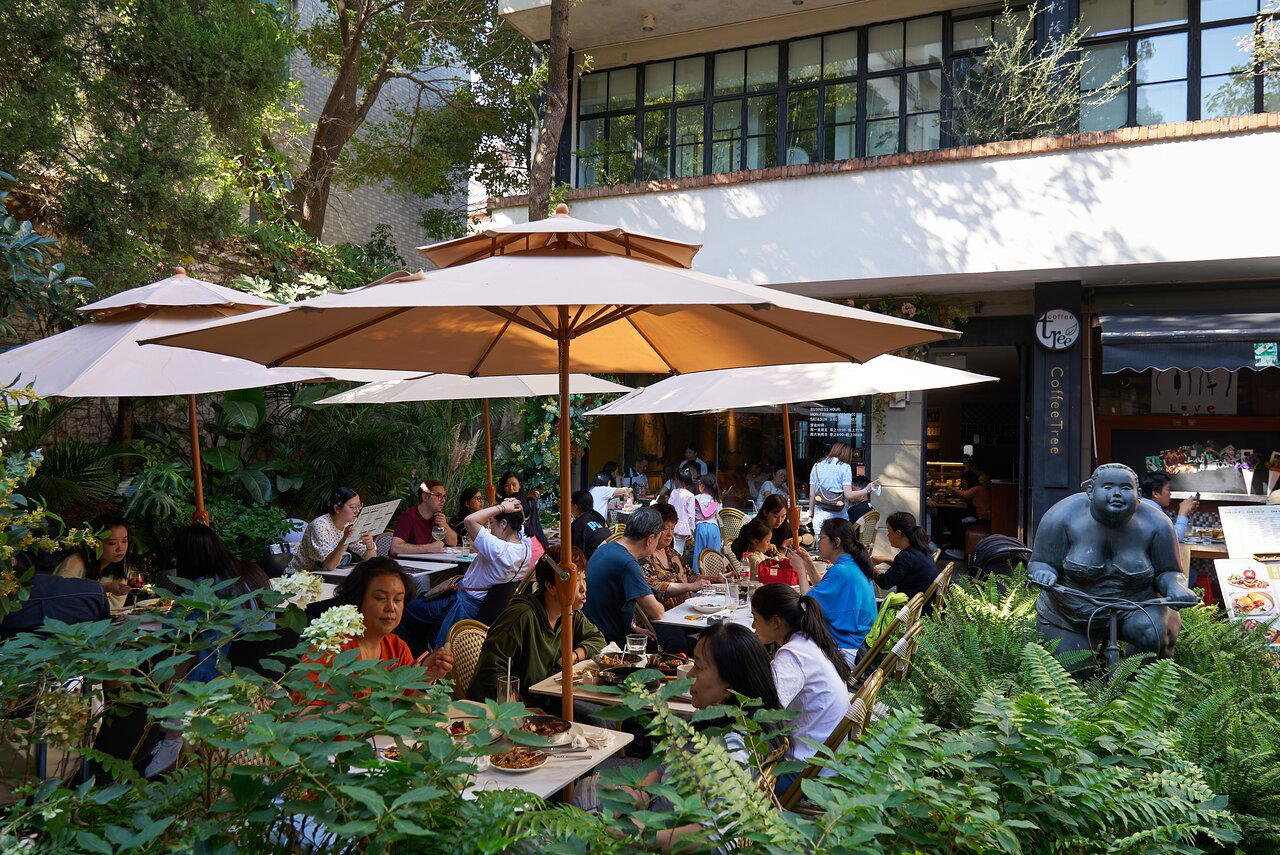
The menu
What to order
- Duck Confit Gnocchi
- Blueberry Pancakes
- Pho
- Matcha Chocolate Pastry
A Street That Sets the Terms
In Shanghai, Xuhui District carries a particular culinary weight. The French Concession grid that runs through it — Wu Kang Lu among the better-known corridors — has accumulated a density of serious restaurants over the past two decades that now places it in conversation with dining neighbourhoods in Tokyo, Paris, and New York. The plane trees, the pre-war lane houses, the unhurried pace of the street itself: these are not just atmospheric backdrop. They shape the expectations diners bring through the door, and they attract the kind of operator for whom address is an editorial statement about what kind of food they intend to serve.
That broader context matters because the question most relevant to anyone considering a meal in this part of Shanghai is not which individual restaurant to choose, but what the neighbourhood's current culinary argument actually is. And in Xuhui right now, that argument is largely about method: specifically, how deeply technique imported from European kitchens, from French classical training, from Nordic-inflected ingredient focus, from Japanese precision around temperature and texture, has been absorbed into cooking that still answers to Chinese palates, Chinese seasonal logic, and Chinese produce.
The Intersection of Method and Ingredient
Shanghai's most interesting restaurants of the past decade have operated at that intersection. The city's position as a commercial hub means its chefs have had earlier and deeper exposure to European and Japanese culinary thinking than their counterparts in most Chinese cities. At the same time, the Yangtze Delta produces an ingredient range, hairy crab from Yangcheng Lake, river eel, taro from Chongming Island, tea from Hangzhou, freshwater fish from the lakes of Jiangsu and Zhejiang, that rewards technically sophisticated handling without requiring it to become the point of the meal.
This is the productive tension that the leading Xuhui kitchens have learned to work with. Precision temperature control, classical sauce technique, and careful aging or curing protocols borrowed from European tradition can sharpen and extend the seasonal character of local ingredients without displacing the flavour logic that makes them compelling in the first place. The risk, in the hands of less disciplined kitchens, is that imported method overwhelms the ingredient, producing food that reads as technically accomplished but culturally thin. The more interesting outcome, when the balance holds, is a form of cooking that is legible both to Chinese diners who know what a well-prepared river eel should taste like and to international visitors who read the technical signals through a different frame.
Wu Kang Lu operates within this broader pattern. For direct comparison within the city's upper-middle to premium tier, Taian Table represents the city's most European-coded approach to local produce, while Fu He Hui shows how a purely plant-based framework can carry the same ingredient-first argument. 102 House and Xin Rong Ji (West Nanjing Road) anchor the more classically Chinese end of the spectrum, while 8 1/2 Otto e Mezzo Bombana demonstrates how a fully European kitchen reads when transplanted to the same city.
Seasonal Logic in the Yangtze Delta
Understanding when to visit Shanghai, and specifically this neighbourhood, matters as much as understanding where to eat. The Yangtze Delta culinary calendar has two peaks that serious diners plan around. Autumn, roughly October through early December, brings hairy crab season, when Yangcheng Lake crabs arrive at Shanghai tables in formats ranging from whole steamed presentation to crabmeat worked into sauces and stuffings. This is the period when ingredient provenance becomes the dominant conversation at almost every serious table in the city, and when the gap between restaurants that have genuine supply relationships with producers and those that rely on market intermediaries becomes most visible.
Spring, from March through May, brings a different but equally compelling set of ingredients: bamboo shoots from the hills south of Hangzhou, shepherd's purse, river shrimp from the Yangtze, and the first teas of the year from Longjing and Anji. These are ingredients with strong regional identity and relatively short windows. Kitchens that understand them cook with a different urgency in those months, and the leading meals in this part of Shanghai often happen when chef and ingredient are in the same seasonal moment.
Xuhui's dining scene extends well beyond Shanghai, and the broader Chinese culinary world offers useful comparisons for understanding where Wu Kang Lu sits regionally. Across the country, the same ingredient-meets-technique conversation is playing out in different registers: Ru Yuan in Hangzhou works with Zhejiang produce in a more classically rooted format; Chef Tam's Seasons in Macau applies Cantonese rigour to premium ingredients in a way that parallels Shanghai's ambitions; Pingjiangsong in Suzhou demonstrates how Jiangnan cuisine reads when given serious kitchen investment. Further afield, Xin Rong Ji in Beijing, Imperial Treasure Fine Chinese Cuisine in Guangzhou, and Dai Yuet Heen in Nanjing each show how the premium Chinese dining argument shifts with geography. The international frame is useful too: Le Bernardin in New York and Lazy Bear in San Francisco both demonstrate, in their respective categories, the same discipline around seasonal produce and technical restraint that Shanghai's leading kitchens are working toward. For additional regional reference, Xin Rong Ji in Chengdu, Fleurs Et Festin in Xiamen, Wenru No.9 in Fuzhou, and Shang Palace in Yangzhou each map the Yangtze Delta and southern Chinese premium dining field from different angles.
Our full Shanghai restaurants guide covers the city's premium tier across all categories, with neighbourhood-level context for planning a serious dining itinerary.
Planning a Visit
Wu Kang Lu is located in Xuhui District, Shanghai 200031, within the French Concession area. The neighbourhood is accessible from multiple metro lines, with Hengshan Road station on Line 11 and Jiaotong University station on Line 10 both within walking distance of the Wu Kang Lu corridor. As with most serious Shanghai restaurants in this tier, advance planning is advisable, particularly during the autumn hairy crab season when demand across all Xuhui kitchens tightens considerably. Specific booking details, current hours, and pricing are best confirmed directly with the venue.
Frequently asked questions
Where exactly is Wu Kang Lu?
Wu Kang Lu is located at Xuhui District, Shanghai, China, 200031, Shanghai.
What makes Wu Kang Lu worth visiting compared to other French Concession restaurants in Shanghai?
Wu Kang Lu is a street address within Xuhui District's French Concession, one of Shanghai's most concentrated zones for serious dining, where competition between neighbouring restaurants has historically pushed cooking standards upward. The French Concession grid carries a culinary reputation built across decades, and restaurants that hold their position in this neighbourhood do so against consistent local alternatives. Whether a specific venue on Wu Kang Lu differentiates through cuisine type, chef background, or format is best confirmed through current editorial coverage or direct contact with the address at Shanghai 200031.
What should I order at Wu Kang Lu?
Wu Kang Lu sits in Xuhui District's French Concession, a neighbourhood where Shanghai's most interesting cooking currently concentrates. The area's restaurants tend to reflect Yangtze Delta ingredients and method, which gives a reasonable frame for expectations.
Is Wu Kang Lu reservation-only?
Given the French Concession's density of well-followed restaurants and the foot traffic Wu Kang Lu attracts, contacting the venue directly before visiting is advisable rather than assuming walk-in availability.
What's the defining dish or idea at Wu Kang Lu?
What can be said is that its location within the French Concession places it alongside Shanghai's more considered dining addresses, where the interplay between local ingredient cycles and cooking method tends to drive the menu rather than fixed showpiece dishes.
How does Wu Kang Lu handle allergies?
Allergy and dietary accommodation policy has not been confirmed for Wu Kang Lu's Xuhui District address. Communicating requirements directly with the restaurant ahead of your visit is the only reliable course, particularly in a neighbourhood where kitchens often work with fermented, preserved, or cross-prepared components that may not be immediately visible on a menu.
Is Wu Kang Lu good value for money?
Pricing information for Wu Kang Lu has not been publicly confirmed. Within the French Concession corridor of Xuhui District, restaurants span a wide range from affordable neighbourhood spots to counters priced comparably to Shanghai's top-tier dining addresses, so value is difficult to assess without current menu pricing from the venue itself.
Peers You’d Cross-Shop
| Venue | Cuisine | Price | Awards | Notes |
|---|---|---|---|---|
| Wu Kang LuThis venue — the venue you are viewing | French Bistro & Cafe Culture | $20–30 | Not listed | Not listed |
| Fu He Hui | Modern Seasonal Vegetarian Fine Dining | $200–300 | 2 Michelin Stars · World's 50 Best #11 | Vegetarian |
| Ming Court | Cantonese with Shanghainese Influences | $30–50 | 1 Michelin Star · Black Pearl 1 Diamond | Cantonese |
| Polux | French Bistro | $30–50 | Michelin Bib Gourmand | French |
| Royal China Club | Cantonese Dim Sum | $100–150 | Michelin Plate · The Good Food Guide GFG Good | Chinese, Cantonese |
| Scarpetta | Refined Italian Pasta & Pizza | $50–100 | Michelin Plate · Wine Spectator Best of Award of Excellence | Italian |
Details
- Romantic
- Scenic
- Bohemian
- Trendy
- Cozy
- Casual Hangout
- Date Night
- Brunch
- After Work
- Terrace
- Historic Building
- Design Destination
- Extensive Wine List
- Craft Cocktails
- Local Sourcing
- Street Scene
- A La Carte
- Small Plates
- Coffee
- Wine
- Craft Cocktails
- Vegetarian Friendly
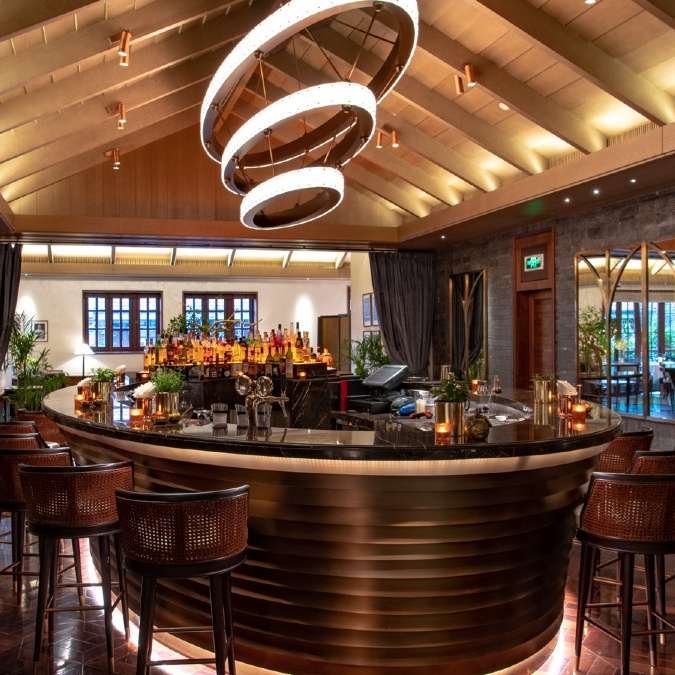
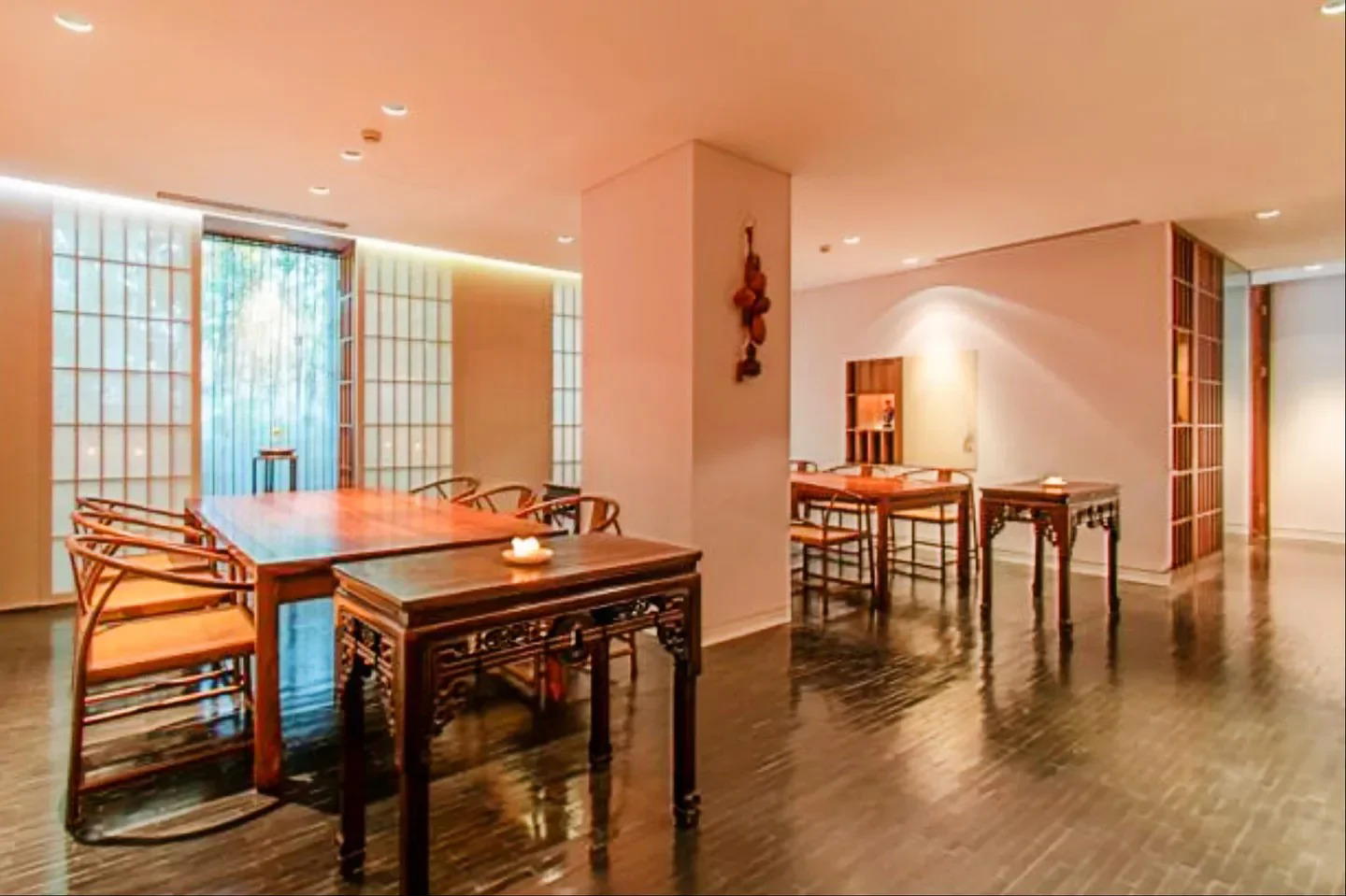
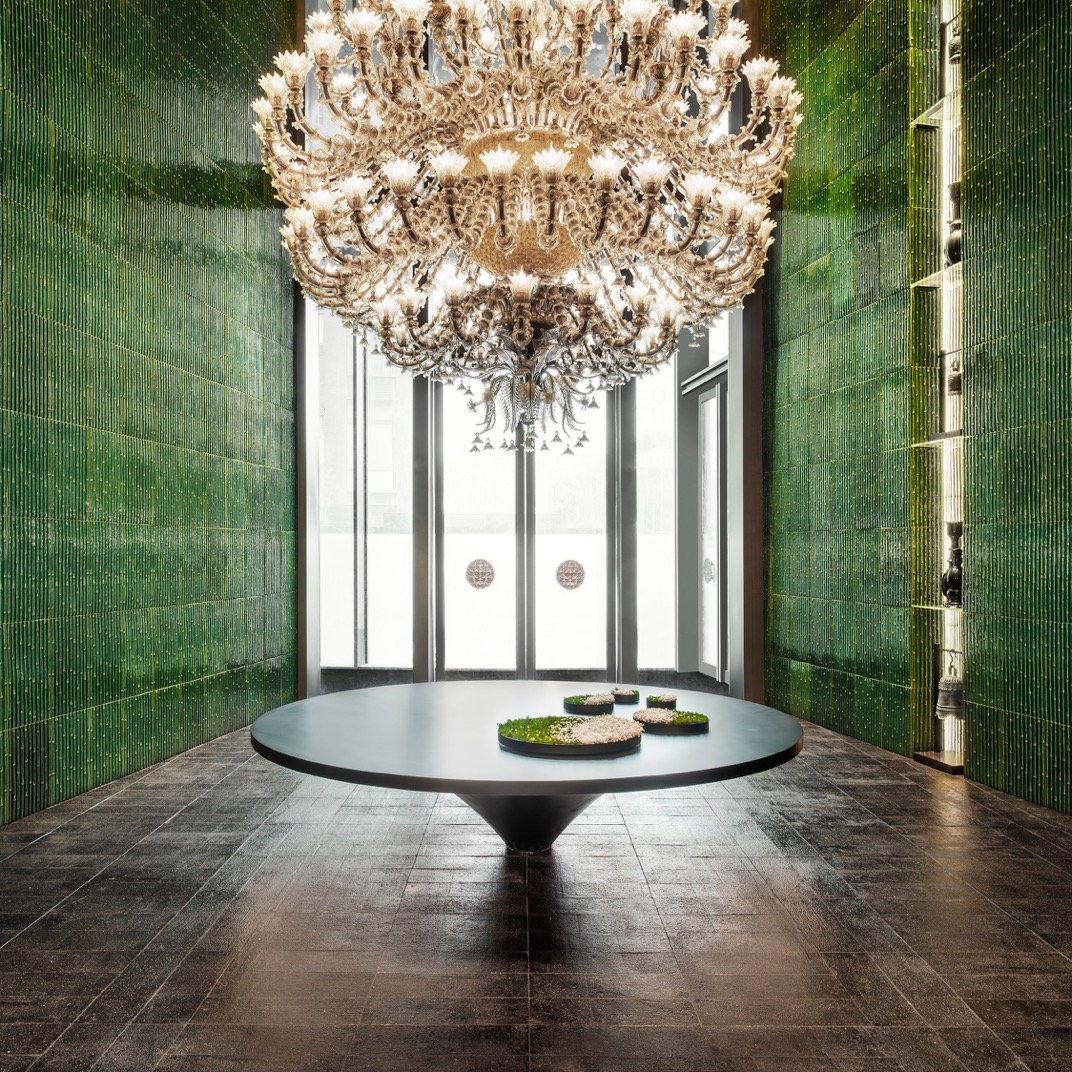
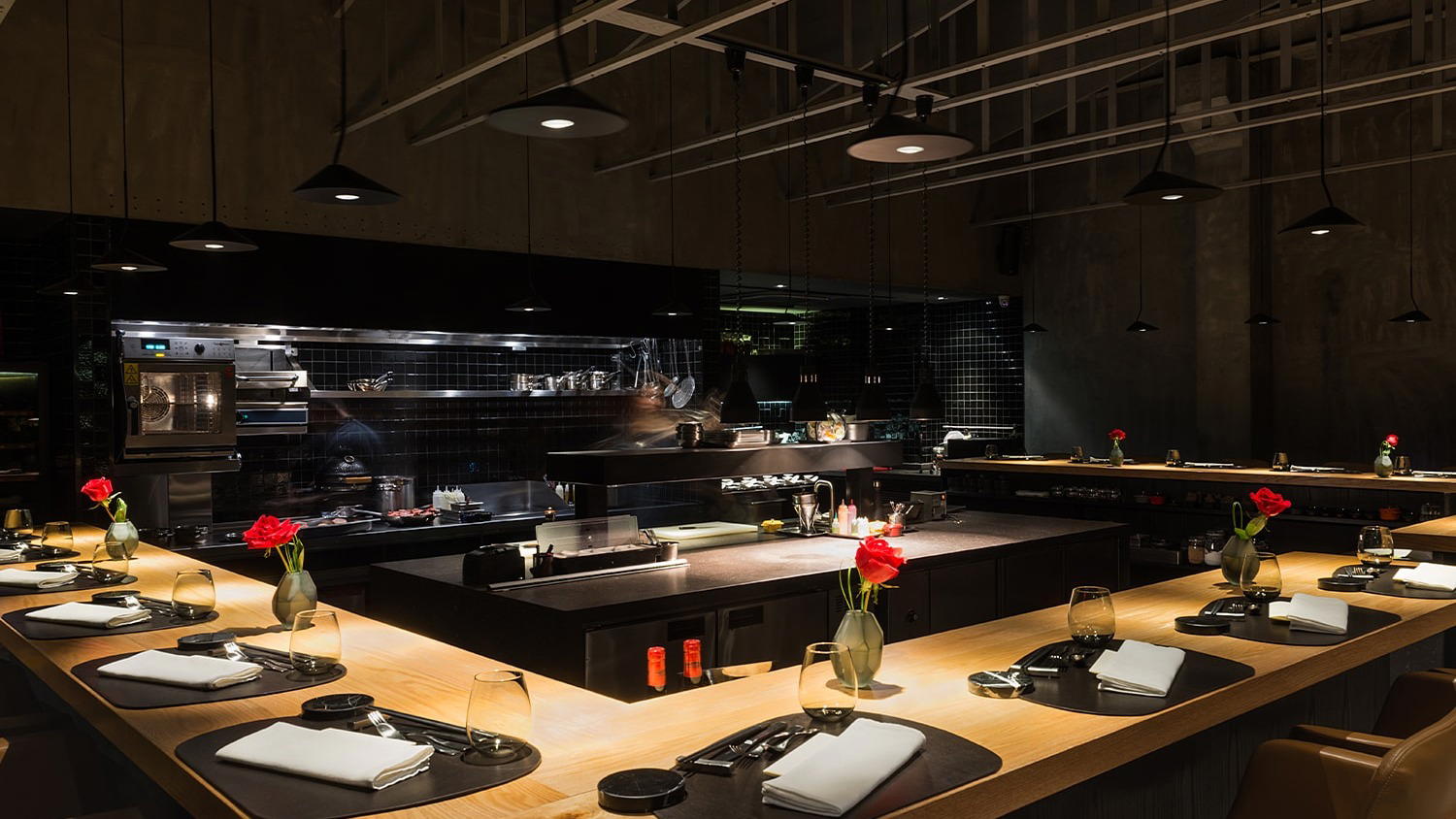
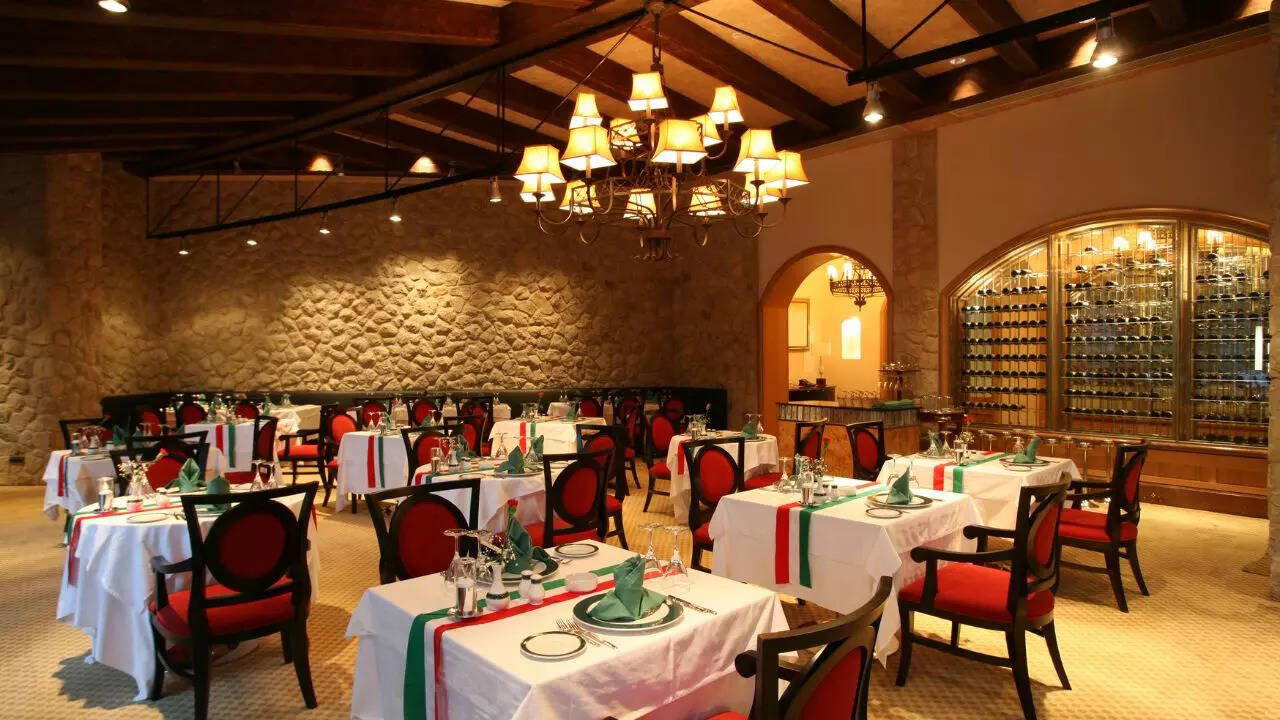
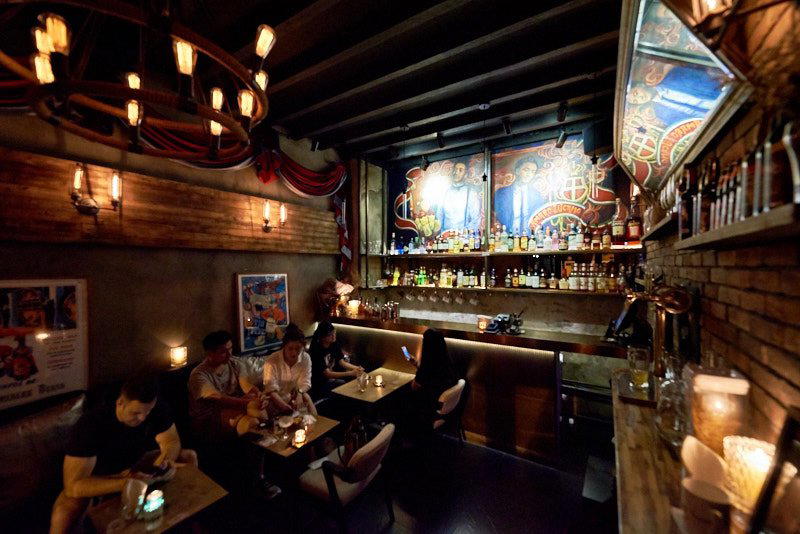
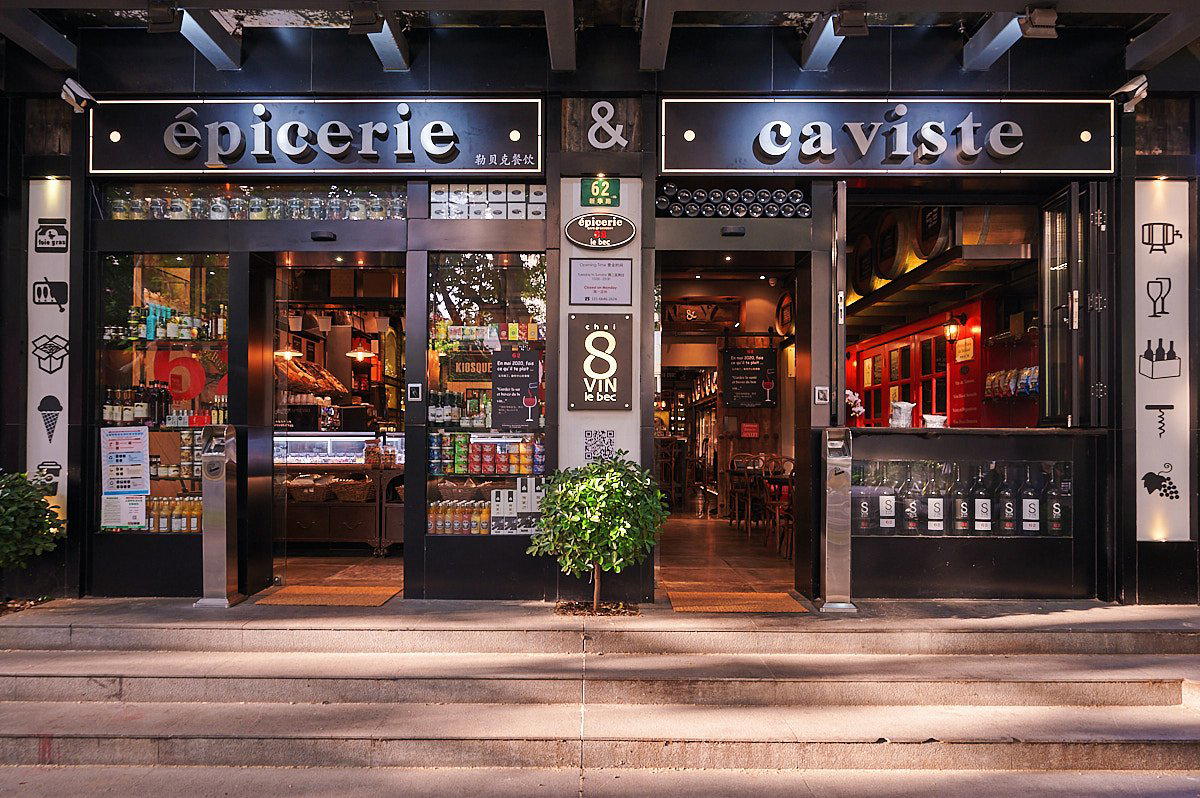
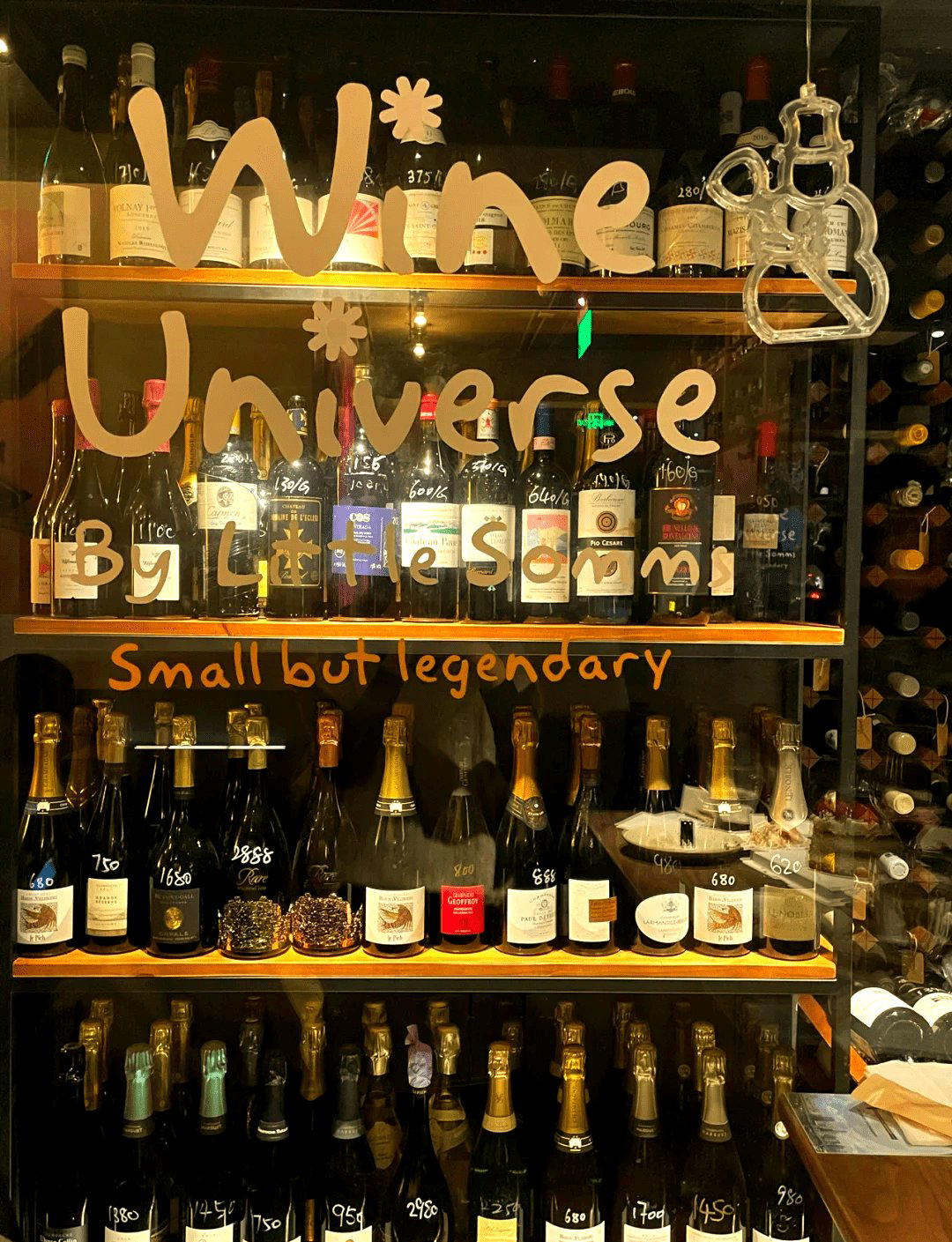
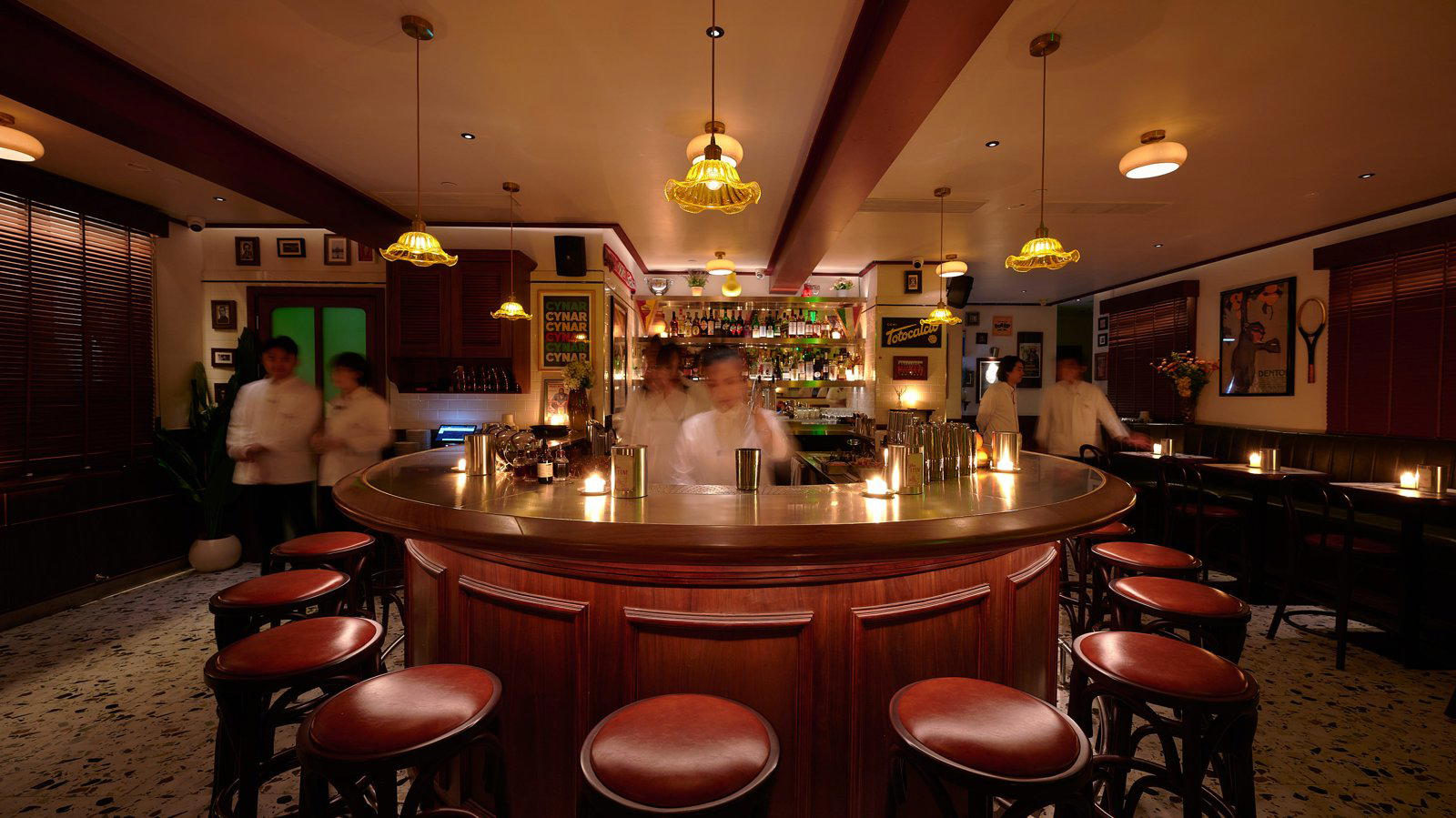
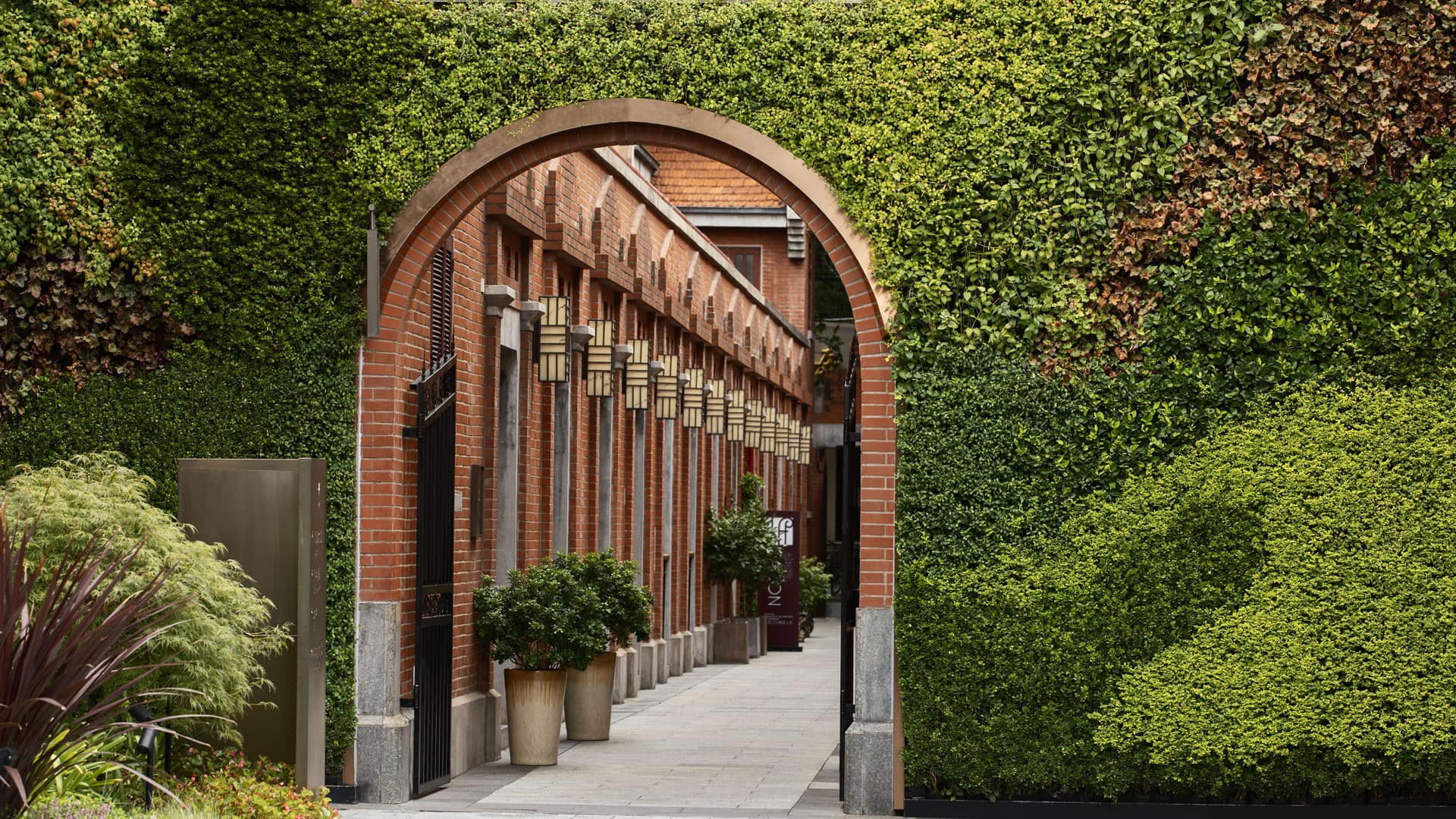
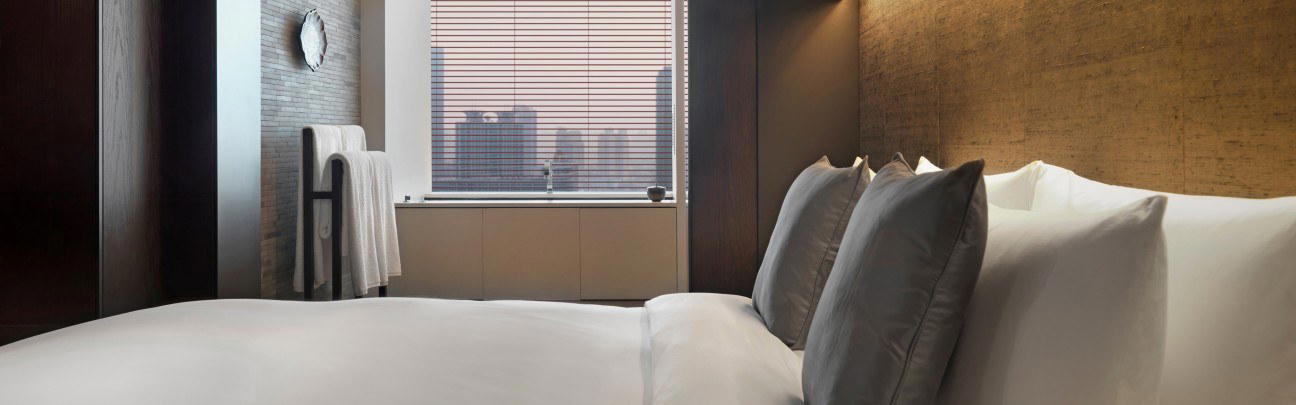
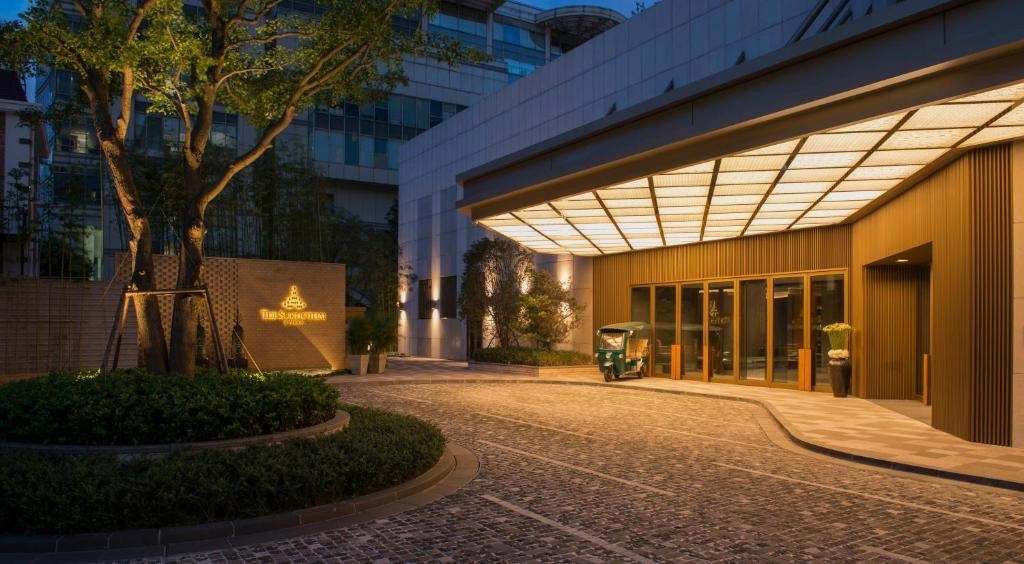
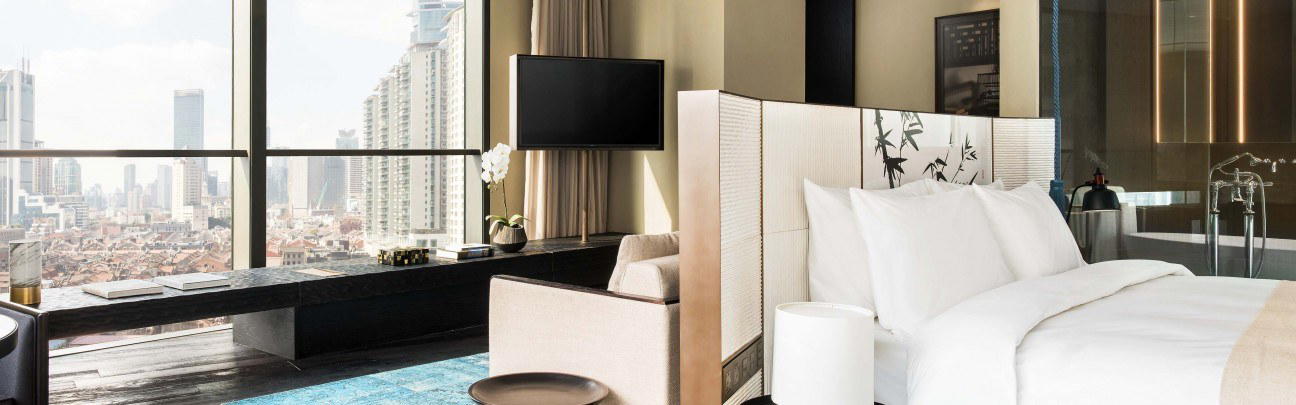
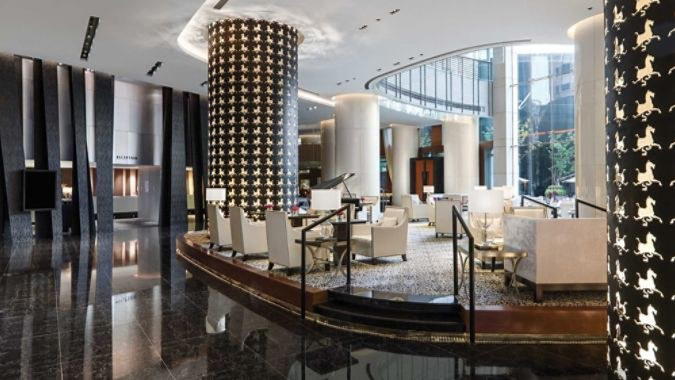
Warm, inviting atmosphere with tree-lined streets, outdoor cafes, European architectural influences, and natural lighting that creates a relaxed yet sophisticated environment.