Our verdict
Located on Hu'nan Road in Xuhui District, Malt Fun sits within one of Shanghai's most considered dining neighbourhoods, where lane-house settings and locally rooted concepts have carved out a distinct alternative to the city's high-gloss fine-dining corridor. The venue's name signals a focus on malt-driven drinking culture, placing it in a growing cohort of Shanghai addresses where beverage programming and kitchen output are developed as equals rather than in hierarchy.

Pearl is the En Primeur Club membership app, where members save venues, book tables and use the concierge.
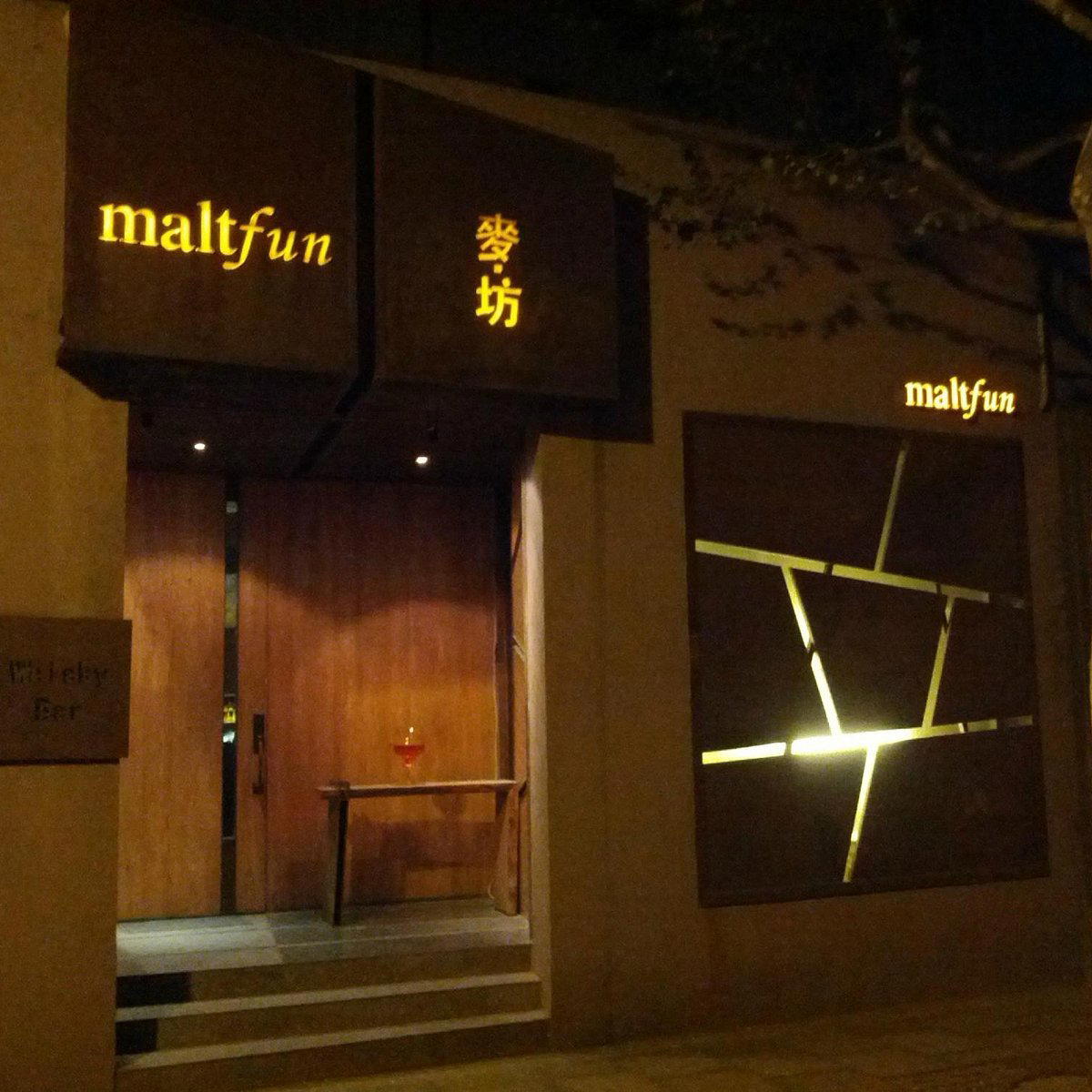
Hu'nan Road and the Xuhui Dining Shift
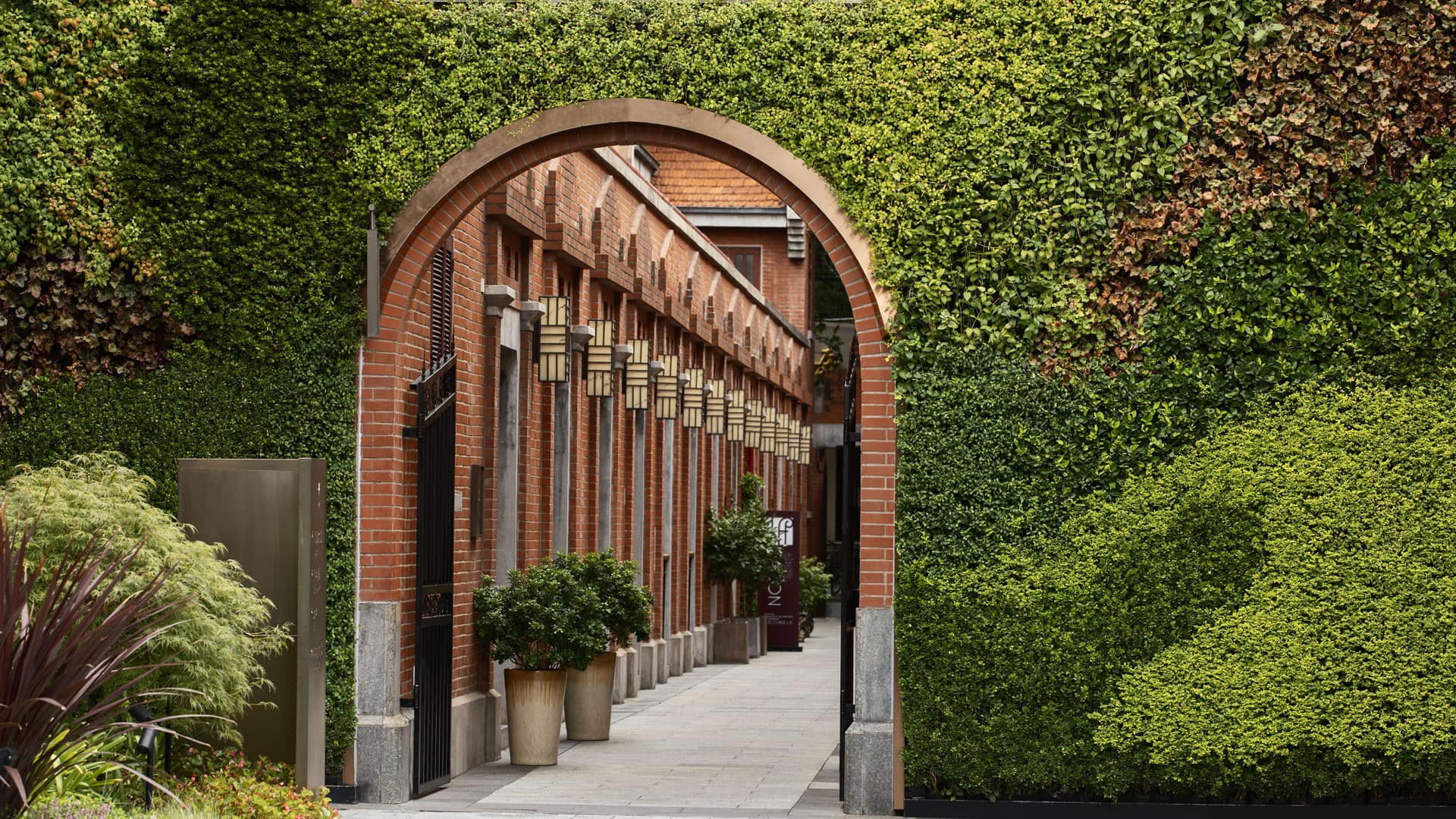
Xuhui District's dining character has changed more sharply over the past decade than almost anywhere else in Shanghai. The stretch around Hu'nan Road, where French Concession plane trees close the canopy over narrow lanes and converted shikumen architecture presses close to the pavement, has become a reliable address for concepts that resist the format of the city's hotel-anchored fine-dining corridor. Where Jing'an and the Bund have tended to reward scale and spectacle, this part of Xuhui rewards something closer to considered specificity: smaller rooms, tighter menus, and programming where the kitchen and the bar are built as a single system rather than separate departments.
Malt Fun, at 123 Hu'nan Road, positions itself within that pattern. The name is not incidental: it points directly toward malt-driven beverage culture, a category that in Shanghai has matured from novelty into a genuine point of culinary identity. The broader movement here mirrors what happened in cities like London and Copenhagen in the mid-2010s, where craft-focused beverage programs began generating the kind of critical conversation that wine lists had dominated for a generation. In Shanghai's current scene, that shift is still in motion, and the Xuhui pocket around Hu'nan Road has become one of its more concentrated addresses.
When Beverage and Kitchen Are Developed Together
The editorial angle that matters most for understanding venues like Malt Fun is not the chef's résumé or the sourcing story, it is the question of team architecture. In the tier of Shanghai restaurants where kitchen and front-of-house are developed as collaborative systems, the experience that reaches the guest reflects a set of decisions made jointly: how a dish is seasoned to pair with a specific ferment or grain-forward drink, how the pacing of service is calibrated to a tasting format, how the room is set up so that the person pouring and the person plating are communicating rather than operating in parallel.
This kind of integration is more common in cities where beverage culture has matured to the point that sommeliers or bar leads hold genuine programming authority, not just wine-list curation. In Shanghai, that moment has arrived unevenly. At the upper end of the market, venues like Taian Table have built reputations precisely on the depth of their overall program, where beverage pairing is treated as structural rather than supplementary. At the vegetarian end, Fu He Hui has demonstrated that a highly specific dietary framework can support serious beverage programming without concession. Malt Fun's name suggests it is making a comparable claim from a malt-culture starting point.
The Xuhui Setting and What It Signals
Address context is not a small detail for restaurants in this neighbourhood. Hu'nan Road sits within a grid of streets where the physical character of the built environment shapes how dining concepts are received. Lane-house conversions impose constraints, lower ceilings, compressed footprints, irregular room shapes, that tend to filter out operators who depend on theatrical scale. What they reward is programming depth and a certain precision in how space is used. A small room on Hu'nan Road asks more of the team than a large open-plan dining floor in a mixed-use tower, because there is nowhere to hide thinness of concept.
That filtering effect is part of why the neighbourhood has accumulated a concentration of venues where the team dynamic is the operating logic. When capacity is limited, each service requires the kitchen, the floor, and the bar to function as a coordinated unit. Guests notice when that coordination is absent in a way that they might not in a larger, noisier setting. The Xuhui addresses that have sustained attention over multiple years, and there are several, tend to share that operational tightness as a common characteristic.
Shanghai's Broader Drinking-and-Dining Culture
Shanghai is now one of the few cities in Asia where the conversation about serious drinking culture extends well beyond wine into fermented grains, craft beer, and spirits-led programming with genuine technical depth. That breadth makes it harder to categorise venues that foreground beverage identity, because the reference points are more varied than they would be in Tokyo's sake-oriented fine dining or Hong Kong's wine-heavy Cantonese formal dining tradition. At venues like 102 House, the commitment to Cantonese craft operates within a well-defined tradition. At 8½ Otto e Mezzo Bombana, European fine-dining convention anchors the beverage program to Italian wine logic. Malt Fun, by contrast, signals a different reference point entirely, one rooted in grain fermentation rather than vine.
That positioning places it in a smaller and more experimental cohort within the city. Comparable concepts in other cities have found that malt-culture beverage programs require as much guest education as they do product quality: the format is less familiar than wine service, and the vocabulary for discussing it across language and cultural context is still being established. In Shanghai, where food-and-drink media has become sophisticated enough to sustain serious coverage of relatively niche categories, that education curve is less steep than it would have been five years ago. The timing, in other words, is better.
For readers tracking similar concepts across the region, it is worth noting the parallel growth of considered beverage-kitchen integration at venues in other Chinese cities: Xin Rong Ji in Chengdu, Pingjiangsong in Suzhou, and Ru Yuan in Hangzhou each reflect, in different ways, the same regional shift toward programs where what is in the glass is as deliberate as what is on the plate. Internationally, the model has precedents in venues like Lazy Bear in San Francisco, where the collaborative team format is embedded structurally rather than left to individual initiative.
Planning a Visit
Malt Fun is located at 123 Hu'nan Road in Xuhui District, reachable from Jiashan Road or Changshu Road metro stations depending on your approach through the French Concession grid. Given the venue's positioning within a neighbourhood that rewards repeat visits rather than single-pass tourism, it is worth treating a first visit as orientation: arrive early enough in service to get a sense of how the room operates before it fills, and be specific with your questions about the beverage program, since that is clearly the structural anchor of the concept. For a broader orientation to where Malt Fun sits within Shanghai's dining geography, our full Shanghai restaurants guide maps the city's key neighbourhoods and venue tiers in detail.
Readers planning a wider circuit through the region may also find value in comparing notes with the Macau end of the fine-dining spectrum: Chef Tam's Seasons represents a different register of team-driven ambition, as does Imperial Treasure Fine Chinese Cuisine in Guangzhou within the Cantonese formal tradition. For those extending through the Yangtze Delta, Dai Yuet Heen in Nanjing and Shang Palace in Yangzhou anchor the regional map at the more established end, while Fleurs Et Festin in Xiamen and Wenru No.9 in Fuzhou suggest how the integration of beverage and kitchen is developing in smaller coastal cities. And for those cross-referencing with Beijing's version of the same tension between regional tradition and progressive format, Xin Rong Ji on Xinyuan South Road offers a useful data point.
Frequently asked questions
Where do I go for Malt Fun?
Malt Fun is located at 123 Hu'nan Rd, Xuhui District, Shanghai, China, 200031, Shanghai.
What kind of drinks focus does Malt Fun have, and how does that compare to other Shanghai bars?
Malt Fun's name and its Xuhui positioning point toward a grain-focused drinks program at a moment when Shanghai is one of the few Asian cities where fermented grain culture, beyond wine and spirits, has developed a serious editorial following. Unlike wine bars or cocktail-forward venues that dominate parts of the Former French Concession, a malt-oriented concept occupies a more specific niche in the city's drinking culture. For context, the venue is located at 123 Hu'nan Road in Shanghai's Xuhui District.
What do regulars order at Malt Fun?
What the Xuhui address and the venue's grain-forward concept suggest is that the drinks program anchors the visit, with food developed in relation to it rather than independently. Asking the floor staff directly will get you the most current answer.
How far ahead should I plan for Malt Fun?
Hu'nan Road venues in Xuhui with a focused concept and a small footprint tend to fill quickly on weekends, so contacting the venue directly before your trip is the practical approach.
What makes Malt Fun worth seeking out?
Malt Fun sits on Hu'nan Road in Xuhui, a stretch of Shanghai where the physical character of the streets, low-rise shikumen blocks, plane tree canopy, shapes the atmosphere of the venues along it more than signage or interior design does. The concept appears to treat the drinks program as the primary editorial voice and the kitchen as its counterpart, which is a less common structural choice in Shanghai than a chef-first model. That integration is the reason to go.
Is Malt Fun good for vegetarians?
Given the grain and fermentation focus that the name and concept signal, a drinks-led visit is well-supported regardless of dietary preference. Confirm kitchen options directly with the venue before booking.
Is a meal at Malt Fun worth the investment?
No pricing data is publicly confirmed for Malt Fun at 123 Hu'nan Road, Xuhui. Shanghai's drinks-led dining venues in this neighbourhood sit across a wide range depending on format and pour size, so value is best assessed once you have confirmed current pricing with the venue. The Xuhui setting and the integrated beverage-kitchen concept are the factors most likely to determine whether the experience fits your expectations.
Cost Snapshot
| Venue | Cuisine | Price | Awards | Notes |
|---|---|---|---|---|
| Malt FunThis venue (the venue you are viewing) | Whisky Bar | $50–100 | Not listed | Not listed |
| Fu He Hui | Modern Seasonal Vegetarian Fine Dining | $200–300 | 2 Michelin Stars · World's 50 Best #11 | Vegetarian |
| Ming Court | Cantonese with Shanghainese Influences | $30–50 | 1 Michelin Star · Black Pearl 1 Diamond | Cantonese |
| Polux | French Bistro | $30–50 | Michelin Bib Gourmand | French |
| Royal China Club | Cantonese Dim Sum | $100–150 | Michelin Plate · The Good Food Guide GFG Good | Chinese, Cantonese |
| Scarpetta | Refined Italian Pasta & Pizza | $50–100 | Michelin Plate · Wine Spectator Best of Award of Excellence | Italian |
Continue exploring
More in Shanghai
Restaurants in Shanghai
All restaurants in Shanghai →
Bars in Shanghai
All bars in Shanghai →
Details
- Trendy
- Sophisticated
- Cozy
- Date Night
- After Work
- Private Dining
- Extensive Wine List
- A La Carte
- Whisky
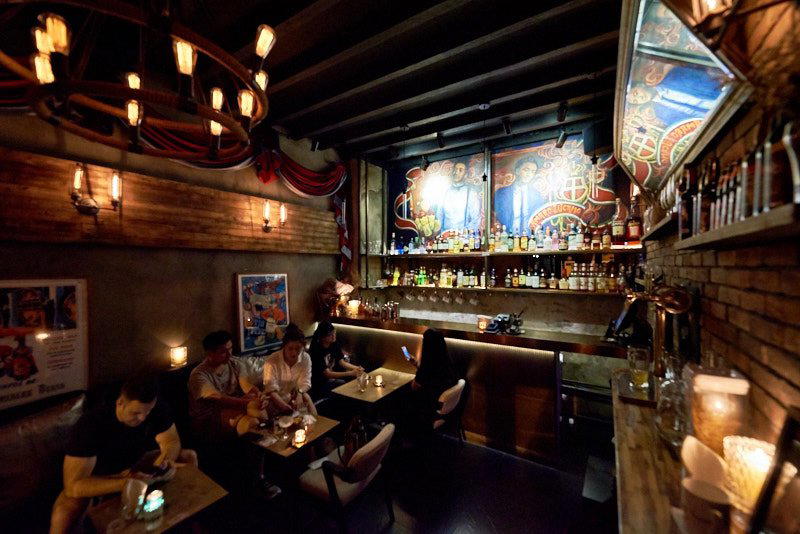
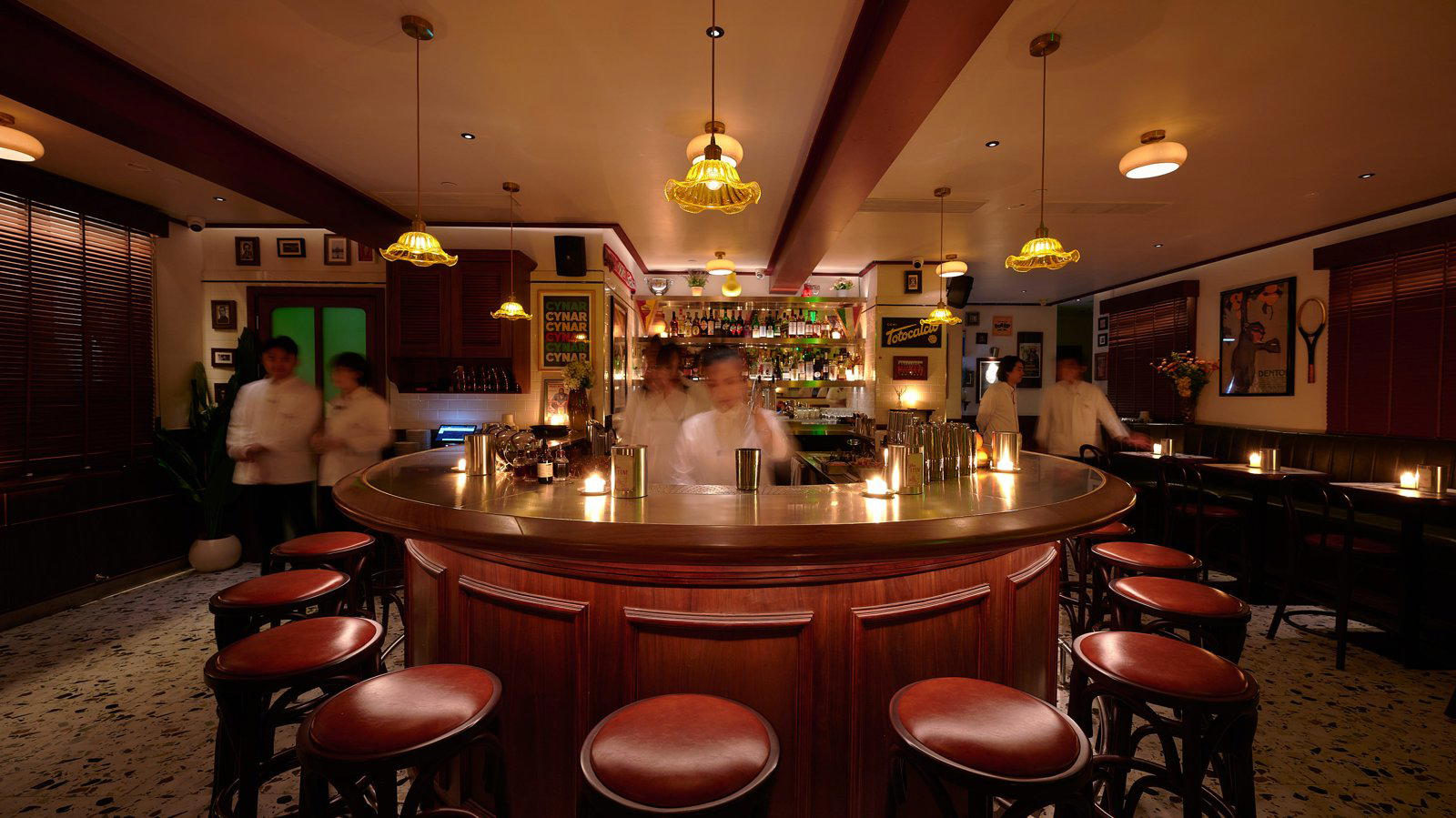
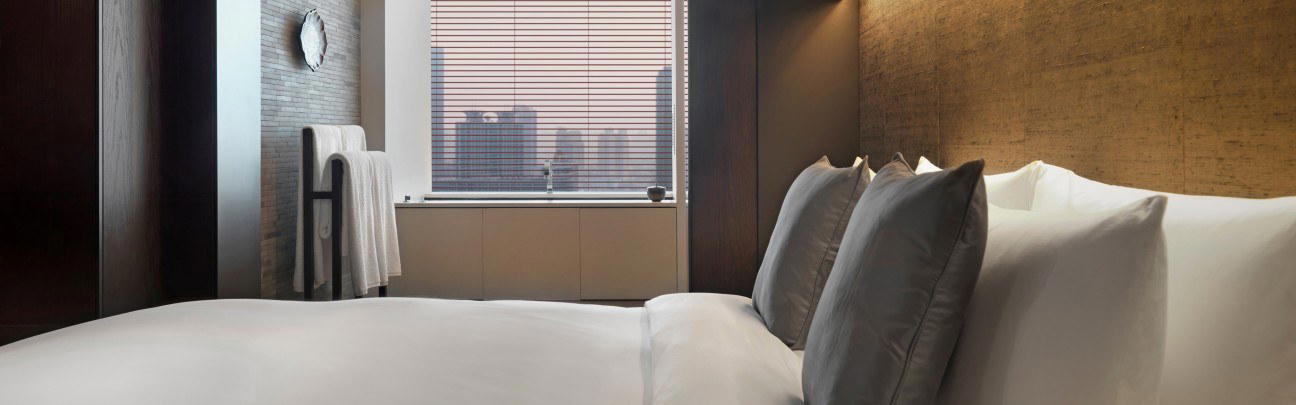
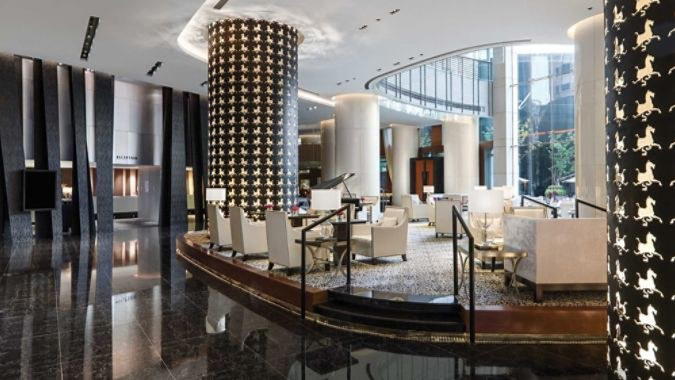
Low-lit, snazzy interior that is relatively quiet, spacious with VIP private rooms.