San Benedetto
San Benedetto sits on Via Andronalecca in the walled town of Montagnana, one of the Veneto's most intact medieval centres. The restaurant draws on the agricultural produce of the Po Plain and the cured-meat traditions that have made this corner of Padua province a reference point for Italian salumi culture. For travellers making the detour into the Eastern Veneto interior, it represents a grounded, locally anchored option in a town with few dining alternatives.
Pearl is the En Primeur Club membership app — saves, bookings, and concierge access live there. Same editors, same standards.
- Address
- Via Andronalecca, 13, 35044 Montagnana PD, Italy
- Phone
- +39429800999
- Website
- hostariasanbenedetto.it
- Directions
- Get directions
 Saves & bookings on Pearl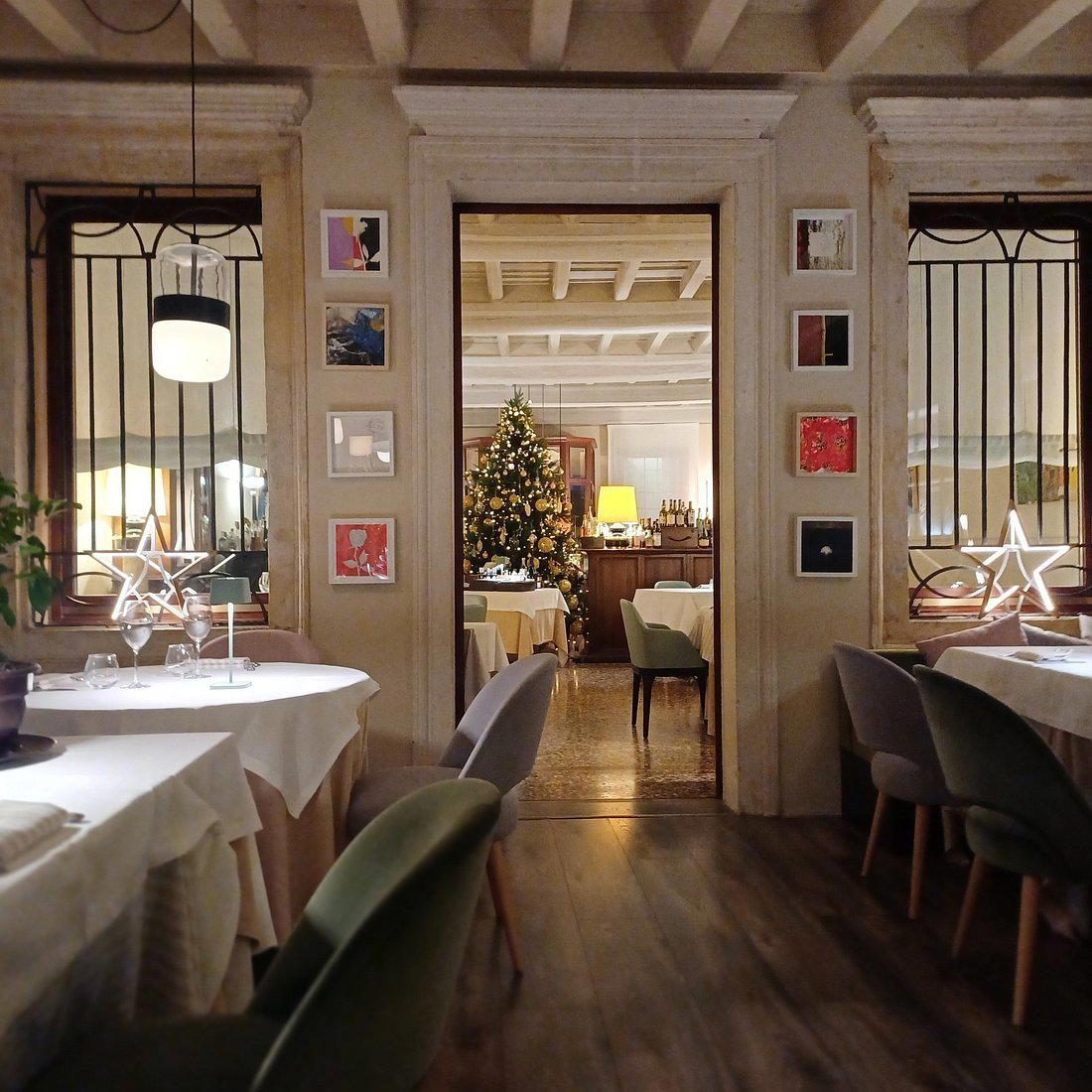
Montagnana and the Table It Sets
Few towns in the Veneto wear their medieval fabric as completely as Montagnana. The fourteenth-century walls encircle the entire historic centre, and the quiet within them is the kind that belongs to places still oriented around local life rather than tourism infrastructure. San Benedetto is a traditional Veneto Italian restaurant at Via Andronalecca, 13, 35044 Montagnana PD, Italy. Arriving on Via Andronalecca, where San Benedetto occupies its address at number 13, the street gives no particular drama, which is, in its own way, the point. Restaurants in towns like this one do not compete on theatre or design statements. They compete on the quality of what they put on the table and how faithfully it reflects the territory around them.
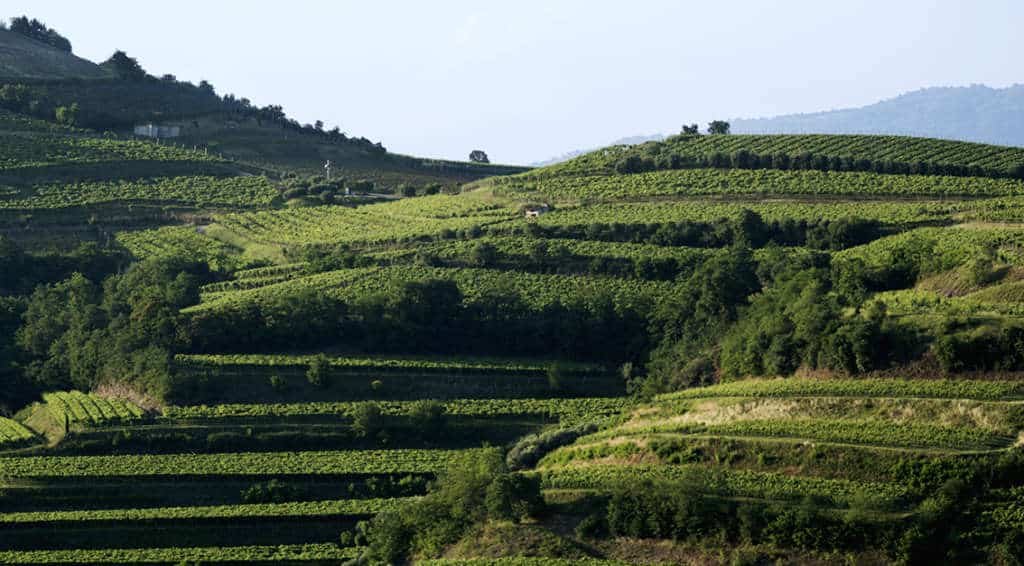
That territory matters enormously. Montagnana sits in the southern Padua plain, close enough to the Po delta to feel the agricultural weight of the broader river basin. The area is most widely known for its prosciutto crudo di Montagnana, a cured ham with Protected Geographical Indication status that places it in the same category of regulated regional products as Prosciutto di Parma or San Daniele. The provenance of cured meats here is not a marketing concept; it is embedded in local law and centuries of practice. Any kitchen working in this town operates in the shadow of that tradition and, ideally, in direct relationship with it.
Ingredient Provenance as a Structural Argument
The eastern Veneto interior, stretching from Padua south toward the Euganean Hills and the Po Plain, is one of the more quietly productive agricultural zones in northern Italy. Alongside the prosciutto, the region supplies white asparagus from Bassano del Grappa to the north, Vialone Nano rice from the Veronese lowlands to the west, and a range of freshwater fish from the waterways that thread the plain. Kitchens that take ingredient sourcing seriously in this part of Italy are working with a dense, specific larder rather than a generic Italian one.
This is what separates ingredient-led restaurants in smaller Veneto towns from their counterparts in the major cities. A kitchen in Venice or Verona can draw on the same regional produce, but the social and economic distance between chef and supplier tends to be greater. In Montagnana, the supply chain for cured meats, for local cheese, for seasonal vegetables from the market garden holdings around the walls, is short in every sense. The argument for eating in places like San Benedetto is precisely that argument: proximity to source, reduction in intermediaries, and the kind of cooking that follows logically from knowing what arrived this morning.
For comparison, particularly formally celebrated kitchens in northern Italy, including Le Calandre in Rubano and Dal Pescatore in Runate, have built multi-decade reputations around exactly this principle of territorial fidelity, even at the leading price tier. The difference in Montagnana is one of register, not philosophy.
Where San Benedetto Sits in the Local Picture
Montagnana's dining scene is limited by design as much as circumstance. A walled medieval town of this scale does not generate the restaurant density of a provincial capital, which means the options that do exist carry more weight for the traveller who has made the journey. Aldo Moro, the other name that comes up consistently in the town, provides one point of comparison. Between the two, the restaurant on Via Andronalecca represents the neighbourhood's quieter, more residential end of the dining proposition.
Within the broader Veneto context, the reference points shift. Casa Perbellini 12 Apostoli in Verona sits at the formal, technically ambitious end of the regional register, while the restaurant operates closer to the trattoria tradition that has always been the backbone of Veneto hospitality. This is not a criticism. Italy's restaurant culture has historically been held together by the latter category, and the country's most interesting culinary conversations often happen at this level rather than at the tier occupied by Osteria Francescana in Modena or Enoteca Pinchiorri in Florence.
The restaurants that have raised the profile of Italian regional cooking internationally, places like Piazza Duomo in Alba, Uliassi in Senigallia, or Reale in Castel di Sangro, all began from a position of deep rootedness in their respective territories. The philosophical starting point, even at the more modest end of the spectrum, is the same: the ingredient defines the dish, and the place defines the ingredient.
Planning a Visit
Montagnana is accessible by train from Padua, which lies approximately 50 kilometres to the northeast, with connections also from Verona via Legnago. The town makes logical sense as a day trip from Padua or as a stop on a wider eastern Veneto circuit that might include Este, the Euganean Hills, or the thermal spa towns of Abano and Montegrotto. Via Andronalecca is within walking distance of the main Piazza Vittorio Emanuele II and the cathedral of Santa Maria Assunta, so combining a visit to the restaurant with a walk along the walls and through the town centre requires no particular logistical effort.
Travellers who find the trattoria register of Montagnana too far from the formal end of Italian dining should note that the northern Italian fine-dining circuit is well-served by venues within a two-hour drive: Da Vittorio in Brusaporto, Villa Crespi in Orta San Giulio, and Atelier Moessmer Norbert Niederkofler in Brunico all represent different interpretations of Italian territory at the highest formal tier. For those whose reference points are more international, Le Bernardin in New York City and Atomix in New York City illustrate how the ingredient-sourcing argument has travelled well beyond European borders. And Enrico Bartolini in Milan and Quattro Passi in Marina del Cantone round out the range of Italian creative kitchens operating at the formal end of the market.
The case for the restaurant does not rest on formal credentials. It rests on place: a specific walled town, a specific agricultural plain, and a specific tradition of cured-meat production that gives the surrounding table its clearest identity. That is enough of a reason to visit, if the itinerary allows for it.
Fast Comparison
Comparable venues nearby, for context on price, style, and recognition.
| Venue | Cuisine | Price | Notes |
|---|---|---|---|
| San BenedettoThis venue — the venue you are viewing | Traditional Veneto Italian | $$$ | Not listed |
| Aldo Moro | Modern Venetian Italian | $$$ | historic center |
| Sull’Albero Trattoria | Tuscan Trattoria | $$$ | Chiusdino |
| Antica Trattoria Belletti | Traditional Emilian Trattoria | $$$ | Montepastore |
| La Porta d'Acqua | Venetian Seafood | $$$ | San Polo |
| Da Biasio | Modern Italian Seafood with Veneto Traditions | $$$ | Monte Berico |
Continue exploring
More in Montagnana
Restaurants in Montagnana
Browse all →
Bars in Montagnana
Browse all →
Hotels in Montagnana
Browse all →
At a Glance
- Elegant
- Classic
- Rustic
- Special Occasion
- Date Night
- Historic Building
- Local Sourcing
- Garden
Current opening hours
- Monday
- 12–2 PM, 8–10 PM
- Tuesday
- Closed
- Wednesday
- Closed
- Thursday
- 12–2 PM, 8–10 PM
- Friday
- 12–2 PM, 8–10 PM
- Saturday
- 12–2 PM, 8–10 PM
- Sunday
- 12–2 PM, 8–10 PM
Hours can change for holidays and private events. Last verified .
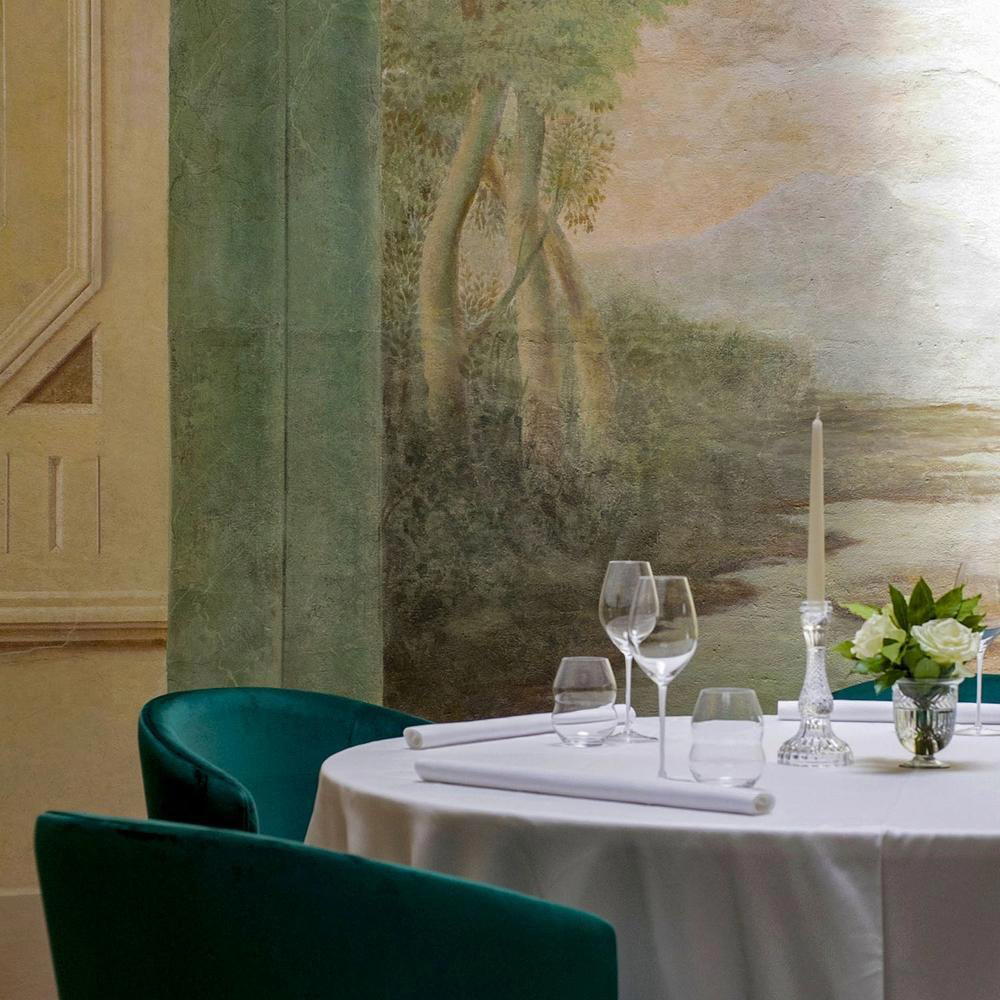
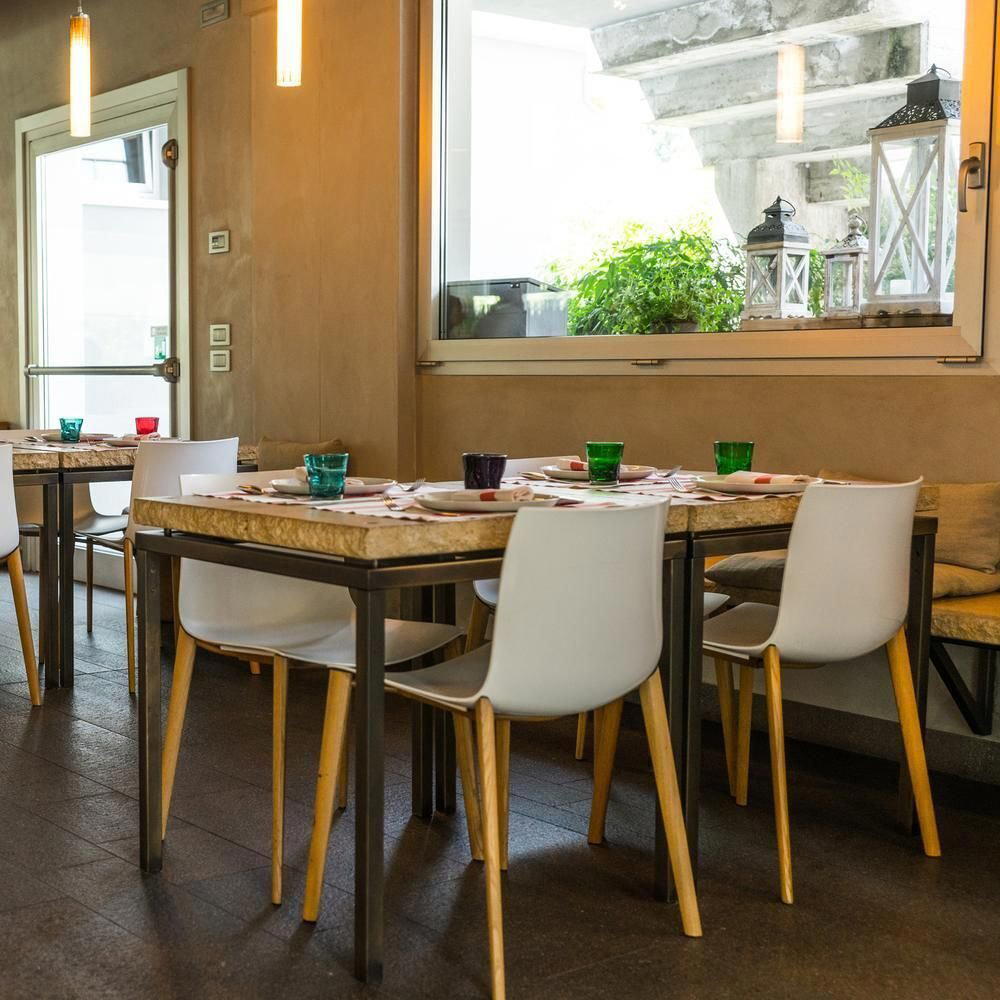
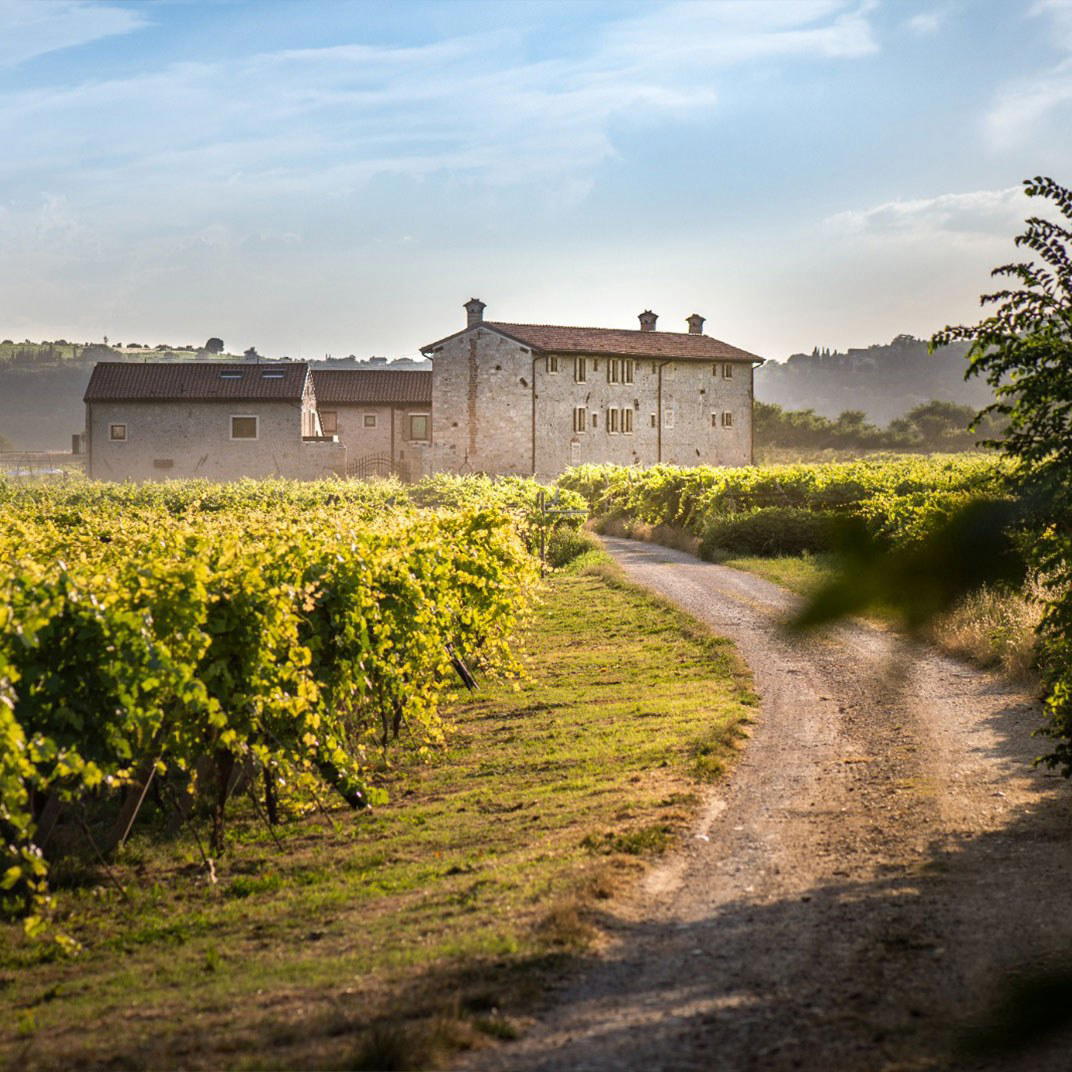
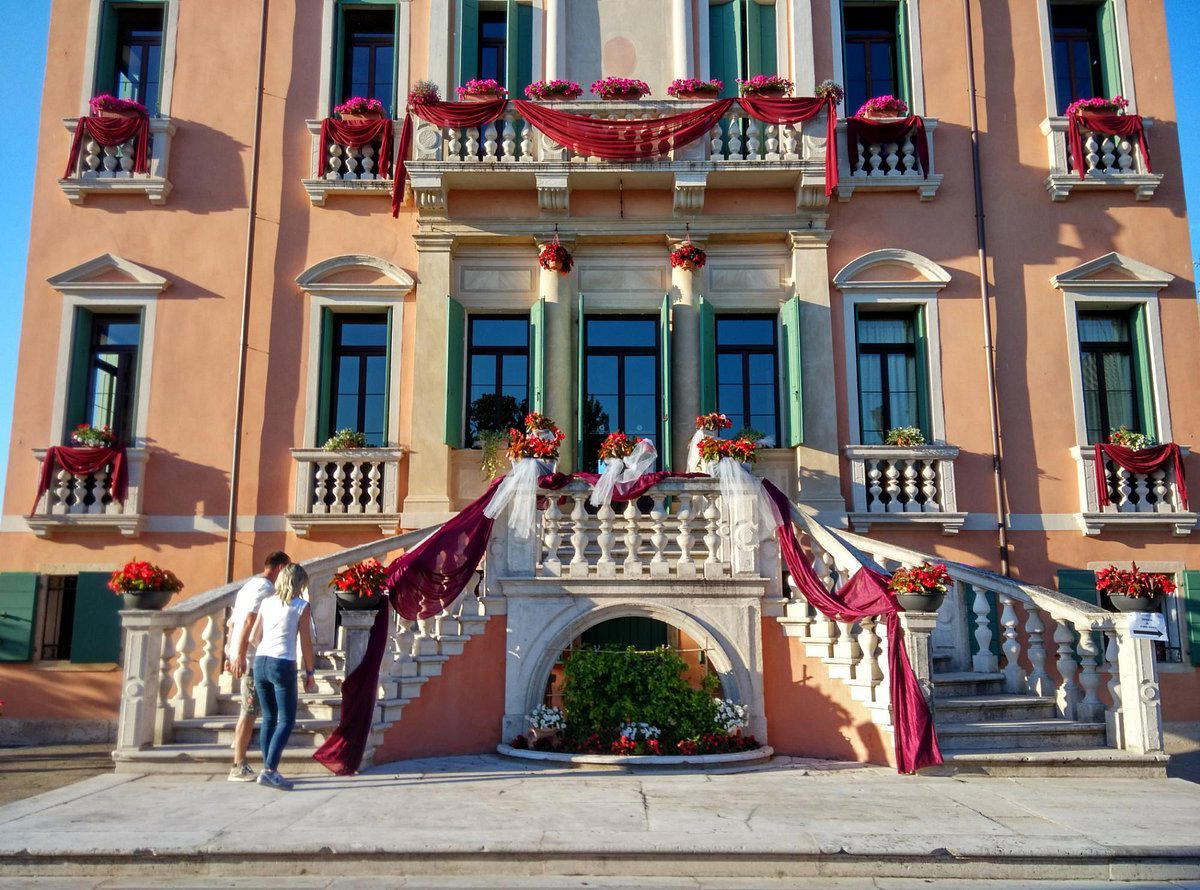
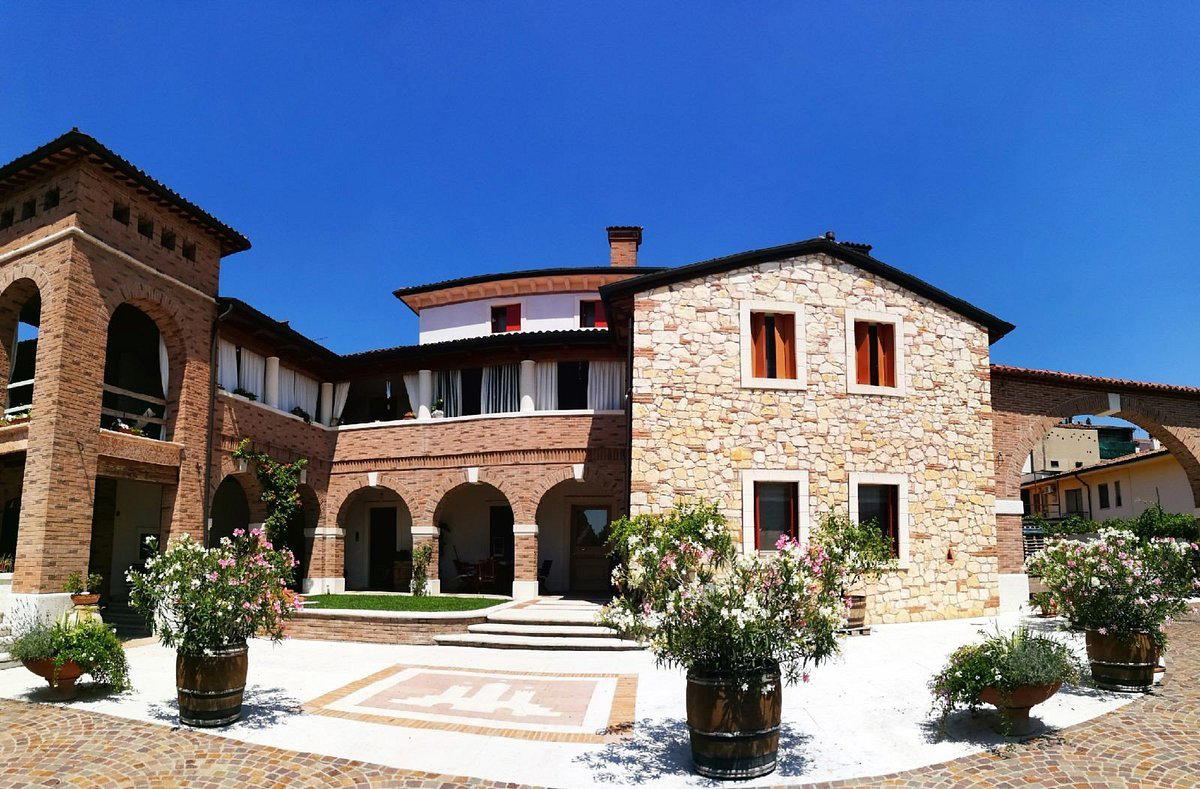
Chic and elegant atmosphere blending medieval charm with fine dining sophistication in a space with an interior garden.