Osteria Perbacco sits along Via Moglianese in Scorzè, a Veneto town that sits between Venice and Treviso and carries a quietly serious dining culture. The osteria format here places it in a tradition that prioritises regional cooking over spectacle, making it a reference point for the kind of unpretentious Italian table that larger cities have largely priced out of existence.
Pearl is the En Primeur Club membership app — saves, bookings, and concierge access live there. Same editors, same standards.
- Address
- Via Moglianese, 37, 30037 Scorzè VE, Italy
- Phone
- +39415840991
- Website
- ristoranteperbaccoscorze.it
- Directions
- Get directions
 Saves & bookings on Pearl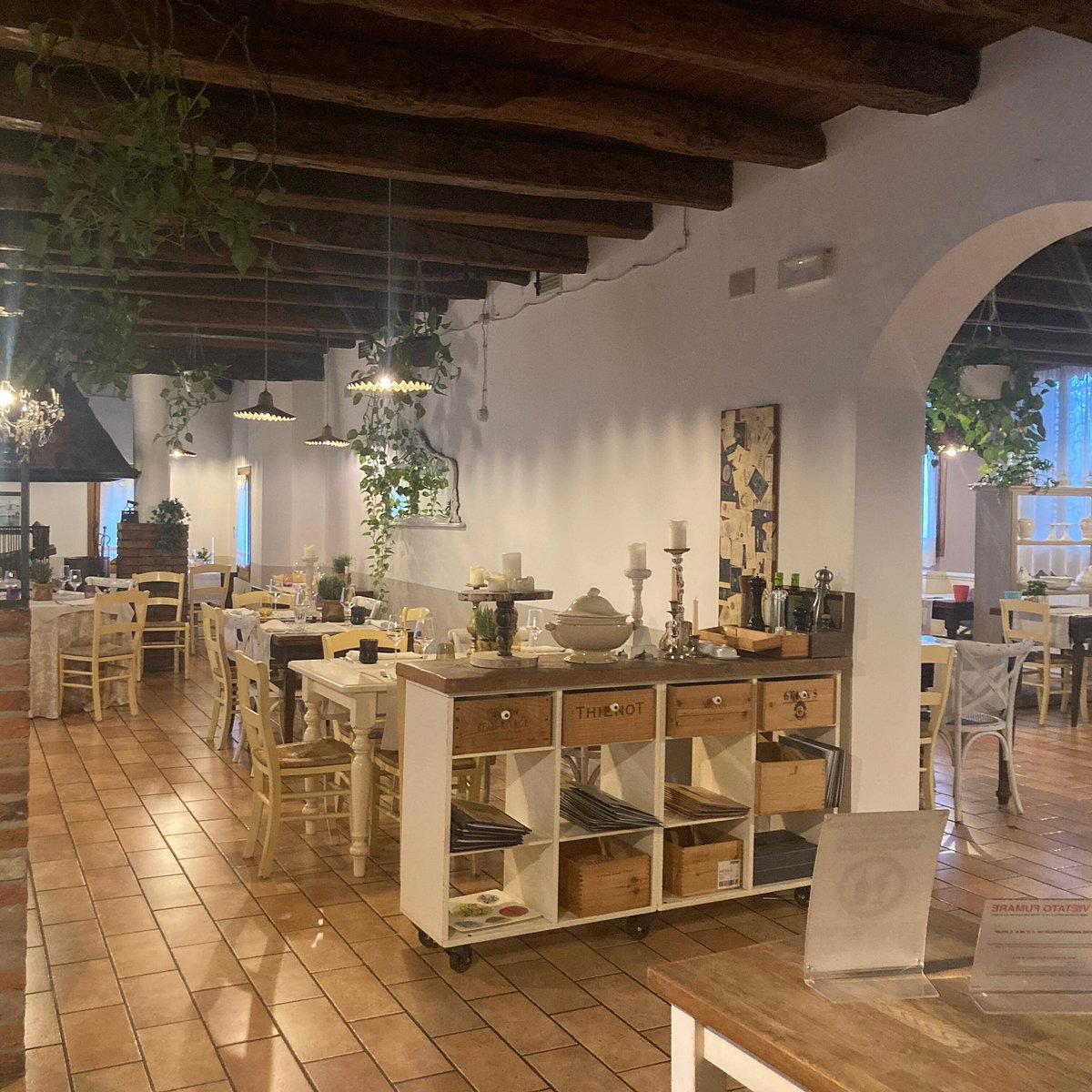
The Veneto Osteria Tradition, and Where Scorzè Fits Into It
The word osteria carries more historical weight than its casual usage suggests. For centuries across northern Italy, the osteria functioned as a civic institution, part tavern, part neighbourhood kitchen, where the cooking was rooted in what the surrounding land produced and the wine came from the region, not a curated international list. The form has been diluted in many Italian cities, co-opted by tourism into something that looks like tradition but performs it rather than practises it. In the Veneto hinterland, particularly in towns like Scorzè that sit between Venice and Treviso without anchoring to either, the osteria format has retained more structural honesty. Osteria Perbacco, at Via Moglianese 37 in Scorzè, occupies that context directly.
Scorzè itself is not a dining destination that draws visitors from outside the region for its own sake. That relative anonymity is partly why its better tables operate under different pressures than those in, say, Verona or Padua. There is no captive tourist appetite to satisfy, which tends to push kitchens toward the preferences of a returning local clientele, a condition that historically correlates with more consistent, regionally grounded cooking. Osteria Perbacco sits within that dynamic, alongside a small cluster of independent restaurants that together define what eating in Scorzè actually means. For a fuller picture of those options, the full Scorzè restaurants guide maps the relevant choices across format and price.
Regional Cooking as a Discipline, Not a Category
Veneto cuisine is frequently misread from the outside as simple peasant food, polenta, risotto, baccalà, when it is more accurately understood as a cooking tradition with a highly specific grammar. The restraint is deliberate. Ingredients like Radicchio di Treviso, white asparagus from Bassano del Grappa, and locally sourced freshwater fish carry enough intrinsic character that heavy technique tends to obscure rather than improve them. The leading Veneto osterie understand this instinctively and build their menus around it.
This places osterie like Perbacco in a distinct position relative to the region's tasting-menu restaurants. Venues like Le Calandre in Rubano, which operates at three Michelin stars, and Casa Perbellini 12 Apostoli in Verona represent the formal, technically ambitious end of northeast Italian dining. Osteria Perbacco operates in a different register, not a lesser one, but a register where the measure of quality is fidelity to the product and the tradition rather than invention or spectacle. These are fundamentally different projects and should be evaluated as such.
The same distinction applies nationally. Italy's highest-profile addresses, Osteria Francescana in Modena, Piazza Duomo in Alba, Enoteca Pinchiorri in Florence, each operate within formal fine-dining frameworks that demand significant investment from the diner in time, money, and appetite for ceremony. Neighbourhood osterie serve a different function in the ecosystem, and that function is not subordinate; it is necessary.
Scorzè's Dining comparable set
Within Scorzè, the restaurant sits alongside two other independently operating addresses worth understanding as a group. I Savi anchors the seafood tier at the €€ price point, drawing on the proximity to the Venetian lagoon and the broader Adriatic supply chain that defines coastal Veneto cooking. San Martino operates in modern cuisine at €€€, which places it at the more ambitious technical end of what Scorzè currently offers. Instabile rounds out a small but coherent local scene that, taken together, punches above what the town's size would ordinarily suggest.
This kind of concentrated independent dining in a non-tourist town is a pattern visible elsewhere in northern Italy, particularly in the Veneto and Lombardy, where manufacturing and agricultural prosperity historically supported a culture of serious local eating. The parallel in the wider Italian context is instructive: venues like Dal Pescatore in Runate and Da Vittorio in Brusaporto both built their reputations in small towns far from major cities, sustained by local loyalty before any external recognition arrived.
The Osteria Format in Context
Across Italian dining, the osteria occupies a specific cultural position that neither trattoria nor ristorante quite captures. The trattoria implies something more domestic and less curated; the ristorante carries formal service expectations that shift the social dynamic of the meal. The osteria historically sits between them, relaxed in atmosphere but serious about food and wine, with a menu that reflects seasonal and regional logic rather than a fixed international template.
That format has proved durable in part because it is difficult to replicate without genuine regional embeddedness. The leading international Italian restaurants, Le Bernardin in New York operates in a completely different register, but even more Italy-adjacent formats like Atomix demonstrate how thoroughly fine dining is a global conversation, cannot replicate what an osteria in the Veneto produces simply because the supply chains, the producers, and the generational cooking knowledge are geographically fixed. This is one reason why the format retains value that is hard to quantify by award systems calibrated for technical innovation.
Italy's three-starred addresses, including Atelier Moessmer Norbert Niederkofler in Brunico, Uliassi in Senigallia, Reale in Castel di Sangro, and Quattro Passi in Marina del Cantone, represent the formal tier where technique, progression, and concept are the primary language. Enrico Bartolini in Milan adds an urban dimension to that cohort. The osteria operates in a tradition that predates and in many ways underwrites all of it.
Planning a Visit
Scorzè sits roughly 20 kilometres northwest of Venice, accessible by regional road and within reasonable driving distance of both Venice Marco Polo Airport and Treviso Airport. For visitors combining a Veneto itinerary with a Venice stay, Scorzè makes for a half-day or evening excursion without the logistical overhead of the city itself. The restaurant is recommended for reservations. Hours run Monday, Tuesday, Wednesday, and Friday from 7:30 to 11:30 PM; Saturday from 12:30 to 2:30 PM and 7:30 PM to midnight; and Sunday from 12:30 to 2:30 PM. It is closed Thursday.
Price and Positioning
Comparable venues nearby, for context on price, style, and recognition.
| Venue | Cuisine | Price | Awards | Notes |
|---|---|---|---|---|
| Osteria PerbaccoThis venue — the venue you are viewing | Scorze, Modern Venetian Italian | $$$ | Not listed | Not listed |
| Instabile | Not listed | $$ | Not listed | Scorze, Gourmet Sourdough Pizza & Italian |
| I Savi | Not listed | $$ | Michelin Plate | Peseggia, Scorzè, Traditional Venetian Seafood |
| San Martino | Seafood | $$$ | Michelin 1 Star | Not listed |
| Osteria Bancogiro | San Polo, Modern Venetian Osteria | $$$ | Not listed | Not listed |
| Al Bosco | Not listed | $$$ | Not listed | Montegrotto Terme, Modern Venetian Trattoria |
Continue exploring
More in Scorzè
Restaurants in Scorzè
Browse all →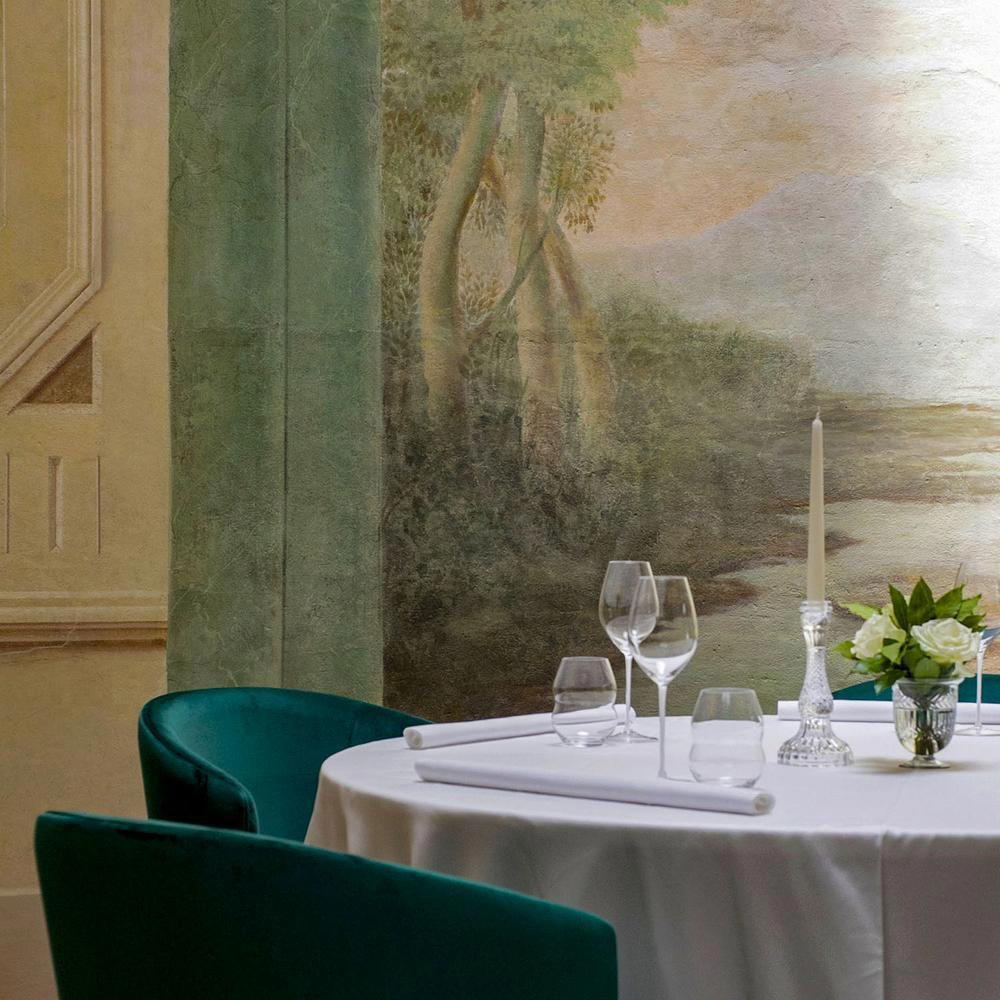
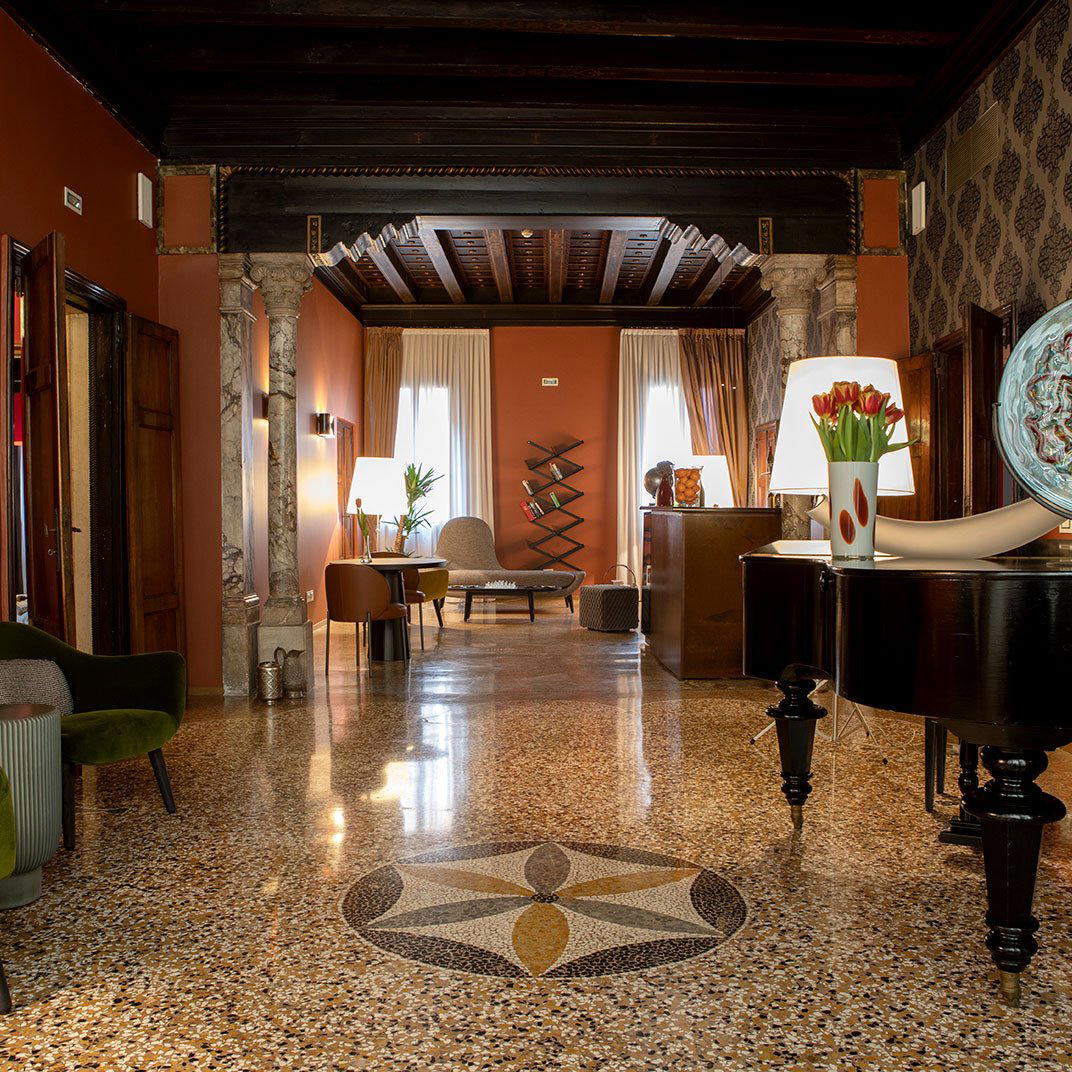
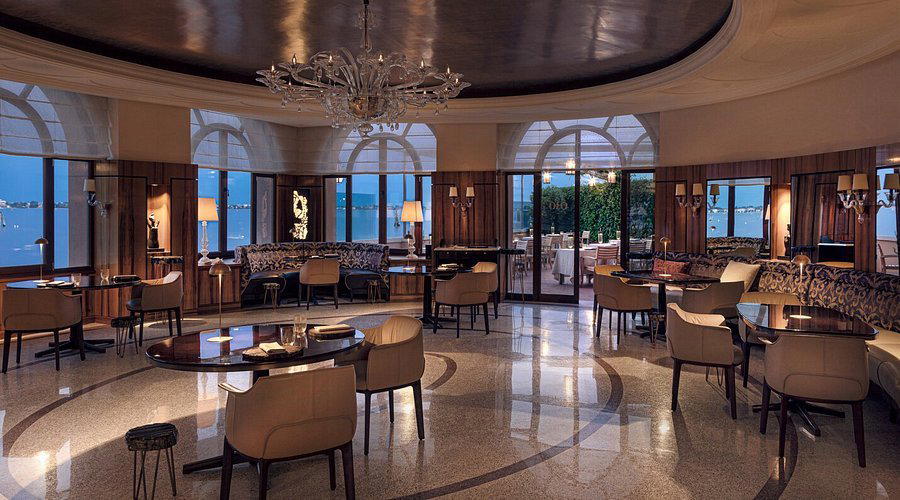
Bars in Scorzè
Browse all →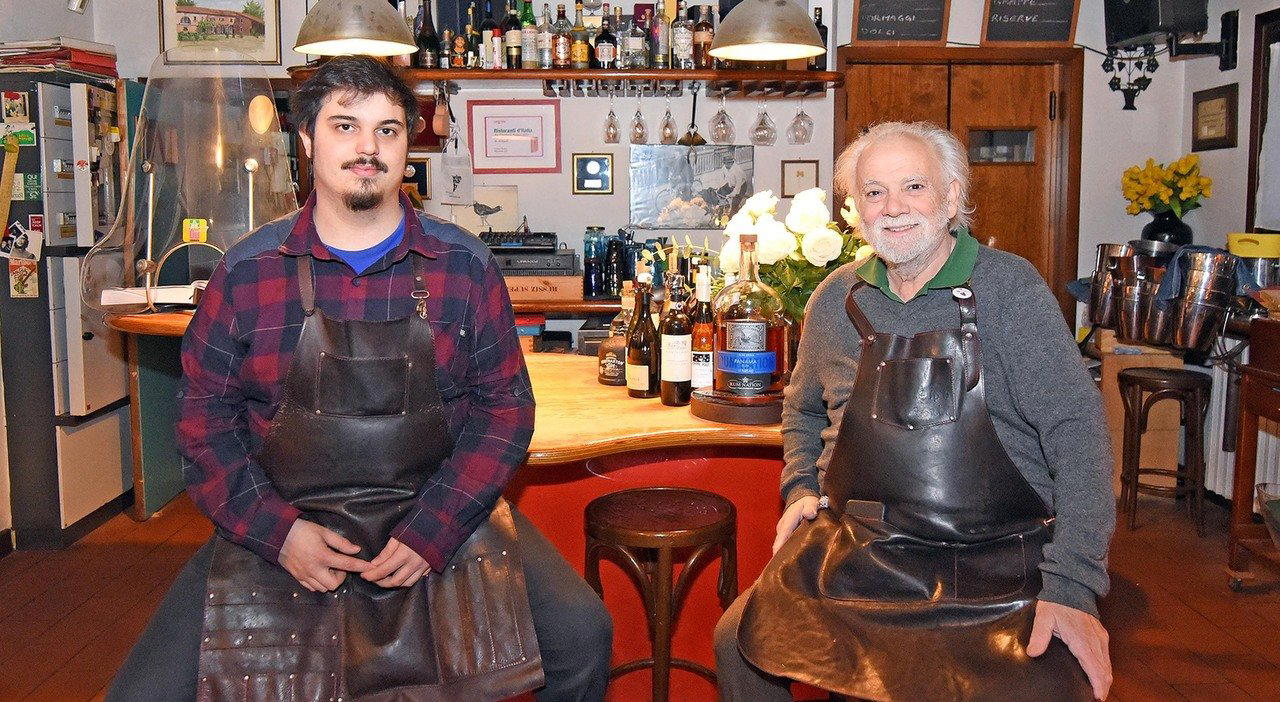
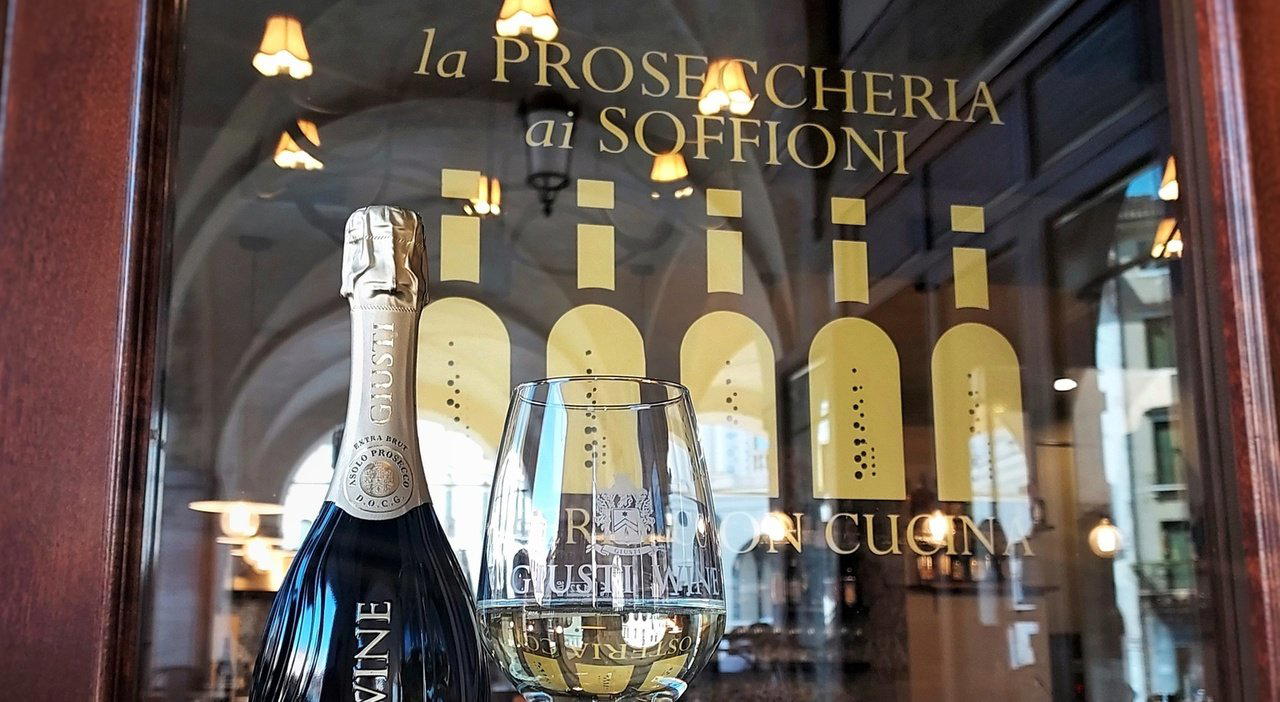
Hotels in Scorzè
Browse all →
At a Glance
- Cozy
- Elegant
- Rustic
- Intimate
- Date Night
- Business Dinner
- Family
- Terrace
- Extensive Wine List
Current opening hours
- Monday
- 7:30–11:30 PM
- Tuesday
- 7:30–11:30 PM
- Wednesday
- 7:30–11:30 PM
- Thursday
- Closed
- Friday
- 7:30–11:30 PM
- Saturday
- 12:30–2:30 PM, 7:30 PM–12 AM
- Sunday
- 12:30–2:30 PM
Hours can change for holidays and private events. Last verified .
Informal yet elegant with soft Provençal tones, large fireplace, candles, and cozy Provençal style creating a pleasantly intimate atmosphere.