Al Callianino sits in Pergola, a small town in the Veneto hinterland where the rhythms of local agriculture still shape what appears on the plate. The kitchen draws from the produce traditions of the surrounding countryside, placing it in a category of Italian dining defined more by territory than by technique. For those willing to travel off the main culinary circuits, it offers a grounded alternative to the region's larger-name tables.
Pearl is the En Primeur Club membership app — saves, bookings, and concierge access live there. Same editors, same standards.
- Address
- Via Adige, 46, 37030 Pergola VR, Italy
- Phone
- +39456175906
- Directions
- Get directions
 Saves & bookings on Pearl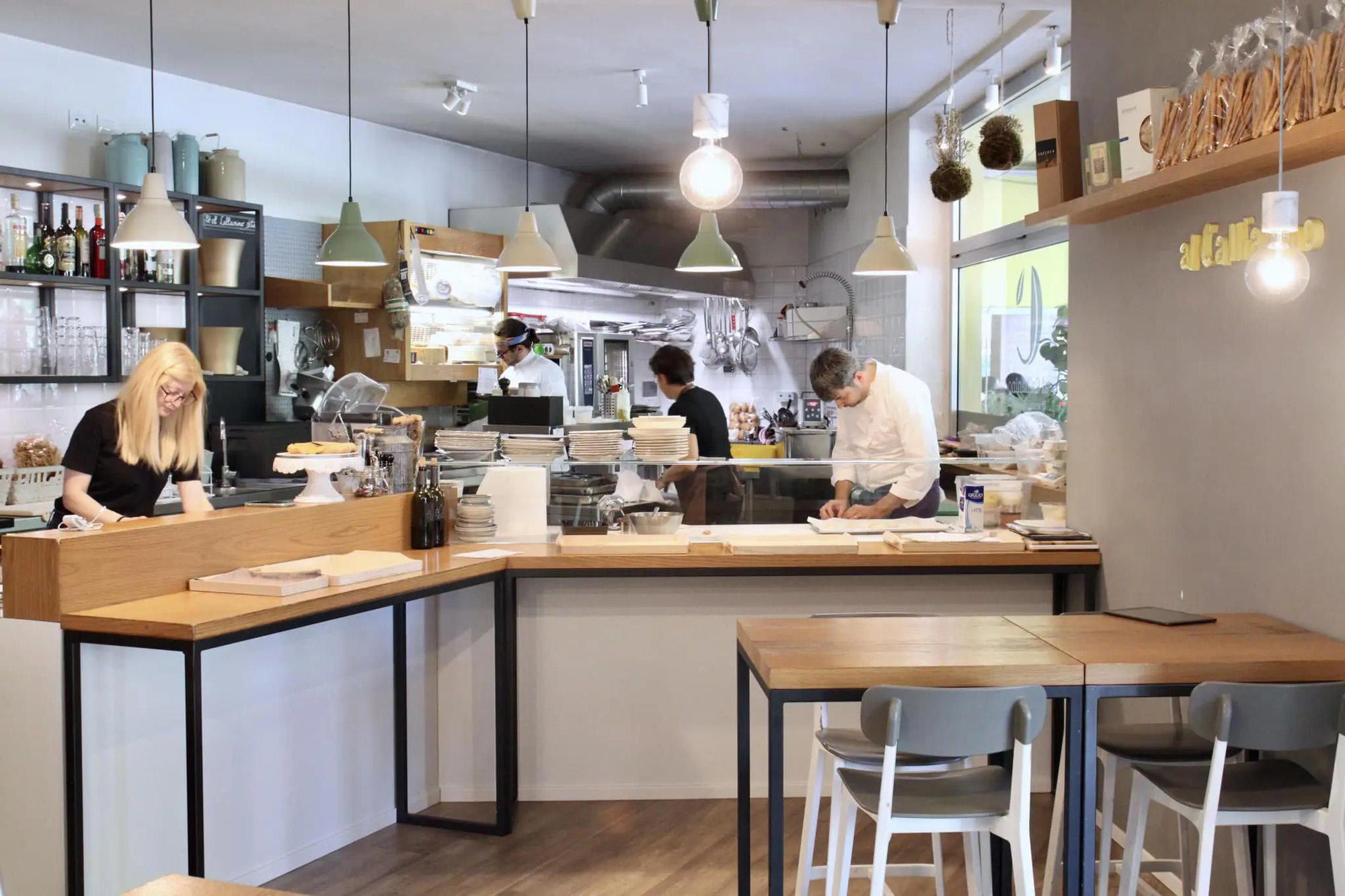
Eating Where the Land Starts
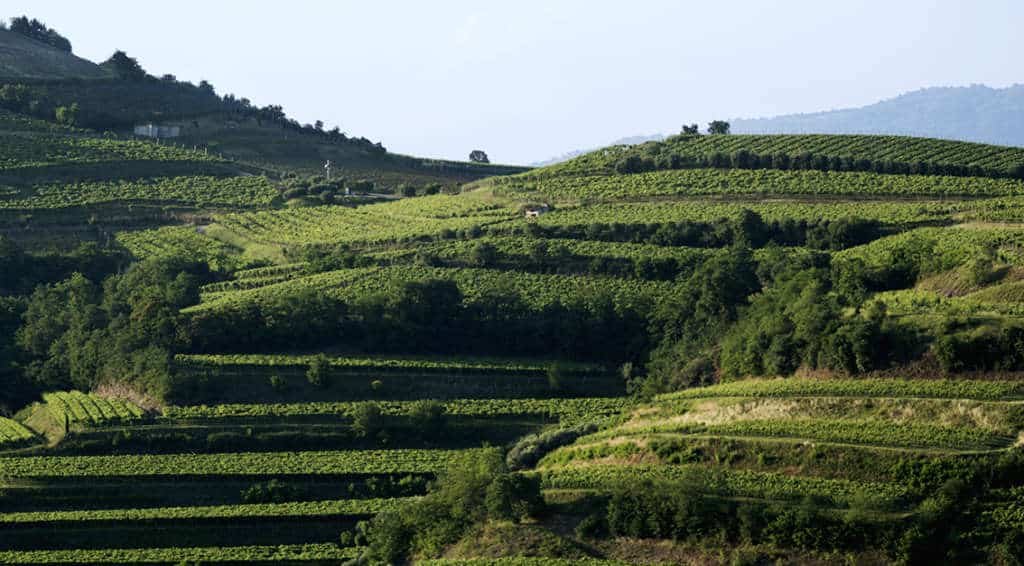
There is a particular kind of Italian restaurant that exists primarily for the people who live near it. Not a destination engineered for visiting critics, not a tasting-menu showcase built around a chef's biography, but a place where the address on the wall, Via Adige, 46, tells you more than any press release could. Al Callianino, in the small town of Pergola in the Veneto, belongs to that category. The surrounding countryside, with its modest farms, seasonal rhythms, and local supply chains, sets the terms of what cooking here looks like.
Pergola sits in a part of northeastern Italy that rarely appears in international food media. It occupies the kind of territory that falls between the headline destinations: not Verona, where Casa Perbellini 12 Apostoli operates at high-technique intensity, and not Modena, where Osteria Francescana commands global attention. The absence of those pressures is, for a certain kind of traveller, the point. Restaurants in towns like Pergola answer to a different audience and, consequently, to a different set of ingredients.
The Logic of Local Sourcing in the Veneto Interior
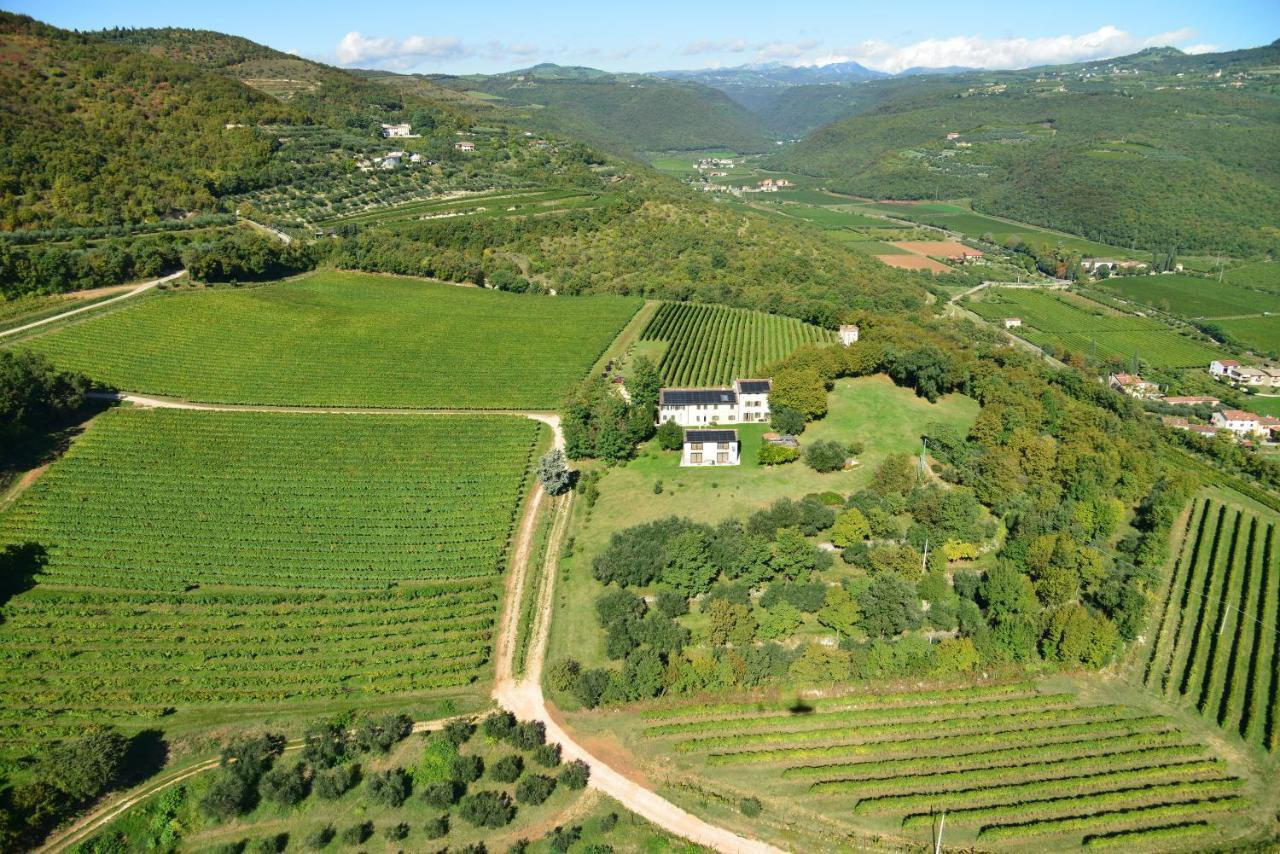
Italian regional cooking has always been, at its core, an ingredient argument. The cuisine of the Veneto interior, risi e bisi made with spring peas from the plains, game from the hills, freshwater fish from nearby rivers, is not a stylistic choice so much as a geographical consequence. What grows within a short drive of the kitchen is what ends up on the table, and that constraint, rather than limiting the cook, tends to produce cooking with a clarity of identity that imported ingredients rarely achieve.
This matters when assessing a place like Al Callianino. The address on Via Adige places it near the Adige river corridor, a zone where alluvial soils support vegetable cultivation and where local markets rather than wholesale distributors tend to set the supply calendar. Restaurants operating in this mode price and present food differently from their counterparts in larger cities: portions are calibrated for appetite rather than theatre, and the seasonal shift in what is available is visible on the menu rather than smoothed over with year-round imports.
Compare that approach with the sourcing philosophies of Italy's more prominent regional tables. Dal Pescatore in Runate has built its reputation over decades on Mantuan agricultural traditions. Uliassi in Senigallia anchors its creative program in Adriatic catches. Atelier Moessmer Norbert Niederkofler in Brunico has made Alpine ingredient sourcing its entire conceptual framework. The underlying logic, that what surrounds a kitchen should determine what comes out of it, is the same across all of them, even when the scale and recognition differ enormously. Al Callianino operates at the smaller, quieter end of that same tradition.
What the Setting Signals
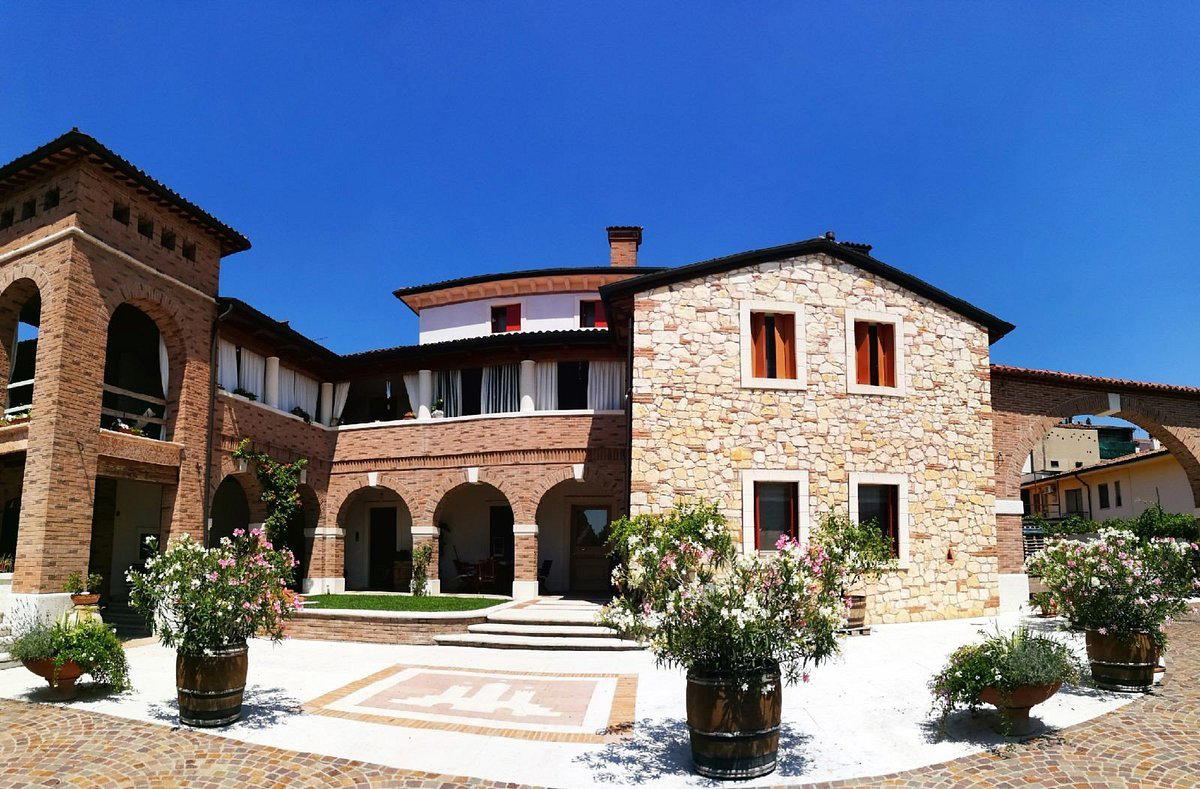
Approaching a restaurant on a secondary road in a town of this size, the building itself communicates something before the food does. The Via Adige address suggests a neighbourhood setting rather than a piazza position: not the kind of place that catches foot traffic, but the kind that people seek out because they already know it. In Italian dining culture, that distinction carries weight. Restaurants positioned away from tourist corridors tend to maintain a regulars-first dynamic, which shapes everything from the pace of service to the willingness to discuss what came in from which supplier that week.
That context is worth keeping in mind for anyone accustomed to the experience-design apparatus of Italy's headline restaurants. Reale in Castel di Sangro and Quattro Passi in Marina del Cantone both operate in non-metropolitan settings, but with the infrastructure of multi-course tasting programs and national recognition behind them. The restaurant operates without those production layers, which means the experience is more contingent on the specific day, the specific supply, and the specific room.
Where Al Callianino Fits in the Broader Italian Dining Picture
Italy's dining culture has always supported two parallel tracks: the celebrated and the local. The celebrated track, Enoteca Pinchiorri in Florence, La Pergola in Rome, Enrico Bartolini in Milan, receives the critical attention and the international bookings. The local track, which includes a much larger number of tables operating in smaller towns without awards or press coverage, feeds the actual daily life of the country. Stronger examples from that second tier are not lesser versions of the first; they are simply answering a different question.
For context on what a genuinely territory-driven Italian table can look like at the recognised end of the spectrum, Piazza Duomo in Alba offers one reference point, a restaurant where Piedmontese ingredients carry the conceptual weight even at three-Michelin-star level. The principle that the land should speak first is shared across different price and recognition tiers. The restaurant belongs to the unpretentious end of that principle, which is a legitimate place to belong.
Internationally, the closest analogues in spirit, if not in scale, are places like Lazy Bear in San Francisco, where the sourcing story is central to the format, or Le Bernardin in New York City, where ingredient provenance is the foundational editorial premise of the kitchen. The ambition levels differ by an order of magnitude, but the underlying conviction, that knowing where something comes from changes how it tastes, translates across contexts.
Planning a Visit
The restaurant is located at Via Adige, 46, in Pergola, in the Veneto region of northeastern Italy. Reaching Pergola from Verona by car takes roughly forty minutes, making it a practical lunch or dinner excursion for anyone already based in the region. Booking is recommended. Pergola is a small town, and local enquiry often yields more current information than online searches for places of this size and type. Those combining northern Italian dining across multiple stops might also consider Da Vittorio in Brusaporto, Le Calandre in Rubano, or Villa Crespi in Orta San Giulio and Gambero Rosso in Marina di Gioiosa Ionica as part of a wider regional itinerary.
Comparable Spots, Quickly
Comparable venues nearby, for context on price, style, and recognition.
| Venue | Cuisine | Price | Notes |
|---|---|---|---|
| Al CallianinoThis venue — the venue you are viewing | Contemporary Italian Trattoria | $$$ | Not listed |
| Alcova del Frate | Traditional Veronese Italian | $$$ | Citta' Antica |
| Arche | Modern Veronese with Fish Specialties | $$$ | Citta' Antica |
| FIVE | Contemporary Italian Mediterranean | $$$ | Porta Venezia |
| Riva Rosa | Venetian Seafood | $$$ | Burano |
| Fiechter Alm | Tyrolean Alpine Hut | $$$ | Ultimo |
Continue exploring
More in Pergola
Restaurants in Pergola
Browse all →
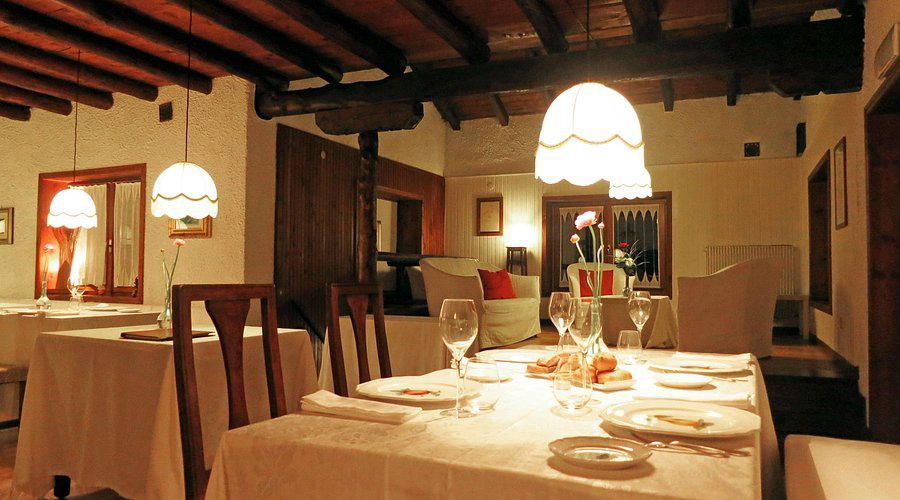
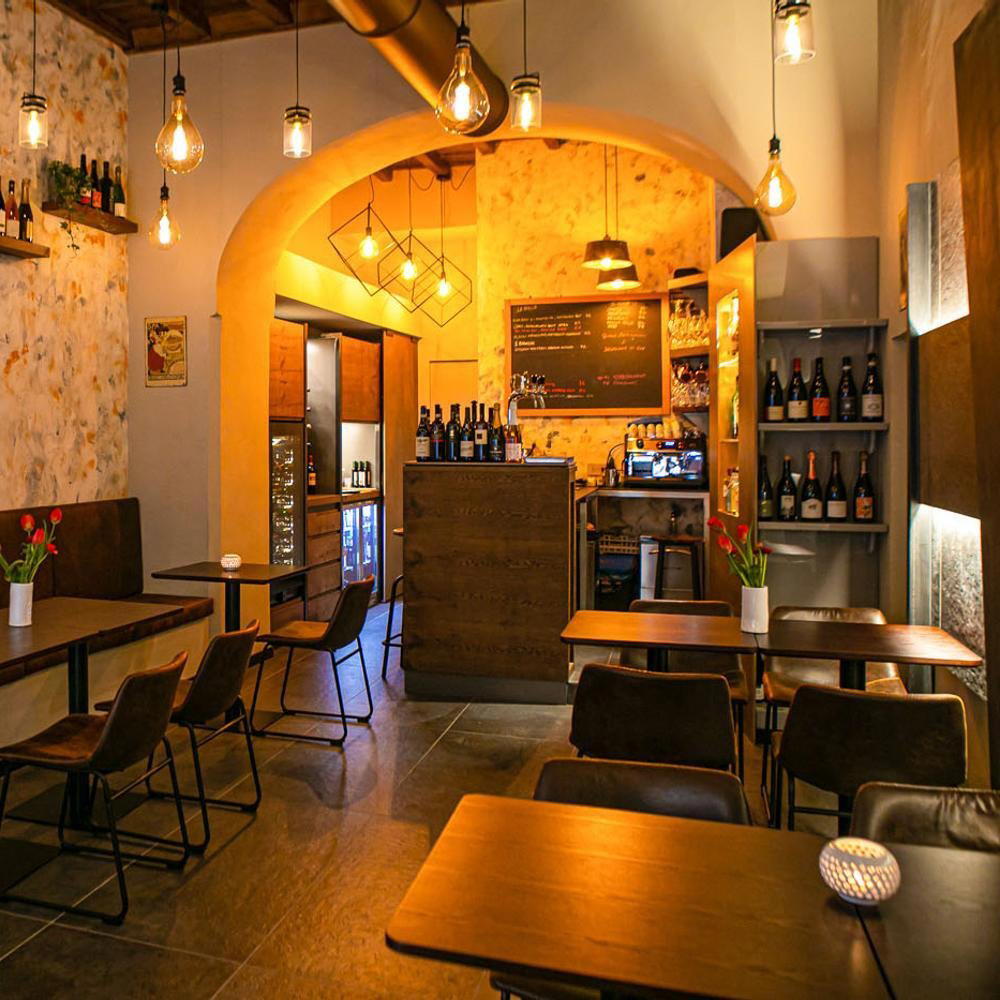
Bars in Pergola
Browse all →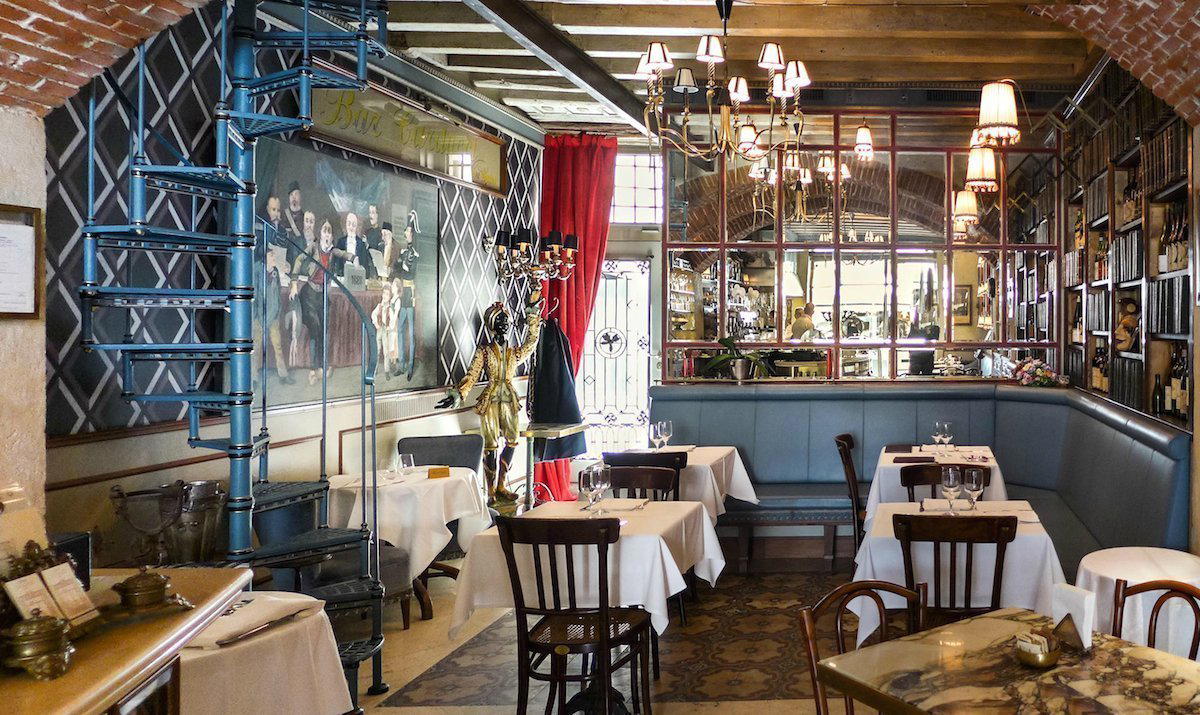
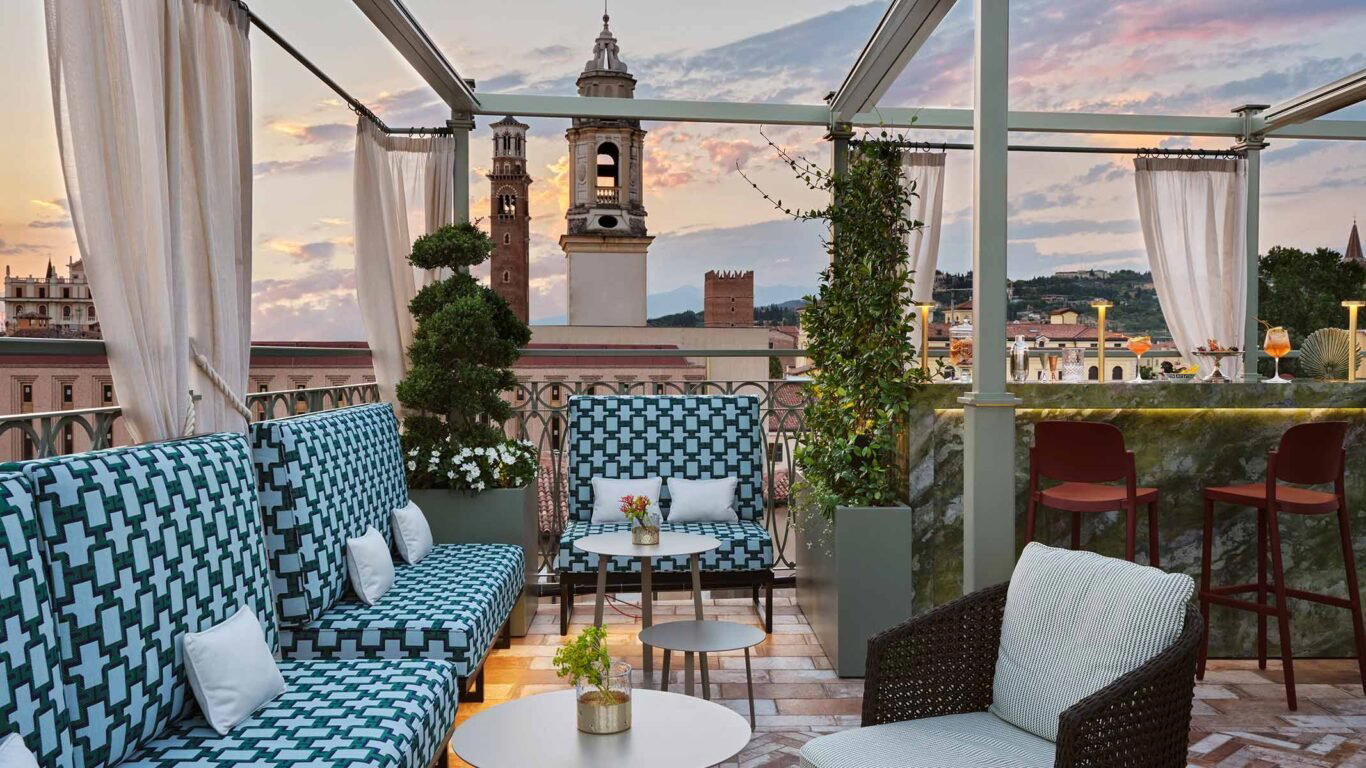
Hotels in Pergola
Browse all →
At a Glance
- Rustic
- Cozy
- Modern
- Date Night
- Special Occasion
- Open Kitchen
- Local Sourcing
Current opening hours
- Monday
- 12:30–2 PM, 7:30–10 PM
- Tuesday
- Closed
- Wednesday
- Closed
- Thursday
- 12:30–2 PM, 7:30–10 PM
- Friday
- 12:30–2 PM, 7:30–10 PM
- Saturday
- 12:30–2 PM, 7:30–10 PM
- Sunday
- 12:30–2:30 PM
Hours can change for holidays and private events. Last verified .
Young, welcoming, and contemporary atmosphere fusing tradition and modernity in a rustic setting.