
Emulsion sits in Floreffe, a quiet Namur commune where Belgium's tradition of serious, product-led cooking extends well beyond the major cities. The restaurant's address, Rue Ferdinand Francot 8bis, places it in a residential setting that runs counter to the expected geography of ambitious dining, making it a point of interest for anyone tracking how fine cooking is redistributing across the country's smaller towns.
Pearl is the En Primeur Club membership app — saves, bookings, and concierge access live there. Same editors, same standards.
- Address
- Rue Ferdinand Francot 8bis, 5150 Floreffe, Belgium
- Phone
- +32475594041
- Website
- emulsion.restaurant
- Directions
- Get directions
 Saves & bookings on Pearl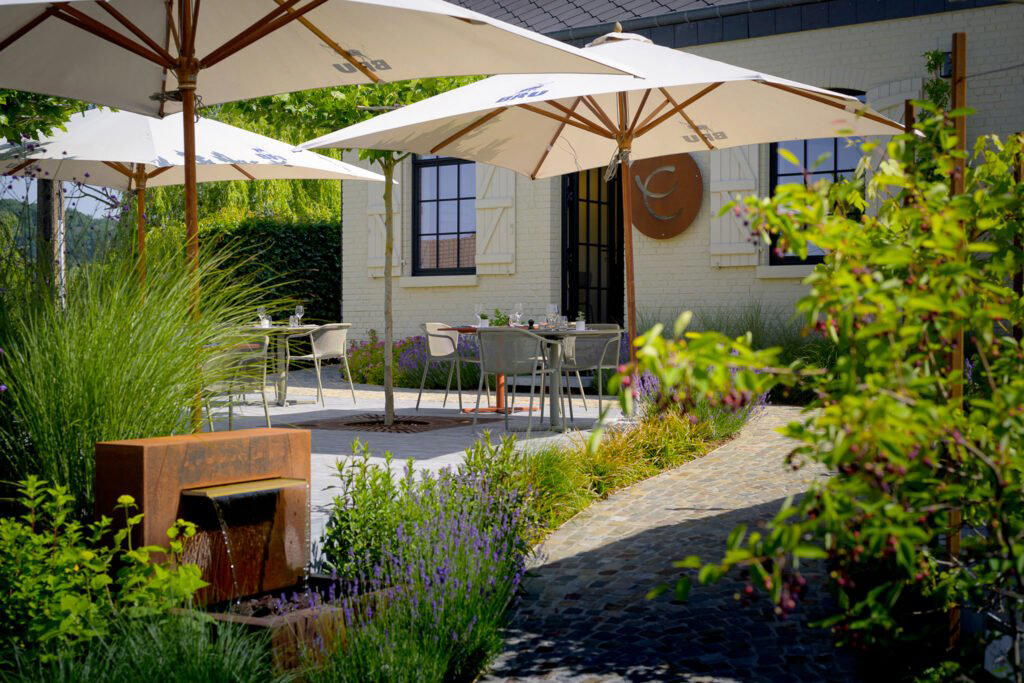
Dining Beyond the City: Belgium's Smaller-Town Fine Dining Scene
Belgium's most-discussed restaurant addresses cluster around Brussels, Ghent, Antwerp, and the Flemish coast, but the country's deeper dining tradition has always been more distributed than those headlines suggest. Wallonia and its smaller communes have long supported serious, ingredient-obsessed kitchens that operate outside the orbit of major food media, drawing local regulars and destination diners who have learned to follow the cooking rather than the postcode. Floreffe, a small municipality along the Sambre river in the province of Namur, sits squarely in that category, a place where the surrounding agricultural land and river valley contribute to a larder that a kitchen with the right priorities can put to genuine use. Emulsion is a bistronomic French restaurant at Rue Ferdinand Francot 8bis, 5150 Floreffe, Belgium.
What matters here is how Emulsion positions itself within Belgium's dining map.
The Setting and What It Signals
Arriving at a residential address in a small Walloon commune rather than a converted warehouse or a city-centre dining room already communicates something about the kitchen's priorities. Across Belgium, a recognisable pattern has emerged among the more produce-focused restaurants: they tend to sit close to their sources, whether that means proximity to the North Sea for fish-led menus, Flemish farmland for dairy and vegetables, or, in this case, the quieter agricultural character of the Namur province. The physical environment frames the cooking before the first course arrives. There is no urban theatre to manage, no ambient competition from a dense neighbourhood dining scene. What the room offers instead is a kind of concentrated attention, the setting strips away distraction and redirects it toward what's on the plate.
This model of ingredient-led cooking anchored to a specific geography has international parallels. Lazy Bear in San Francisco built its reputation around a similarly singular, produce-forward format in a non-traditional setting, while Le Bernardin in New York City demonstrates how obsessive sourcing discipline at the other end of the scale can define a restaurant's entire identity for decades. The underlying logic is the same: what you source, and how seriously you treat that sourcing, determines what the cooking can become.
Ingredient Sourcing in the Namur Context
The Namur province offers a specific set of raw material advantages that distinguish it from Belgium's coastal and Flemish-dominated fine dining geography. The Sambre and Meuse valleys support mixed farming at a scale suited to small, direct supplier relationships. Wallonian producers, from small-scale vegetable growers to regional cheesemakers and river fisheries, have historically supplied kitchens in the area with a consistency that larger urban restaurants can find harder to maintain through the intermediary layers of city distribution. A kitchen in Floreffe, buying at shorter distances and often with more direct producer contact, can in principle work with materially fresher product and with seasonal variability that city kitchens often have to smooth over.
Across Belgium's fine dining tier, this sourcing orientation has become a defining quality signal. Restaurants like Willem Hiele in Oudenburg have demonstrated how a hyper-local, near-obsessive relationship with specific coastal and agricultural producers can translate into cooking that resists easy categorisation but earns sustained critical attention. Hof van Cleve in Kruishoutem operates in a comparable register, anchored in Flemish farmland, its sourcing decisions visible in every course. Emulsion's Floreffe address puts it in a position to make similar claims on its own regional larder, with a provenance story specific to Wallonia rather than the more internationally promoted Flemish fine dining corridor.
How Emulsion Sits Within Belgium's Fine Dining comparable set
Belgium's upper dining tier is well-stocked with technically accomplished, produce-driven kitchens, most of them operating at a €€€€ price point that reflects the sourcing costs, kitchen labour, and format discipline involved. Boury in Roeselare, Vrijmoed in Gent, and La Durée in Izegem all sit in that creative, product-led category, each with its own sourcing identity and regional character. Further afield, Zilte in Antwerp and Bozar Restaurant in Brussels represent the urban pole of the same ambition. Le Chalet de la Forêt in Uccle and La Paix in Anderlecht add further Brussels-region reference points.
Wallonia's contribution to this conversation is less documented in English-language food media, but destinations like d'Eugénie à Emilie in Baudour and La Table de Maxime in Our demonstrate that serious kitchens with clear sourcing identities exist throughout the French-speaking south. Emulsion in Floreffe operates within that developing southern fine dining geography. Additional reference points across the country include Ralf Berendsen in Neerharen, Cuchara in Lommel, Castor in Beveren, and De Jonkman in Sint-Kruis, each anchoring a different regional node in the country's distributed fine dining geography.
Planning a Visit
Floreffe sits roughly 60 kilometres southeast of Brussels by road, making it a practical day-trip or evening destination from the capital rather than a multi-day commitment. The Namur region is accessible by train to the city of Namur itself, from which Floreffe is a short onward journey. Given the residential address and the small-town setting, visiting by car is one direct approach. As with most serious kitchens operating at this level in Belgium, booking ahead is advisable, small-capacity dining rooms in destination restaurants away from major cities tend to fill through word of mouth and repeat visitors rather than high street footfall, and walk-in availability is not something to count on. Hours and reservations should be checked in advance.
How It Stacks Up
Comparable venues nearby, for context on price, style, and recognition.
| Venue | Cuisine | Price | Notes |
|---|---|---|---|
| EmulsionThis venue — the venue you are viewing | Bistronomic French | $$ | Not listed |
| Les Terrasses du Prince | Modern French Brasserie | $$ | Gembloux |
| Piment & Chocolat | French-Belgian Gastropub | $$ | Sombreffe |
| De Coupé | Modern French-Belgian | $$ | Olen |
| Brasserie de l'Alliance | French-Belgian Brasserie | $$ | Braine-l'Alleud |
| Le 1900 | French Dorpsbistro | $$ | Perwez center |
Recognition history
Dated appearances from independent guides and award organizations, with the underlying list record or original source where available.
Michelin Bib Gourmand
Michelin
Michelin Bib Gourmand
Michelin
Continue exploring
More in Floreffe
Restaurants in Floreffe
Browse all →
Bars in Floreffe
Browse all →
Hotels in Floreffe
Browse all →
Wineries in Floreffe
Browse all →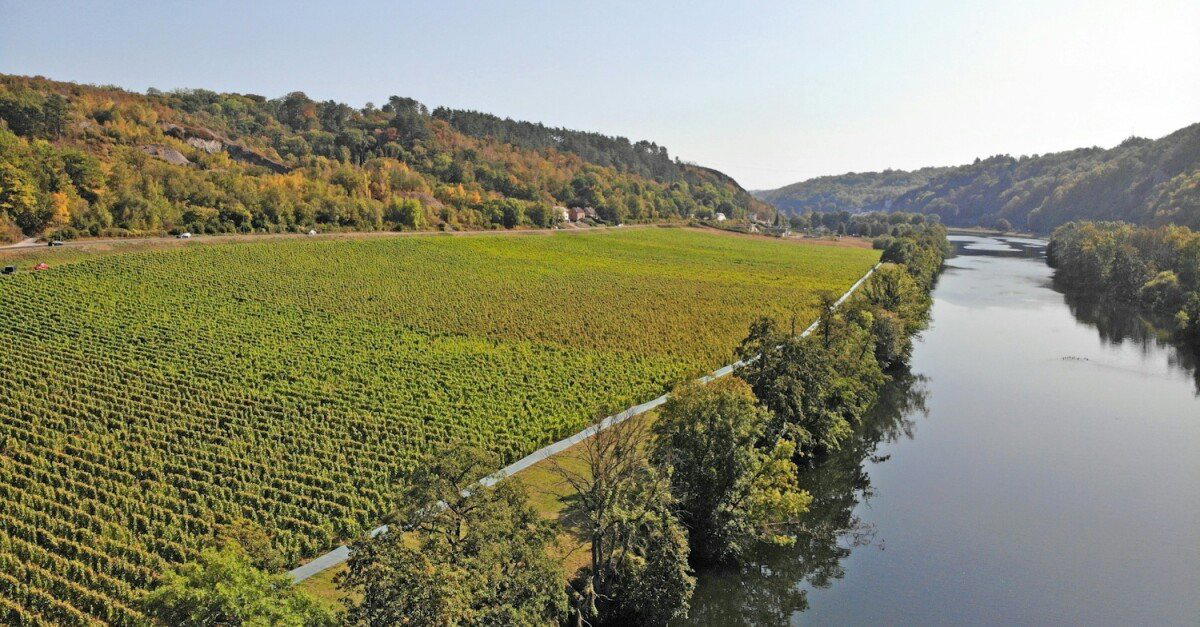

At a Glance
- Modern
- Cozy
- Intimate
- Date Night
- Special Occasion
- Open Kitchen
- Local Sourcing
Current opening hours
- Monday
- Closed
- Tuesday
- Closed
- Wednesday
- 12–2 PM
- Thursday
- 12–2 PM, 7–9 PM
- Friday
- 12–2 PM, 7–9 PM
- Saturday
- Closed
- Sunday
- Closed
Hours can change for holidays and private events. Last verified .
Épurée and cozy atmosphere focused on taste in a modern setting.
Know Before You Go
- Getting there
- Rue Ferdinand Francot 8bis, 5150 Floreffe, Belgium