




2 Michelin Stars · La Liste Top Restaurants · Falstaff Restaurant - 95 Falstaff Points
Our verdict
A two-Michelin-star address in the Meuse valley village of Arbre, L'Eau Vive under chef Pierre Résimont represents the quieter, terroir-conscious strand of Belgian fine dining. Recognised by Les Grandes Tables du Monde in 2025 and holding, it operates from a compact weekly schedule that rewards those who plan ahead.

Pearl is the En Primeur Club membership app, where members save venues, book tables and use the concierge.
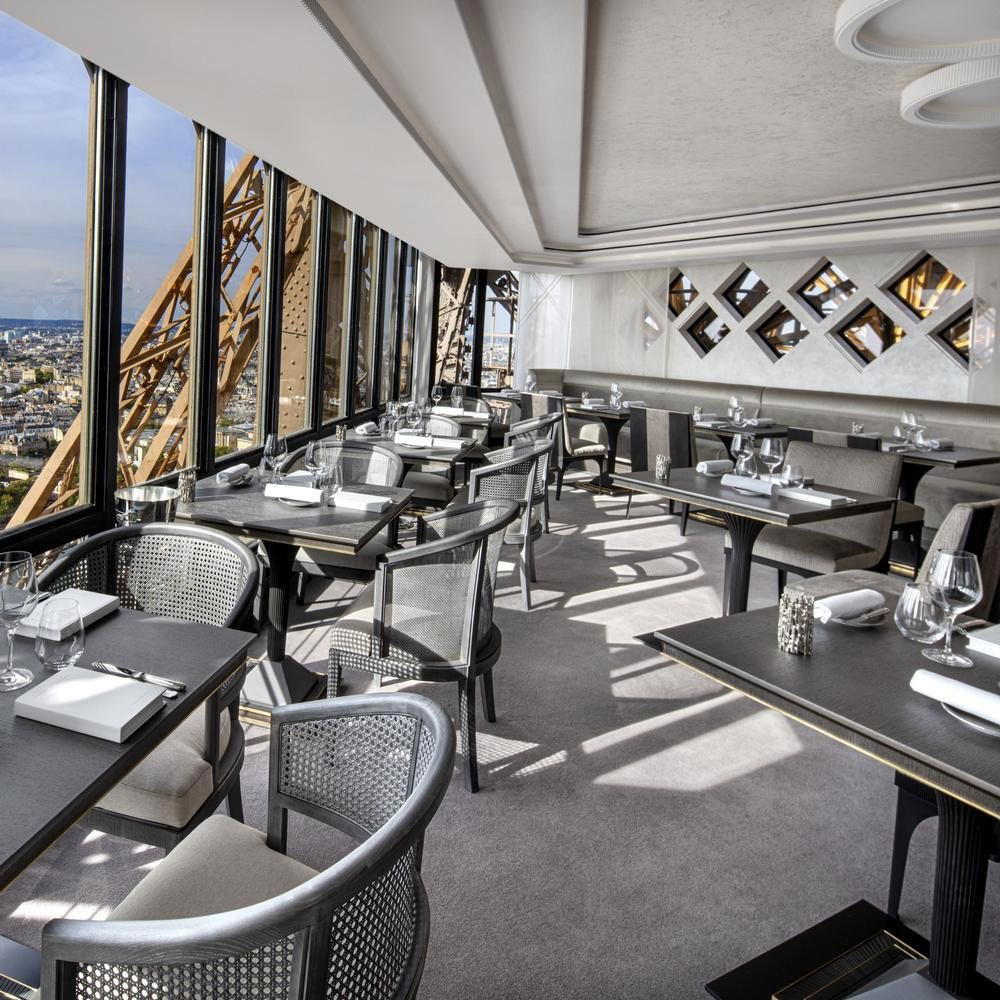
Where the Meuse Valley Sets the Menu
The road into Profondeville drops through beech woodland before the valley opens up, and the village of Arbre sits at the kind of remove from Brussels or Liège that tends to concentrate a chef's attention. Distance from a capital's supply chains and social obligations has a clarifying effect on cooking, and in the Namur province that effect is visible across a generation of kitchens that have found their identity in what the surrounding countryside can reliably produce. L'Eau Vive, at Rte de Floreffe 37, is the most decorated expression of that tendency in this part of Wallonia.
Two Michelin stars held through both 2024 and 2025, a Les Grandes Tables du Monde membership since 2025, a recommendation from Opinionated About Dining's Classical in Europe list in 2023, and a La Liste score of 93.5 in 2025 place chef Pierre Résimont firmly within the tier of Belgian fine dining that competes for international attention rather than simply local loyalty.
Terroir as Organising Principle
Modern French cooking in Belgium has split into two recognisable streams over the past decade. One draws from urban cosmopolitan sourcing, the other from a deliberate rootedness in regional produce and classical French technique as the frame for interpreting it. L'Eau Vive sits in the second stream. The Namur-Dinant corridor, running south along the Meuse, has its own agricultural and foraging character: river fish, game from the Ardennes borderlands, root vegetables from the sandy loam of the valleys, mushrooms from surrounding forest edges. Kitchens that work inside that geography tend to produce menus with a specific seasonal rhythm that differs from what you find in Flanders or Brussels.
The OAD Classical in Europe recommendation in 2023 is an instructive trust signal here. That list specifically tracks kitchens oriented toward classical European traditions rather than contemporary internationalism, and inclusion signals that the cooking at L'Eau Vive reads as belonging to a culinary lineage, French technique applied to a specific place, rather than as cuisine that could be transplanted elsewhere without losing coherence. For diners whose frame of reference includes L'air du Temps in Liernu, another Wallonian two-star address, or broader French-tradition houses like Lafleur in Frankfurt or Mélisse in Los Angeles, L'Eau Vive occupies a distinct position: it is a French-lineage kitchen rooted in a specific Wallonian landscape rather than one projecting French classicism into an international context.
The Room and the Experience
The address on the Floreffe road in Profondeville is not designed for drop-in traffic. The approach itself communicates that the evening ahead will be structured and considered rather than casual. Belgium's two-star rural addresses tend to share certain atmospheric signatures: a deliberate quietness, rooms that prioritise the table over visual spectacle, and a service register that is formal enough to signal occasion without the stiffness that can make classical French dining feel like performance rather than hospitality.
At the €€€€ price range, L'Eau Vive sits alongside the full cohort of Belgian two-star addresses rather than beneath them. What distinguishes the experience from, say, a similar-tier urban address like Zilte in Antwerp or Bozar Restaurant in Brussels is primarily context: here, the valley setting is part of the dining proposition. The surrounding landscape is not decorative; in a kitchen oriented around regional terroir, it is the source.
Placing L'Eau Vive in the Belgian Fine Dining Map
Belgium's fine dining scene is denser per capita than most European countries acknowledge, and the two-star tier is competitive. Within that tier, the French-tradition houses in Wallonia tend to operate with smaller national profiles than their Flemish counterparts, partly because Flemish Modern cuisine has attracted more international press attention over the past fifteen years. That has made addresses like L'Eau Vive somewhat underexposed relative to their award credentials: two consecutive Michelin stars plus Les Grandes Tables du Monde membership in the same year represents a level of international recognition that many better-known names have not achieved. Diners who have worked through the Flemish circuit, Hof van Cleve in Kruishoutem, Willem Hiele in Oudenburg, Bartholomeus in Heist, and want a contrasting register will find in Wallonia's French-tradition kitchens a genuinely different culinary conversation.
The La Liste scoring shift between 2025 (93.5 points) and 2026 (80 points) is worth noting as a signal to monitor, but La Liste's methodology weights global aggregation in ways that do not always correlate with a restaurant's current kitchen quality. The Michelin two-star status held across two consecutive guides and the Les Grandes Tables du Monde credential, both current for 2025, carry more direct weight as indicators of sustained kitchen performance.
Planning Your Visit
L'Eau Vive operates on a schedule that reflects the rhythms of a rural fine dining kitchen: lunch and dinner on Monday, Thursday, Friday, and Sunday; dinner only on Saturday; closed Tuesday and Wednesday. That pattern means Saturday dinner is the highest-demand slot, and those planning a weekend visit around the Namur or Dinant region should build their itinerary accordingly. The Profondeville address is accessible by car from Namur in under fifteen minutes and from Brussels in roughly an hour via the E411, making it a realistic destination for an evening from the capital without an overnight stay, though the valley has accommodation options for those wanting to extend the trip. For a broader view of the region's dining, drinking, and accommodation options, see our full Arbre restaurants guide, our Arbre hotels guide, our Arbre bars guide, our Arbre wineries guide, and our Arbre experiences guide. At €€€€ pricing and with international award recognition, reservations require advance planning; the kitchen's limited weekly hours and the address's destination status mean availability can be tight, particularly on Fridays and Saturdays.
For comparable Wallonian fine dining in the same price bracket, d'Eugénie à Emilie in Baudour offers another French-tradition reference point in the region's western reach.
Frequently asked questions
What is the atmosphere like at L'Eau Vive?
Is L'Eau Vive appropriate for children?
What should I order at L'Eau Vive?
A Quick Peer Check
| Venue | Cuisine | Price | Awards | Notes |
|---|---|---|---|---|
| L'Eau ViveThis venue (the venue you are viewing) | Modern French Fine Dining | $150–200 | 2 Michelin Stars · La Liste Top Restaurants | Not listed |
| Boury | Creative French Fine Dining | $300–500 | 3 Michelin Stars · La Liste Top Restaurants | Modern Frlemish, Creative French |
| Comme chez Soi | French - Belgian, Classic Cuisine | Not listed | Michelin 1 Star | Not listed |
| Hertog Jan at Botanic | Modern Japanese Omakase Fine Dining | Not listed | 2 Michelin Stars · La Liste Top Restaurants | Modern Flemish, Creative |
| La Durée | Modern French Fine Dining | $150–200 | 2 Michelin Stars · La Liste Top Restaurants | French-Belgian, Creative |
| La Villa Lorraine by Yves Mattagne | Modern French Fine Dining | $200–300 | Michelin Plate · La Liste Top Restaurants | Modern Cuisine |
Recognition history
Dated appearances from independent guides and award organizations, with the underlying list record or original source where available.
Michelin 2 Stars
Michelin
La Liste Top Restaurants
La Liste
Falstaff Restaurant - 95 Falstaff Points
Falstaff
Les Grandes Tables du Monde Member
Les Grandes Tables du Monde
Opinionated About Dining Classical in Europe Recommended
Opinionated About Dining
Full recognition history (8 entries)
La Liste Top Restaurants
La Liste
Michelin 2 Stars
Michelin
Michelin 2 Stars
Michelin
Continue exploring
More in Arbre
Restaurants in Arbre
All restaurants in Arbre →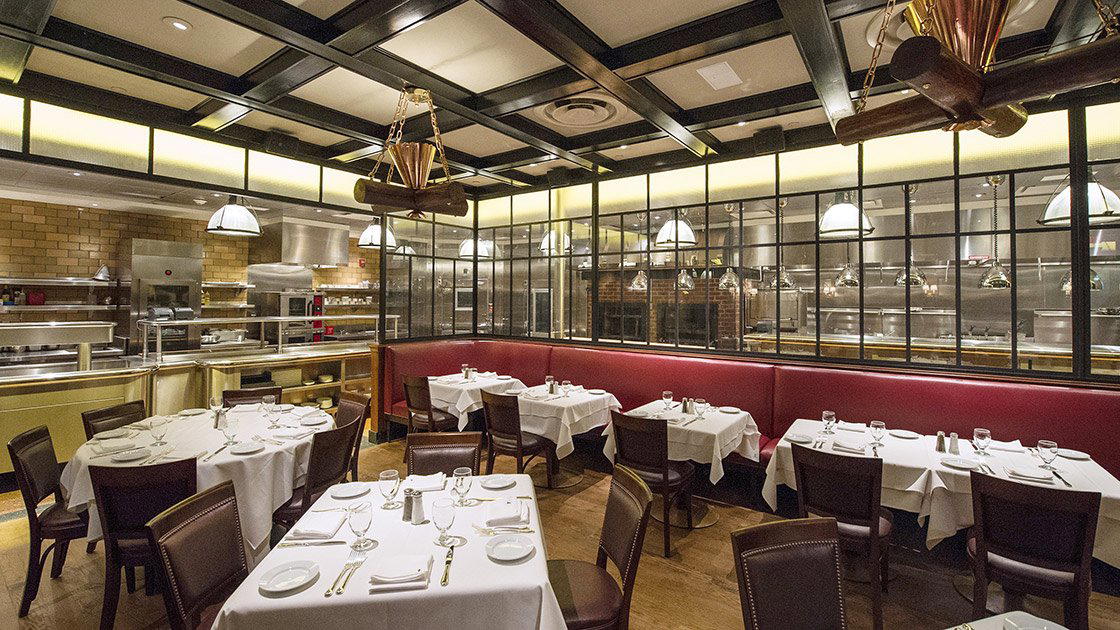
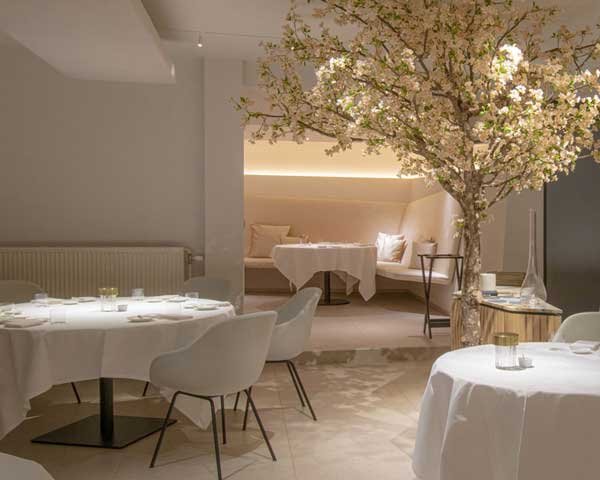
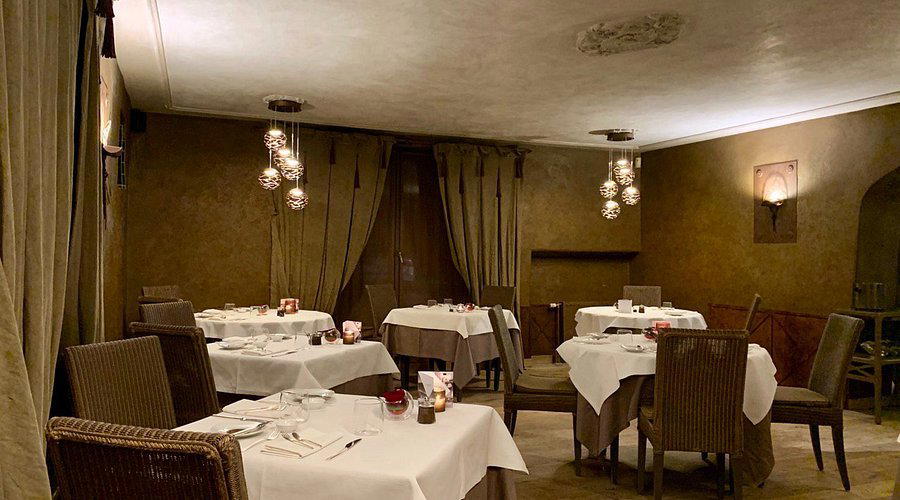
Bars in Arbre
Browse all →
Hotels in Arbre
Browse all →
Wineries in Arbre
Browse all →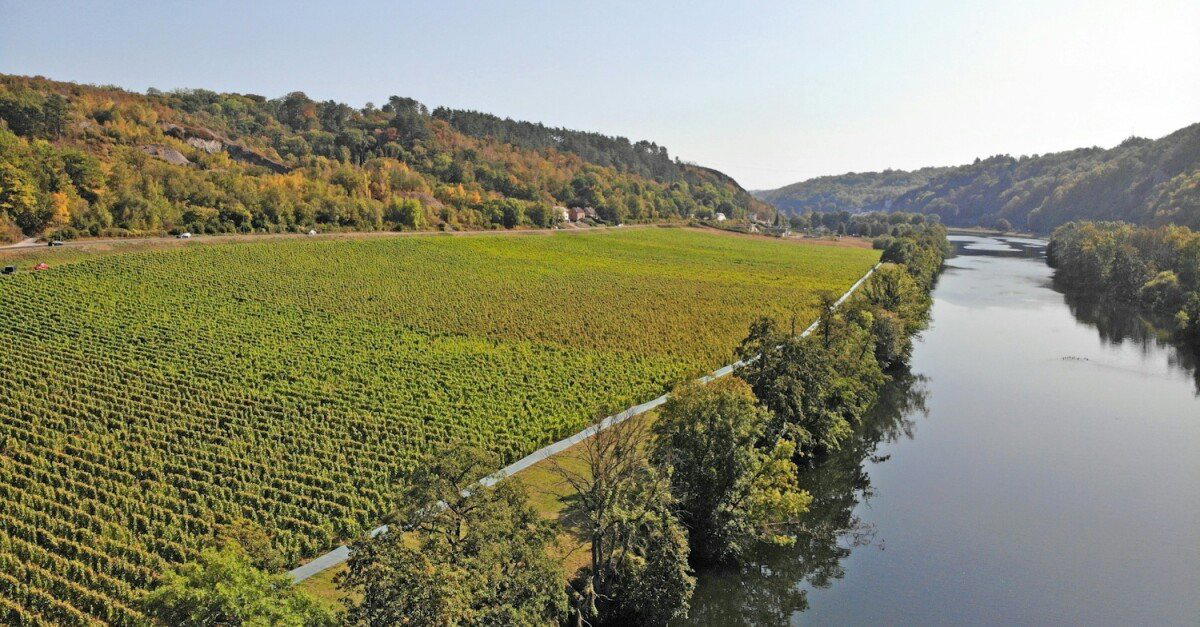

Details
- Romantic
- Elegant
- Intimate
- Sophisticated
- Date Night
- Celebration
- Special Occasion
- Waterfront
- Terrace
- Private Dining
- Historic Building
- Extensive Wine List
- Waterfront
- Garden
- Tasting Menu
- Set Menu
- Vegetarian Friendly
Current opening hours
- Monday
- 12–2 PM, 7–9 PM
- Tuesday
- Closed
- Wednesday
- Closed
- Thursday
- 12–2 PM, 7–9 PM
- Friday
- 12–2 PM, 7–9 PM
- Saturday
- 7–9 PM
- Sunday
- 12–2 PM, 7–9 PM
Hours can change for holidays and private events. Hours as of .
Romantic setting with dining room and chef's table overlooking the river, exuding conviviality and refinement in a beautifully restored historic mill.