De Coupé occupies a quiet address on Stationsstraat in Olen, a small municipality in Antwerp province that rarely draws destination diners. The restaurant sits within a Belgian dining culture that increasingly prizes provenance and restraint over spectacle, placing it in a broader regional movement toward ingredient-led cooking. For travellers willing to look beyond the Flemish cities, it represents the kind of local seriousness that larger tables often talk about but rarely deliver.
Pearl is the En Primeur Club membership app — saves, bookings, and concierge access live there. Same editors, same standards.
- Address
- Stationsstraat 103a, 2250 Olen, Belgium
- Phone
- +32475555773
- Website
- de-coupe.be
- Directions
- Get directions
 Saves & bookings on Pearl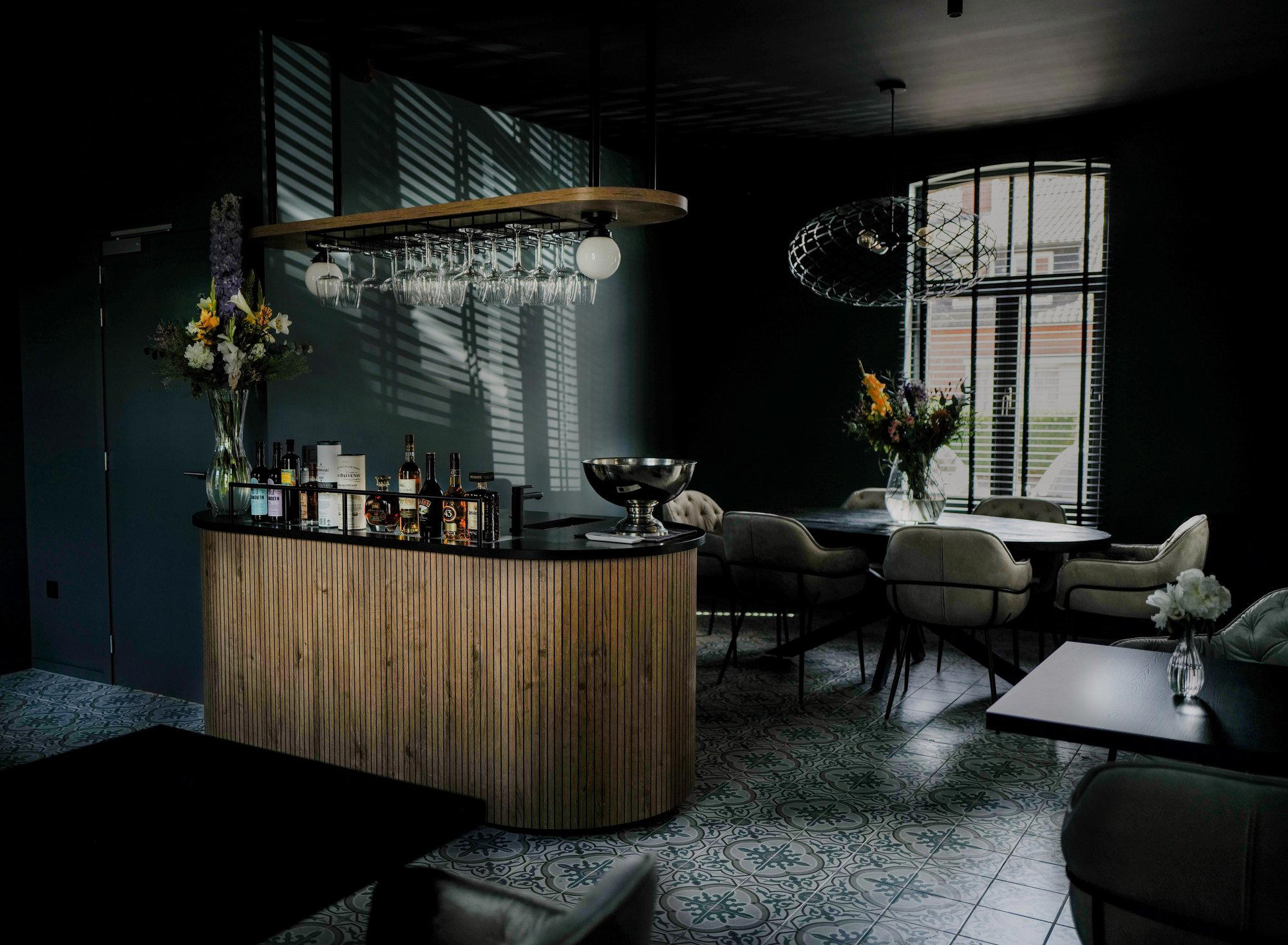
Olen and the Case for Cooking Outside the City
Belgium's most discussed restaurants tend to cluster in Antwerp, Ghent, and Brussels, where critics have easy access and kitchen reputations compound quickly. But Flemish fine dining has long had a productive relationship with smaller municipalities, where rents are lower, supplier relationships are tighter, and a kitchen can build a loyal local following without the pressure of constant metropolitan scrutiny. Olen, a quiet community in the Antwerp Kempen, fits that pattern. The drive from Antwerp takes under thirty minutes, yet the register shifts entirely: agricultural flatlands replace the port city's density, and the restaurants along streets like Stationsstraat operate on a different social contract with their guests.
De Coupé sits at Stationsstraat 103a within this context. The address itself signals something about the dining logic here: this is not a converted warehouse in a regenerating neighbourhood, not a destination built for weekend-trip itineraries. It is a restaurant embedded in a working Belgian community, which in practice tends to mean produce sourced from shorter supply chains and menus calibrated to repeat visitors who know what they are eating and where it came from.
Ingredient Sourcing and the Kempen Tradition
The Antwerp Kempen is agricultural territory. The sandy heathland soil of the region has historically supported smallholders, market gardens, and livestock operations that supply regional kitchens with produce that rarely travels far. In this geography, ingredient sourcing is less a marketing position than a structural reality: local suppliers are simply the most available and most consistent option. Kitchens that operate in smaller Flemish municipalities like Olen often develop direct relationships with producers over years, which creates a supply chain that larger urban restaurants, dependent on wholesale networks, cannot easily replicate.
This matters for how food actually arrives on the plate. Produce sourced within a twenty- or thirty-kilometre radius arrives fresher, tends to be harvested at a stage of ripeness suited to immediate use rather than transport endurance, and carries with it the particular character of local soil and season. Belgian kitchen culture has absorbed this logic across price tiers: from the farmhouse tables of the Ardennes to the Michelin-level precision of houses like Hof van Cleve - Floris Van Der Veken in Kruishoutem or Boury in Roeselare, provenance has moved from background assumption to front-of-menu commitment. A restaurant in Olen operates within that same cultural current, even without the awards infrastructure of its larger peers.
For comparison, urban flagships like Zilte in Antwerp or Vrijmoed in Gent build ingredient narratives around sourcing networks that span the country and beyond. A small-municipality restaurant like De Coupé works within a tighter geography by necessity, and that constraint often produces cooking with a more immediate, less mediated relationship to its raw materials.
What the Atmosphere Communicates
Approaching a restaurant on a Belgian provincial high street communicates something before you reach the door. There is no theatre of arrival, no valet queue, no curated exterior designed to signal ambition. The Stationsstraat address in Olen places De Coupé in the category of restaurants that rely on what happens inside rather than on architectural statement. This is a format common across Flemish provincial dining: restrained exteriors, interiors that tend toward comfort over design provocation, and a service dynamic that assumes familiarity rather than performing it.
That register suits a certain kind of meal. Dining at this scale in a Belgian municipality tends to involve a room where the staff know many of the guests by name, where the pace is set by the table rather than by a front-of-house system managing covers, and where the cooking reflects the week's available produce rather than a fixed menu engineered for consistency across hundreds of services. Whether De Coupé operates in exactly this mode is not documented in available data, but the address, municipality, and regional context all point toward that model. Comparable addresses in similar Belgian communities, such as Ralf Berendsen in Neerharen or La Table de Maxime in Our, follow this pattern consistently.
De Coupé Within Olen's Dining Options
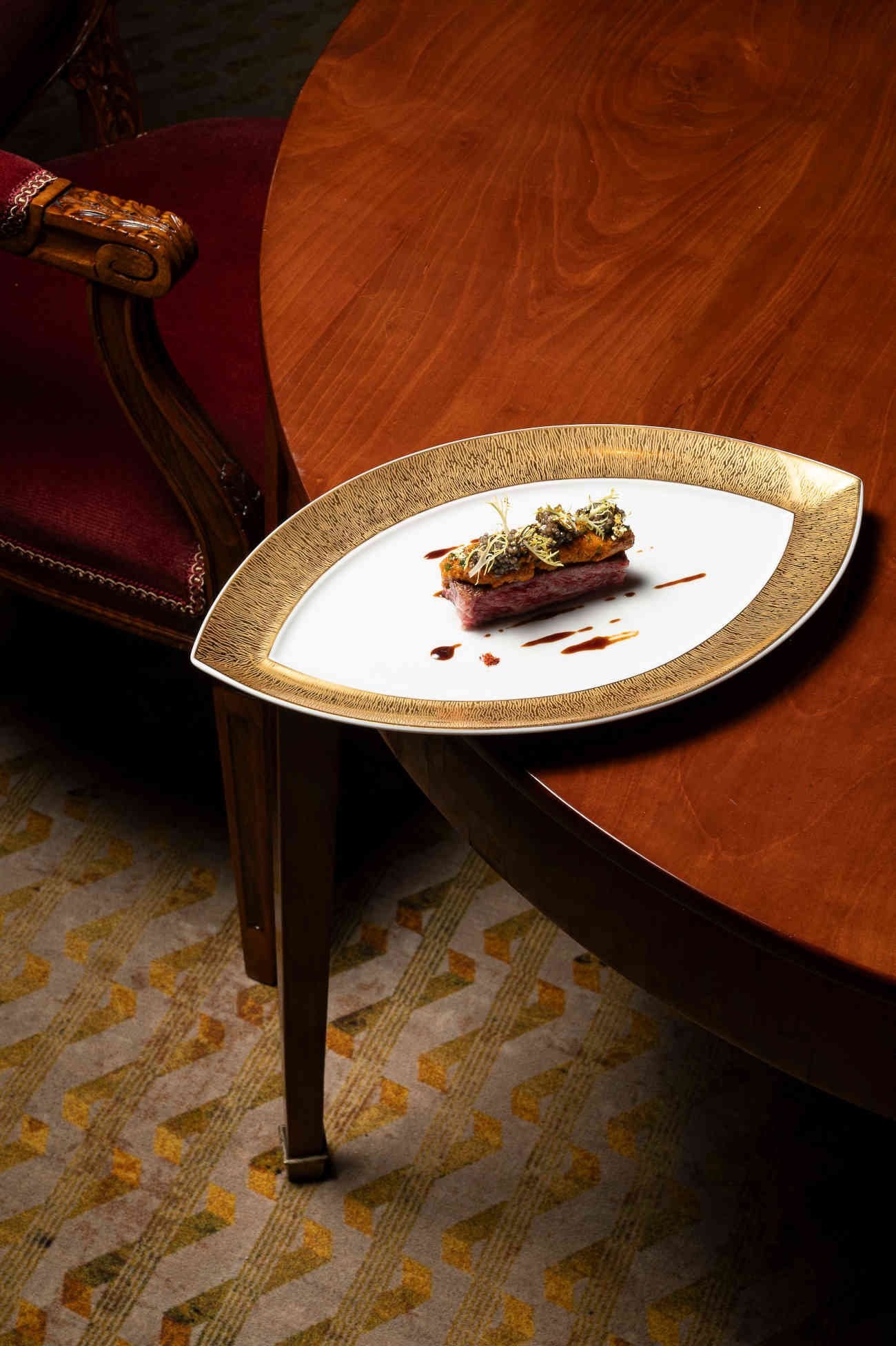
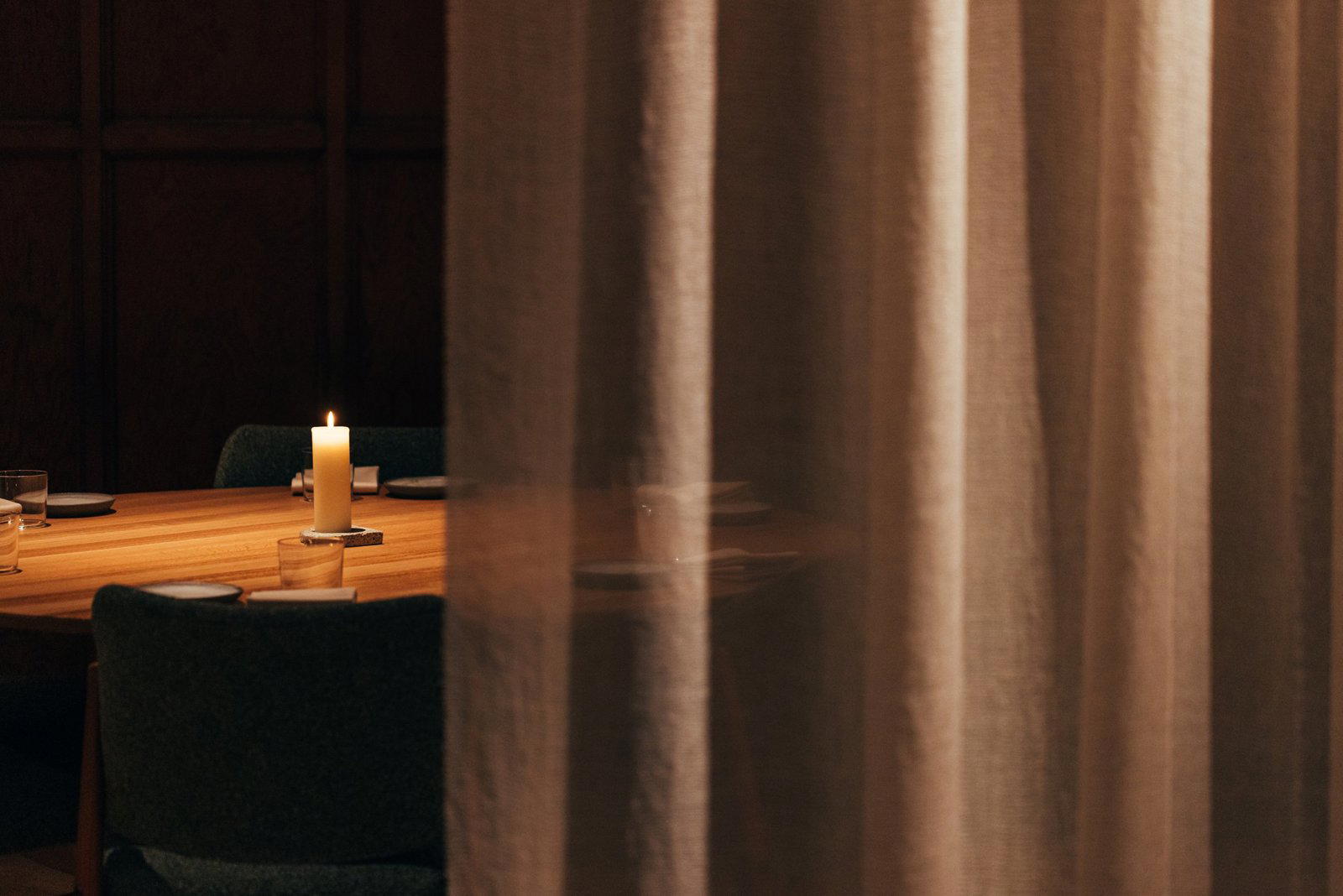
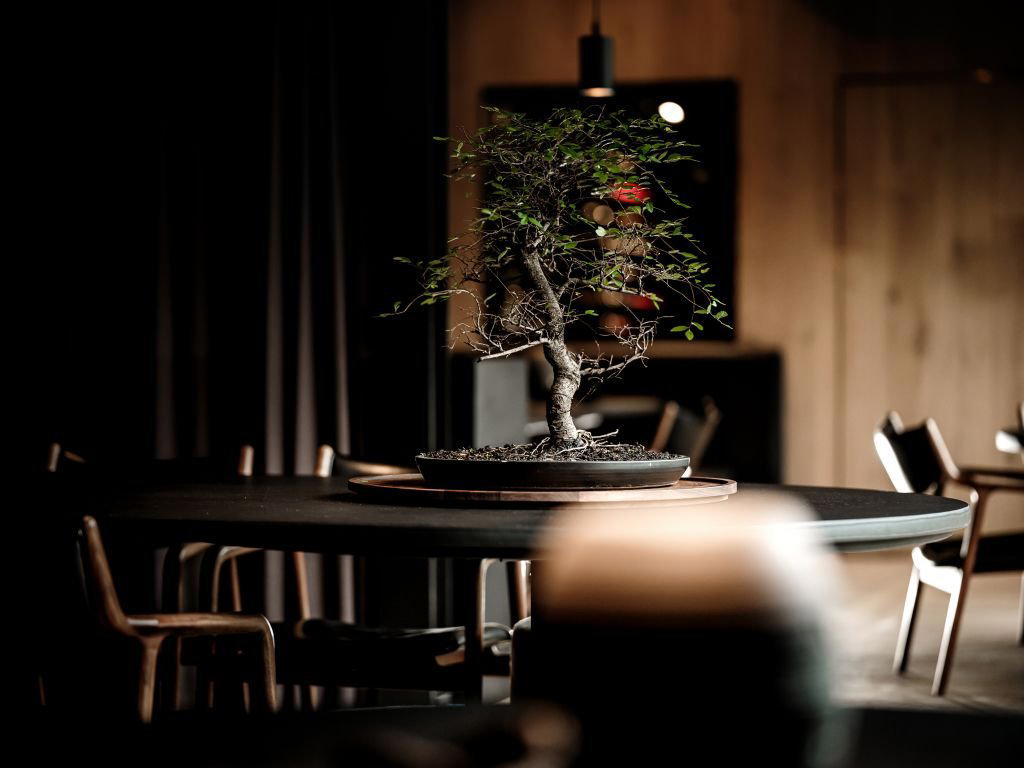
Olen is not a dining destination in the sense that Bruges or Ghent functions as one, with infrastructure built around visitor expectations. Its restaurant scene is primarily local-facing, which means the competitive set is different. Denis and Pot au Feu (Traditional Cuisine) represent the other addresses in Olen documented in EP Club's coverage, and across all three, the picture is of a municipality with more dining seriousness than its size might suggest. For a broader view of what is available across the town, the full Olen restaurants guide maps the options in more detail.
Within Belgium more broadly, the comparison set for ingredient-led provincial dining includes addresses across both language communities. Willem Hiele in Oudenburg has built a reputation around hyper-local sourcing at a level of technical ambition that has attracted national attention. d'Eugénie à Emilie in Baudour and La Durée in Izegem both demonstrate that serious cooking in small Belgian municipalities is a pattern rather than an exception. Even at the level of international reference points, the sourcing-first kitchen ethos visible in addresses like Lazy Bear in San Francisco or the produce discipline of Le Bernardin in New York City reflects a global shift toward ingredient integrity that Belgian regional kitchens have practiced quietly for decades.
Planning a Visit
De Coupé is located at Stationsstraat 103a, 2250 Olen. Olen sits in Antwerp province and is accessible by road from Antwerp city in under thirty minutes; the municipality also has a train connection, with the station on the same street as the restaurant. Given the limited public documentation of booking methods, hours, and current pricing, direct contact with the restaurant before visiting is advisable. Belgian provincial restaurants at this level frequently operate on restricted service days, often closing Sunday evenings and Mondays in line with regional norms, and confirmation of current opening days will avoid a wasted journey. For those building a wider Flemish itinerary, pairing an Olen visit with dining in Antwerp, where Zilte operates at a different price tier and ambition level, or in Brussels at Bozar Restaurant or Le Chalet de la Forêt in Uccle, creates a useful cross-section of how Belgian kitchen culture operates across different urban and provincial registers. Those travelling further west might also consider De Jonkman in Sint-Kruis and Cuchara in Lommel as part of an extended Flemish dining circuit.
Quick Comparison
| Venue | Cuisine | Price | Awards |
|---|---|---|---|
| De CoupéThis venue — the venue you are viewing | This venue | Not listed | Not listed |
| Boury | Modern Frlemish, Creative French | €€€€ | Michelin 3 Star |
| Comme chez Soi | French - Belgian, Classic Cuisine | €€€€ | Michelin 1 Star |
| Vrijmoed | Modern Flemish, Creative | €€€€ | Michelin 2 Star |
| La Durée | French-Belgian, Creative | €€€€ | Michelin 2 Star |
| Cuchara | Modern European, Creative | €€€€ | Michelin 2 Star |
Continue exploring
More in Olen
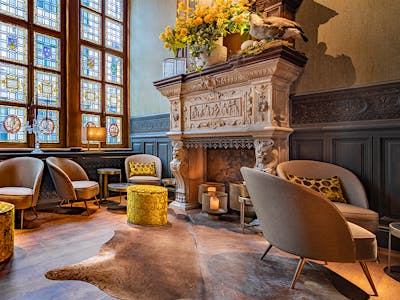
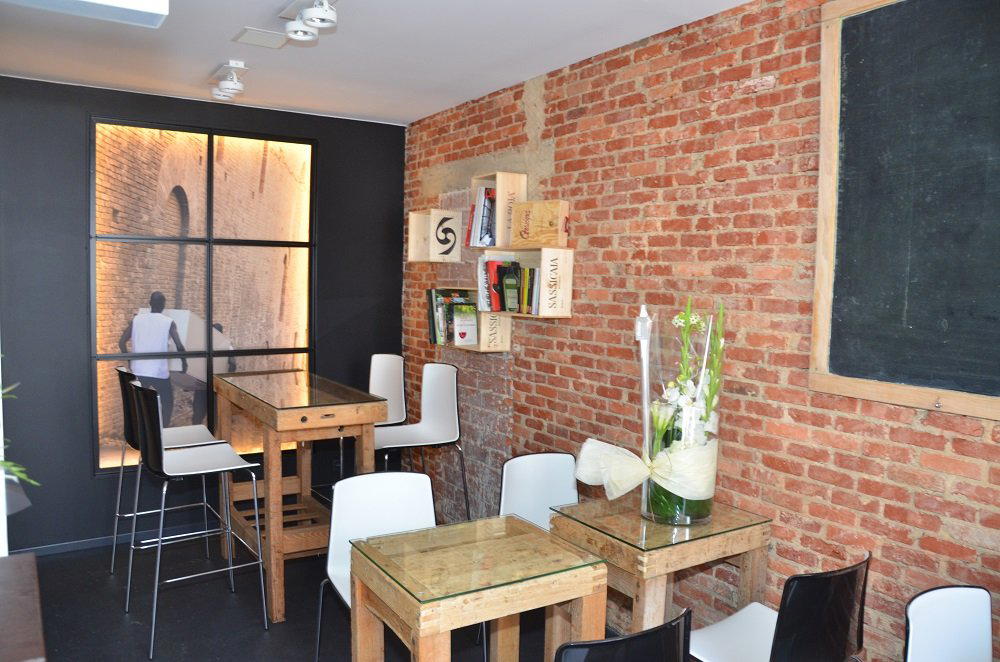
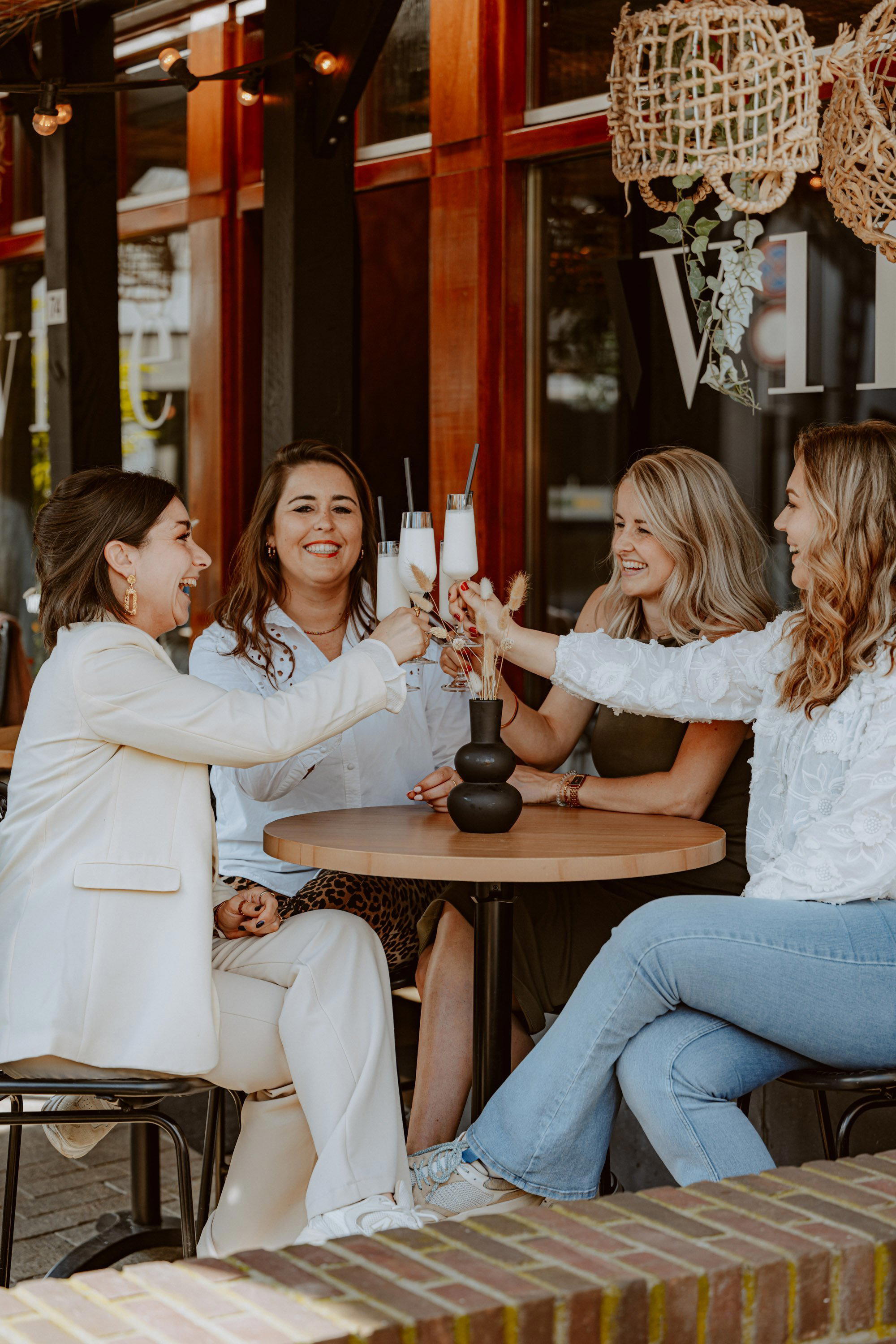
Bars in Olen
Browse all →
Hotels in Olen
Browse all →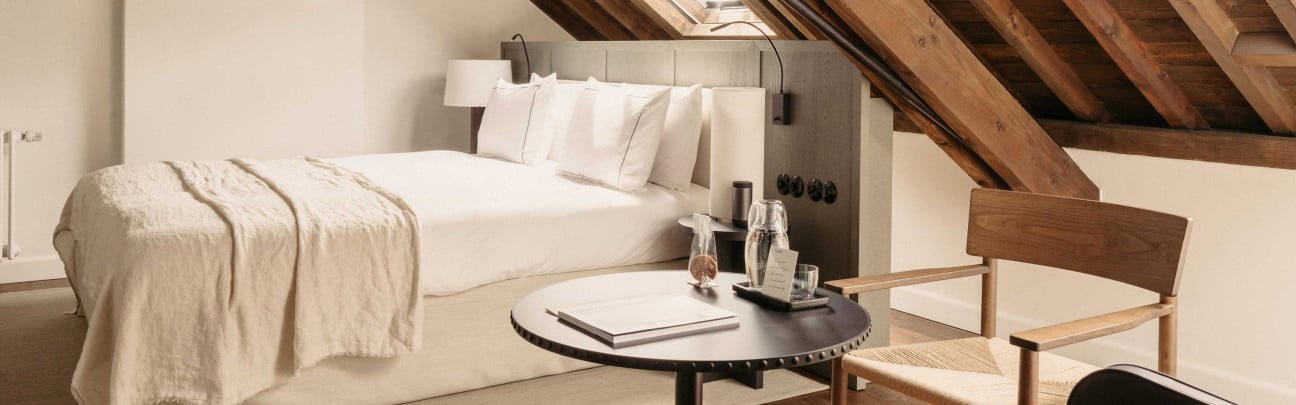
Wineries in Olen
Browse all →
At a Glance
- Elegant
- Intimate
- Date Night
- Special Occasion
- Open Kitchen
Current opening hours
- Monday
- Closed
- Tuesday
- Closed
- Wednesday
- 6–11:30 PM
- Thursday
- 6–11:30 PM
- Friday
- 6–11:30 PM
- Saturday
- Closed
- Sunday
- Closed
Hours can change for holidays and private events. Last verified .
Cozy and elegant atmosphere ideal for enjoying good food, drinks, conversations, and music.
Know Before You Go
- Getting there
- Stationsstraat 103a, 2250 Olen, Belgium