
Star Wine List
A dual-format wine bar and shop on Rue des Brasseurs in central Namur, Vino Vino operates at the smaller end of Belgium's specialist wine scene. The space is compact, the selection personal, and the service is led by Marc, whose approach to pairing recommendation and hospitality draws a loyal local following. For wine-focused visitors to Namur, it sits in a different tier from the city's beer-led drinking culture.

Pearl is the En Primeur Club membership app, where members save venues, book tables and use the concierge.
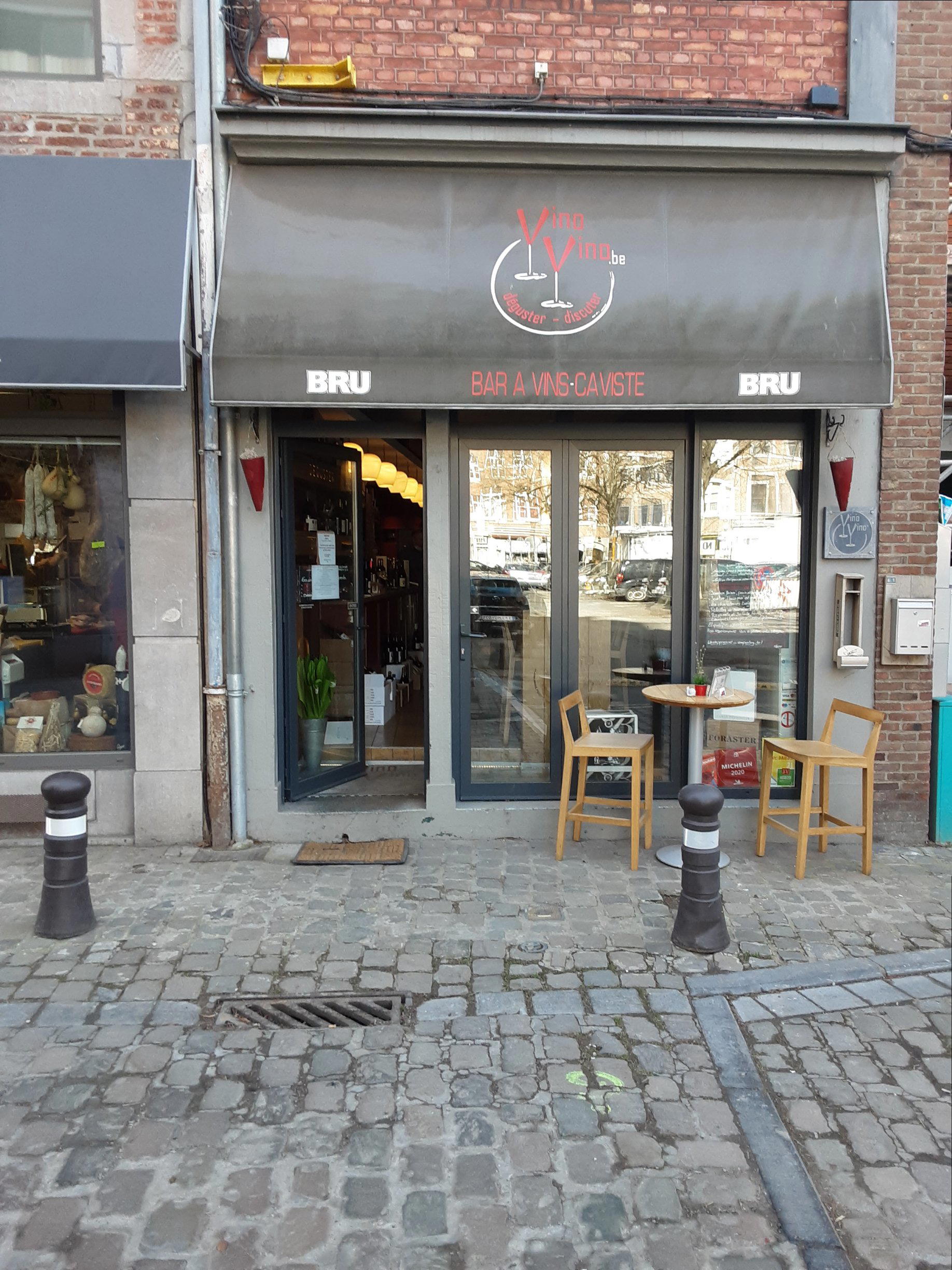
Where Namur Drinks Wine
Belgium's drinking identity is built on beer. From the lambic houses of the Senne valley to the abbey ales of Wallonia, the country's bar culture defaults to the glass and the grain. Against that backdrop, the specialist wine bar occupies a genuinely distinct position, operating more like a retail-hospitality hybrid than a traditional drinking establishment. Vino Vino, on Rue des Brasseurs in the centre of Namur, fits that model precisely: part shop, part bar, with a format that allows the same bottle to function as a purchase or as the anchor for an evening's drinking.
That dual format has become a recognisable template in Belgian cities. You see it at Fermento Wine Bar in Brussels and at Wijnbar Dito in Hasselt, among others. The logic is commercially direct: a retail selection signals seriousness to a drinking customer, while the bar format gives the shop a reason to stay open into the evening. What separates these venues from one another is the quality of the curation and the character of the service. At Vino Vino, both are shaped by Marc, whose name appears consistently in any discussion of the place.
The Space on Rue des Brasseurs
The address places Vino Vino in the commercial heart of Namur, a few minutes from the historic centre and the Meuse riverfront. The physical footprint is small. This is not a lounge-format wine bar designed for large groups or extended corporate entertaining. It operates at a scale where individual bottles on the shelf are visible from every seat, where the selection functions as a kind of ambient menu, and where a conversation about what to drink is the natural opening to any visit.
That intimacy is structural rather than incidental. Compact wine bars in Belgian cities tend to fall into two categories: those that feel cramped, where the lack of space reads as a constraint, and those where the scale produces a particular kind of ease. Vino Vino, by the accounts attached to it, belongs to the second category. The word that recurs in any description is home, which in wine bar terms translates to a setting where the selection feels personal, the temperature is right, and the host knows what they are doing.
The Wine Selection and Service Logic
The editorial angle here is less about a cocktail programme and more about the equivalent function that wine curation performs in this format. In a well-run hybrid wine bar and shop, the selection is the programme. The host's ability to read a customer's preference, connect it to something on the shelf or in the glass, and explain the choice without condescension is the skill that defines the experience. It is the same discipline that separates a serious cocktail bar from a bar that simply serves cocktails.
Marc operates in that register. The venue's description points explicitly to his role in making visitors comfortable, which in a small specialist wine environment means translating a potentially intimidating selection into something accessible without reducing its ambition. Belgium's wine bar scene, particularly in Wallonia, has developed a strong preference for natural and low-intervention producers alongside more conventional European appellations.
For comparison, similar wine-focused formats around Belgium offer useful reference points. VINES by maQUINZE in Ostend and Robijn Wine and Food in Genk both operate at the intersection of retail curation and bar hospitality. What distinguishes each venue in that cohort tends to be the specificity of the selection and the consistency of the host's engagement with it.
Namur as a Wine Destination
Namur is not the first Belgian city that wine-focused travellers tend to target. Brussels commands that attention, with its density of specialist venues, and Ghent has developed a strong drinking culture of its own, anchored partly by operators like 't Dreupelkot. Antwerp has Bar Burbure, which represents a different model of premium bar hospitality. In Namur, the scene is quieter and smaller, which means that a venue like Vino Vino carries proportionally more weight as a reference point for anyone visiting the city.
The city itself is the capital of the Walloon Region, positioned at the confluence of the Sambre and the Meuse. Its historic centre draws visitors for the Citadel and the medieval streetscape rather than specifically for dining or drinking. That context is relevant: in cities where the visitor economy runs on heritage tourism rather than gastronomy, specialist food and drink venues tend to serve a local audience first, with visiting trade secondary. The regulars at Vino Vino are, in all probability, Namur residents who have absorbed it into their weekly rhythm rather than travellers passing through. That is not a limitation so much as a quality signal in itself.
Planning a Visit
Vino Vino sits at Rue des Brasseurs 61 in central Namur, within walking distance of the main pedestrian zone and the train station, which connects Namur to Brussels in under an hour by direct service. The space is small, so arriving with a large group is inadvisable without prior arrangement. The dual bar-and-shop format means that visitors with a specific producer or appellation in mind can often leave with a bottle to take away even if they stay only briefly. Given the scale and the host-led service model, visits that allow time for a conversation about the selection tend to yield more than a quick stop. For a broader look at what Namur's food and drink scene offers, our full Namur restaurants guide covers the city's wider range.
Those building a wine-focused itinerary across Belgium will find useful comparisons in Brussels, where L'Archiduc near Grand Place represents a different model of atmospheric bar hospitality, and where À La Mort Subite anchors the city's historic beer-bar tradition. The contrast between those Brussels institutions and a small specialist wine operation in Namur says something about the breadth of Belgium's drinking culture, which spans everything from large-format heritage venues to compact, host-centred specialist spaces. For luxury bar programmes at the other end of the scale, Le Louise Hotel Brussels represents the hotel-bar tier. And for an international point of comparison in the specialist hospitality format, Bar Leather Apron in Honolulu shows how host-led, precision-focused drink venues operate in a very different market context. Finally, beer-focused visitors to Belgium will want to cross-reference with Huisbrouwerij De Halve Maan in Bruges, which anchors the brewing end of the country's drinks culture.
Comparison Snapshot
Comparable venues nearby, for context on price, style, and recognition.
| Venue | Cuisine | Price | Awards |
|---|---|---|---|
| Vino VinoThis venue (the venue you are viewing) | wine_bar | $20–30 | Star Wine List |
Recognition history
Dated appearances from independent guides and award organizations, with the underlying list record or original source where available.
Star Wine List
Star Wine List
Continue exploring
More in Namur
Bars in Namur
All bars in Namur →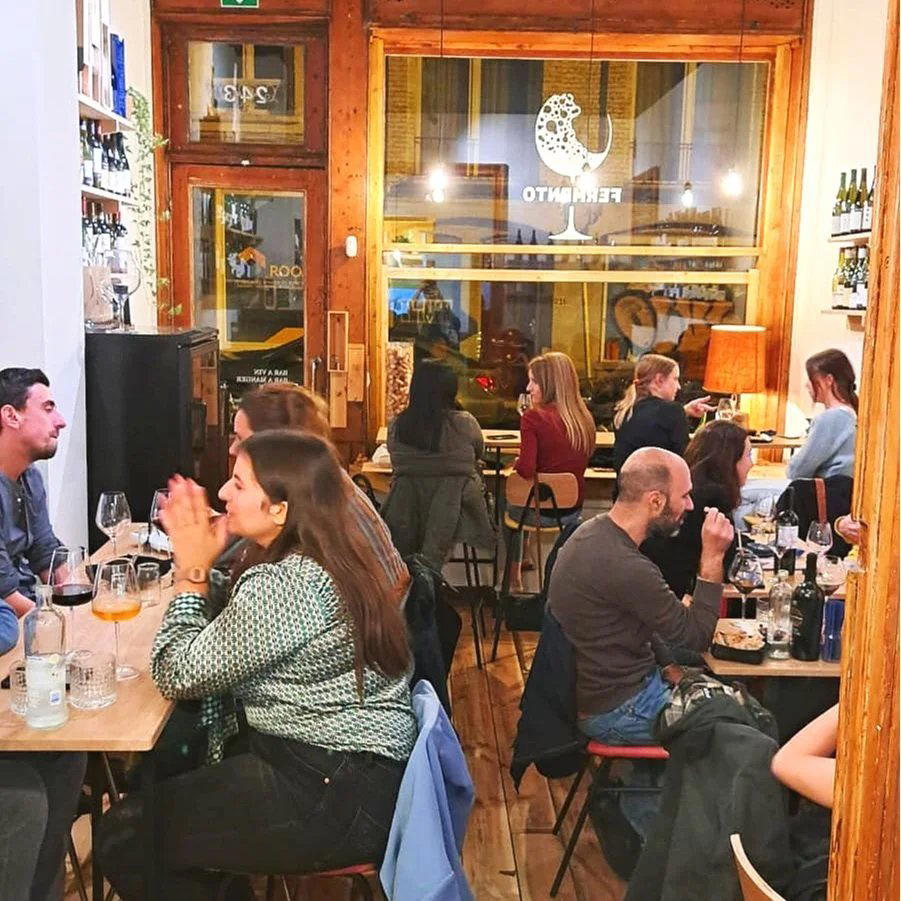
Restaurants in Namur
All restaurants in Namur →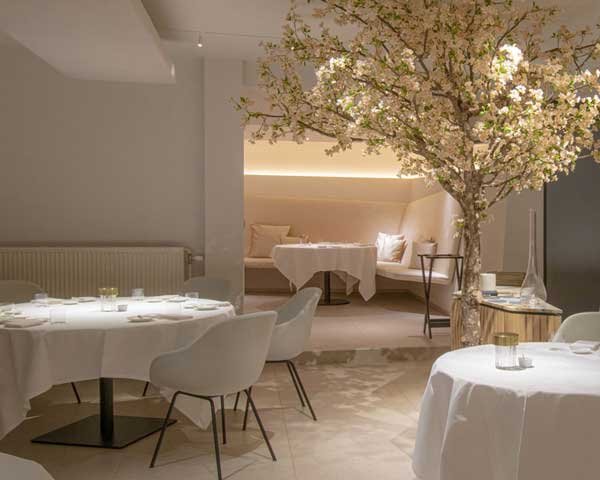
Hotels in Namur
All hotels in Namur →
Wineries in Namur
Browse all →

Details
- Cozy
- Intimate
- Elegant
- Date Night
- Casual Hangout
- Standalone
- Seated Bar
- Lounge Seating
- Conventional Wine
Current opening hours
- Monday
- Closed
- Tuesday
- 5 PM–12 AM
- Wednesday
- 5 PM–12 AM
- Thursday
- 5 PM–12 AM
- Friday
- 4 PM–12 AM
- Saturday
- 12 PM–12 AM
- Sunday
- Closed
Hours can change for holidays and private events. Last verified .
Cozy and warm with a grown-up, friendly atmosphere ideal for intimate evenings.