

1 Michelin Key · Mr & Mrs Smith Seal of Approval
An 18th-century red-brick manor in Belgium's Ardennes, Chateau de Vignée pairs a storybook exterior with 24 rooms of contemporary design. The on-site restaurant Arden, led by a chef with credentials from Belgium's serious kitchen circuit, works from a hotel greenhouse. At $567 per night, it sits in a tier where architecture, table, and landscape are the combined argument for the rate.

Pearl is the En Primeur Club membership app, where members save venues, book tables and use the concierge.
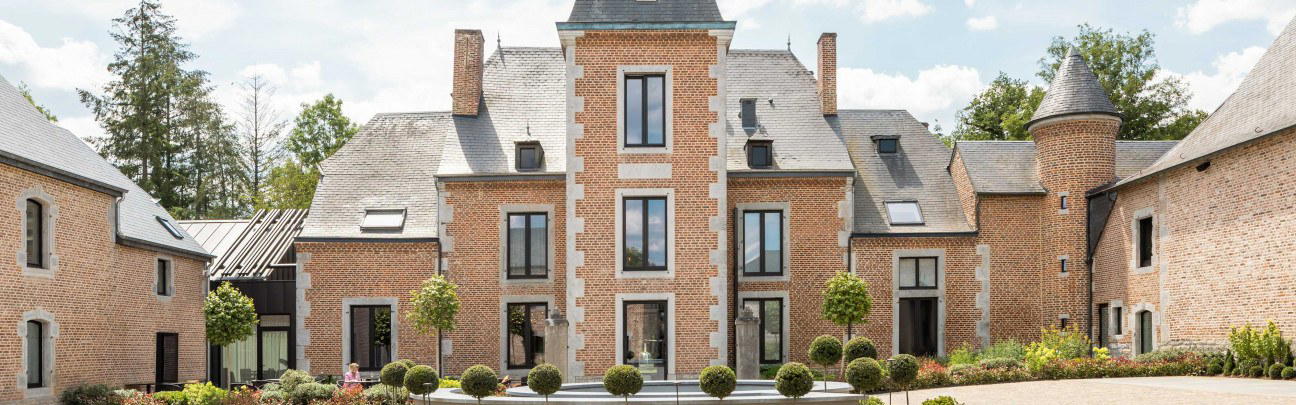
Red Brick and Turrets: What the Architecture Is Actually Doing
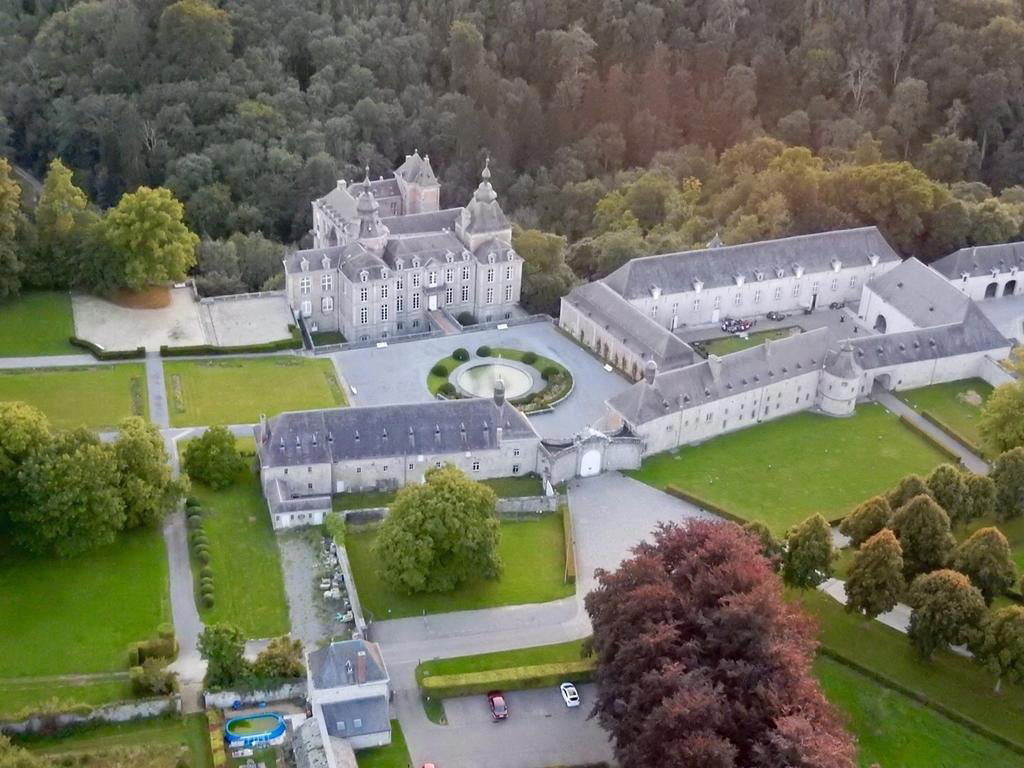
The Belgian Ardennes has a particular relationship with its historic built fabric. Farmhouses and manor houses here were constructed in local red brick with a practical solidity that resists the picturesque categories applied to, say, Loire châteaux or Rhineland castles. Chateau de Vignée, an 18th-century manor and farmhouse at Rue de Montainpré 27 in Rochefort, belongs to that regional tradition. Its turrets read as storybook from the approach road, but the building's mass is agricultural as much as aristocratic, the hybrid of working estate and gentry residence that characterises the Ardennes rather than the Loire. This is not a property converting palace grandeur into hospitality theatre. It is a rural Belgian manor house that has been adapted with restraint, and the restraint is the design argument.
For a broader selection of where to stay in Belgium, our full Rochefort restaurants guide covers the wider region in depth. Among château-style properties in Belgium, comparisons arise naturally with places like Kasteel van Ordingen in Sint-Truiden and Domaine du Château de Modave in Modave, both of which work within similar historic-structure briefs. The difference at Vignée is the combination of architectural type, the manor-farmhouse hybrid, with a dining operation that has an independent culinary identity.
Inside: The Contemporary Turn and Why It Works Here
The interior design choice at Chateau de Vignée is a studied counterpoint to the exterior. Where the building signals age and regionality, the 24 rooms and suites present contemporary luxury with what the property's own documentation describes as a soothingly sedate register. This is a deliberate strategy, and it is one that has become more common in European heritage conversions over the past decade. Rather than doubling down on period furnishings and ancestral portrait paintings, the property separates historical shell from interior language. The result is that guests occupy a genuinely old building without the museum-fatigue that comes with overly literal period restoration.
Twenty-four rooms is a considered scale. It places Chateau de Vignée in the small-luxury category, where individual attention and a degree of quiet are structural features rather than amenities to be promised in brochures. At $567 per night, the rate reflects that positioning. Properties at this price in the Belgian countryside are typically competing on the combination of landscape, architecture, and table, not on facilities that rival urban hotels. The spa, positioned by the banks of the Lesse river, reads as an extension of the landscape logic rather than a standalone amenity.
For reference, Belgian luxury hotel properties in urban settings operate in a different competitive frame entirely. Le Louise Hotel Brussels and Corinthia Grand Hotel Astoria Brussels represent the city-centre proposition, where the value exchange is proximity to Brussels' institutions and dining scene. Hotel Agora Brussels Grand Place and Radisson Collection Hotel, Grand Place Brussels occupy the heritage-urban intersection. Chateau de Vignée is making a different case: that the Ardennes landscape is itself the draw, and that the hotel's job is to frame access to it without competing with it.
Restaurant Arden: The Greenhouse Argument
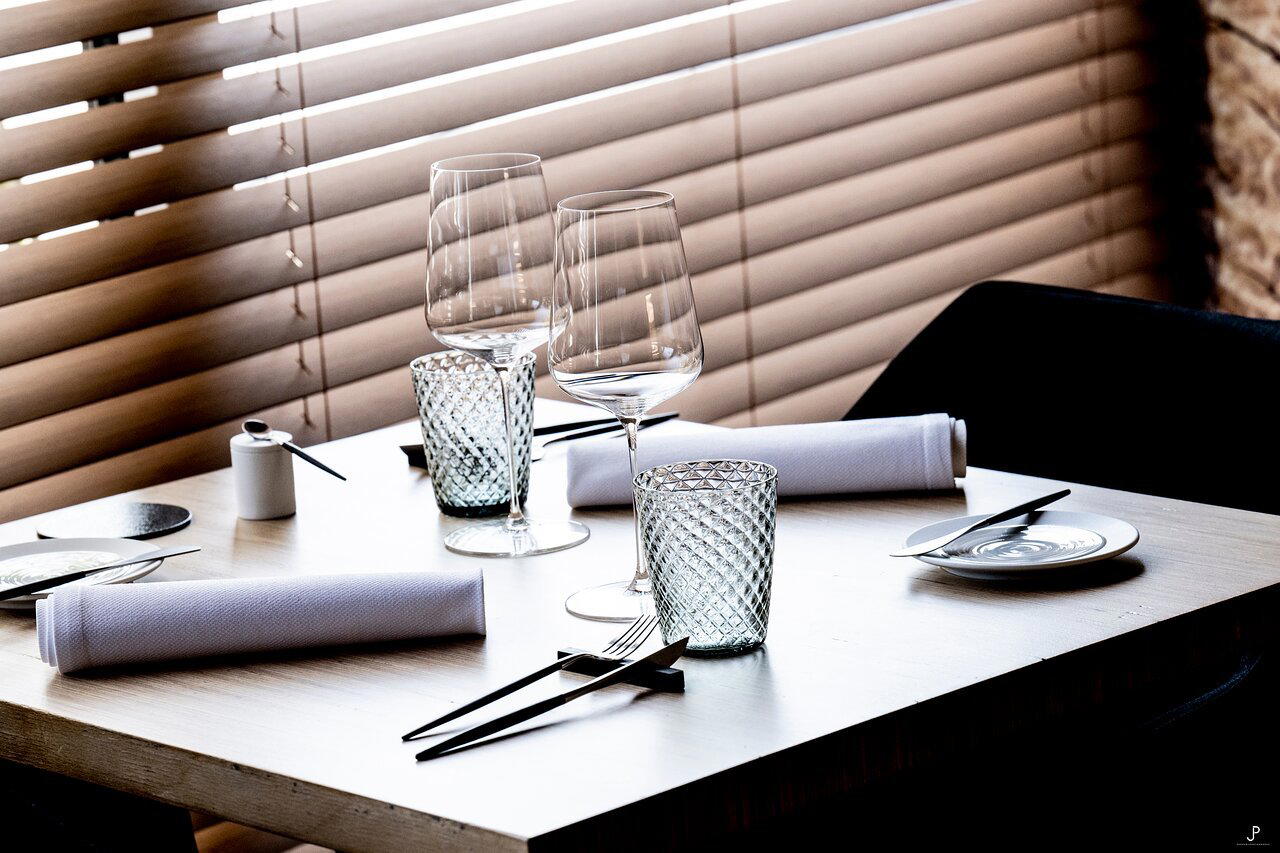
Belgian country-house hotels with serious restaurants are not a large category, which is what makes the Arden offering at Chateau de Vignée worth noting editorially. Chef Marius Bosmans comes with credentials from Belgium's serious kitchen circuit, which in practical terms means training alongside the country's more demanding culinary standards. The kitchen's commitment to vegetables grown in the hotel's own greenhouse is not simply a marketing position; it is a production constraint that shapes the menu's seasonal rhythm and tightens the relationship between the property's land and its table.
The greenhouse-to-kitchen model has become more common at European estate hotels, but its success depends on execution discipline at the restaurant level. At properties where the farm or garden is prominent in the branding, the test is whether the produce quality actually drives the cooking or whether it functions primarily as a talking point. At Vignée, the presence of a chef with serious Belgian kitchen background suggests the former, the produce is the raw material for a disciplined culinary operation rather than a decorative premise. Internationally, properties like Castello di Reschio in Lisciano Niccone operate within a comparable estate-and-table logic, where the land produces for the kitchen rather than simply existing around it.
The Ardennes Context
Rochefort sits in the Belgian Ardennes, a region that draws cross-border visitors from Germany, Luxembourg, and the Netherlands as well as from Brussels, roughly two hours by road. The Lesse valley, which the property adjoins, is Ardennes walking and cycling country, and the landscape's density and scale differ significantly from the managed parkland of French châteaux country. This is a forested, river-threaded terrain where the hotel's position by the water has genuine environmental logic, the spa's placement by the Lesse is a direct acknowledgment of what the location offers that architecture cannot manufacture. Among Belgian rural properties, Domaine La Butte aux Bois in Lanaken and Julevi in Eupen also work within the country-house-in-landscape brief, but the Ardennes terrain at Rochefort has a particular wildness that positions it differently from the rolling farmland of the Flemish countryside or the gentler Limburg hills.
Planning Your Stay
Chateau de Vignée operates as a small estate hotel at $567 per night across 24 rooms and suites. The property is at Rue de Montainpré 27, 5580 Rochefort. Rochefort is most efficiently reached by car from Brussels, which places the hotel in practical range for a two-to-three night stay. The Ardennes' seasons pull in different directions: summer is the peak for river activity and trail access, while the late autumn and winter months bring a different character to the forested landscape, one that suits a hotel of this interior register more than a beach resort equivalent would. Those planning around the restaurant Arden should approach booking with the same planning horizon as other serious Belgian country-house tables, where demand from regional visitors with the property on their radar can be meaningful. No walk-in availability should be assumed at either the hotel or the restaurant.
For those building a broader Belgian itinerary that combines rural and urban stays, the property pairs logically with a Brussels night at Hotel Julien in Antwerp or B&B The Verhaegen in Ghent before or after the Ardennes leg. Those comparing the Belgian château experience against European peers in other countries might look at Cheval Blanc Paris or Badrutt's Palace Hotel in St. Moritz as reference points for what historic architecture plus serious hospitality looks like at different price tiers and national contexts. Farther afield, Aman Venice and Hotel Bel-Air in Los Angeles represent the international small-luxury tier against which a property like Vignée measures its own proposition. For wilderness-and-architecture combinations at global scale, Amangiri in Canyon Point is the benchmark that most estate hotels are implicitly competing with when they describe landscape as a feature. Closer to home, Pantone Hotel Brussels and Pestana Brussels Schuman cover the design-led Brussels option for those pairing city and country. And for those for whom the table is the primary argument at any property, Bvlgari Hotel Tokyo and Hôtel de Paris Monte-Carlo illustrate how the hotel restaurant as serious culinary address plays at the global luxury end. Hotel Du Cap-Eden-Roc, Aman New York, and The Fifth Avenue Hotel in New York City round out the international reference set for those contextualising Vignée's positioning within the broader small-luxury hotel tier. Boutiquehotel 't Fraeyhuis in Bruges provides a Belgian domestic comparison point at the boutique end.
Comparable Venues
Comparable venues nearby, for context on price, style, and recognition.
| Venue | Cuisine | Price | Awards | Notes |
|---|---|---|---|---|
| Chateau de VignéeThis venue (the venue you are viewing) | Restored 17th-century château blending historic charm with modern luxury | Not listed | 1 Michelin Key · Mr & Mrs Smith Seal of Approval | Not listed |
| Pillows Grand Boutique Hotel Reylof Ghent | Historic boutique mansion with contemporary updates | $200–300 | 1 Michelin Key · Mr & Mrs Smith Seal of Approval | Elisabethbegijnhof - Prinsenhof - Papegaai - Sint-Michiels |
| 1898 The Post | Neo-Gothic heritage boutique | $100–200 | 1 Michelin Key · Mr & Mrs Smith Seal of Approval | Binnenstad |
| Domaine La Butte aux Bois | Historic manor house with contemporary villa and forest room accommodations; blends 1924 castle heritage with modern luxury design. | $300–500 | 1 Michelin Key · Small Luxury Hotels of the World Member | Lanaken |
| Hotel Amigo, a Rocco Forte Hotel | Historic luxury hotel with contemporary design elements reflecting Belgian heritage and European sophistication. | $300–500 | 1 Michelin Key · La Liste Top Hotels | Pl. de Brouckere |
| Hotel De Witte Lelie | Historic 16th-century townhouses reimagined as an elegant contemporary hideaway. | Not listed | 1 Michelin Key · Small Luxury Hotels of the World Member | old town |
Recognition history
Dated appearances from independent guides and award organizations, with the underlying list record or original source where available.
Michelin 1 Key
Michelin
Mr & Mrs Smith Seal of Approval
Mr & Mrs Smith
Full recognition history (3 entries)
Michelin 1 Key
Michelin
Continue exploring
More in Rochefort
Hotels in Rochefort
All hotels in Rochefort →
Bars in Rochefort
Browse all →
Restaurants in Rochefort
All restaurants in Rochefort →
Wineries in Rochefort
Browse all →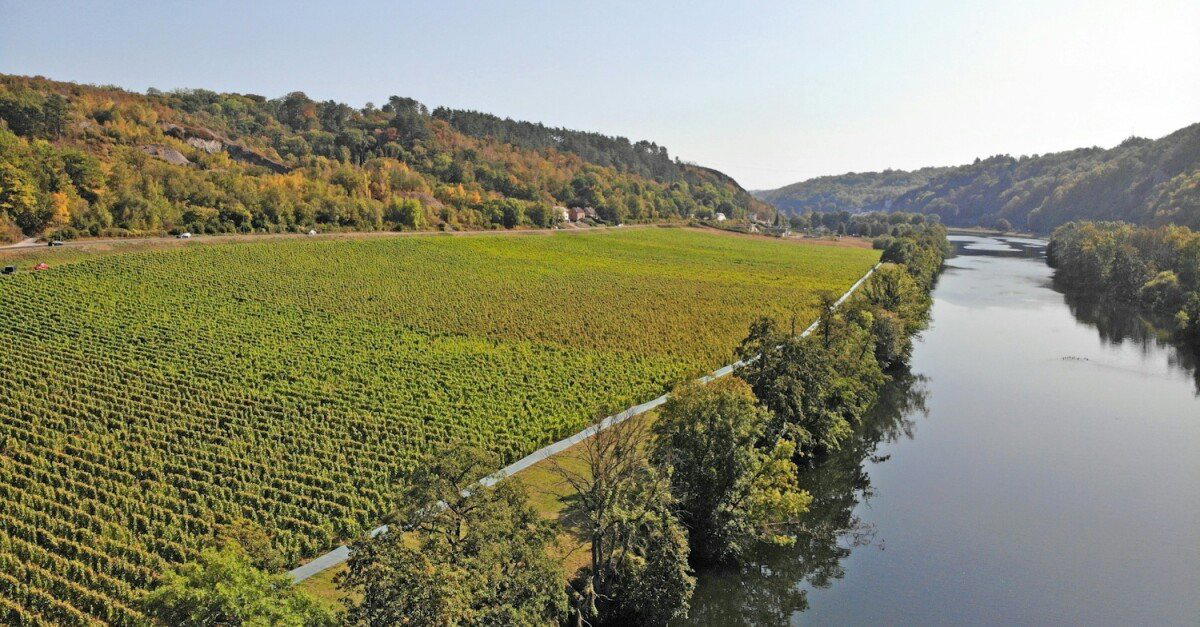
Details
- Romantic
- Elegant
- Scenic
- Cozy
- Sophisticated
- Romantic Getaway
- Anniversary
- Weekend Escape
- Historic Building
- Panoramic View
- Wi Fi
- Pool
- Spa
- Sauna
- Room Service
- Concierge
- Restaurant
- Fitness Center
- EV Charging
- Garden
- Waterfront
- Wheelchair Accessible
- Elevator
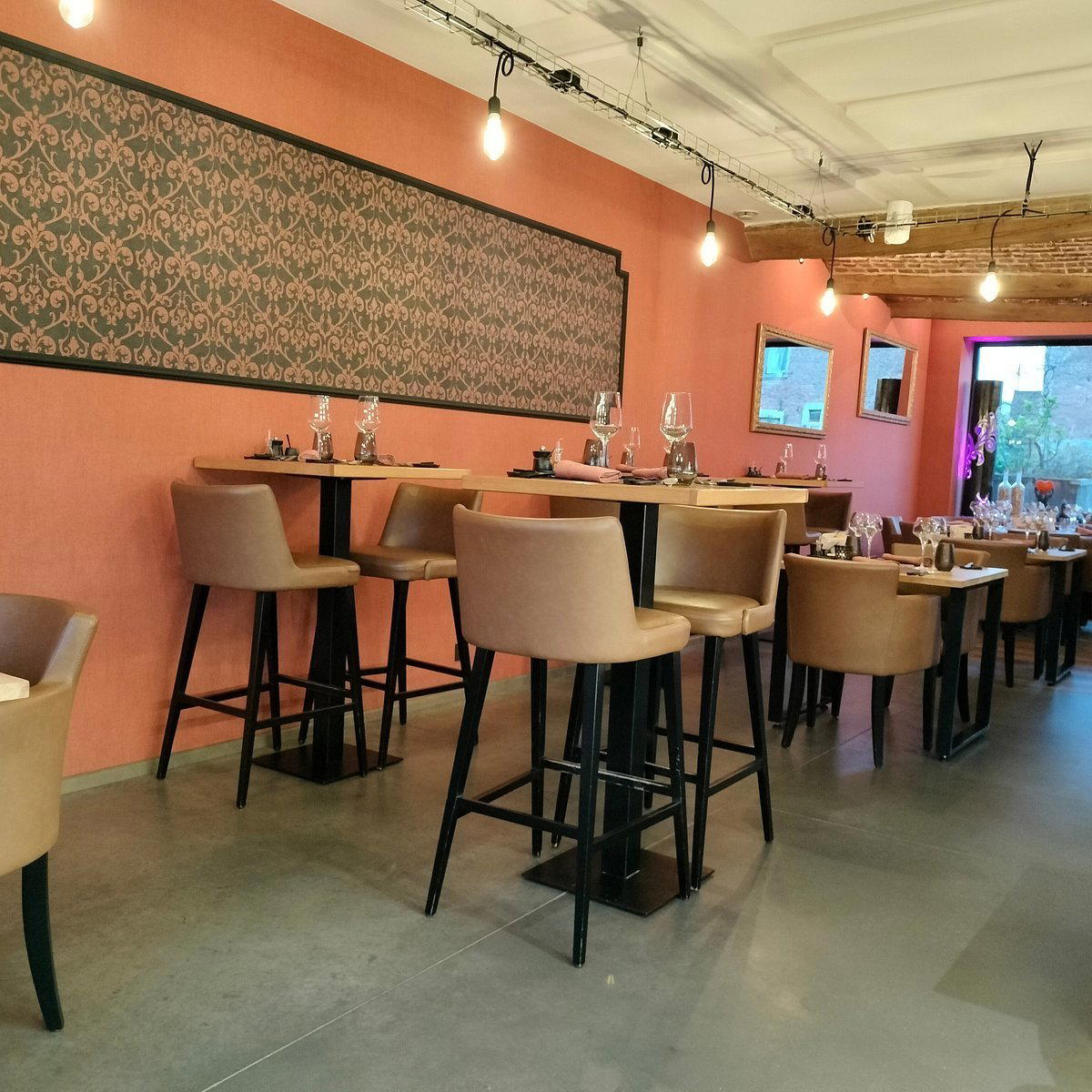
Elegant and cozy with beautiful interiors, natural light from large windows, and a serene, romantic atmosphere enhanced by attentive service and scenic surroundings.