


Melchior holds a Michelin star in Tienen, Belgium, with chef Gilles Melchior applying classical French technique to regional produce. The kitchen sits within the Jong Keukengeweld generation of Belgian fine dining, with dishes ranging from Zeeland clams and Merus crab to sweetbreads with Comté. Priced at the €€€€ tier and recognised by Star Wine List, it represents one ambitious table in this mid-Brabant market town.
Pearl is the En Primeur Club membership app — saves, bookings, and concierge access live there. Same editors, same standards.
- Address
- Veemarkt 47, 3300 Tienen, Belgium
- Phone
- +32 16 35 54 74
- Website
- melchi-or.be
- Directions
- Get directions
 Saves & bookings on Pearl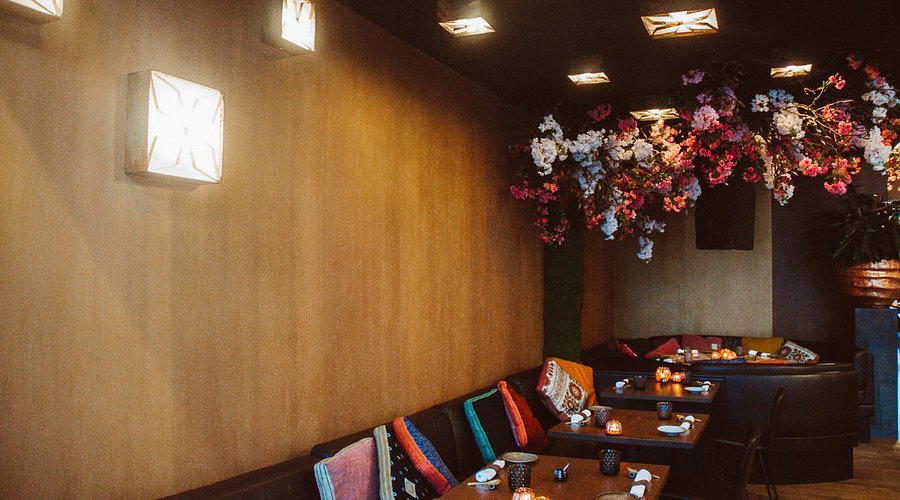
A Michelin Star in the Flemish Heartland
Belgium's fine dining reputation tends to concentrate on Ghent, Brussels, and the coastal strip from Ostend to Knokke. Away from those corridors, a smaller set of restaurants has been quietly building serious kitchens in mid-sized Flemish towns where the competition is thinner but the scrutiny, particularly from Michelin, is no less demanding. Tienen, a market town in Flemish Brabant roughly equidistant between Leuven and Sint-Truiden, sits in that category. at the leading end, Melchior at Veemarkt 47 is the address that defines the ceiling.
The restaurant has held a Michelin star in both 2024 and 2025, confirming consistency rather than a single good year. It was also published on Star Wine List in September 2025 with a White Star designation, a signal that the cellar is taken as seriously as the kitchen. For a town this size, that dual recognition places Melchior in a comparable set that extends well beyond its immediate geography.
Where the Bistro Tradition Ends and Something Else Begins
The bistro, in the French sense, was always a contract between cook and diner: honest ingredients, technique that does not call attention to itself, and a room where the formality never became an obstacle. That contract survived the move from Paris arrondissements to Belgian provincial dining rooms largely intact, even as kitchens grew more ambitious. What the current generation of Belgian chefs has done is hold the contract while renegotiating the terms. Preparation has become more rigorous, sourcing more deliberate, and the wine list more considered, but the underlying proposition, that the food should feel earned rather than performed, remains.
Melchior operates in that revised tradition under Marcel von Winckelmann. The menu alternates classical and contemporary preparations in a way that resists a single label. Zeeland clams appear with sea fennel and basil, a combination that sits inside the classic French seafood vocabulary while the specific sourcing grounds it in the North Sea supply chain that Belgian chefs have always had privileged access to. Merus crab with paksoi, peanut, and yellow curry is a different register entirely, drawing on the South and Southeast Asian ingredient literacy that has moved steadily into Belgian fine dining over the past decade. Sweetbreads with salsify, Cevenne onion, and Comté return to something older: offal cookery that requires confidence and skill, paired with a cheese that places the dish firmly inside the Franco-Belgian corridor. The three dishes, taken together, describe a kitchen that is comfortable moving between registers without losing coherence.
The Jong Keukengeweld Context
Chef Marcel von Winckelmann leads the kitchen, bringing a training lineage that runs through the country's most demanding kitchens. That lineage matters here as a credential rather than a biographical point. Kitchens like Hof van Cleve in Kruishoutem and Arenberg function as finishing schools for Belgian fine dining; chefs who pass through them arrive with a specific fluency in classical technique under high-pressure conditions. The Jong Keukengeweld label does not guarantee a Michelin star, but it signals where a chef sits in the generational structure of Belgian cooking and who their implicit peers are.
Those peers operate across Belgium at the €€€€ price point in Modern French and creative Flemish registers. Boury in Roeselare represents the West Flemish end of that cohort; Zilte in Antwerp occupies the urban end. Melchior's position is the small-city variant, where the dining room is not competing for the same tourist or corporate audience as an Antwerp or Ghent restaurant, but where the cooking is evaluated against the same national standard.
The Wine Program
The Star Wine List White Star recognition, published in September 2025, puts Melchior inside a select tier of Belgian restaurants where the wine program is considered independently worthy of attention. At the €€€€ price point, a serious wine list is an expectation rather than a surprise, but the White Star designation implies a level of curation and depth that goes beyond a competent by-the-glass selection. For diners planning a longer lunch or a special occasion dinner, that recognition is a practical guide: the cellar is worth exploring, not just defaulting to.
Belgium's broader wine culture leans heavily on Burgundy and the northern Rhône for fine dining pairings, a preference that aligns naturally with a Modern French kitchen drawing on Comté, sea fennel, and classical offal preparation. For context on how Belgian fine dining wine programs compare across the country, the restaurants at L'Eau Vive in Arbre and La Durée in Izegem offer useful comparison points in the same price tier.
Tienen as a Dining Destination
Tienen is not a destination that most international visitors will arrive at by design. It functions primarily as a regional centre, and its dining scene reflects that: a concentration of everyday options, a smaller layer of mid-range Flemish cooking, and at the leading, a single fine dining address that would be unremarkable to find in Leuven but registers differently here because the competition thins out so quickly below it. De Refugie, with its farm-to-table approach, represents the other serious end of the Tienen dining spectrum, but the two restaurants are not competing for the same occasion.
For visitors staying in the area, our full Tienen hotels guide covers accommodation options, while the bars guide maps where to continue an evening after dinner. Those planning a day trip from Brussels or Leuven should treat Melchior as the anchor for the visit rather than one stop among several; the kitchen operates at a level that rewards full attention, not a rushed midweek lunch squeezed between other obligations.
Diners who want to place Melchior inside a wider Belgian fine dining itinerary will find useful comparison in Bartholomeus in Heist, Willem Hiele in Oudenburg, and d'Eugénie à Emilie in Baudour. For the Modern French register specifically, international comparisons with Sketch in London and Schanz in Piesport help calibrate where this style sits across European fine dining. Bozar Restaurant in Brussels offers the closest urban point of comparison for diners also spending time in the capital. The Tienen wineries guide and experiences guide round out the broader picture for those building a longer stay around the region. Ralf Berendsen in Neerharen also merits attention for those working through the Belgian fine dining map systematically.
Planning a Visit
Melchior sits at Veemarkt 47 in the centre of Tienen, on a square that would have hosted livestock markets for centuries before becoming a restaurant address. The €€€€ price tier aligns with the Michelin one-star bracket in Belgium, where tasting menus at this level typically run into triple figures per person before wine. Booking in advance is advisable; one-star restaurants in smaller Belgian cities often run at high occupancy because the catchment for fine dining extends across the province rather than just the immediate neighbourhood.
Cost and Credentials
Comparable venues nearby, for context on price, style, and recognition.
| Venue | Cuisine | Price | Awards | Notes |
|---|---|---|---|---|
| MelchiorThis venue — the venue you are viewing | Tienen city center, Modern French Fusion | $$$$ | Michelin 1 Star | Not listed |
| De Refugie | Tienen, Franco-Belgian Bistronomy | $$ | Michelin Plate | Not listed |
| Fidalgo | Tienen, French-Belgian Fine Dining | $$$ | Not listed | Not listed |
| Cotto | Tienen, Modern Italian Fine Dining | $$$ | Not listed | Not listed |
| JER | city center, Modern French Fine Dining | $$$$ | Michelin 1 Star | Not listed |
| Maison Alain Bianchin | Not listed | $$$$ | Michelin 1 Star | Overijse, Modern French with Asian Influences |
Recognition history
Dated appearances from independent guides and award organizations, with the underlying list record or original source where available.
Michelin 1 Star
Michelin
Star Wine List
Star Wine List
Michelin 1 Star
Michelin
We're Smart World 4 Radishes
We're Smart World
Michelin 1 Star
Michelin
Continue exploring
More in Tienen
Restaurants in Tienen
Browse all →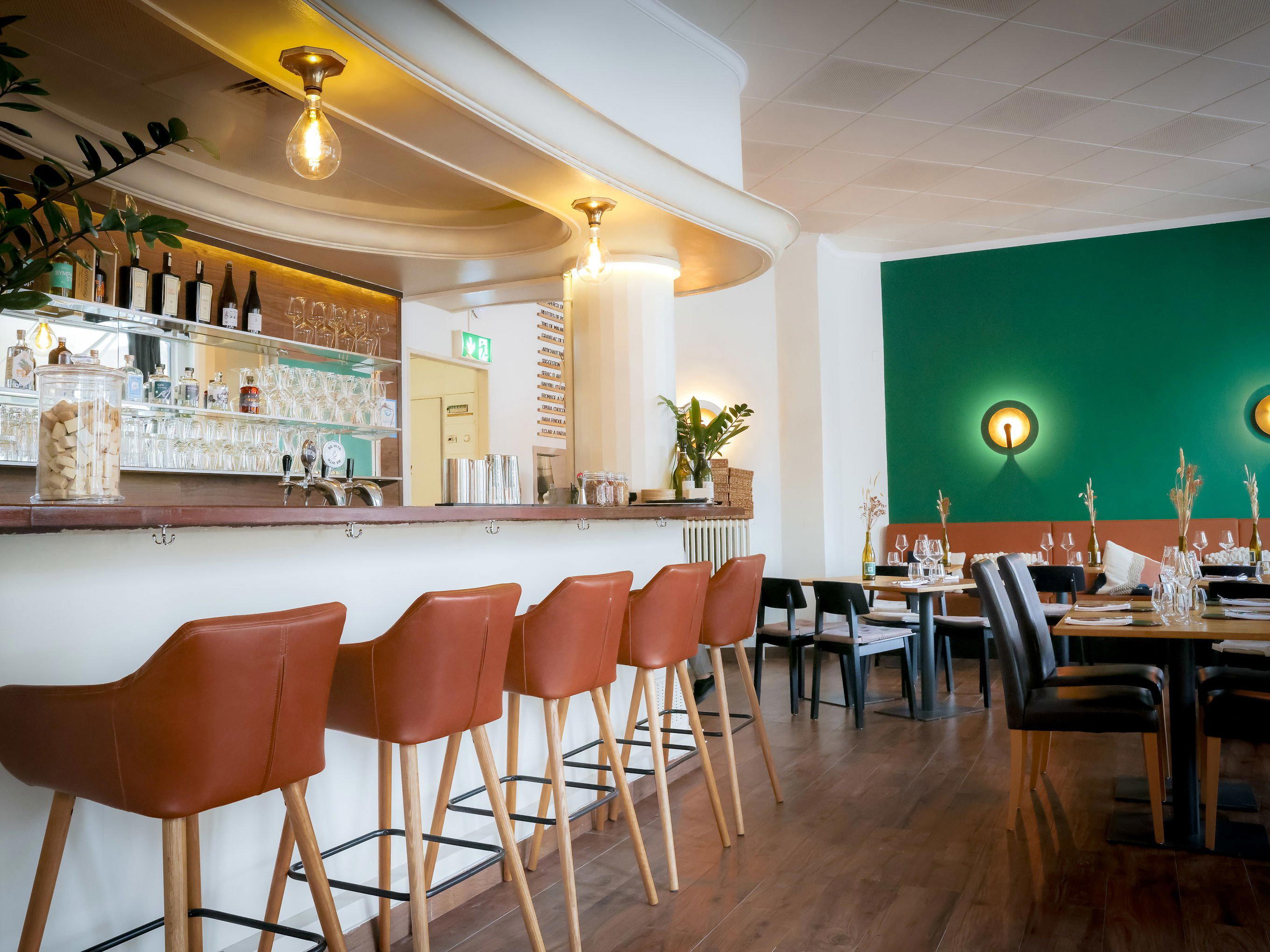
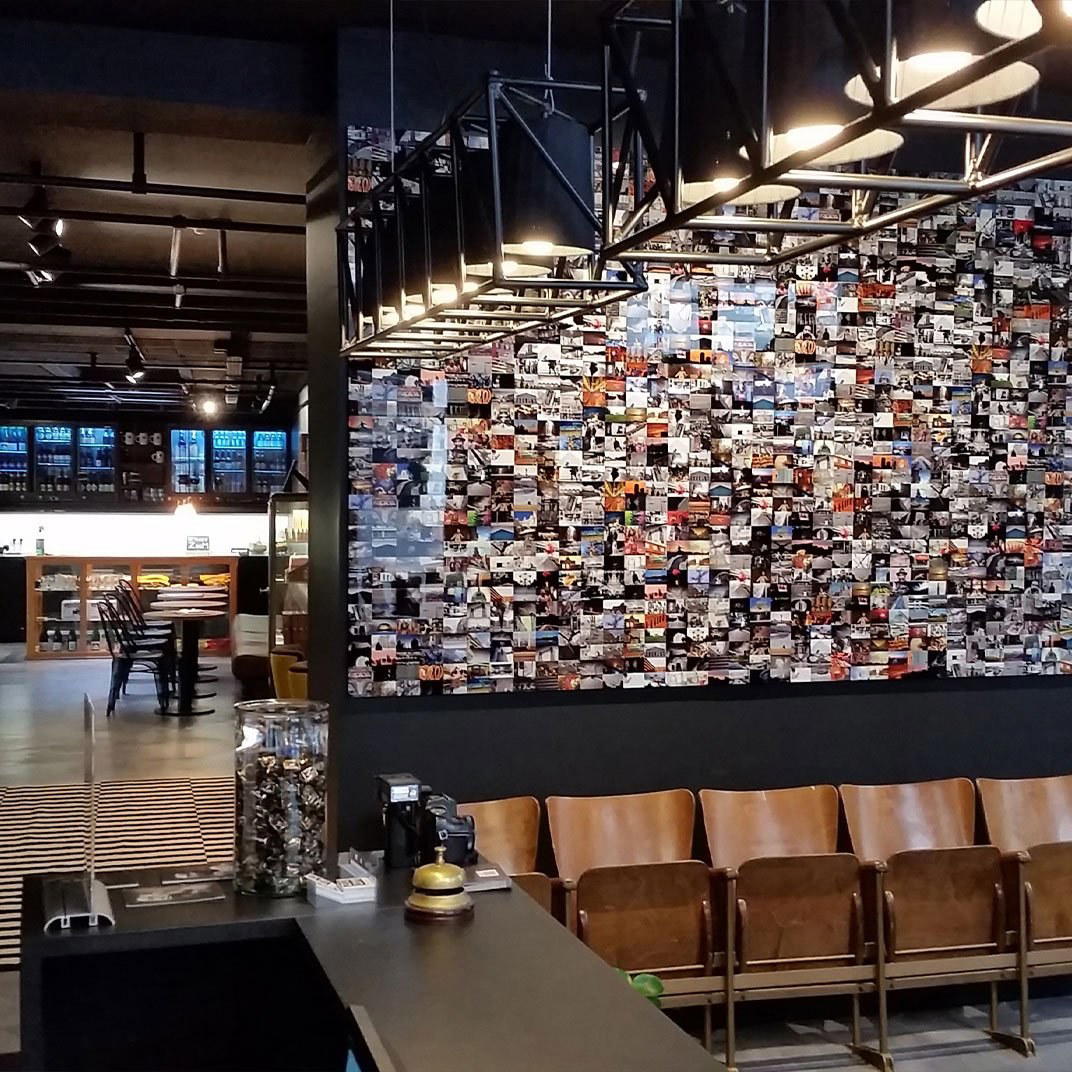
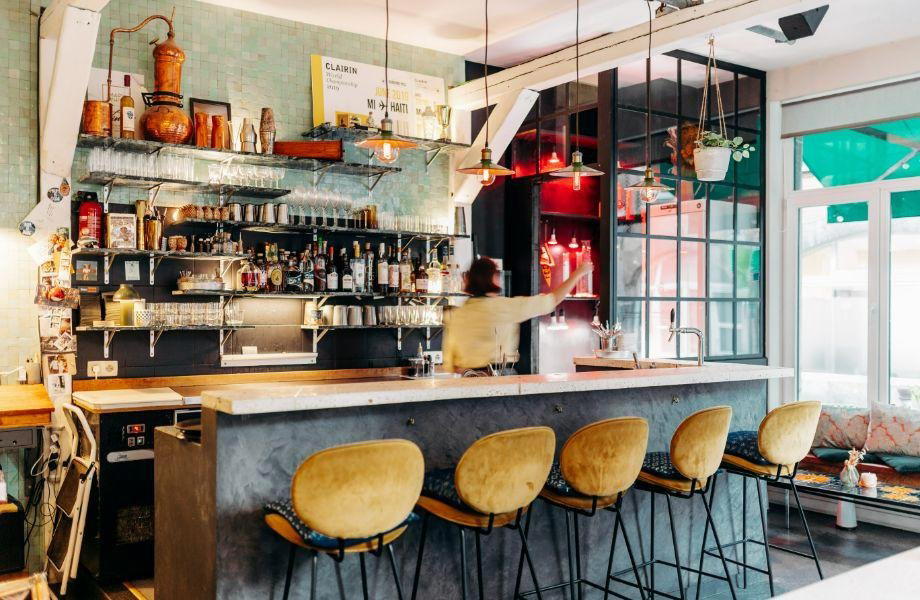
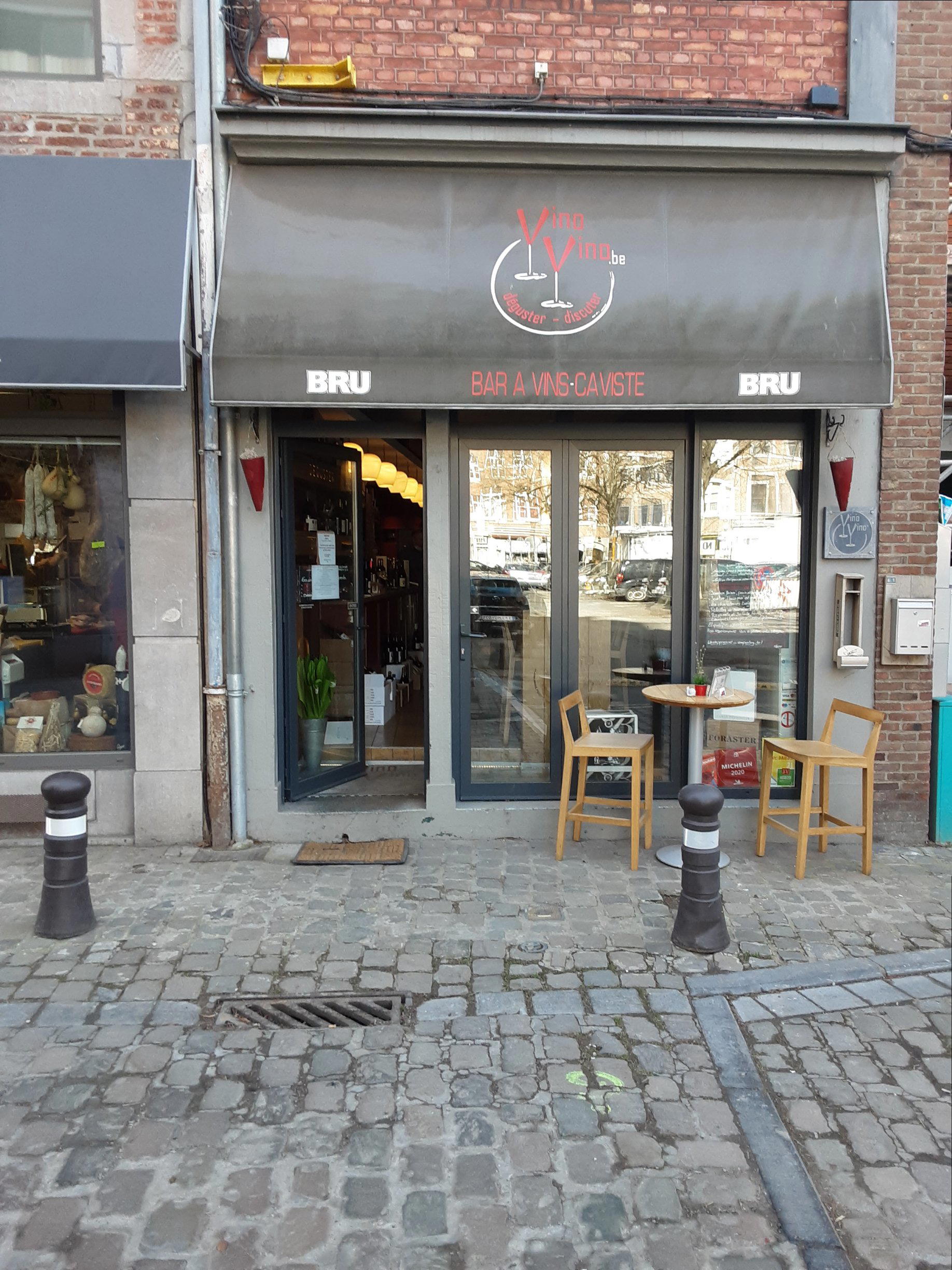
Bars in Tienen
Browse all →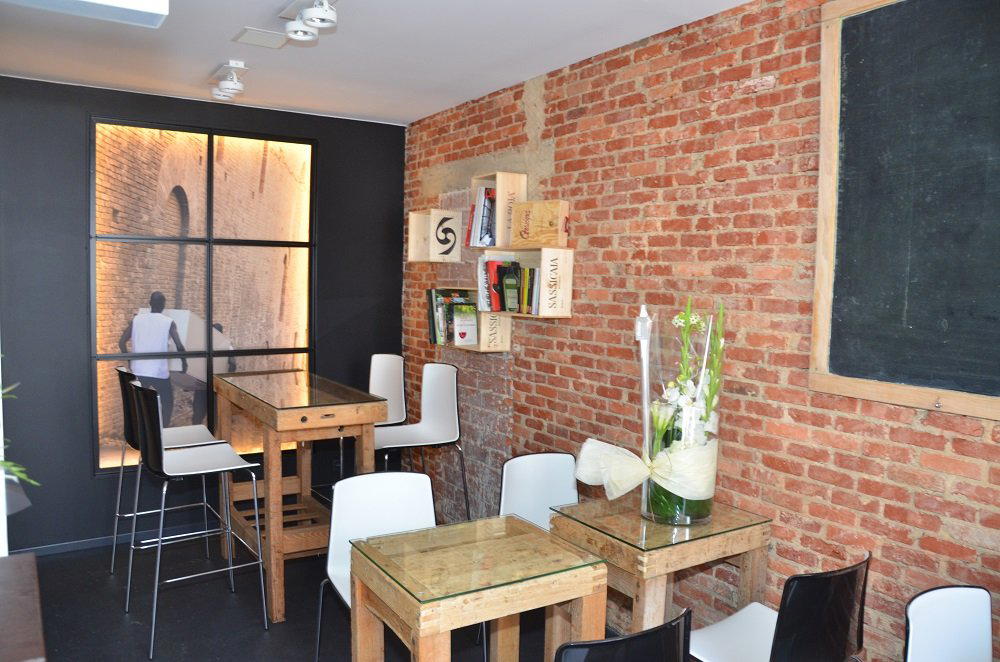
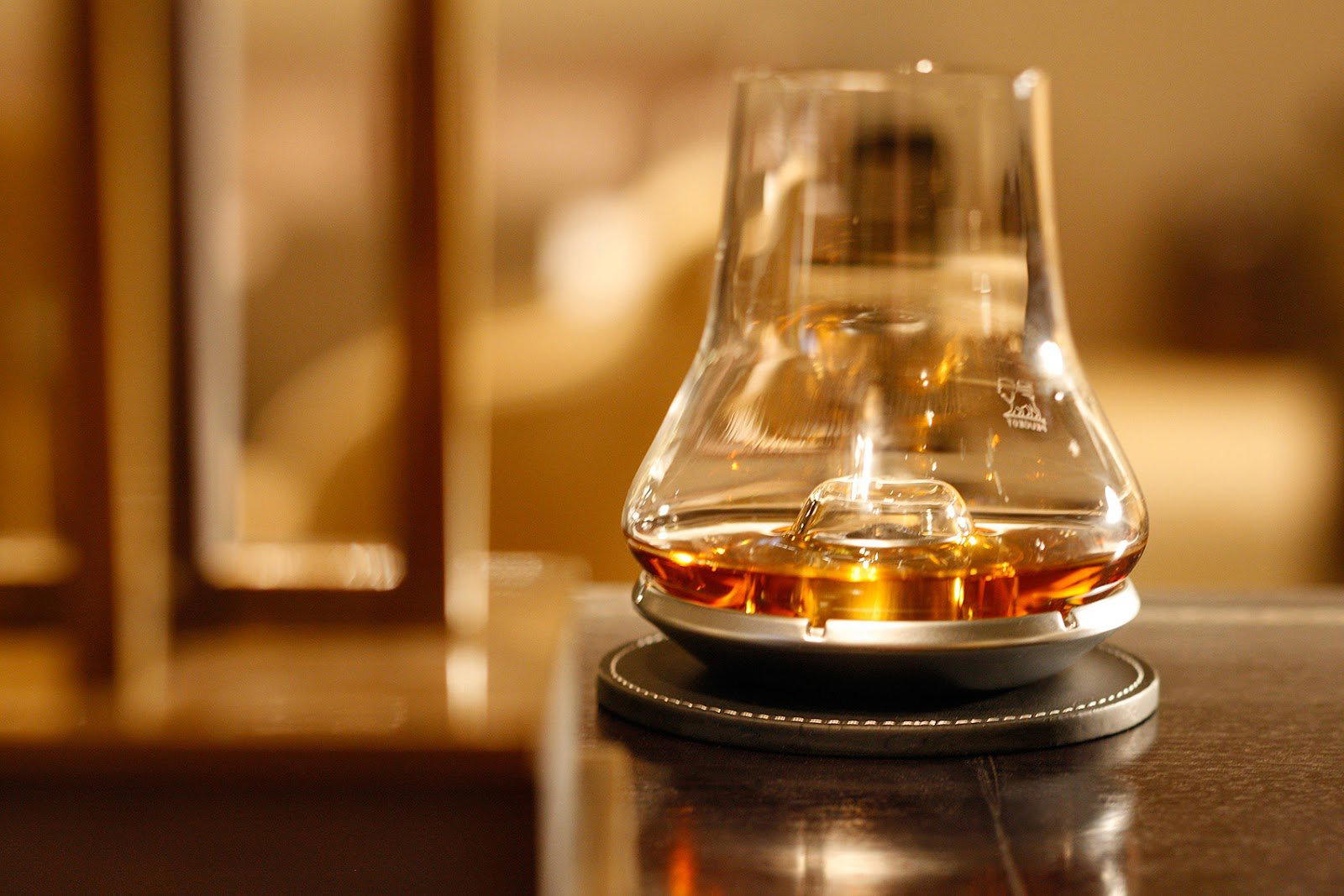
Hotels in Tienen
Browse all →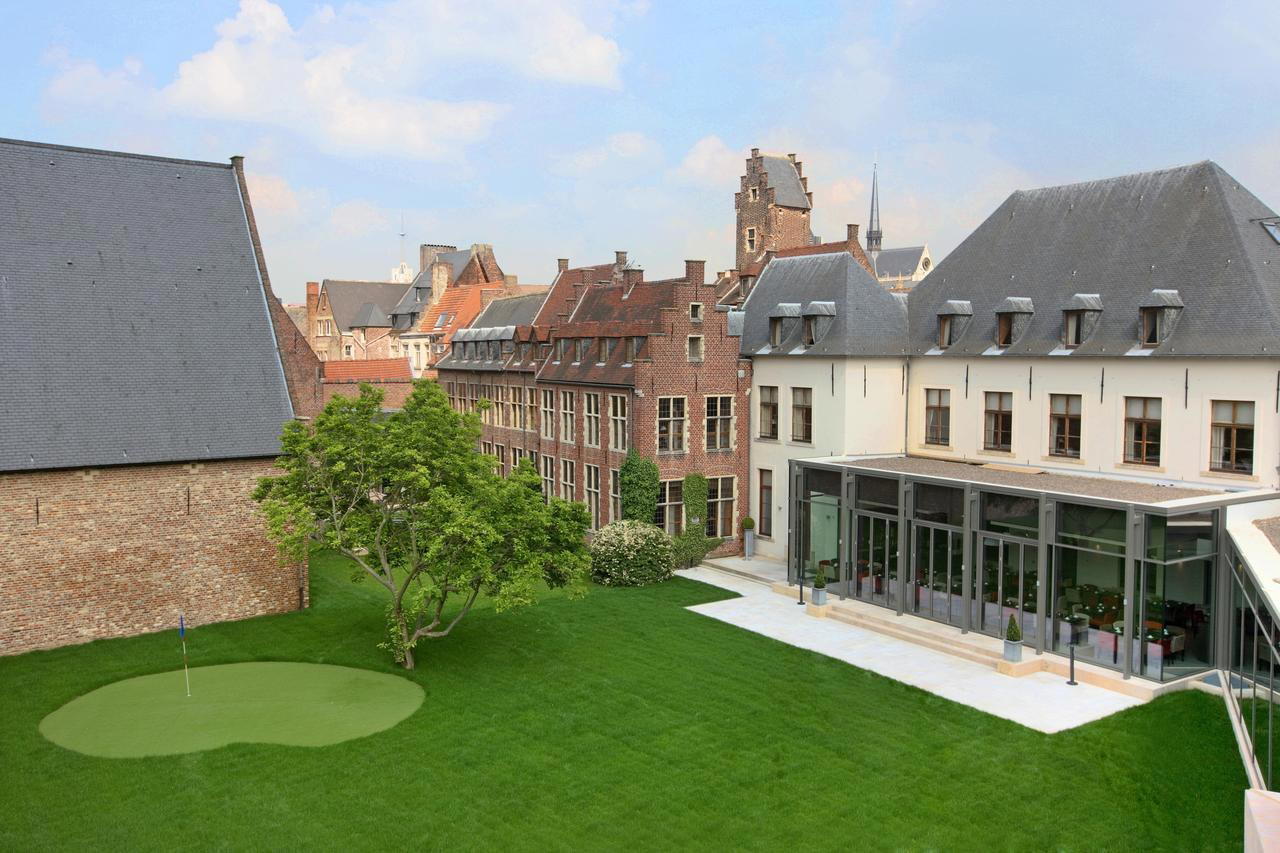
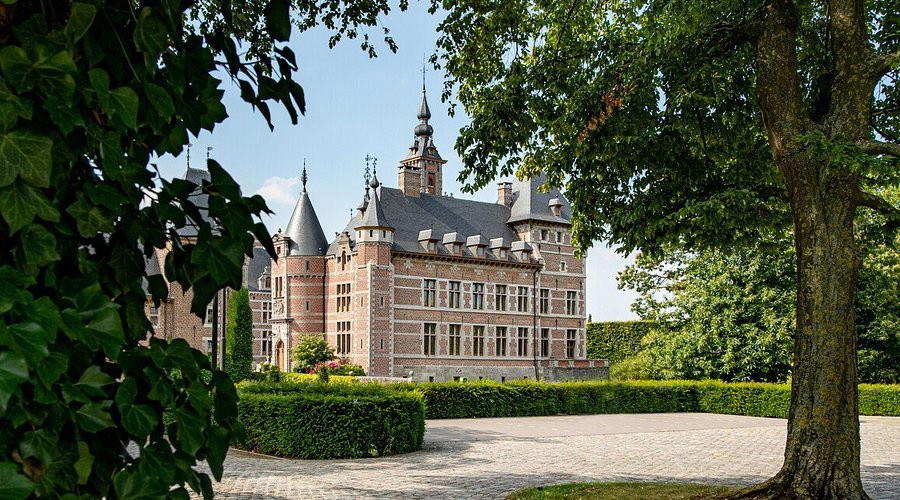
Wineries in Tienen
Browse all →
At a Glance
- Elegant
- Modern
- Cozy
- Sophisticated
- Trendy
- Date Night
- Special Occasion
- Celebration
- Business Dinner
- Open Kitchen
- Historic Building
- Design Destination
- Standalone
- Extensive Wine List
- Sake Program
- Local Sourcing
Current opening hours
- Monday
- Closed
- Tuesday
- 12–1:15 PM, 7–8:30 PM
- Wednesday
- 12–1:15 PM, 7–8:30 PM
- Thursday
- 12–1:15 PM, 7–8:30 PM
- Friday
- 12–1:15 PM, 7–8:30 PM
- Saturday
- Closed
- Sunday
- Closed
Hours can change for holidays and private events. Last verified .
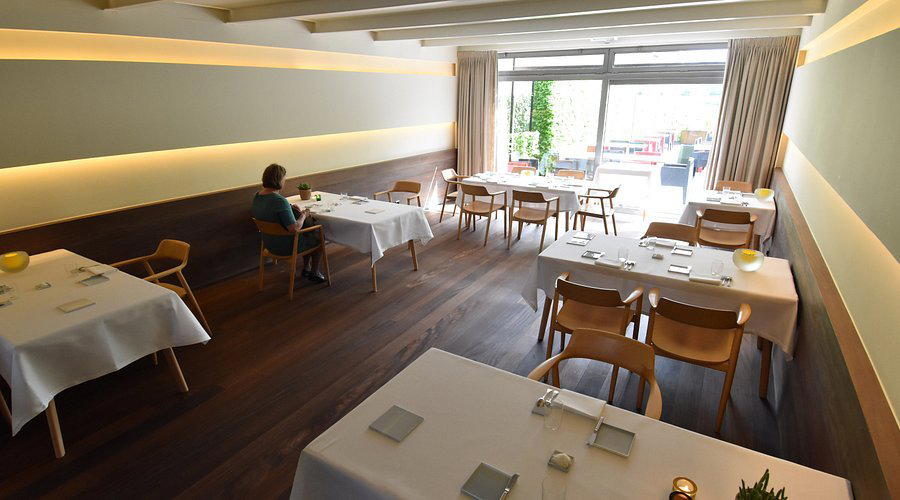
Historic 16th-century brick building with high ceilings, Scandinavian-inspired modern interior design, trendy graffiti on terrace, intimate lighting with a sophisticated yet welcoming atmosphere.