
El Raco Den Takeuchi brings Catalan cooking into Kobe’s Sannomiya orbit, where compact rooms and reservation-led dining suit the city’s evening rhythm. Its Tabelog Spanish Cuisine 100 selection for 2026, wine focus, fish emphasis, and 11-seat scale place it in a more specialist bracket than casual Spanish counters.
Pearl is the En Primeur Club membership app — saves, bookings, and concierge access live there. Same editors, same standards.
- Address
- Japan, 〒650-0011 Hyogo, Kobe, Chuo Ward, Shimoyamatedori, 2 Chome−13−13 131F
- Phone
- +81 80-4709-8067
- Website
- elracoden.jimdofree.com
 Saves & bookings on Pearl
Shimoyamatedori sits close enough to Sannomiya’s transport spine to feel central, yet moves at a slower tempo than the station-front rush. Its streets suit small rooms, longer dinners, and restaurants built on format discipline rather than spectacle. El Raco Den Takeuchi belongs to Kobe’s quieter premium dining culture: compact, reservation-led, wine-aware, and shaped around a Catalan frame, not the shorthand of “Spanish restaurant.”
Kobe’s dining reputation often turns on beef, port-city cosmopolitanism, and polished hotel restaurants, but its more interesting evening map is narrower and more varied. Sannomiya and adjacent Motomachi support small specialist rooms that survive without chasing volume. Catalan cooking fits that ecology: seafood, rice, vegetables, olive oil, and wine, without French fine dining’s heavy formality or sushi’s counter ritual.
That distinction matters. Kobe has high-spend choices across genres: beef-focused rooms such as Aburi Niku Kobo Wakkoku Shinkobe ten, Aburi Niku Kobo Wakkoqu Kitano Sakamoto Ten, Miyasu, and Kobe Plaisir Honten pull diners toward the city’s meat identity, while Sushi Ueda represents the counter-led end of the market. El Raco Den Takeuchi occupies a smaller lane, closer to a European regional kitchen than a Kobe-brand showcase.
Catalonia gives Kobe's seafood instinct a different grammar
Catalan cuisine is not generic tapas culture. Its coastal cooking has deep ties to fish, stews, rice, shellfish, cured elements, and wine; inland Catalonia adds vegetables, beans, game, and slow-cooked sauces. In Japan, that specificity works when a kitchen avoids Spanish clichés.
The public positioning is explicit: the cooking is based on Catalonian dishes, with particular attention to fish. That is a useful signal in Kobe, where good seafood access and a port-city appetite for European forms have long overlapped. The result is not a substitute for Barcelona, nor a tourist version of Spain. The better question is how a small Kobe room translates Catalan structure through Japanese procurement and pacing.
The 2026 Tabelog Spanish Cuisine 100 selection gives that translation outside validation. Tabelog’s Hyakumeiten lists are not Michelin stars, but in Japan they matter because they identify category specialists, not only luxury restaurants. A Spanish entry in Kobe competes against stronger local reflexes: beef, sushi, French, kappo, and Italian. Recognition places the restaurant in a national conversation about Spanish cooking in Japan, beyond neighbourhood-favourite status.
Its Tabelog score of 3.55 also needs local reading. On Tabelog, scores above the mid-threes can indicate serious traction, especially for small specialist restaurants outside Tokyo’s highest-visibility circuits. The stronger signal is the combination of score, category recognition, and format: small room, wine-led service, and Catalan focus. Those details point to diners who already know why they are choosing regional Spanish cooking in Kobe.
The Sannomiya advantage is intimacy, not scale
Sannomiya’s strength is concentration. Dinner can sit within walking distance of coffee shops, bars, station routes, and the late-evening drift toward Motomachi, so the night need not begin and end at the table. The neighbourhood supports pre-dinner coffee at Akaneya Coffee Ten, casual detours such as Akari or Ali's Halal Kitchen, and broader routing through the city’s dining map via Our full Kobe restaurants guide.
The 11-seat scale changes the rhythm. Small restaurants in Japan can feel formal without luxury decoration because every delay, pour, and conversation carries across the room. Here, that matches guidance that meals should be leisurely and service may move slowly when the kitchen has limited hands. That is not a flaw in this category; it is the contract. Diners seeking speed are choosing the wrong format.
Wine is another marker. Spanish cooking in Japan often splits between casual glass-and-small-plate bars and structured rooms with sommeliers and longer meals. This room sits in the latter camp, with a sommelier available and parties commonly extending beyond 2.5 hours. The experience is nearer a composed evening than a drop-in bar meal. The no-smoking policy and fragrance restraint are practical, since a small room magnifies both wine aromatics and personal scent.
Compared with Kobe peers, the positioning is precise. ESPICE operates in a higher dining bracket with a French-leaning luxury signal; quarto is more accessible in pricing and Italian in orientation; the beef restaurants lean into Kobe’s strongest international association. El Raco Den Takeuchi is for the diner who wants regional European cooking without losing the intimacy of a Japanese small-room format.
Who should choose this Catalan room over Kobe's safer signatures
This is a sharper choice for a second or third Kobe dinner than for a first symbolic meal in the city. Visitors chasing the classic Kobe beef narrative have obvious alternatives. Diners wanting a quieter, wine-shaped evening in Sannomiya, with fish and Catalan structure as the frame, will understand the appeal faster.
The reservation-only model and small capacity make planning part of the experience. Dietary limits require restraint because dairy products, shellfish, and blue fish are commonly used, and the restaurant asks guests to keep restrictions to a short list. Families can be accommodated when children order the same meals as adults, placing the room closer to adult dining than family-style flexibility.
For the surrounding trip, Sannomiya works as a hub rather than a single-purpose dining district. Travellers building a fuller Kobe stay can pair dinner research with Our full Kobe hotels guide, late-evening planning through Our full Kobe bars guide, regional drinking context in Our full Kobe wineries guide, and cultural pacing via Our full Kobe experiences guide.
Readers comparing Japanese dining more broadly can use the contrast to sharpen expectations: beef in Kamakura at -Grilled beef Sukiyaki- KAMAKURA TANUKIAN 鎌倉 たぬき庵 in Kamakura, charcoal tuna in Tokyo at. 鮪と炭火焼き うお炭 秋葉原店 in Tokyo, café culture at.cafe in Osaka, regional dining at.know in Kumamoto, Vietnamese cooking at (Shoku) Vietnam in Kawasaki, curry specialization at [Curry Senmon Ten] Maruyama Kyoju. in Sapporo, sake-bar culture at Jōdo Saké Bar in Los Angeles, and rice-ball craft at Onigiri Time in Pasadena. Against that spread, Kobe’s Catalan specialist feels less like an outlier than evidence of how regional foreign cuisines settle into Japan’s small-restaurant culture.
The Minimal Set
Comparable venues by cuisine and price in the same metro.
| Venue | Cuisine | Price | Notes |
|---|---|---|---|
| El Raco Den TakeuchiThis venue — the venue you are viewing | Not listed | $$ | Not listed |
| BARMOS | Nada, Authentic Spanish tapas & paella | $$ | Not listed |
| Grill Ippei Shinkaiti honten | Not listed | $$ | Hyōgo, Yoshoku (Japanese-Style Western Cuisine) |
| Tori Yoshi | Not listed | $$ | Higashinada, Traditional Yakitori / Chicken Dishes |
| Yakitori Trip Sannomiya | Chūō, Charcoal-Grilled Yakitori | $$ | Not listed |
| 寿志 城助 | Chūō,null | Not listed | Not listed |
Recognition history
Dated appearances from independent guides and award organizations, with the underlying list record or original source where available.
Tabelog 100 #17 · No. 17
Tabelog · Tabelog 100 - Spanish cuisine - 2026
Continue exploring
More in Kobe
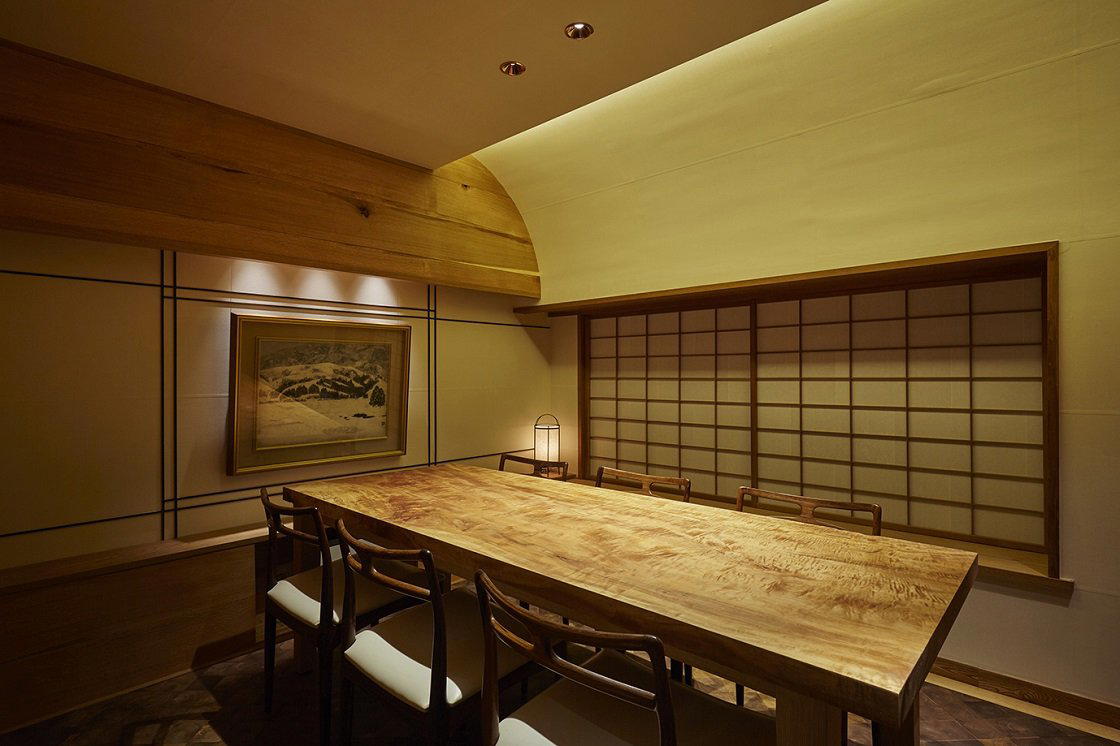
Restaurants in Kobe
Browse all →
Bars in Kobe
Browse all →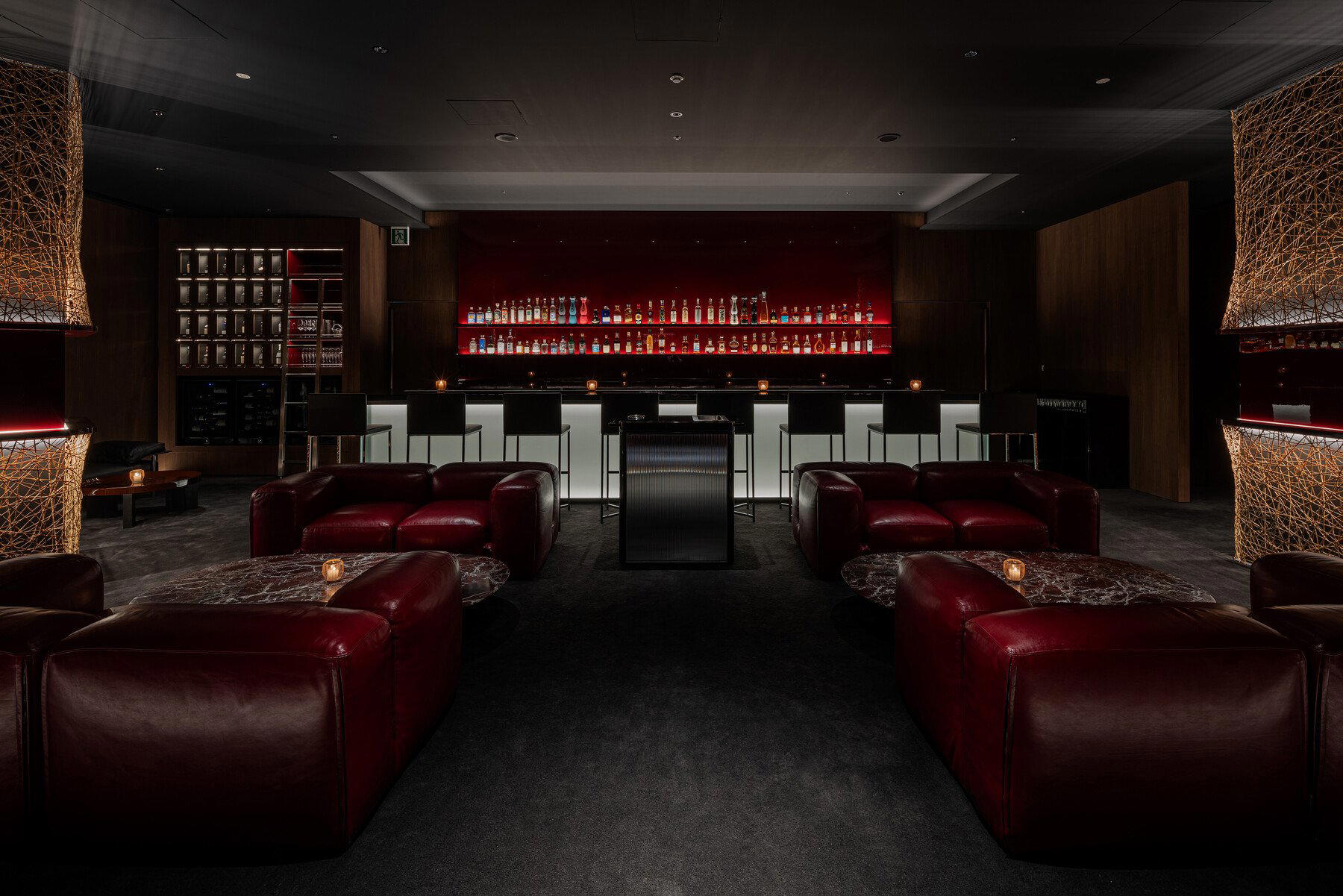



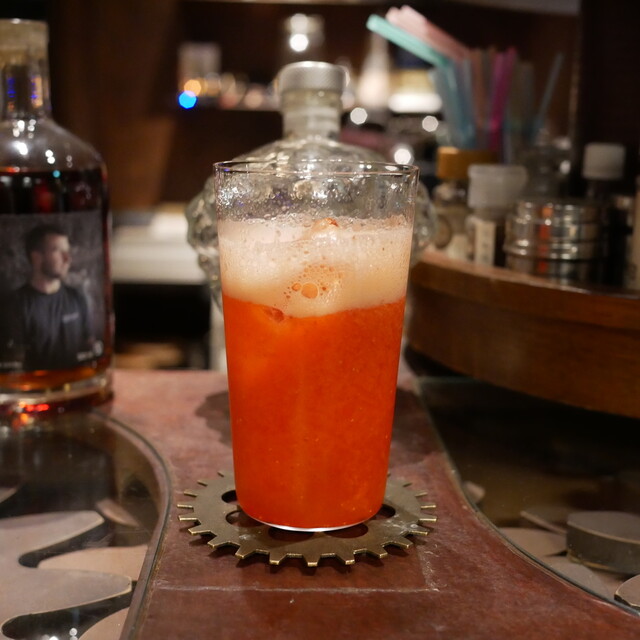
Hotels in Kobe
Browse all →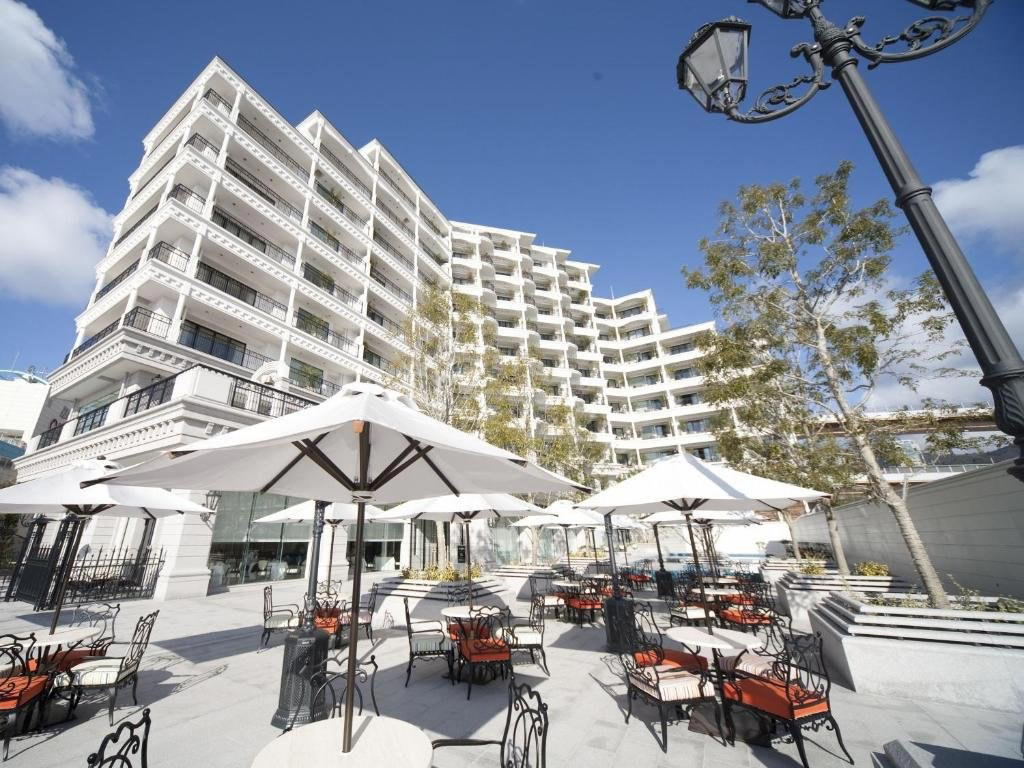



At a Glance
- Cozy
- Intimate
- Classic
- Date Night
- Business Dinner
- Group Dining
- Special Occasion
- Casual Hangout
- Standalone
- Extensive Wine List
Current opening hours
- Monday
- 6–10 PM
- Tuesday
- Closed
- Wednesday
- 6–10 PM
- Thursday
- 6–10 PM
- Friday
- 6–10 PM
- Saturday
- 6–10 PM
- Sunday
- 6–9:30 PM
Hours can change for holidays and private events. Last verified .
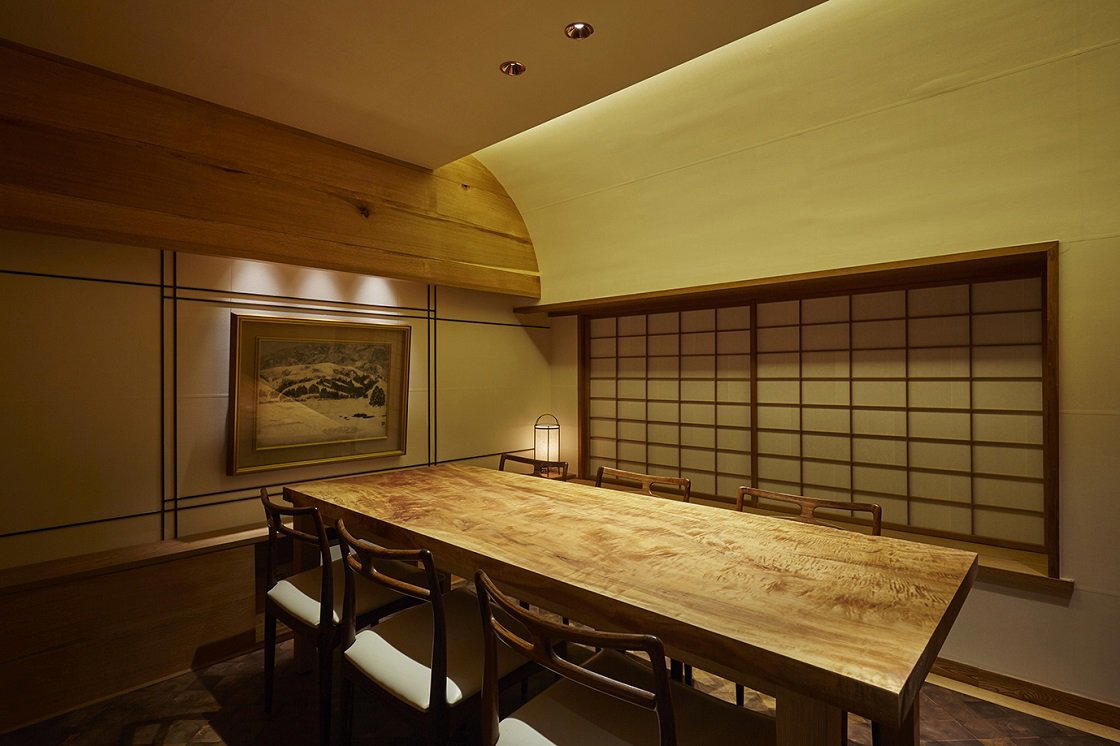
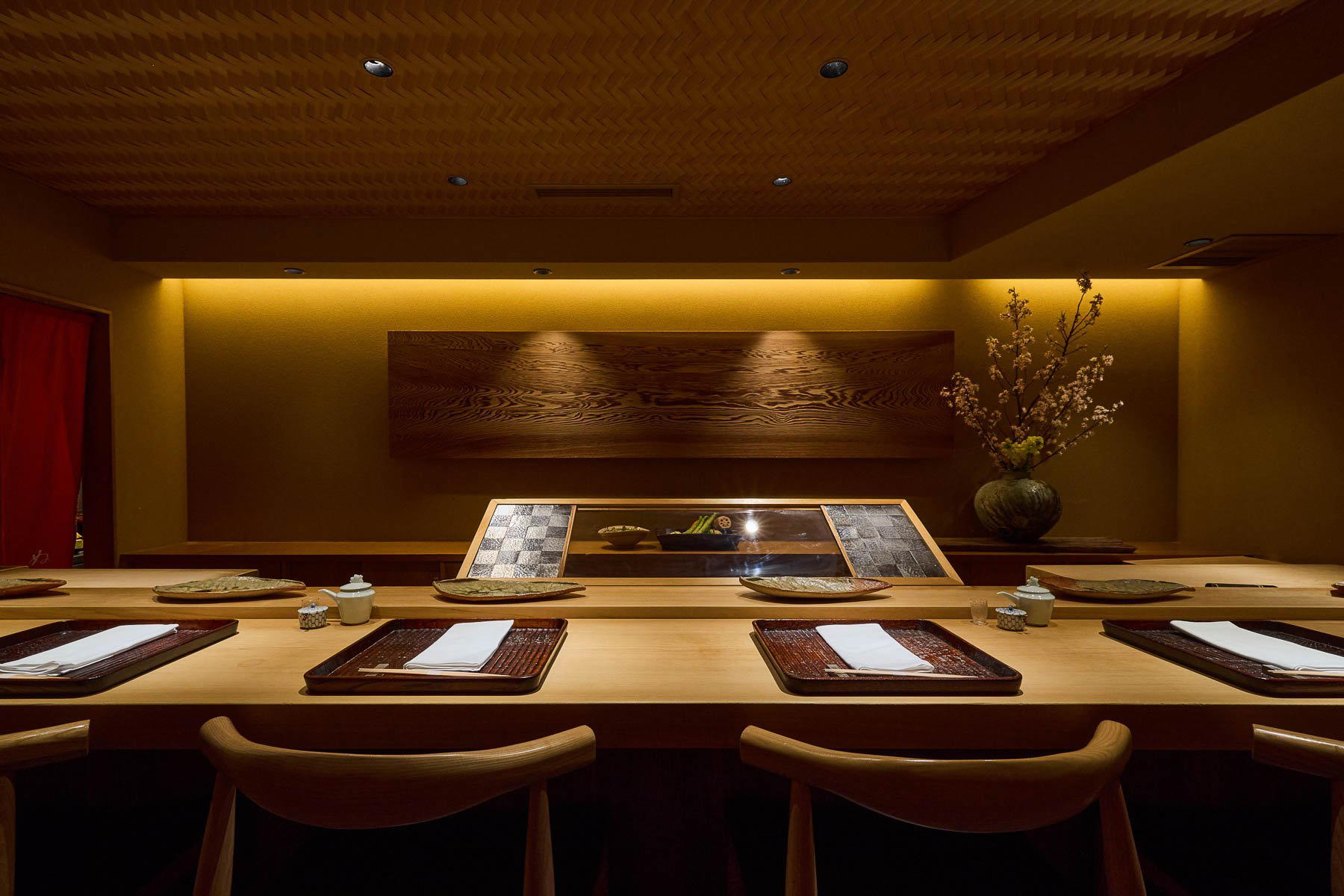
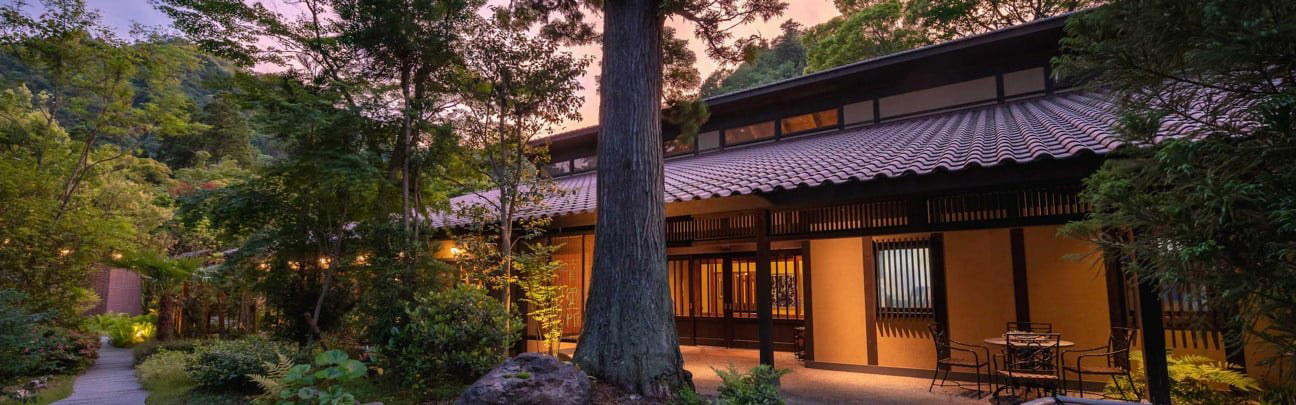
A small, homey dining room with counter and a few table seats, creating a warm, relaxed atmosphere suited to quiet conversations over leisurely Spanish courses.