
BARMOS gives Kobe’s Spanish dining scene a compact, ingredient-led address in Nada Ward, with counter seating, wine and cocktails, and recognition in Tabelog’s Spanish Cuisine 100 selection for 2024 and 2026. Its appeal is less about spectacle than scale: a 29-seat room where Spanish technique meets the port city’s appetite for produce, seafood, and casual precision.
Pearl is the En Primeur Club membership app — saves, bookings, and concierge access live there. Same editors, same standards.
- Address
- 3 Chome-2-2 Sakuraguchicho, Nada Ward, Kobe, Hyogo 657-0036, Japan
- Phone
- +81 78-854-2060
- Website
- s.tabelog.com
 Saves & bookings on Pearl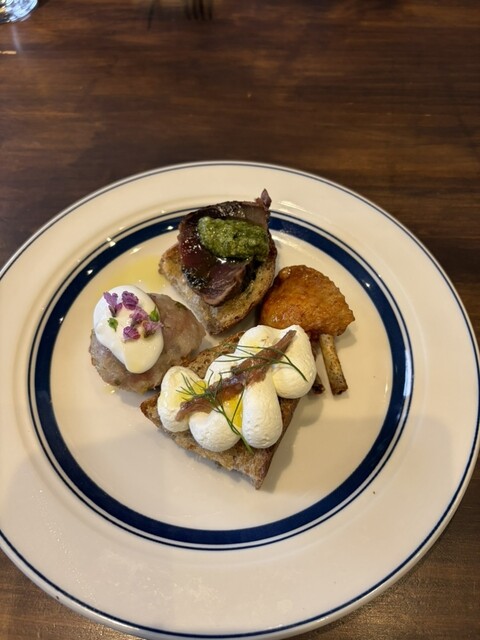
Approaching a small Spanish room in Nada Ward, the signal is compression, not grandeur: counter seats, table seats, a wine-friendly format, and a neighbourhood scale that suits Kobe better than imported dining theatre. The city has long been open to foreign foodways, from its port history to its appetite for beef houses, bakeries, coffee rooms, Chinese kitchens, and European-leaning restaurants. In that context, Spanish cooking fits naturally when treated as market cuisine, not costume.
BARMOS sits in that register. Recognition in Tabelog’s Spanish Cuisine 100 selection in 2024 and 2026 gives it a public credential in a category thinner in Kobe than in Tokyo or Osaka, but the more useful reading is local: Spanish dining scaled to a residential-urban pocket, not a destination room built around ceremony. For readers mapping the city’s food culture, Our full Kobe restaurants guide places that category beside beef, coffee, ramen, and international kitchens.
Spanish cooking in Kobe works when the market leads
Spanish restaurants in Japan often split into two camps. One leans tapas-bar informal, using small plates and drinks as structure. The other moves toward tasting-menu formality, translating regional Spanish technique through Japanese produce and service rhythm. Stronger Kobe examples sit between them: casual enough for repeat use, serious enough that ingredient choice matters.
BARMOS reads clearly in that middle position. The venue is listed as Spanish, with wine and cocktails available, and its price band is far from the high-cost dégustation tier. The format matters because Spanish food rewards breadth: rice, olive oil, cured and grilled elements, seafood, vegetables, eggs, and beans let a kitchen show judgment without luxury coding. Kobe helps. The city faces the Seto Inland Sea, sits near farming areas in Hyogo, and has diners trained to notice ingredient quality across formats, from steak counters to coffee shops.
Ingredient sourcing is not decorative; it is why Spanish cooking travels well in Japan. Paella, tortilla, ajillo, grilled meats, conservas-style thinking, and vegetable-forward plates depend less on rare imports than on timing, heat, salt, and nearby quality. A restaurant in this category earns attention when it resists turning Spanish food into a checklist and uses the cuisine as a grammar for local produce and seafood. That is the useful lens here.
Kobe’s dining map reinforces the point. Beef specialists such as Aburi Niku Kobo Wakkoku Shinkobe ten and Aburi Niku Kobo Wakkoqu Kitano Sakamoto Ten show how the city turns a headline ingredient into disciplined format. Coffee rooms such as Akaneya Coffee Ten point to another Kobe habit: small spaces where repeat customers care about detail. Spanish cooking benefits from the same urban temperament.
A compact room suits food that moves between snacks and dinner
The 29-seat configuration, with nine counter seats and 20 table seats, gives the experience its constraint. Counter seating changes how a Spanish meal behaves in Japan: it encourages ordering in waves, attention to heat and pacing, and treating wine or cocktails as rhythm rather than afterthought. Tables add flexibility for groups, but the counter keeps the cooking visible as a working format.
This matters because Kobe’s stronger casual restaurants often sit below major-city dining-room scale. The comparison is not only with other Spanish addresses, but with compact specialists across genres: Akari for neighbourhood Japanese dining, Ali's Halal Kitchen for the city’s international range, and ramen or noodle counters such as Tsukemen Shigeta and Menya Isshin, both in lower price bands. Kobe rewards rooms that know their scale.
The price signal is telling. Ipposhi sits in a similar JPY 1,000 to JPY 1,999 bracket, while Ngam Ngam Hou occupies a higher dinner range and Moriguchi sits above the entry tier. BARMOS belongs to a more accessible lane of recognised dining: not cheap as anonymous quick food, but priced for repeat visits rather than occasion-only planning. That distinction matters in a city where premium beef can dominate visitor attention.
The award signal should be read precisely. Tabelog’s Spanish Cuisine 100 selection places the restaurant within a national category of user-rated and editorially surfaced Spanish restaurants, not a Michelin-style star hierarchy. For travellers, that suggests category credibility without formal luxury. Practically, it is an address to consider when Kobe’s richer circuits, especially beef-led meals, need a counterweight: wine, small plates, and a compact room that keeps the meal grounded.
How it fits a Kobe itinerary
Kobe is often flattened abroad into one food idea, but the city eats across a wider register. A useful itinerary might place Spanish cooking beside a beef meal, a serious coffee stop, and one neighbourhood Japanese counter, rather than treating each as a checklist item. For adjacent planning, Our full Kobe hotels guide, Our full Kobe bars guide, Our full Kobe wineries guide, and Our full Kobe experiences guide frame the city beyond dinner reservations.
Readers comparing Japan-wide casual dining can use the same lens elsewhere: -Grilled beef Sukiyaki- KAMAKURA TANUKIAN 鎌倉 たぬき庵 in Kamakura for beef in a different regional setting. 鮪と炭火焼き うお炭 秋葉原店 in Tokyo for tuna and charcoal cooking.cafe in Osaka for café culture.know in Kumamoto, (Shoku) Vietnam in Kawasaki, and [Curry Senmon Ten] Maruyama Kyoju. in Sapporo for how imported or adapted cuisines settle into local demand. Across the Pacific, Jōdo Saké Bar in Los Angeles and Onigiri Time in Pasadena show the reverse movement: Japanese formats finding new audiences abroad.
The editorial case for BARMOS is simple: Spanish food in Kobe is strongest when it behaves like a local restaurant first and a foreign-cuisine label second. Tabelog recognition supplies the trust signal, compact seating supplies the format, and the city supplies the ingredient logic. For visitors with Kobe beef already on the calendar, this is the smarter contrasting meal: lower ceremony, drink-friendly, and aligned with how the city eats between headline reservations.
Comparable Spots, Quickly
Comparable venues by category and price.
| Venue | Cuisine | Price | Notes |
|---|---|---|---|
| BARMOSThis venue — the venue you are viewing | Authentic Spanish tapas & paella | $$ | Not listed |
| Moriguchi | Okonomiyaki & Teppanyaki | $$ | Nada |
| Yun Ki | Traditional Hong Kong-style dim sum & congee | $$ | Chūō |
| Okada Shokuhin Kabushiki Gaisha | Japanese BBQ / Yakiniku | $$ | Chūō |
| Ali's Halal Kitchen | Halal Pakistani & Indian Curry House | $$ | Chūō |
| Tori Yoshi | Traditional Yakitori / Chicken Dishes | $$ | Higashinada |
Recognition history
Dated appearances from independent guides and award organizations, with the underlying list record or original source where available.
Tabelog 100 #41 · No. 41
Tabelog · Tabelog 100 - Spanish cuisine - 2026
Continue exploring
More in Kobe
Restaurants in Kobe
Browse all →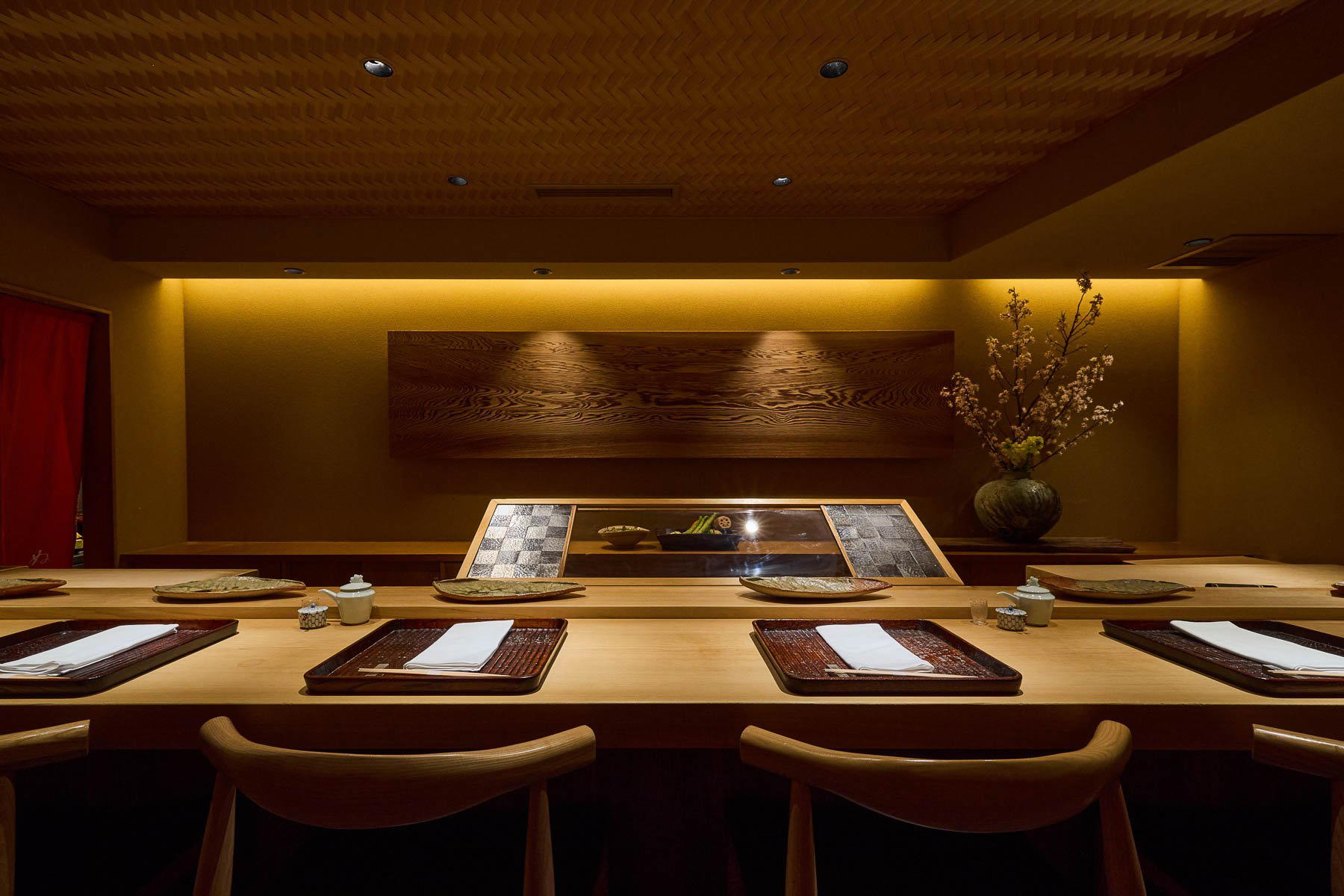


Bars in Kobe
Browse all →



Hotels in Kobe
Browse all →



At a Glance
- Cozy
- Lively
- Intimate
- Casual Hangout
- Date Night
- After Work
- Group Dining
- Solo
- Standalone
- Extensive Wine List
- Beer Program
Current opening hours
- Monday
- 5–11 PM
- Tuesday
- Closed
- Wednesday
- 5–11 PM
- Thursday
- 5–11 PM
- Friday
- 5–11 PM
- Saturday
- 11:30 AM–2:30 PM, 5–11 PM
- Sunday
- 11:30 AM–2:30 PM, 5–11 PM
Hours can change for holidays and private events. Last verified .
Small, intimate Spanish bar-style room with counter and table seating, warm casual atmosphere, and a lively yet relaxed neighborhood feel.