El Muelle
Our verdict
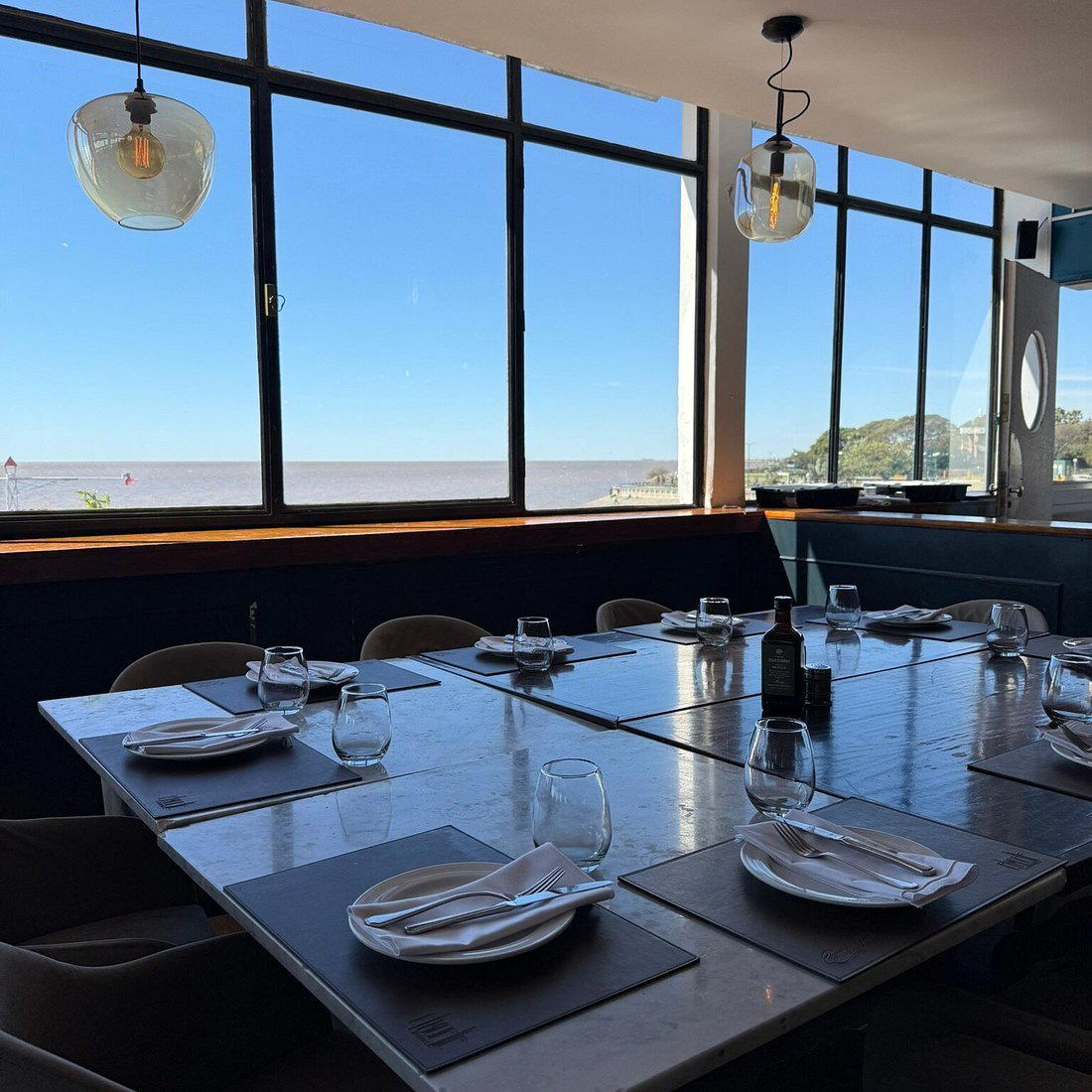
El Muelle sits on Buenos Aires' Costanera Norte, where the Río de la Plata defines both the setting and the spirit of the meal. The address places it inside the city's most established riverside dining corridor, a stretch where open-air tables and river views have shaped a distinct outdoor dining culture for decades. It is an address worth understanding before you book.

Pearl is the En Primeur Club membership app — saves, bookings, and concierge access live there. Same editors, same standards.
- Address
- R. Obligado, Av. Costanera Rafael Obligado, Cdad. Autónoma de Buenos Aires, Argentina
- Phone
- +54 11 3726 7672
- Hours
- Mon ClosedTue–Wed 12–4 PMThu–Sat 12 PM–12 AMSun 12–4 PM
- Website
- complejoelmuelle.com
- Directions
- Get directions
- Booking
- Book on the venue's website
The menu
What to order
- Pulpo Español
- Dorado Grilled
- Bondiola Black
- Gambas al Ajillo
Where the River Sets the Pace
Buenos Aires has two dominant dining orientations: the inward-facing parrilla culture of Palermo and San Telmo, and the outward-facing riverfront tradition of the Costanera Norte. El Muelle belongs to the second category. Its address on Avenida Costanera Rafael Obligado places it along a strip where the Río de la Plata — technically the widest river in the world by some measurements — stretches so far toward the horizon that it reads more like an open sea. The visual scale of that approach changes how a meal feels before a single dish arrives. This is outdoor dining shaped by geography, not by interior design decisions.
The Costanera Norte corridor has operated as Buenos Aires' primary riverside dining destination since at least the mid-twentieth century. It sits north of the city's formal grid, accessible from the Aeroparque Jorge Newbery end of the waterfront, and the drive or taxi from Palermo takes roughly ten to fifteen minutes depending on traffic. That slight remove from the central dining districts gives the strip a different tempo. Tables here tend toward longer lunches and unhurried evening meals, patterns that suit the setting. For context on how Buenos Aires' broader restaurant scene distributes across its neighbourhoods, the full Buenos Aires restaurants guide maps the city's dining geography in detail.
The Arc of a Riverside Meal
The logic of a meal at a Costanera restaurant follows a different progression than what you would encounter at, say, Aramburu, where the tasting menu format imposes its own pacing and sequence, or Trescha, where the modernist kitchen controls the narrative arc course by course. On the Costanera, the progression is more reader-directed. A typical table begins with something light and cold while the river light shifts, moves through the mid-meal with whatever the kitchen handles leading, and closes without the formality of a predetermined dessert structure. The river itself functions as a kind of ambient clock: the way the late afternoon sun flattens across the water, then drops, then leaves the tables in that particular Buenos Aires dusk that lingers longer than most cities allow.
Costanera restaurants as a category lean toward fish and river-sourced proteins, a distinction from the land-focused parrilla tradition that dominates elsewhere in the city. Buenos Aires' river dining scene has historically drawn on the dorado, surubí, and pejerrey that come from the Río de la Plata basin, though menus on the strip also accommodate the beef-centric expectations of the local dining public. The sequencing of a riverside meal here tends to honour both traditions: lighter preparations early, heavier cuts if desired, and throughout, the kind of wine selection that skews toward Mendoza whites and rosés suited to open-air conditions. For reference on how Mendoza's wine production maps to tables like these, the estates at Cavas Wine Lodge in Alto Agrelo and Entre Cielos in Luján de Cuyo represent the kind of production that ends up on Costanera wine lists.
El Muelle in the Context of Buenos Aires Dining
Within the Buenos Aires restaurant spectrum, El Muelle occupies a different competitive tier than the city's most-discussed parrilla addresses. Don Julio in Palermo operates at the top of the beef-focused segment, with a reservations queue and international recognition that places it in a category of its own. Crizia and Anafe represent the contemporary end of the Buenos Aires dining conversation, where kitchen technique and sourcing precision drive the editorial interest. El Muelle, by contrast, competes on location and atmosphere as primary values, with food that supports rather than leads the experience. That is not a criticism, it is a structural observation about what this type of address offers and what kind of diner it suits.
The Costanera Norte strip as a whole tends to attract a Buenos Aires clientele rather than a primarily tourist one, particularly for weekend lunches. Porteños who want distance from the congestion of Palermo's restaurant rows on a Saturday afternoon have historically used this strip as an escape valve. The trade-off is that the setting rewards those who surrender to its pace rather than those seeking a tightly curated two-hour experience.
Argentina's River Dining Tradition in Wider Context
Argentina's waterfront dining culture extends well beyond Buenos Aires. The lake district restaurants, such as Las Balsas in Villa la Angostura, operate within a similar logic of landscape-led hospitality, where the water view carries as much weight as the menu. Further north, properties like Awasi Iguazú in Puerto Iguazú show how Argentine hospitality translates dramatic natural settings into dining contexts. The Costanera Norte sits at the urban end of that spectrum, less dramatic than Iguazú, less refined than Angostura, but carrying its own particular claim on the city's identity.
For travellers moving between Buenos Aires and Argentina's interior, the gauchesco tradition at La Bamba de Areco in San Antonio de Areco offers a counterpoint in register, land rather than water, estancia rather than urban promenade. These comparisons help position the Costanera experience: it is specifically a city-river address, with all the informal energy that implies, rather than a retreat or a destination in the way those rural properties operate.
For wine-focused travellers passing through Mendoza before or after Buenos Aires, the restaurant programs at Azafrán in Mendoza, Agrelo in Luján de Cuyo, and Chacras de Coria in Las Heras represent a different relationship between setting and table, one where the vineyard is the landscape rather than the river. La Table de House of Jasmines in La Merced Chica extends that logic further into the Salta wine country. These are different experiences in kind, not just degree, from what the Costanera Norte offers.
Planning a Visit
El Muelle's Costanera Norte address means arriving by taxi or remis is the practical choice; the strip does not connect easily to the Buenos Aires Subte network. The Aeroparque adjacency makes it a logical first or last meal for travellers transiting through the city's domestic airport. Weekend lunches are the traditional peak period for the strip, when the combination of river light and relaxed timing suits the format leading. For international travellers contextualising Buenos Aires' fish and river cooking against global standards, the techniques visible at Le Bernardin in New York or the fire-driven approach at Lazy Bear in San Francisco occupy entirely different registers, but they illustrate what refined seafood and produce-forward cooking can look like at either end of the ambition spectrum.
Frequently asked questions
Where is El Muelle in Buenos Aires?
El Muelle is located at R. Obligado, Av. Costanera Rafael Obligado, Cdad. Autónoma de Buenos Aires, Argentina, Buenos Aires.
Is El Muelle a good choice for a riverside lunch in Buenos Aires, and how do you get there?
For visitors wanting Buenos Aires's waterfront dining tradition rather than the city's better-documented parrilla circuit, Costanera Norte addresses like El Muelle on Av. Rafael Obligado represent the clearest option. The strip sits outside the Buenos Aires Subte network, so a taxi or remis from the city centre is the standard approach — budget around 20 to 30 minutes from Palermo or Recoleta depending on traffic.
What's the must-try dish at El Muelle?
Given the location on Av. Costanera Rafael Obligado, fish-forward plates are the logical focus, rather than the beef-centric cuts you would chase elsewhere in Buenos Aires.
How hard is it to get a table at El Muelle?
Costanera Norte draws a steady Buenos Aires crowd on weekends, particularly for long weekend lunches that can stretch through the afternoon. Arriving without a reservation on a Saturday or Sunday carries real risk during peak season. Booking ahead via phone or through a local concierge is the reliable approach, given that El Muelle does not currently list online reservation tools in public directories.
What's the signature at El Muelle?
El Muelle's defining characteristic is its position on the Costanera Norte strip along Av. Rafael Obligado, where the Río de la Plata sets the context for the meal rather than the enclosed drama of a Palermo tasting room. That riverfront orientation shapes both the menu logic and the pacing — this is a setting built for extended meals, not quick covers.
Accolades, Compared
Comparable options at a glance, pulled from our tracked venues.
| Venue | Cuisine | Price | Awards | Notes |
|---|---|---|---|---|
| El MuelleThis venue — the venue you are viewing | Mediterranean Seafood | $30–50 | Not listed | Not listed |
| Don Julio | Argentinian Parrilla Steakhouse | $100–150 | 1 Michelin Star · World's 50 Best #10 | Argentinian Steakhouse |
| Aramburu | Modern Argentine Haute Cuisine | $200–300 | 2 Michelin Stars · World's 50 Best #35 | Modern Argentinian, Creative |
| El Preferido de Palermo | Classic Italian Bodegón | $50–100 | Michelin Plate · World's 50 Best #24 | Argentinian, Traditional Cuisine |
| Elena | Contemporary Argentinian Steakhouse | $30–50 | Michelin Plate · Star Wine List | South American, Steakhouse |
| La Carniceria | Modern Argentine Parrilla | $30–50 | Michelin Plate | Argentinian Steakhouse, Meats and Grills |
Continue exploring
More in Buenos Aires
Restaurants in Buenos Aires
Browse all →
Bars in Buenos Aires
Browse all →
Hotels in Buenos Aires
Browse all →
Wineries in Buenos Aires
Browse all →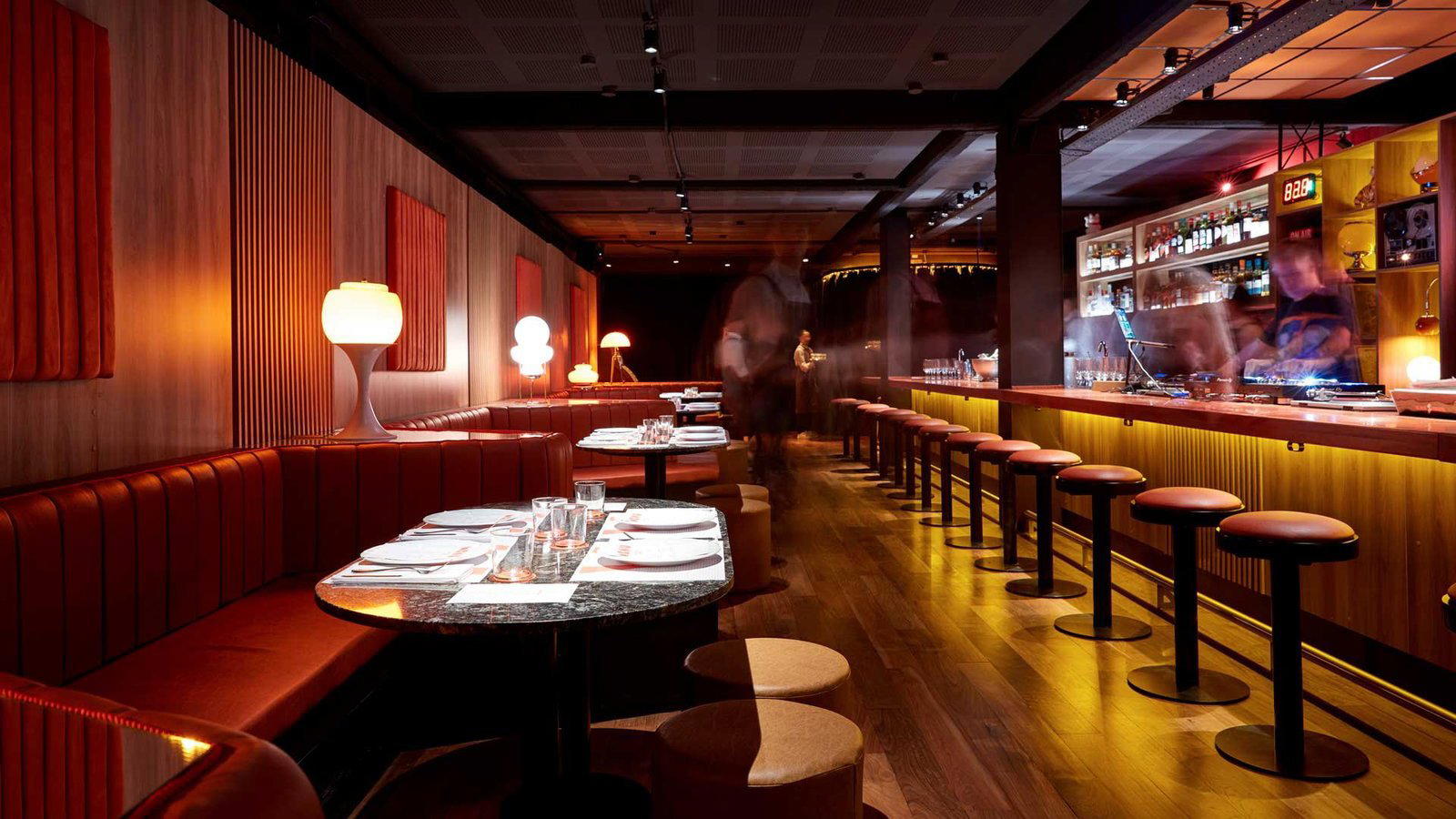
Details
- Scenic
- Classic
- Elegant
- Well Known
- Date Night
- Group Dining
- Special Occasion
- Waterfront
- Historic Building
- Terrace
- Local Sourcing
- Sustainable Seafood
- Waterfront
- A La Carte
- Set Menu
- Wine
- Pescatarian Friendly
Current opening hours
- Monday
- Closed
- Tuesday
- 12–4 PM
- Wednesday
- 12–4 PM
- Thursday
- 12 PM–12 AM
- Friday
- 12 PM–12 AM
- Saturday
- 12 PM–12 AM
- Sunday
- 12–4 PM
Hours can change for holidays and private events. Last verified .
Light and airy with a sophisticated yet relaxed atmosphere, enhanced by waterfront views and the historic character of the building.