Hub Porteño

Michelin Selected
Hub Porteño sits on Rodríguez Peña 1967 in Buenos Aires's Recoleta-adjacent corridor, positioning itself within a city that has long treated hospitality as a serious civic art. With a name that references the porteño identity of Buenos Aires residents, the property anchors itself to local character rather than international template. Explore what the address means in the context of one of South America's most sophisticated hotel markets.

Pearl is the En Primeur Club membership app, where members save venues, book tables and use the concierge.
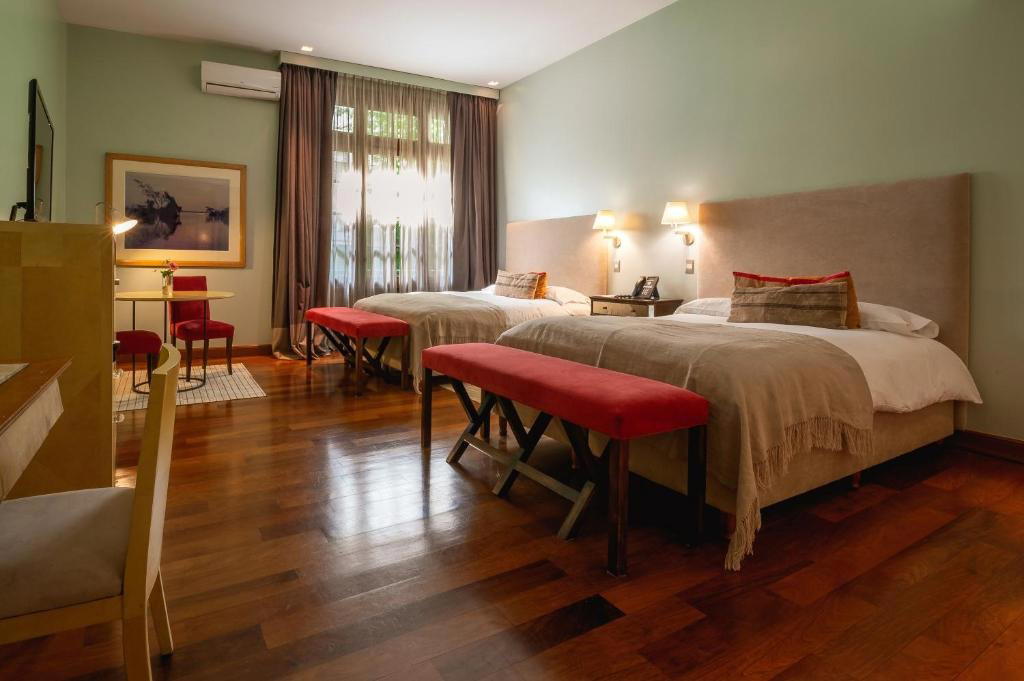
Buenos Aires and the Hotel That Wears Its City's Name
Buenos Aires has a particular relationship with the idea of place-specific identity. Porteños, as the city's residents call themselves, carry a strong civic self-image that shapes everything from restaurant culture to architectural ambition. When a hotel takes that demonym into its own name, it is making a claim, not just about location, but about a kind of rootedness in the character of the city. Hub Porteño, at Rodríguez Peña 1967, sits in the zone where Recoleta's formal elegance begins to soften toward the more residential rhythms of Barrio Norte, a transition that has long attracted design-conscious hotel projects looking for a position between grand avenue and neighbourhood street.
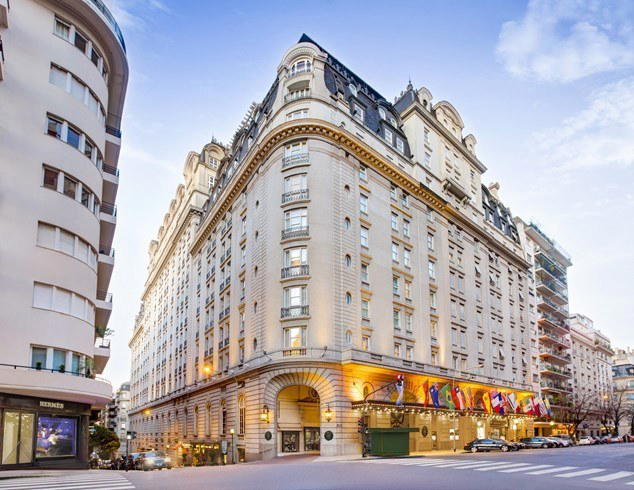
The address itself is telling. Rodríguez Peña is not a boulevard with the institutional weight of Alvear or the spectacle of Puerto Madero, but it is a street with cultural density: close to the French embassy district, walkable to the Teatro Colón's orbit, and a short cab ride from Palermo's restaurant corridor. For a property invoking porteño identity, the location makes a coherent argument. Buenos Aires rewards hotels that place guests inside the city's actual circulation rather than insulating them from it, and this address does that more naturally than many of the grand palace hotels that line the traditional luxury axis. For comparison, the Alvear Palace Hotel anchors the most formal end of Recoleta, while properties like Be Jardín Escondido by Coppola and Fierro Hotel have staked out the design-led, neighbourhood-embedded position that now competes seriously for premium travellers.
Buenos Aires as a Hotel Market: The Competitive Frame
Understanding where Hub Porteño sits requires a brief account of how Buenos Aires's hotel tier has evolved. The city historically organised its luxury market around a small cluster of palace-scale properties, the Alvear, the Faena Buenos Aires in Puerto Madero, the Palacio Duhau Park Hyatt in Recoleta, each commanding its neighbourhood with large room counts, multiple restaurants, and an emphasis on programmatic grandeur. Over the past decade, that market has fractured. A second tier of design-led boutique properties has emerged, several of them conversions of early 20th-century mansions or apartment buildings, appealing to travellers who want the city's architectural character embedded in the fabric of their stay rather than a generic luxury shell transplanted to a Buenos Aires postcode.
Properties like Algodon Mansion, Casa Lucia, and Anselmo Buenos Aires occupy different coordinates within this newer tier, each calibrating the balance between comfort and local texture differently. Hub Porteño, by invoking the porteño identity directly, places itself within this trajectory: a property that frames its value proposition through the city's identity rather than through international brand affiliation or sheer scale.
The Dining Question in Buenos Aires Hotels
In Buenos Aires, the relationship between hotel dining and the wider restaurant scene is complicated. The city has a restaurant culture, particularly in Palermo, Las Cañitas, and San Telmo, that makes most hotel dining look timid by comparison. Porteño cooking at its most serious involves wood-fired parrillas, ingredient sourcing with the rigour of a sommelier selecting vintages, and a bread and pasta tradition carried by Italian immigration that still shapes the city's food character a century on. A hotel that does not engage seriously with this culinary context risks being irrelevant to its most food-literate guests.
The properties that have managed this leading in Buenos Aires have done so either by programming their restaurants as genuine destinations in their own right, as Faena has done with its theatrical dining format, or by curating access to the city's external dining scene with enough intelligence that the hotel becomes a useful base rather than a self-contained enclave. For travellers using Hub Porteño as a base for the city's food culture, Buenos Aires's current restaurant moment is worth understanding: the city's most discussed tables range from old-school parrilla institutions to a younger generation of chefs working with Andean ingredients and fermentation techniques that reflect Argentina's geographic breadth. Consulting our full Buenos Aires restaurants guide will give any arrival a working map of where that scene is concentrated and which bookings require the most planning.
Argentina Beyond Buenos Aires: Planning the Wider Trip
Hub Porteño's Buenos Aires address works as both a destination in itself and a logical starting point for Argentina's broader geography. The country's wine regions are an obvious extension: Mendoza's high-altitude Malbec estates, most accessible via a two-hour flight or six-hour drive, include properties like Awasi Mendoza in Lujan De Cuyo, Cavas Wine Lodge in Alto Agrelo, and Casa de Uco in Tunuyán, all of which situate guests directly within working vineyards. Further north, Colomé Winery in Molinos operates at altitude in Salta province, producing Torrontés and Malbec in conditions that have no equivalent elsewhere in the country.
For wilderness extensions, the Patagonian corridor runs from Charming Luxury Lodge in San Carlos de Bariloche south to Arakur Ushuaia Resort and Spa, with the Iguazú falls accessible via Awasi Iguazu in Puerto Iguazu. Travellers who treat Buenos Aires as an entry and exit point rather than the whole itinerary will find Argentina's scale rewards that ambition. The pampas' estancia culture, accessible through properties like Estancia El Ombú de Areco in San Antonio de Areco, offers a counterpoint to the capital's urban density that many find as instructive about Argentine identity as any Buenos Aires museum.
Planning Your Stay
Hub Porteño is located at Rodríguez Peña 1967, Buenos Aires, in the Barrio Norte zone where Recoleta's residential character predominates. The address is walkable to the city's main cultural institutions and well-served by the city's taxi and ride-share network. For travellers arriving from international destinations, Ezeiza International Airport connects to the city centre in approximately 45 to 60 minutes depending on traffic, with remis services recommended over standard taxis for reliability. For broader context on where this property fits within Buenos Aires's accommodation tier, the properties listed above provide useful reference points across the market's range from palace-scale to design-led boutique.
Booking and Cost Snapshot
A quick peer reference to anchor this venue in its category.
| Venue | Price | Awards |
|---|---|---|
| Hub PorteñoThis venue (the venue you are viewing) | Not listed | Michelin Selected |
| Alvear Palace Hotel | Not listed | 2 Michelin Keys · Forbes 4-Star |
| Four Seasons Hotel Buenos Aires | $300–500 | 2 Michelin Keys · La Liste Top Hotels |
| Palacio Duhau - Park Hyatt Buenos Aires | Not listed | 1 Michelin Key · La Liste Top Hotels |
| Faena Buenos Aires | $300–500 | Michelin Selected · Forbes 4-Star |
| Park Tower, A Luxury Collection Hotel | Not listed | Forbes Recommended |
Recognition history
Dated appearances from independent guides and award organizations, with the underlying list record or original source where available.
Michelin Selected
Michelin
Continue exploring
More in Buenos Aires
Hotels in Buenos Aires
All hotels in Buenos Aires →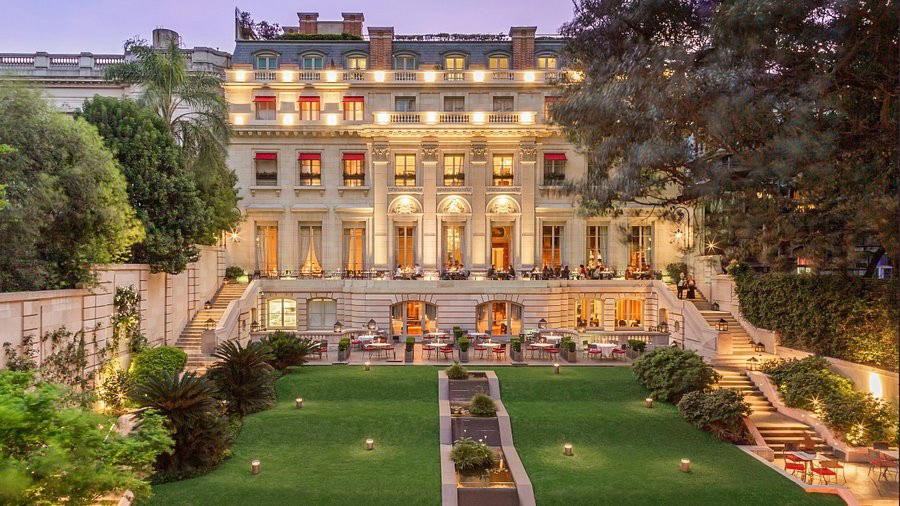
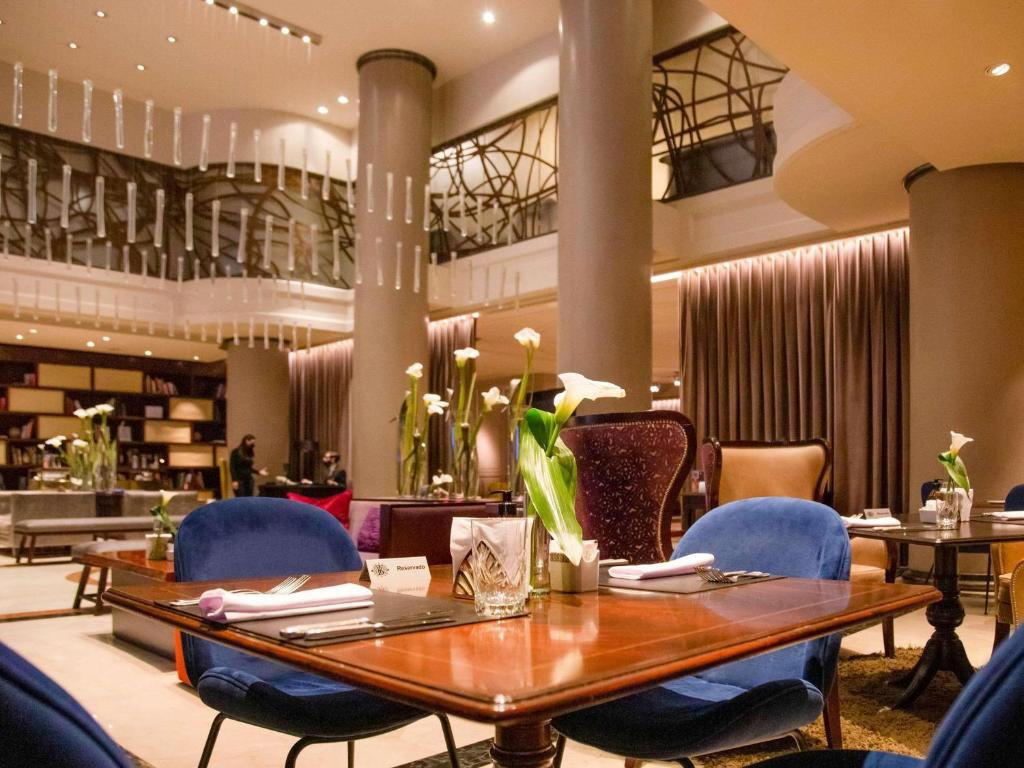
Bars in Buenos Aires
All bars in Buenos Aires →
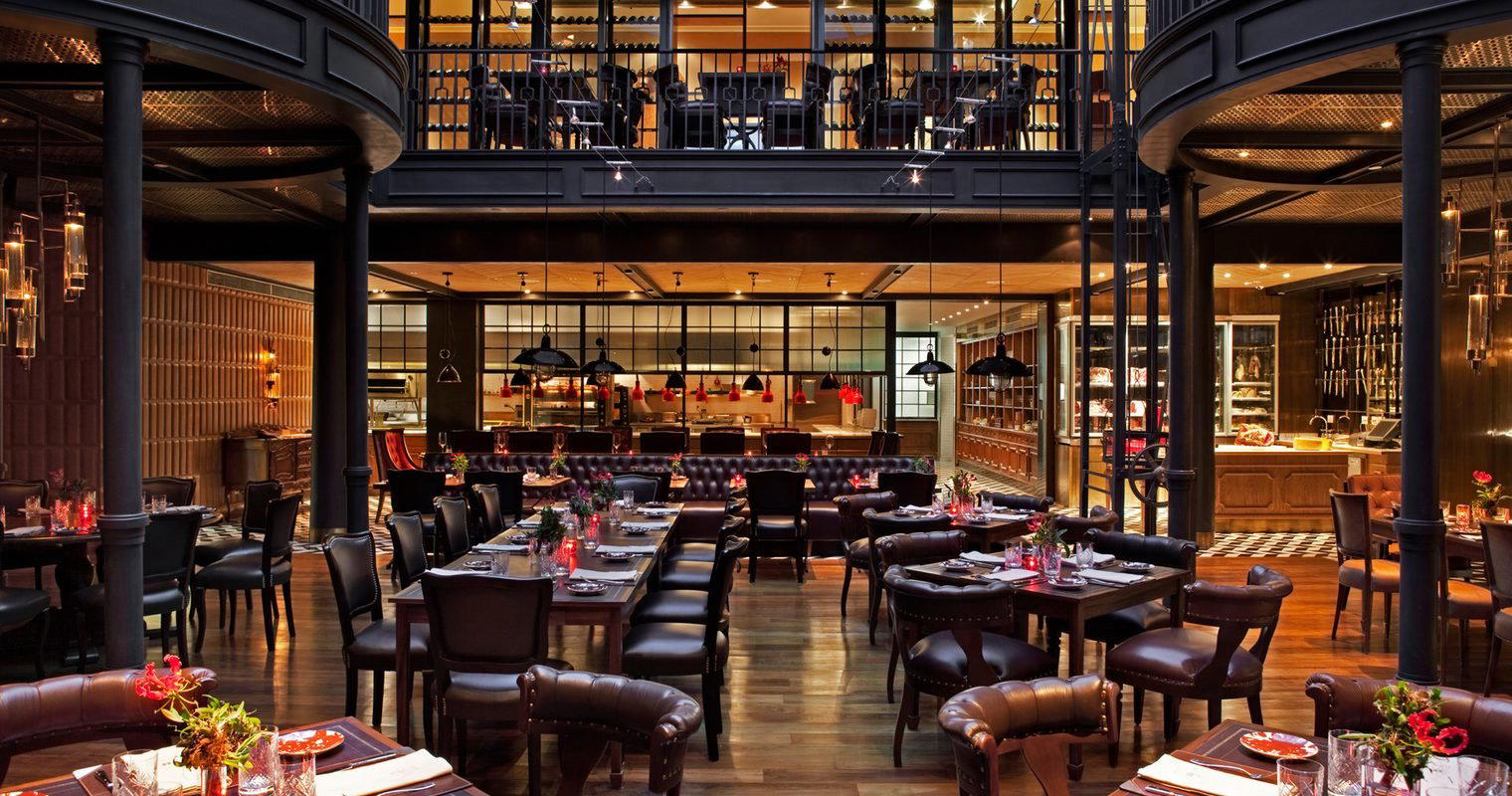
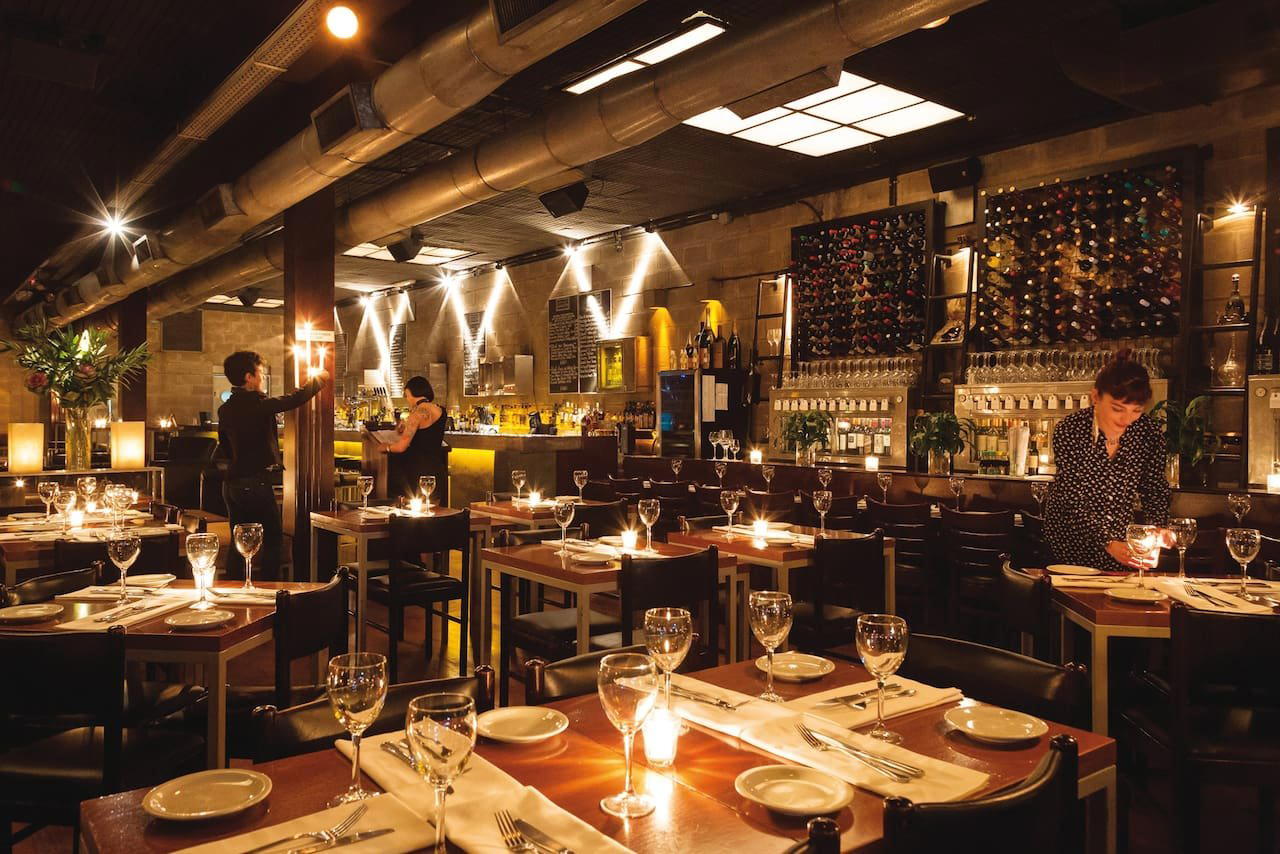
Restaurants in Buenos Aires
All restaurants in Buenos Aires →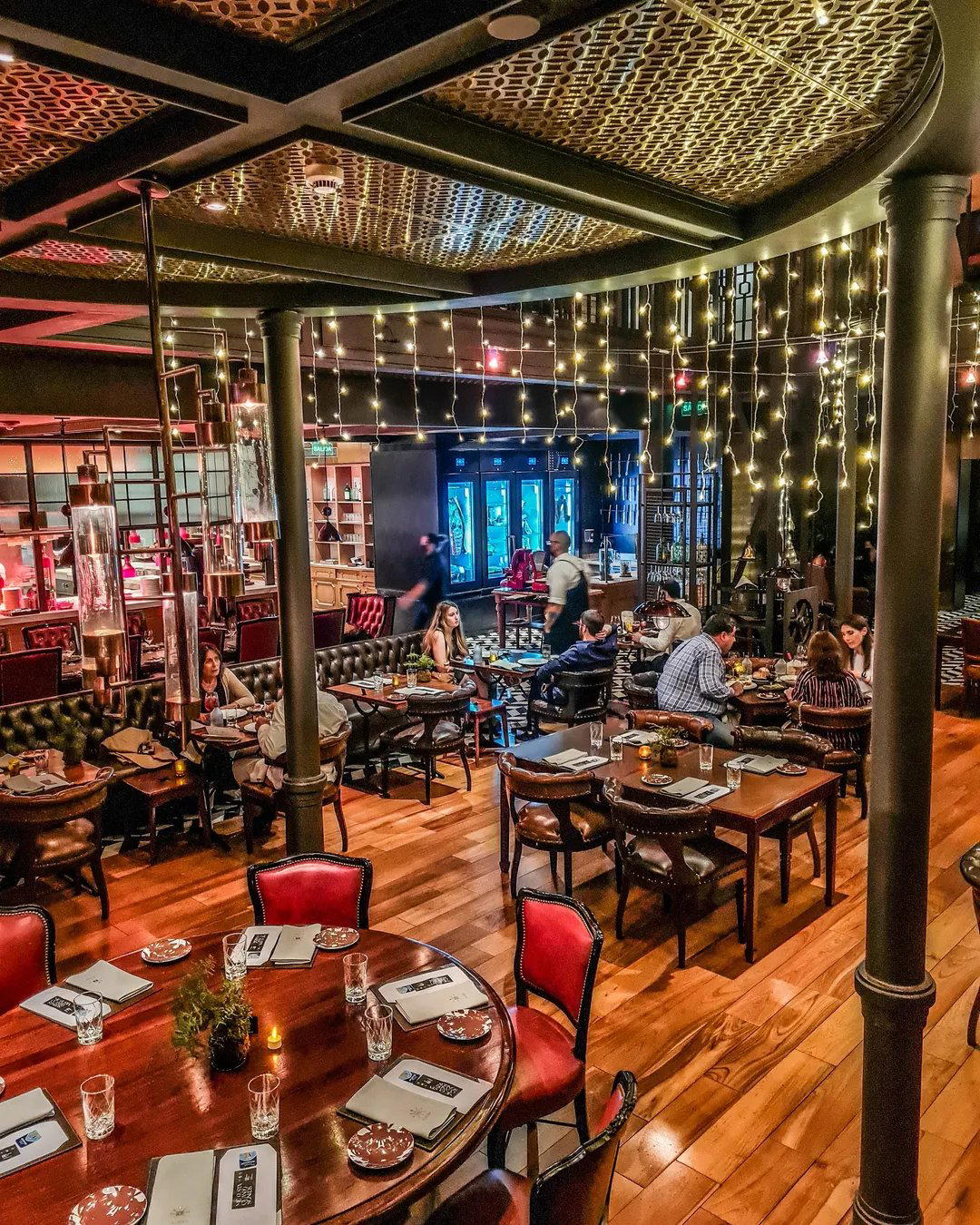
Details
- Elegant
- Sophisticated
- Cozy
- Modern
- Classic
- Romantic Getaway
- Anniversary
- Business Trip
- Rooftop Pool
- Historic Building
- Design Destination
- Terrace
- Wi Fi
- Spa
- Room Service
- Concierge
- Sauna
- Wheelchair Accessible
- Step Free Entrance
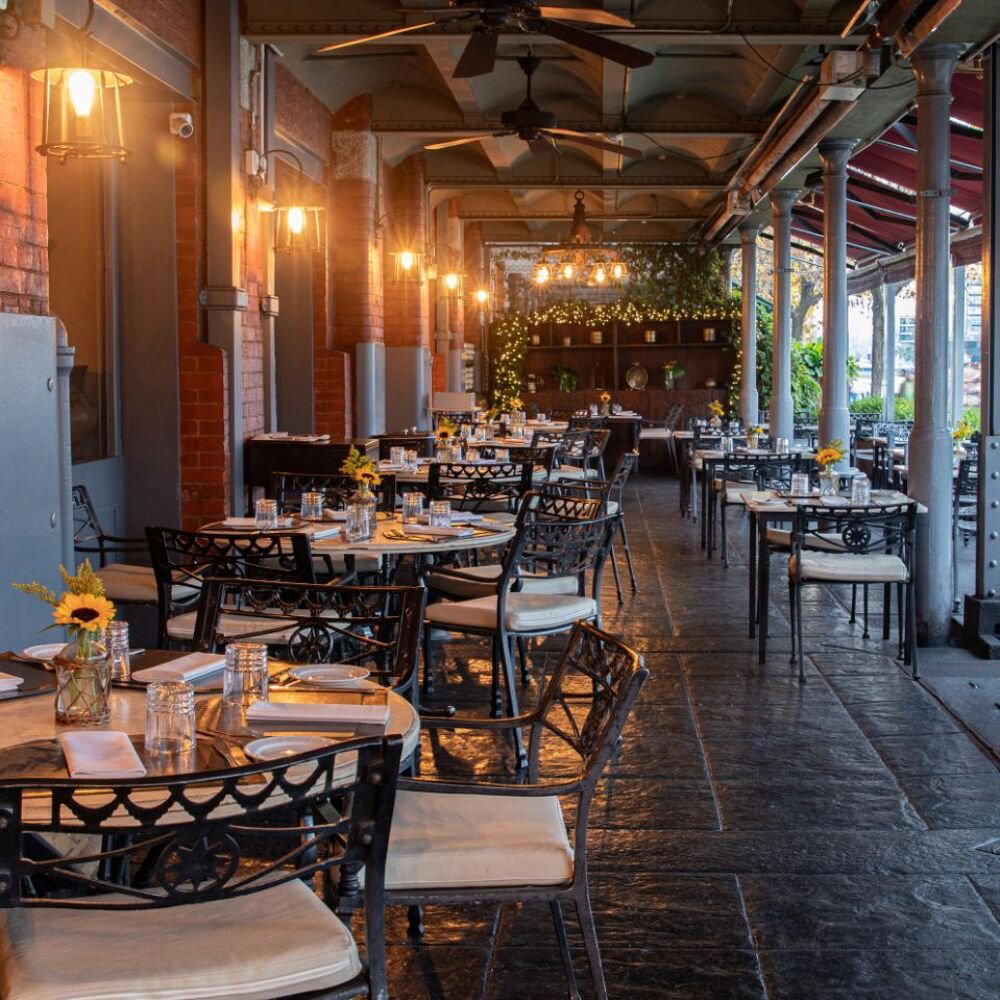
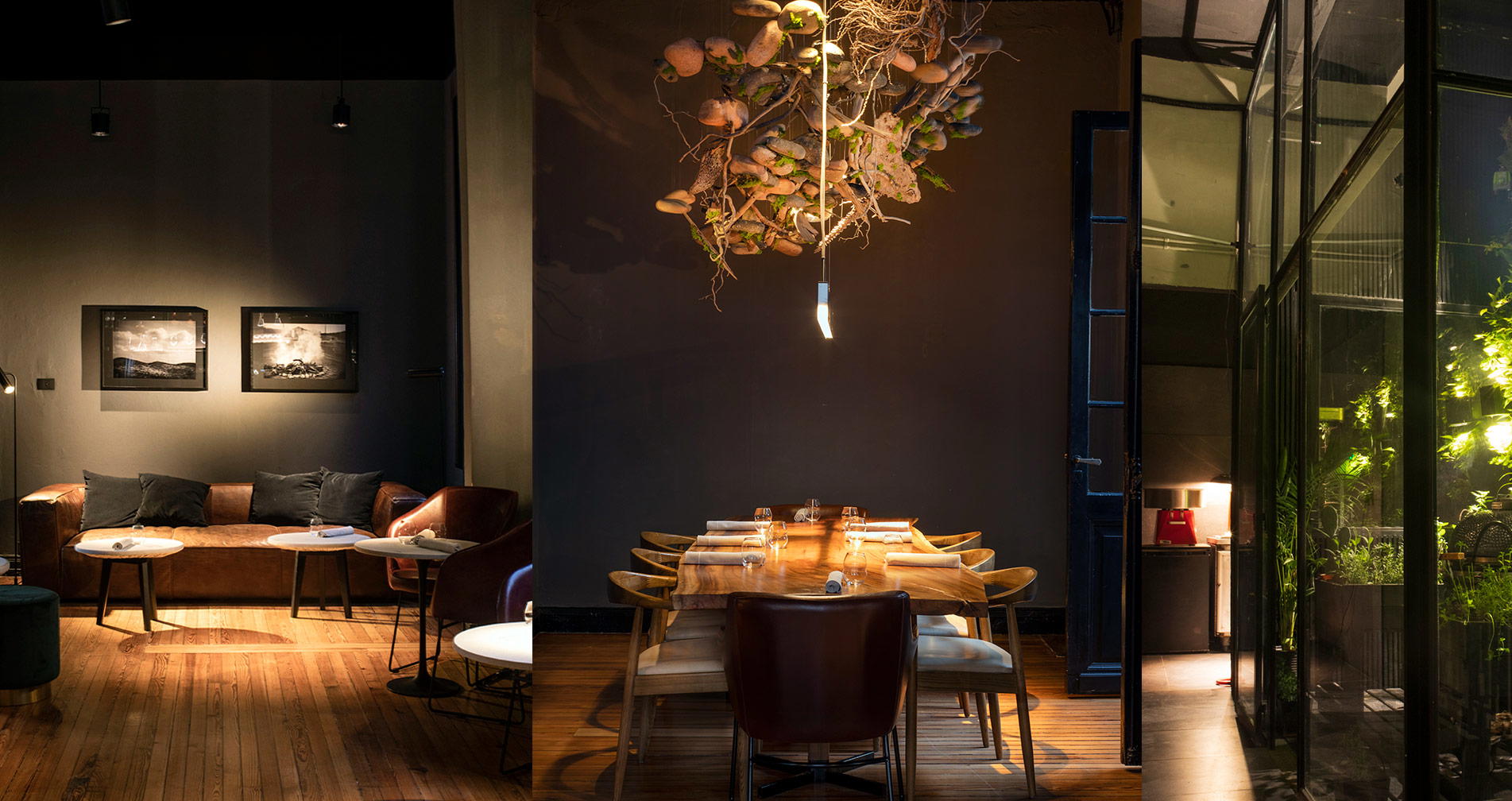
Bright, comfortable spaces beautifully decorated with priceless Argentine artwork, antiques, and a swish private members club atmosphere in the living room.