Palacio Duhau - Park Hyatt Buenos Aires





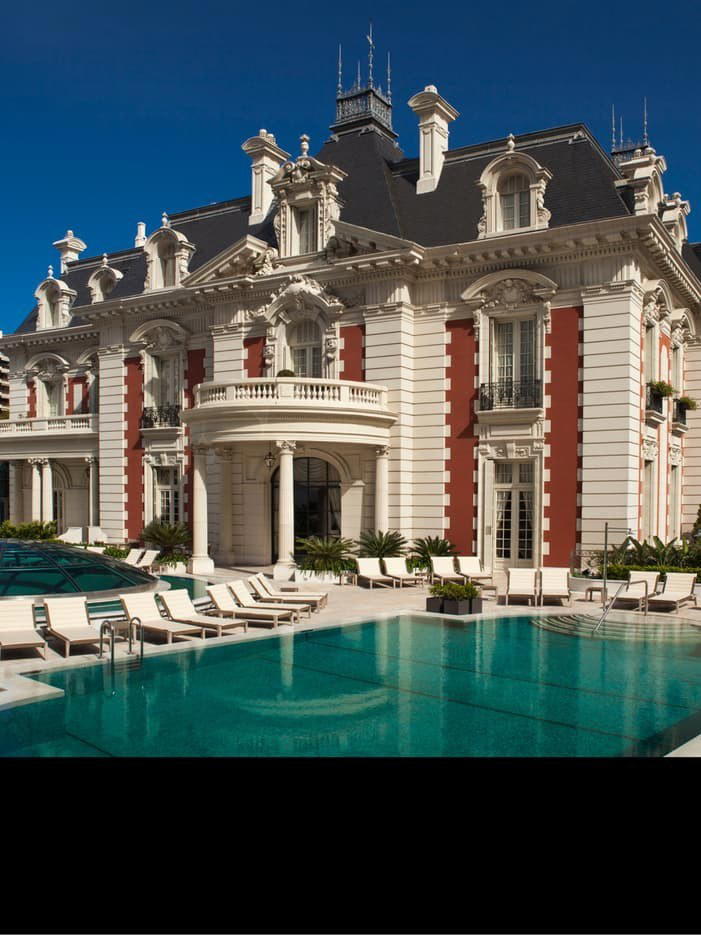
Where Recoleta's Belle Époque architecture meets contemporary Park Hyatt service, Palacio Duhau occupies a 1930s mansion connected to a modern tower on Avenida Alvear. Ranked 91.5 points on La Liste Top Hotels 2026, its 165 rooms, butler service across all categories, and a tiered garden widely cited as one of Buenos Aires' leading outdoor drinking spots position it at the serious end of the city's luxury hotel market.
Pearl is the En Primeur Club membership app — saves, bookings, and concierge access live there. Same editors, same standards.
- Address
- Av. Alvear 1661, C1014AAD Cdad. Autónoma de Buenos Aires
- Phone
- +54 11 5171-1234
- Website
- hyatt.com
- Directions
- Get directions
 Saves & bookings on Pearl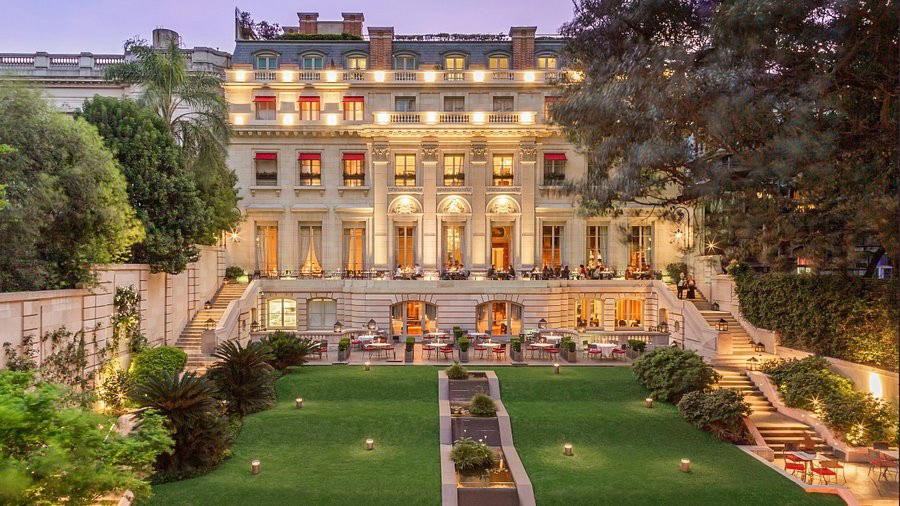
Avenida Alvear and the Hotel That Sits at Its Centre
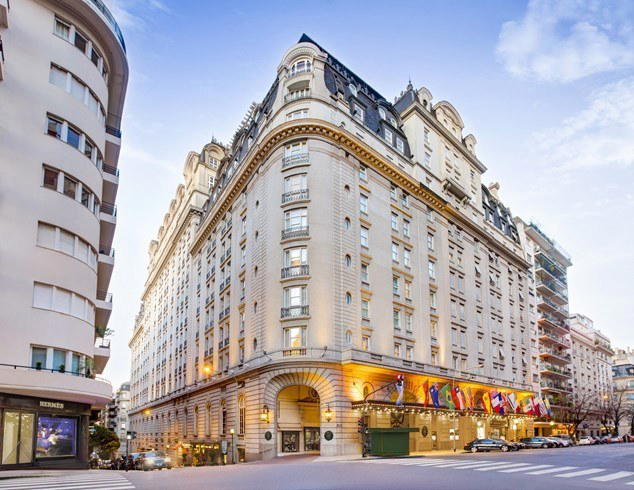
Avenida Alvear is a short, deliberate street. Lined with French-influenced mansions, designer boutiques, and a small number of hotels that belong to a different category than the rest of Buenos Aires, it functions less as a thoroughfare than a statement of how the city sees itself at its most formal. Among the properties that anchor this stretch, Palacio Duhau - Park Hyatt Buenos Aires is a 5-star hotel in Buenos Aires, with 165 rooms and suites. It pairs a Belle Époque palace from the 1930s with a purpose-built modern tower, and La Liste Leading Hotels awarded it 91.5 points in 2026, placing it firmly in the upper tier of Buenos Aires luxury accommodation alongside the Alvear Palace Hotel a few blocks away.
The two properties represent a useful contrast. The Alvear Palace leans fully into antique grandeur; Palacio Duhau mediates between that register and the cleaner geometry of newer design hotels such as Faena Buenos Aires or Anselmo Buenos Aires. The result is a hotel that reads as contemporary without erasing the architecture it inhabits. Palace-side rooms carry some reference to the 1930s original, buffed wood floors and panelled walls; tower rooms take a quieter, more minimal approach. Both share marble bathrooms with separate tubs and rain showers, walk-in closets, and butler service extended to every room category, not reserved for suites.
The Garden, the Oak Bar, and the Pattern of the Day
Buenos Aires luxury hotels tend to position their social spaces around one or two gravity points. At Palacio Duhau, the tiered garden functions as the daytime and early-evening anchor, particularly in the warmer months between November and March when outdoor drinking has the full weight of the city behind it. The garden serves drinks and connects the two buildings across a landscaped descent, and it draws a mix of guests and Recoleta locals in a way that few hotel exteriors manage. Arriving for a late afternoon drink here, with the palace facade as a backdrop, is one of the more agreeable ways to situate yourself in the neighbourhood.
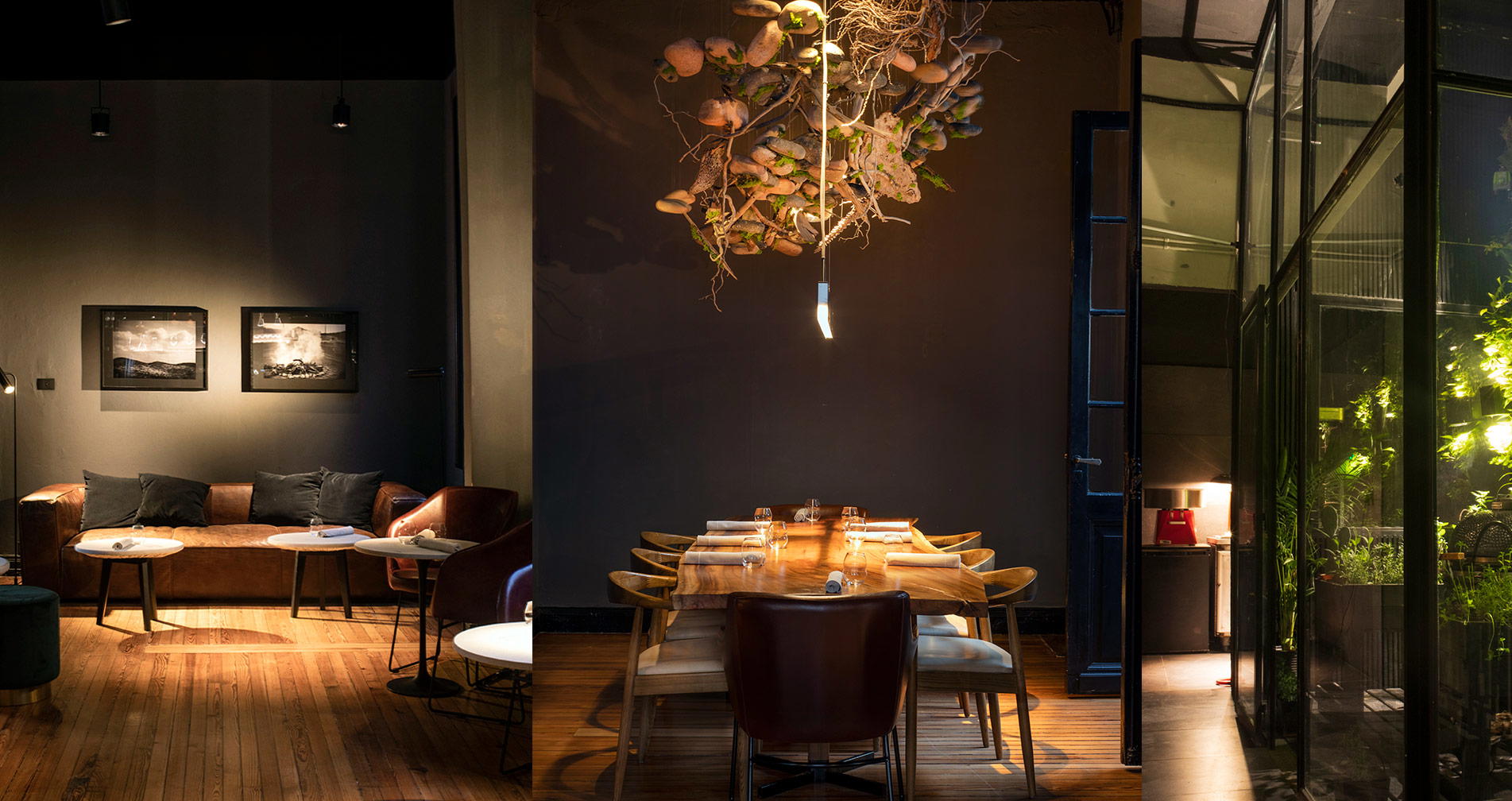
After dark, the centre of gravity shifts to the Oak Bar, located on the Piano Nobile floor of the palace building. The 28-seat room is panelled in antique oak with a wood-burning fireplace, brown leather wingback chairs, and a six-person terrace overlooking the garden. The format is deliberately private, structured around whiskey and cigars, and it attracts the kind of guest who is less interested in being seen than in having a genuinely quiet drink. For visitors booking ahead, it is worth noting that the Oak Bar operates as a fixed-capacity room; an early evening start on a busy night is advisable if you want a seat at the bar rather than the terrace.
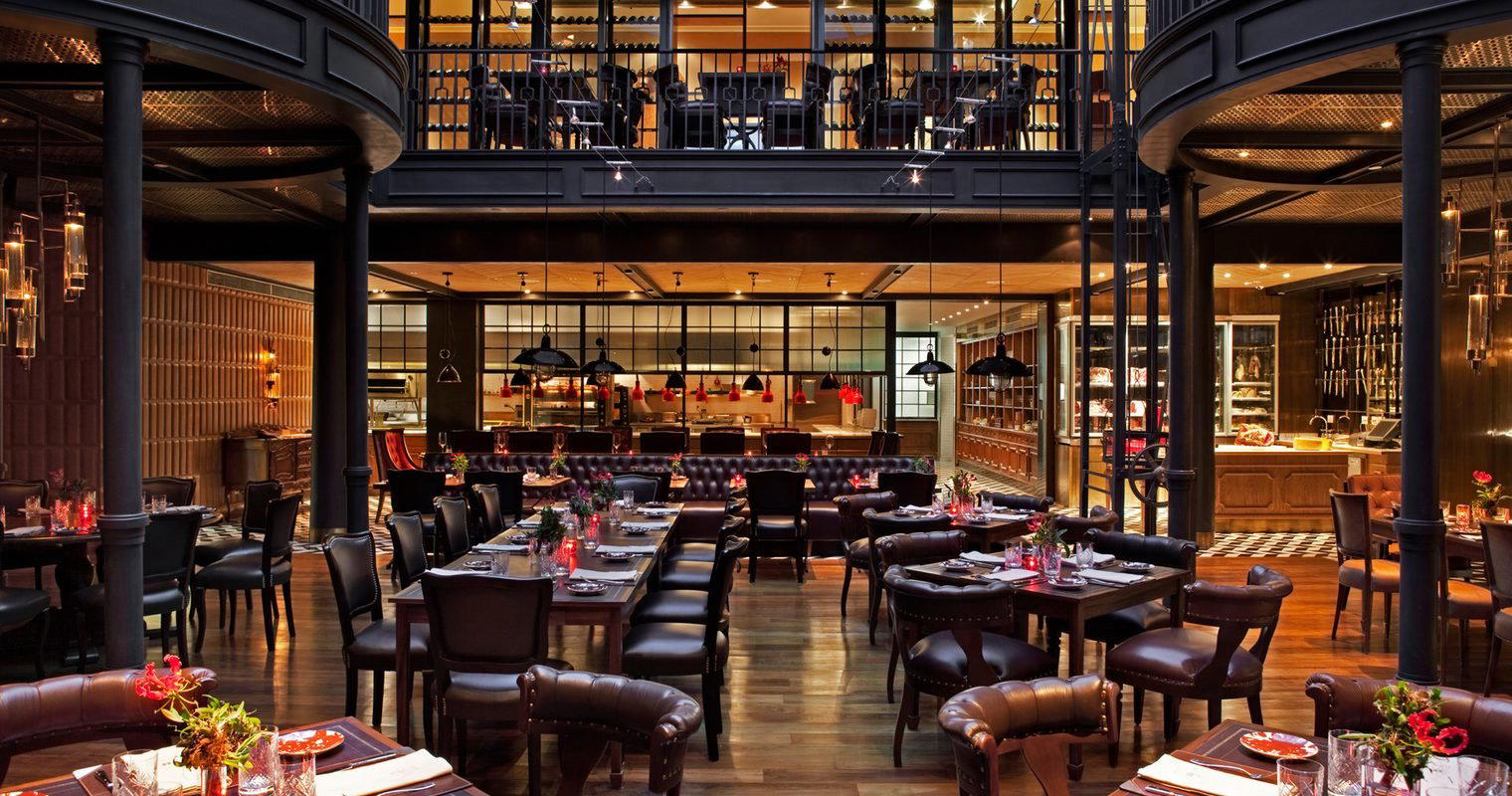
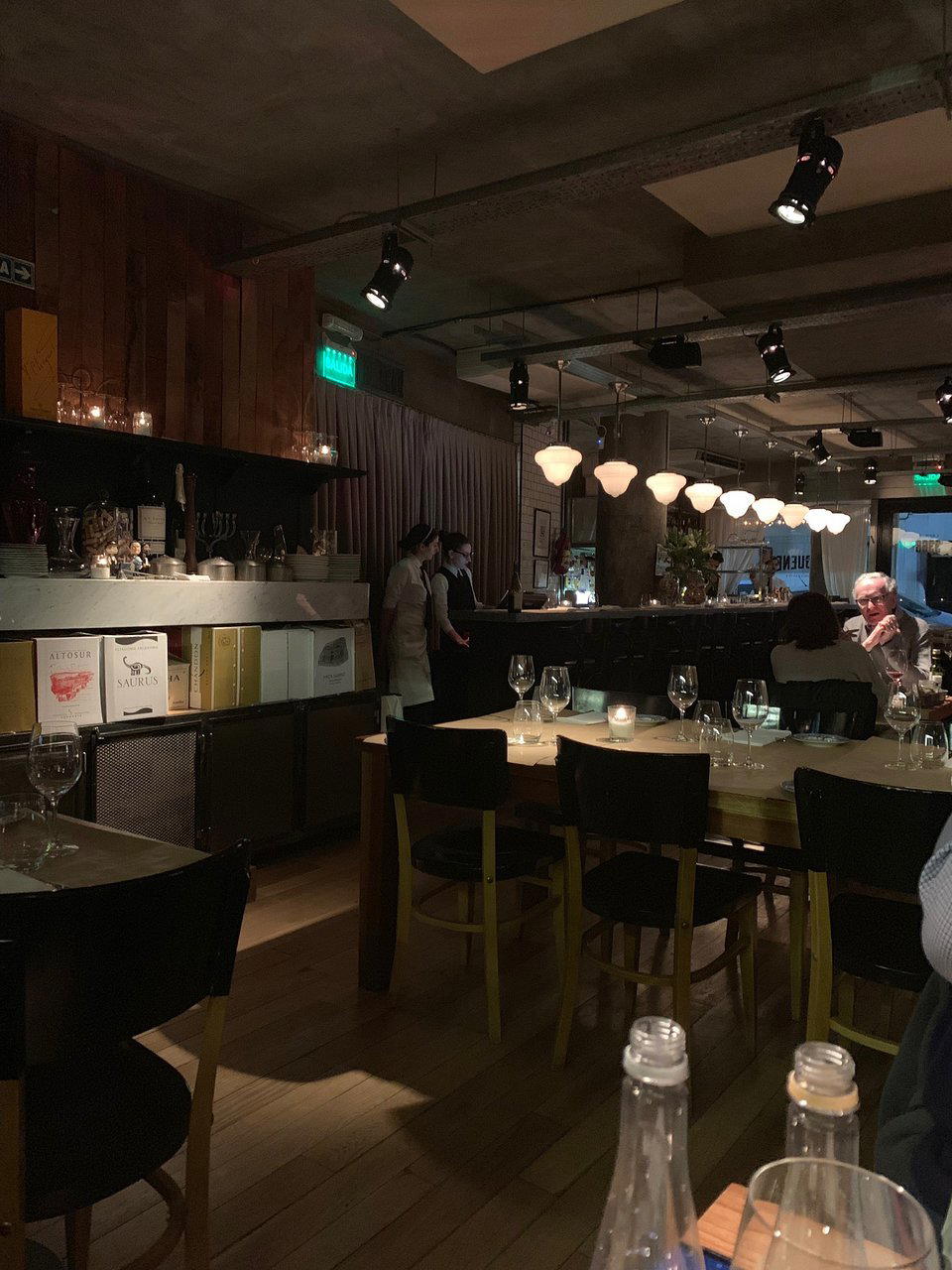
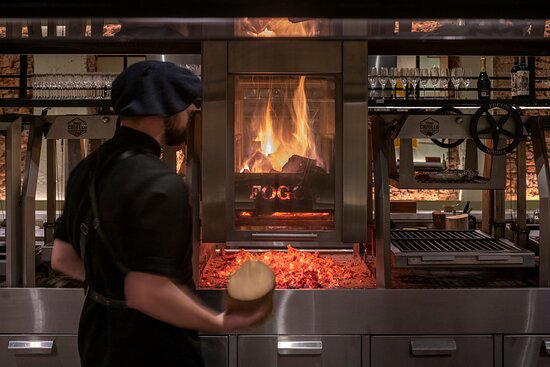
The hotel's food programme spans several settings. Duhau Restaurante and Vinoteca serves Argentine cuisine with an emphasis on seasonal product and wood grill preparation, connected to the garden for terrace seating. The Piano Nobile Salons serve breakfast and afternoon tea in rooms that preserve their original painted boiserie and fireplace detailing. Gioia, in the Posadas tower building, runs a modern Italian menu with garden views throughout the day and into evening. Sunday brunch moves out to the garden. Between these options, there is no natural pressure to leave the property for a meal, though Recoleta and Palermo offer compelling reasons to do so, see our full Buenos Aires restaurants guide for the broader picture.
The Gallery, the Art Programme, and What It Signals
Connecting the palace to the tower via the underground passage is an onsite gallery that rotates exhibitions of contemporary Argentine art. This is not incidental decoration. In a city where contemporary art has become a serious marker of cultural positioning for both private collectors and institutions, a hotel that maintains a credible rotating programme occupies a different cultural register than one with static lobby installations. The gallery dimension also gives guests who are spending several nights a reason to re-engage with the building's connective tissue rather than simply passing through it.
Planning Your Stay: What to Know Before You Book
Palacio Duhau is approximately 35 minutes from Ezeiza International Airport under normal traffic conditions, which in Buenos Aires is a variable worth building into arrival planning. Aeroparque Jorge Newbery, the domestic airport, sits considerably closer to Recoleta and is the relevant hub for connections from Mendoza, Bariloche, or Iguazu. Aman New York and The Fifth Avenue Hotel occupy a comparable pricing tier in their market.
Booking directly through the Park Hyatt platform or Hyatt's World of Hyatt loyalty programme generally yields the transparent rate structure and the clearest access to room type selection. The hotel's 165 rooms span both buildings, and the choice between palace and tower sides involves a trade-off: the palace rooms carry the architectural weight of the 1930s original, while the tower rooms tend toward larger footprints and more contemporary finishes. For those with mobility requirements, all public areas were designed to accommodate mobility-impaired guests. Babysitting services can be arranged for families. The business centre runs with multilingual secretarial support, which remains a meaningful differentiator for travellers whose Buenos Aires trip combines leisure with meetings.
The spa includes an 80-foot swimming pool, among the more extensive hotel spa facilities in the city. Bath products are from Argentine brand Celedonio Lohidoy, a local credential that signals something about the hotel's sourcing approach without overstating it. Suites include working fireplaces, relevant in a city where June and July nights carry genuine chill.
Argentina Beyond Buenos Aires
For guests extending their itinerary across Argentina, the property works as a Buenos Aires base for a broader circuit. Wine country connections are well-served by properties including Casa Duhau in Mendoza, Awasi Mendoza in Lujan De Cuyo, Cavas Wine Lodge in Alto Agrelo, Casa de Uco in Tunuyán, and Algodon Wine Estates in San Rafael. For Patagonia, Charming Luxury Lodge in San Carlos de Bariloche and Arakur Ushuaia Resort and Spa in Ushuaia cover the Andean and far-south ends of the country. The Iguazu circuit connects through Awasi Iguazu in Puerto Iguazu. The Salta wine region is served by Colomé Winery in Molinos. For pampas estancia experience, Estancia El Ombú de Areco in San Antonio de Areco sits within a reasonable day-trip radius of the capital.
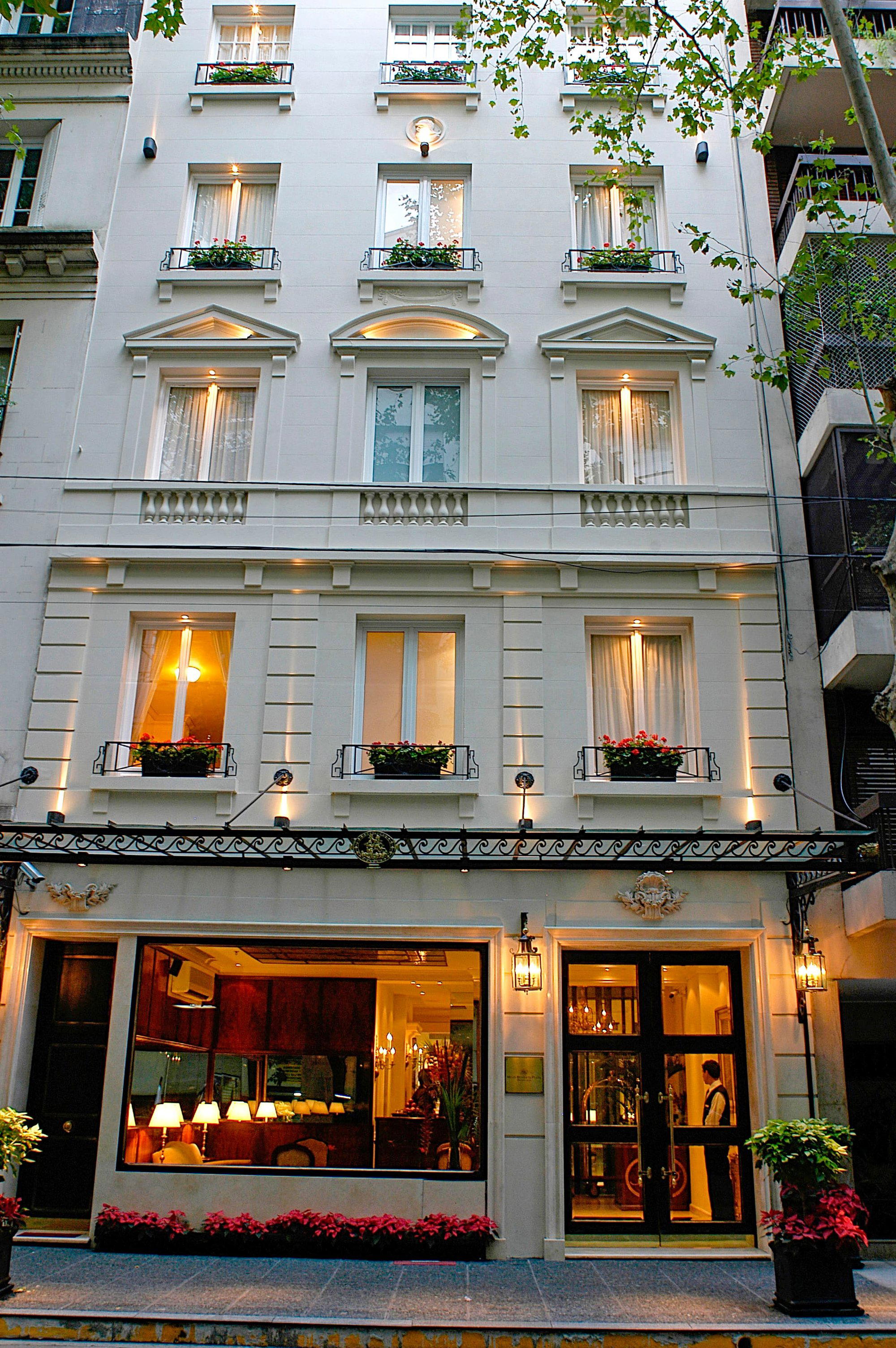
Within Buenos Aires itself, guests comparing properties in the boutique segment should assess Algodon Mansion, Fierro Hotel, and Be Jardín Escondido by Coppola for lower-key, design-forward alternatives at different price points. Casa Lucia represents the smaller, more residential end of that spectrum.
Compact Comparison
Comparable venues nearby, for context on price, style, and recognition.
| Venue | Price | Notes |
|---|---|---|
| Palacio Duhau - Park Hyatt Buenos AiresThis venue — the venue you are viewing | $$$$ | Not listed |
| Alvear Palace Hotel | $$$$ | Recoleta, Historic French-inspired palace with modern top-floor suites |
| Four Seasons Hotel Buenos Aires | $$$$ | Centro, European elegance with Argentine twist in historic mansion and modern tower |
| Park Tower, A Luxury Collection Hotel | $$$$ | Retiro, Luxury urban tower hotel with sophisticated English-style suites and event spaces. |
| Casa Lucia Member of Melia Collection | $$$$ | Retiro, Elegant townhouse hotel in restored art-deco building. |
| Hotel del Casco | $$$ | Presidente Roque Sáenz Peña, Restored 19th-century neoclassical palazzo blending historic charm with contemporary comforts. |
Recognition history
Dated appearances from independent guides and award organizations, with the underlying list record or original source where available.
Forbes 4-Star
Forbes
La Liste Top Hotels
La Liste
Star Wine List
Star Wine List
Virtuoso Luxury Hotel Partner
Virtuoso
Forbes 4-Star
Forbes
Michelin 1 Key
Michelin
Continue exploring
More in Buenos Aires
Hotels in Buenos Aires
Browse all →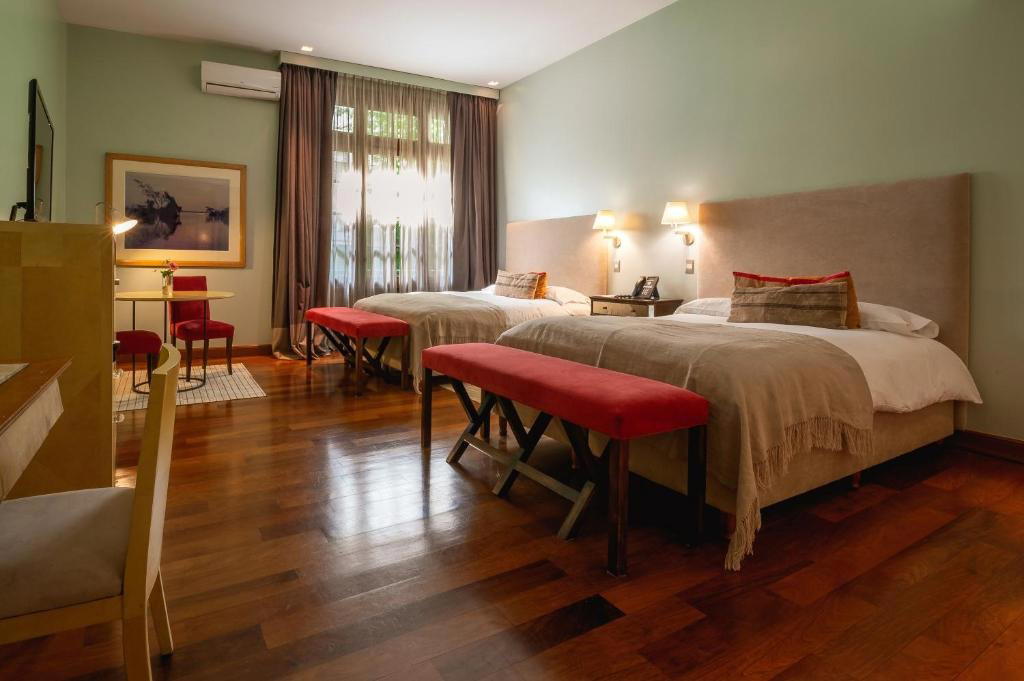
Bars in Buenos Aires
Browse all →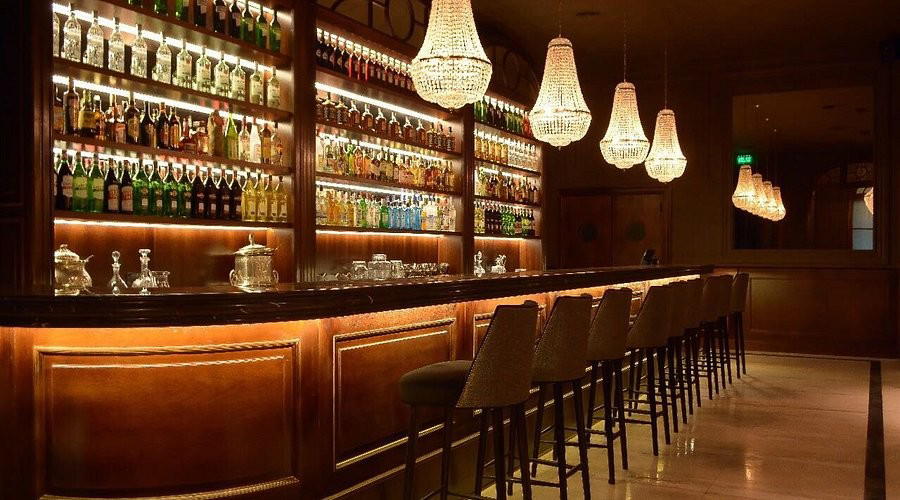
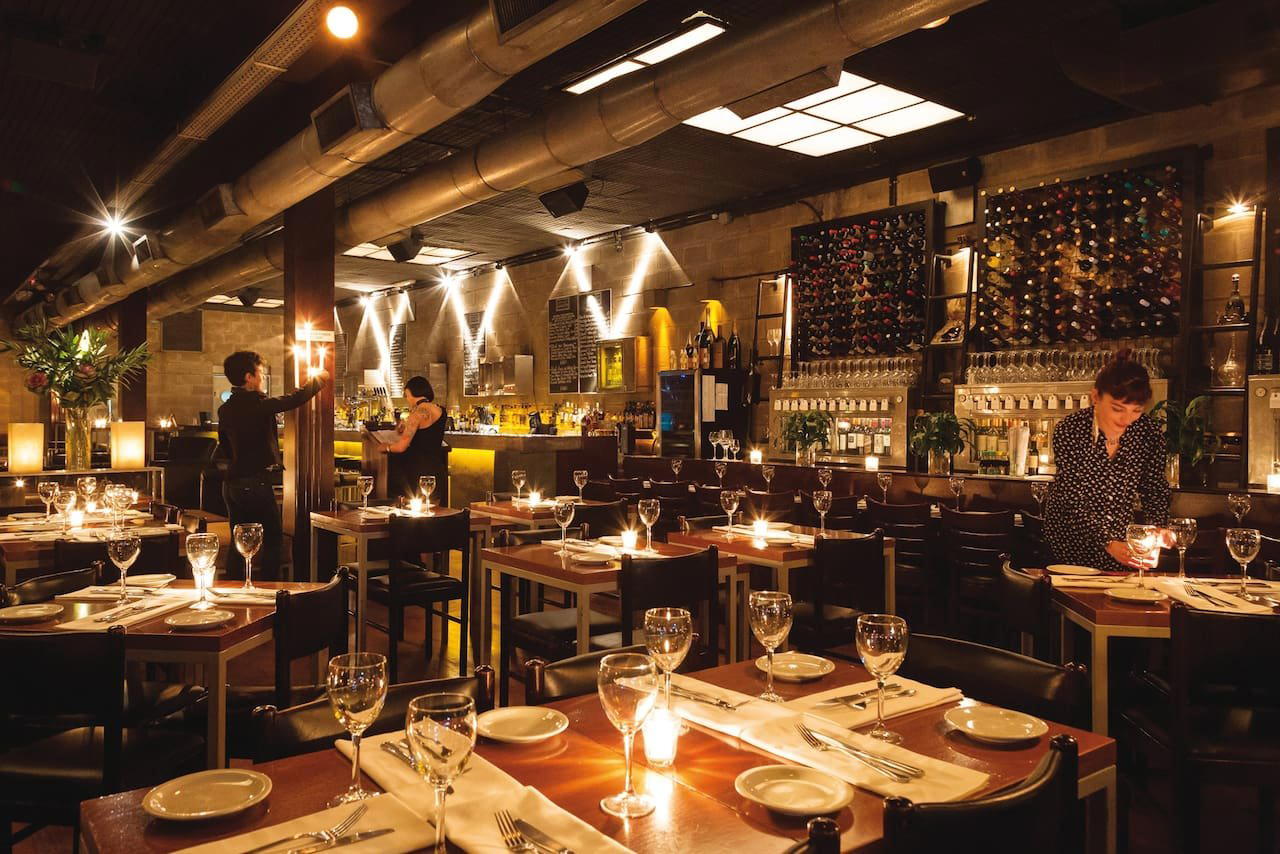
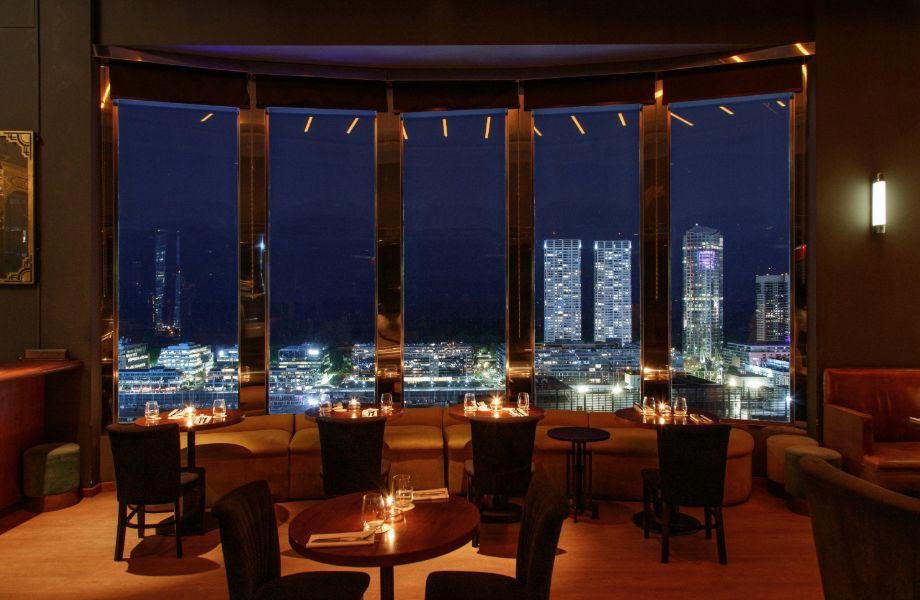
Restaurants in Buenos Aires
Browse all →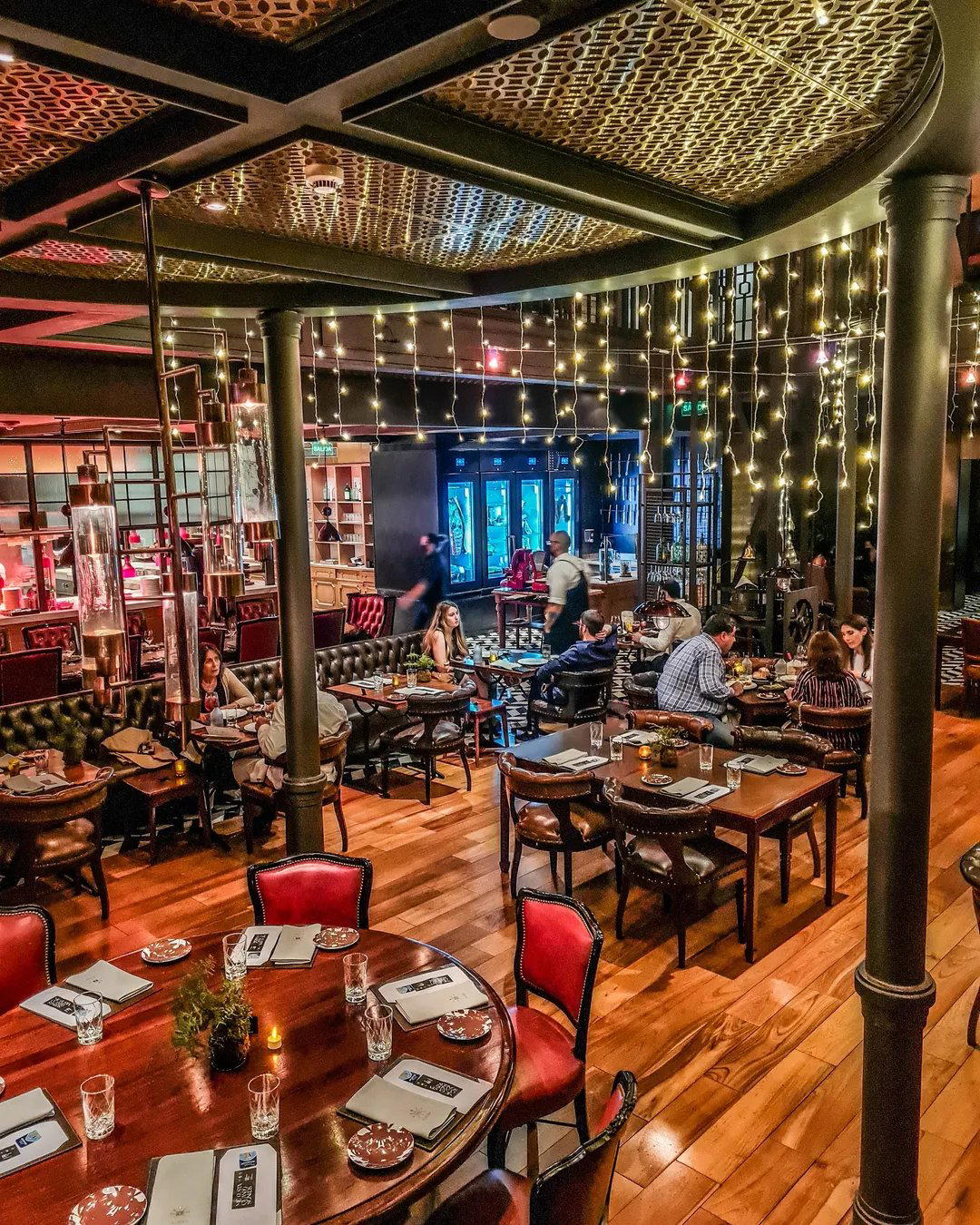
Wineries in Buenos Aires
Browse all →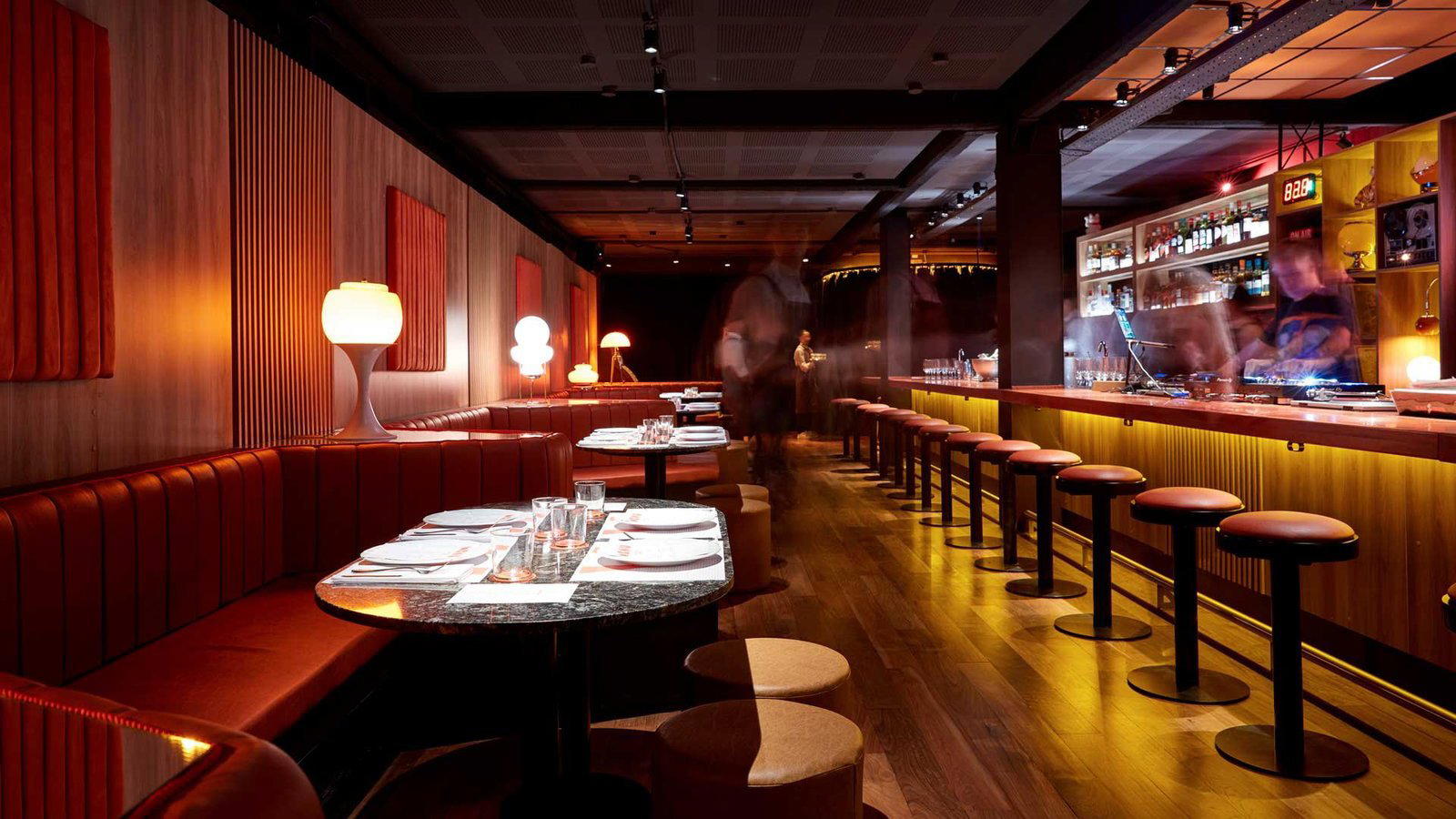
At a Glance
- Elegant
- Sophisticated
- Ornate
- Classic
- Honeymoon
- Romantic Getaway
- Business Trip
- Anniversary
- Garden
- Terrace
- Historic Building
- Butler Service
- Spa
- Pool
- Fitness Center
- Room Service
- Concierge
- Business Center
- Valet Parking
- Sauna
- Hot Tub
- Wi Fi
- Garden
- Spa
- Pool
- Fitness Center
- Room Service
- Concierge
- Business Center
- Valet Parking
- Sauna
- Hot Tub
- Wi Fi
Serene elegance with crystal chandeliers, rich red upholstery, lush gardens, and a blend of traditional details and ultramodern furnishings.