El Mora occupies a corner of Milan's Ticinese district that has been reshaping itself around serious dining and considered drinking for the better part of a decade. The address on Via Gian Giacomo Mora places it firmly within a neighbourhood where the city's older mercantile identity and its current appetite for thoughtful hospitality coexist on the same cobblestoned stretch. For visitors working through Milan's broader dining picture, it belongs on the same itinerary as the city's more established tables.
Pearl is the En Primeur Club membership app — saves, bookings, and concierge access live there. Same editors, same standards.
- Address
- Via Gian Giacomo Mora, 16, 20123 Milano MI, Italy
- Phone
- +39280897319
- Website
- el-mora.it
- Directions
- Get directions
 Saves & bookings on Pearl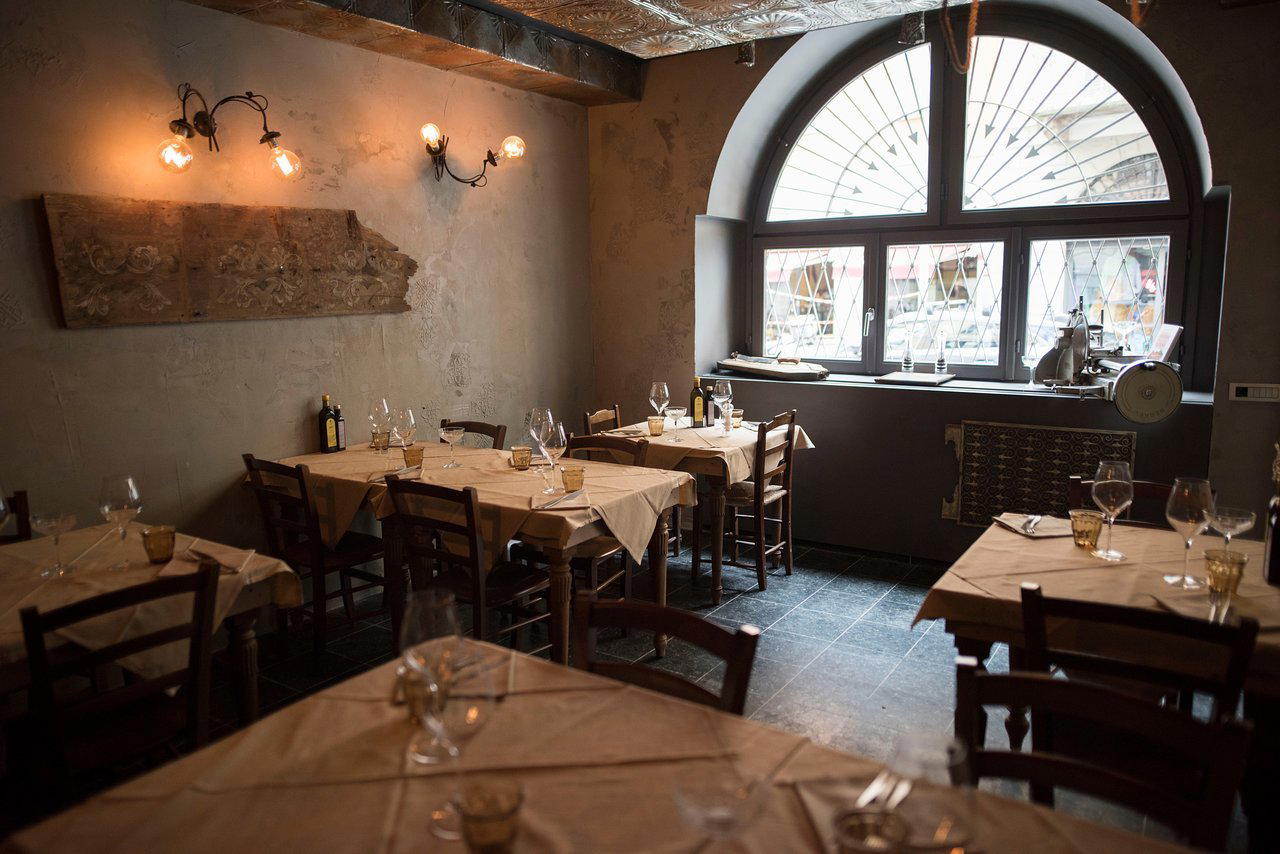
A Street That Earns Its Reputation
Via Gian Giacomo Mora runs through the Ticinese quarter, a part of Milan that has historically marked the boundary between the city's commercial core and its more residential southern reaches. The street itself is named after a historical figure associated with one of the city's darker chapters, a reminder that this neighbourhood carries genuine historical weight rather than the manufactured patina that attaches itself to newly gentrified districts elsewhere. Arriving on foot from the Navigli canals to the south or from the Porta Ticinese arch to the north, the scale of the surrounding buildings gives the approach a proportionality that central Milan's more theatrical addresses do not always offer.
That physical context matters when thinking about El Mora. The Ticinese district is not where Milan stages its most visible fine-dining theatre, that happens closer to the Duomo, where Cracco in Galleria operates inside one of the city's most photographed architectural set pieces, or in Porta Nuova's newer hospitality infrastructure. Ticinese is quieter, denser with locals, and historically more tolerant of establishments that run on quality rather than spectacle.
Milan's Dining Geography and Where El Mora Sits
Milan's high-end restaurant scene has consolidated into a relatively small number of formats over the past decade. At the leading, multi-Michelin-starred rooms like Enrico Bartolini and Seta operate tasting-menu programs that price and present against a European peer group, not just a Milanese one. A tier below, contemporary Italian addresses like Andrea Aprea and Verso Capitaneo serve guests who want the substance of serious cooking without the ceremony of the full tasting format.
El Mora's address places it within walking distance of a neighbourhood that has historically attracted the second category of diner: someone who knows what they want, prefers to eat without excessive formality, and is willing to seek out a table on a street that does not appear in fashion-week itineraries. In a city where Navigli-area restaurants routinely fill on reputation alone, that positioning is not a disadvantage.
The Cultural Weight of Italian Trattoria Traditions
Italy's restaurant culture is unusual in that its most durable institutional format, the trattoria, has proven more resistant to obsolescence than its equivalents in France, Spain, or the United Kingdom. The trattoria model, built around a limited menu of regional dishes, consistent quality rather than seasonal reinvention, and a relationship with regulars measured in years rather than bookings, has survived precisely because it is not trying to be anything other than what it is.
Milan's version of this tradition has always been complicated by the city's identity as a fashion and finance capital. The clientele that fills the city's leading rooms includes a disproportionate share of people who travel constantly and eat at reference-level restaurants in other cities, from Osteria Francescana in Modena to Enoteca Pinchiorri in Florence. That familiarity with a wider range of Italian cooking styles has raised the baseline expectation at mid-tier Milanese restaurants in ways that are not always visible from outside the city.
The Ticinese quarter's restaurants operate within that expectation. A table in this neighbourhood is not forgiven for coasting on atmosphere. The proximity to more established addresses, and the ease with which a disappointed diner can redirect to a reservation elsewhere in the city, keeps the quality floor higher than in tourist-heavy zones closer to the Castello Sforzesco.
Italy's Broader Table: What Context Looks Like at Scale
To understand what a Milanese neighbourhood restaurant is working against and alongside, it helps to range across the country's dining reference points. The northern Italian cooking tradition that most directly influences Milan's kitchen vocabulary runs from the butter-and-cream richness of Lombardian risotto to the austere alpine precision of addresses like Atelier Moessmer Norbert Niederkofler in Brunico. Further south, the seafood intelligence of Uliassi in Senigallia or the pastoral depth of Reale in Castel di Sangro represents how differently the Italian peninsula can cook when geography and product availability change.
Milan sits at the intersection of these traditions without being entirely owned by any of them. Lombardian staples like risotto alla Milanese, cotoletta, and ossobuco anchor the regional identity, but the city's cosmopolitanism means that a restaurant on Via Gian Giacomo Mora can draw on a much wider range of reference points than its address alone would suggest. Comparable regional anchors operating in destination-dining formats include Dal Pescatore in Runate and Piazza Duomo in Alba, both of which demonstrate how Italian cooking at its most considered balances regional specificity with technical ambition.
Planning a Visit to El Mora
The Ticinese neighbourhood is most animated from early evening onward, when the aperitivo culture that defines Milan's pre-dinner ritual fills the bars along Corso di Porta Ticinese and the adjacent streets. Arriving in this window before a dinner reservation gives a more accurate sense of the area's character than arriving directly by taxi.
Seasonally, autumn and spring are the periods when Milan's restaurant scene operates at its most concentrated energy. Fashion weeks in February and September bring a temporary density of international visitors that shifts the booking dynamic across many of the city's better addresses; tables at more prominent rooms like Andrea Aprea or Enrico Bartolini fill weeks ahead during those periods. A neighbourhood restaurant in Ticinese may absorb some of that overflow demand, making advance contact sensible during peak weeks.
Peers in This Market
Comparable venues nearby, for context on price, style, and recognition.
| Venue | Cuisine | Price | Notes |
|---|---|---|---|
| El MoraThis venue — the venue you are viewing | Italian Grill and Seafood | $$ | Not listed |
| El Brellin | Traditional Milanese | $$ | Porta Ticinese - Conchetta |
| Latteria | Vegetarian Italian | $$ | Brera |
| Trattoria Milanese | Traditional Milanese Trattoria | $$ | Duomo |
| Pizzium | Regional Neapolitan Pizza | $$ | Sarpi |
| Mo. Sto Bistrot | Sicilian and Pugliese Italian Bistro | $$ | Porta Vigentina - Porta Lodovica |
Continue exploring
More in Milan
Restaurants in Milan
Browse all →
Bars in Milan
Browse all →
Hotels in Milan
Browse all →
At a Glance
- Cozy
- Intimate
- Family
- Open Kitchen
- Extensive Wine List
- Local Sourcing
- Street Scene
Current opening hours
- Monday
- 7–11:30 PM
- Tuesday
- 12–2:30 PM, 7–11:30 PM
- Wednesday
- 12–2:30 PM, 7–11:30 PM
- Thursday
- 12–2:45 PM, 7–11:30 PM
- Friday
- 12–2:30 PM, 7–11:30 PM
- Saturday
- 12–2:30 PM, 7 PM–12 AM
- Sunday
- 12–2:30 PM
Hours can change for holidays and private events. Last verified .
Collected, tranquil, and welcoming atmosphere praised for its pleasant environment.