Our verdict
El Jefe Traveling Food on Calle de Alonso Cano occupies the quieter residential edge of Chamberí, where Madrid's dining scene thins out from the dense creative-tasting-menu corridor further south. With minimal public data and no publicised awards trail, it operates in the category of neighbourhood-anchored spots that build following through return visits rather than press cycles. Regulars tend to know things first-party visitors do not.

Pearl is the En Primeur Club membership app, where members save venues, book tables and use the concierge.
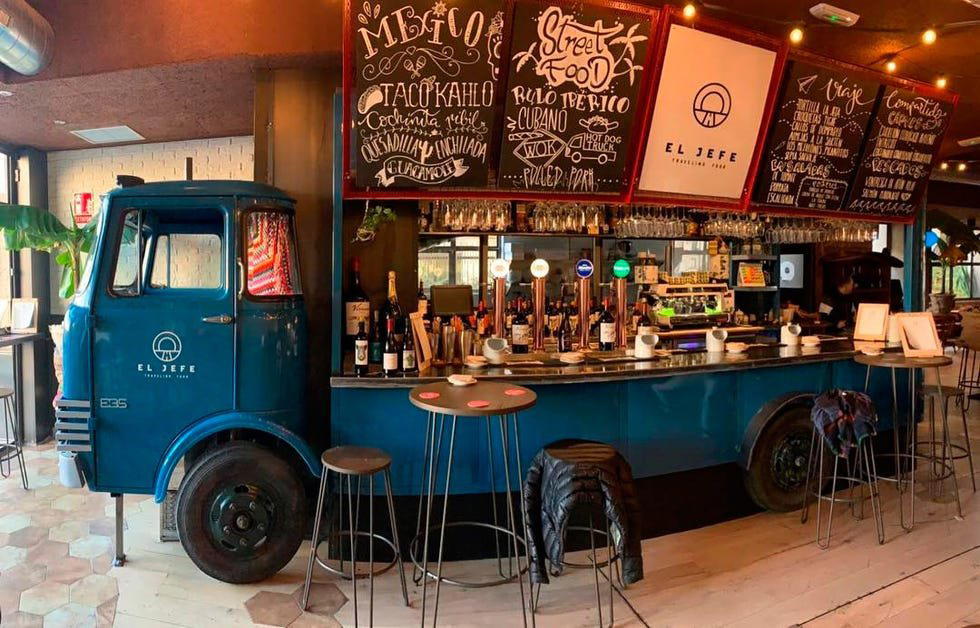
The menu
What to order
- Organic veal from Ávila
- Red tuna belly
- Medium rare salmon
Chamberí's Quieter Register
Madrid's restaurant conversation concentrates heavily on the corridor running through Salamanca and the creative-tasting-menu circuit anchored by names like DiverXO, Coque, and Deessa. The outer residential blocks of Chamberí operate on a different rhythm. Calle de Alonso Cano sits in the northern stretch of the neighbourhood, where the street-level offer is shaped more by local foot traffic than by destination dining searches. It is the kind of address where regulars arrive without consulting review platforms, and where new visitors tend to find the place through a personal recommendation rather than a press mention.
El Jefe Traveling Food sits in this context. Its name signals an ambition that extends beyond a fixed postal code, the "traveling" framing suggests a menu logic rooted in movement and reference rather than strict regional identity, the kind of positioning that appears increasingly across Madrid's mid-tier independent scene as operators borrow from global pantries without committing to a single cuisine category. Whether that framing is literal or decorative in this case, the address alone places it outside the press-cycle venues and inside the cohort that accumulates loyal clientele over time.
The Regulars' Logic
In any neighbourhood-anchored dining room, the returning guest is the most reliable editorial source. They have tried the menu across seasons, they know which dishes are structural and which are rotated, and they have developed opinions the first-time visitor cannot yet hold. At Chamberí addresses that build this kind of following without systematic press coverage, the pattern tends to be consistent: value is perceived as high relative to what the room charges, the format is accessible enough for frequent return, and there is something on the menu that a particular subset of regulars has decided is theirs.
The "traveling" identity in El Jefe's name connects to a broader Madrid shift. The city's independent restaurant scene has moved decisively away from strict regional categorisation. Operators in the €€ to €€€ bracket increasingly build menus around ingredient sourcing from multiple geographies, technique borrowing from Asian and Latin American traditions, and a format flexibility that allows a table to arrive for one thing and be redirected by what came in that morning. This is not the approach of the formal tasting-menu houses, venues like DSTAgE or Paco Roncero operate with a different contract with the guest, but it is a coherent alternative for the diner who wants to eat well without committing to a three-hour sequence and a corresponding price point.
For context on how this independent-neighbourhood model plays against Spain's broader creative dining map, see our full Madrid restaurants guide.
Where This Address Sits in the Madrid Tier Structure
Madrid's dining tiers are not simply a function of price. The city has a documented tier of venues with Michelin recognition and international competition placing, Quique Dacosta in Dénia, Arzak in San Sebastián, Azurmendi in Larrabetzu, Martin Berasategui in Lasarte-Oria, and El Celler de Can Roca in Girona define one ceiling. Below that sits a tier of urban creative venues with strong city-level recognition. Below that, a wide and genuinely interesting band of independent operators who are not competing for stars or list placement but are producing food that a regular would choose over many venues that do carry those credentials.
El Jefe Traveling Food, given its absence from the awards record and the address it occupies, reads most plausibly as an operator in that third tier, not a stepping-stone venue angling for recognition, but a neighbourhood anchor that has built a guest relationship outside the formal critical conversation. That is not a diminishment. Some of the more interesting eating in Madrid happens in exactly this register, in rooms that would not appear on the same itinerary as Aponiente or Cocina Hermanos Torres or Mugaritz but that serve a different, equally valid function for the guest who eats in the city regularly.
The comparison with Ricard Camarena in València or Atrio in Cáceres, both award-anchored venues operating in cities outside the Madrid-Barcelona axis, is useful for understanding what the market rewards when it does pay attention to a venue outside the tier-one circuit. Recognition, when it comes to independent venues, tends to follow a consistent pattern: a defined point of view, a repeatable format, and a guest retention rate that generates word-of-mouth before it generates critical attention.
Format Discipline and the Independent Room
Globally, the venues that accumulate loyal returning clientele in the €€–€€€ independent bracket share certain structural features. Format is clear enough that a regular knows what they are ordering before they arrive. The menu moves across seasons without losing its core identity. The room's social contract, noise level, pacing, the relationship between the kitchen and the dining room, is consistent across visits. Operations like Lazy Bear in San Francisco or, at a different scale, Le Bernardin in New York City have built long-term followings through exactly this kind of format clarity, even though their price points and formal ambitions are entirely different from a Chamberí neighbourhood operator.
The regulars at a venue like El Jefe Traveling Food are not comparing it against those benchmarks. They are returning because the room meets a set of local expectations reliably: food that reflects a coherent kitchen sensibility, a price that does not require an occasion to justify, and an address that is reachable from the northern residential blocks of Madrid without a transit calculation.
Planning Details
| Venue | Cuisine Register | Price Tier | Awards Tier | Booking Requirement |
|---|---|---|---|---|
| El Jefe Traveling Food | Independent neighbourhood (Madrid) | No public record | ||
| DiverXO | Progressive Asian-Creative | €€€€ | Michelin Three Stars | Months in advance |
| Coque | Spanish Creative | €€€€ | Michelin Two Stars | Weeks in advance |
| Deessa | Modern Spanish Creative | €€€€ | Michelin One Star | Weeks in advance |
| Paco Roncero | Creative | €€€€ | Michelin Two Stars | Weeks in advance |
Frequently asked questions
What is the signature dish at El Jefe Traveling Food?
The venue's name points toward a multi-reference cuisine approach rather than a single-cuisine identity, which in Madrid's independent scene typically means the kitchen anchors around a small number of consistent preparations while rotating the wider menu. Visiting without a fixed expectation and asking the kitchen what is reliable that day is the more practical approach than arriving for a specific dish.
How hard is it to get a table at El Jefe Traveling Food?
No booking data, capacity figures, or waiting-time patterns are on public record for this address. In the Chamberí neighbourhood context, independent venues at this profile level rarely operate the advance-booking pressure seen at Madrid's award-tracked tasting-menu circuit, where venues like DiverXO or Coque require lead times measured in months.
What do critics highlight about El Jefe Traveling Food?
Its position in Chamberí's northern residential blocks, outside the dense creative-dining zone, means it has not entered the review cycle that feeds venues like DSTAgE or Deessa. That absence does not signal quality in either direction; it signals an operation that has built its audience through channels other than the formal critical press.
Can El Jefe Traveling Food adjust for dietary needs?
No website or direct-contact information is publicly confirmed. If dietary requirements need to be communicated in advance, the practical step is to contact the restaurant by phone or in person at the Calle de Alonso Cano, 103 address in Chamberí. Independent neighbourhood venues in Madrid at this scale generally handle dietary requests on a kitchen-by-kitchen basis rather than through a standardised policy.
Is El Jefe Traveling Food the kind of address that rewards repeat visits over a single occasion?
The venue's name, neighbourhood position, and absence from the formal awards and press record all point toward a room built for return visits rather than single-occasion dining. In Chamberí's independent dining scene, this format tends to suit guests who are eating in Madrid regularly rather than visiting once. A first visit is leading treated as orientation; the second visit, with knowledge of what the kitchen does consistently, is where the address tends to make more sense.
At-a-Glance Comparison
| Venue | Cuisine | Price | Awards | Notes |
|---|---|---|---|---|
| El Jefe Traveling FoodThis venue (the venue you are viewing) | Traveling Fusion Street Food | Not listed | Not listed | Not listed |
| DiverXO | Avant-Garde Spanish Tasting Menu | $300–500 | 3 Michelin Stars · World's 50 Best #9 | Progressive - Asian, Creative |
| Coque | Modern Spanish Fine Dining | $300–500 | 2 Michelin Stars · La Liste Top Restaurants | Spanish, Creative |
| Deessa | Modern Valencian Fine Dining | $150–200 | 2 Michelin Stars · La Liste Top Restaurants | Modern Spanish, Creative |
| Paco Roncero | Avant-Garde Spanish Fine Dining | $150–200 | 2 Michelin Stars · La Liste Top Restaurants | Creative |
| Smoked Room | Modern Japanese Fire Omakase | $200–300 | 2 Michelin Stars · La Liste Top Restaurants | Progressive Asador, Contemporary |
Continue exploring
More in Madrid
Restaurants in Madrid
All restaurants in Madrid →
Bars in Madrid
All bars in Madrid →


Details
- Lively
- Cozy
- Trendy
- Casual Hangout
- Group Dining
- Open Kitchen
- A La Carte
- Small Plates
- Vegetarian Friendly
Current opening hours
- Monday
- 1–5 PM, 7 PM–12 AM
- Tuesday
- 1–5 PM, 7 PM–12:30 AM
- Wednesday
- 1–5 PM, 7 PM–12:30 AM
- Thursday
- 1–5 PM, 7 PM–12:30 AM
- Friday
- 1–5:30 PM, 7:30 PM–1:30 AM
- Saturday
- 1–5:30 PM, 7:30 PM–1:30 AM
- Sunday
- 12:30–5:30 PM
Hours can change for holidays and private events. Hours as of .
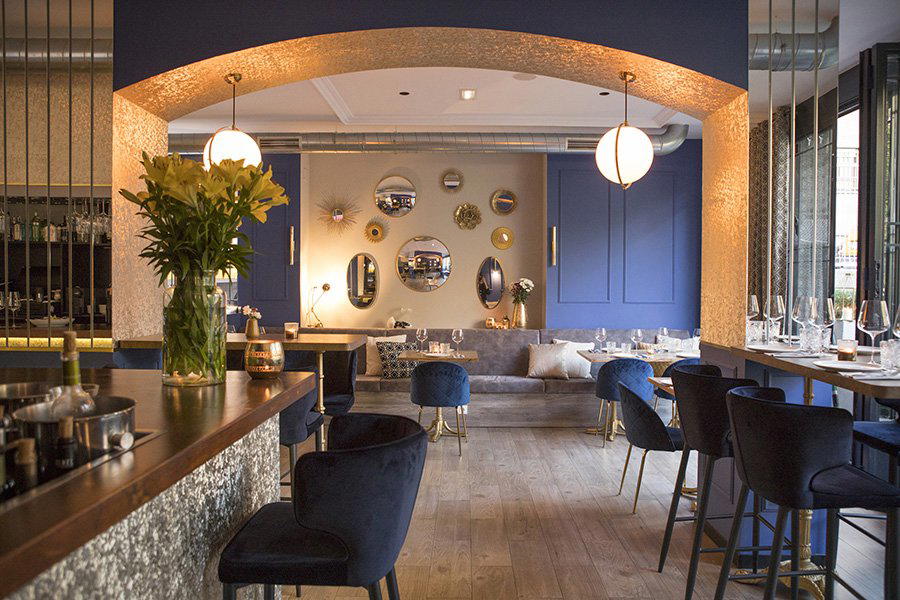
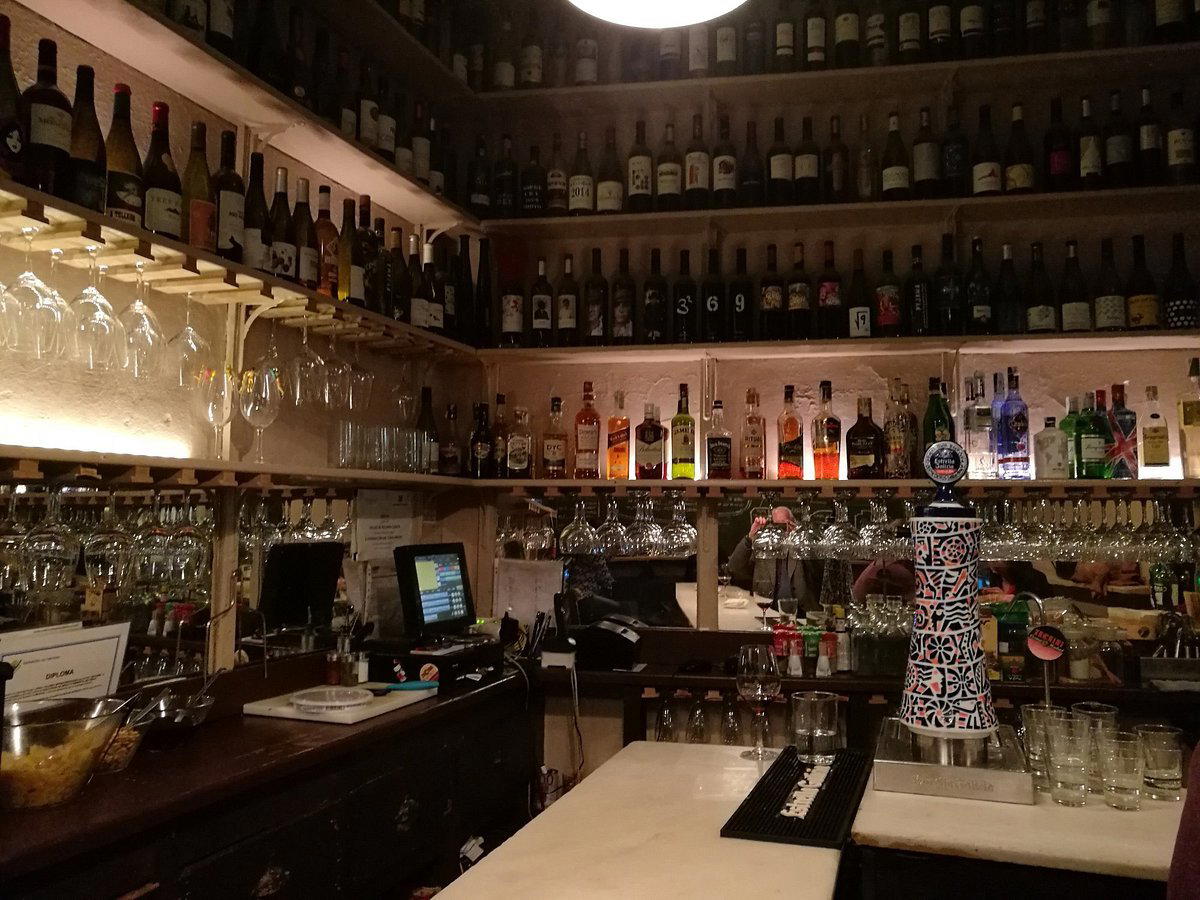
Warm wood decor with a relaxed street-food style atmosphere.