El Olvido sits in Chamartín, one of Madrid's more residential northern districts, where the dining scene tends toward neighbourhood loyalty over destination hype. The address places it inside a cohort of Madrid restaurants that operate with quiet confidence rather than marquee visibility, worth examining for what that positioning says about how the city's serious dining tier is evolving beyond the postcode prestige of Salamanca or the Retiro corridor.
Pearl is the En Primeur Club membership app — saves, bookings, and concierge access live there. Same editors, same standards.
- Address
- C. de Juan Hurtado de Mendoza, 13, Chamartín, 28036 Madrid, Spain
- Phone
- +34917030056
- Website
- lamision.es
- Directions
- Get directions
 Saves & bookings on Pearl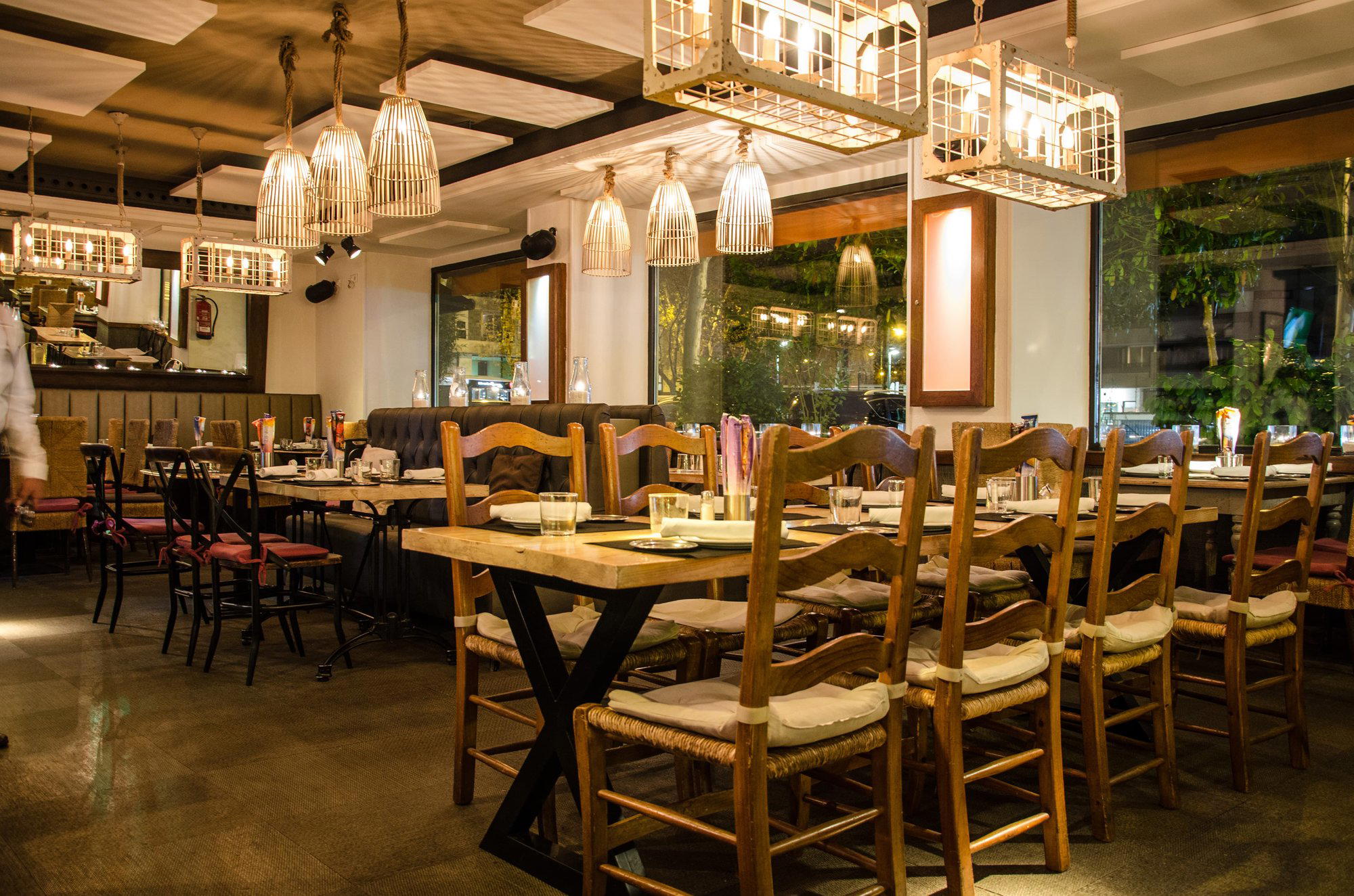
Chamartín's Quiet Tier: Where Madrid Dines Without the Spotlight
Madrid's fine dining conversation tends to concentrate around a handful of loud coordinates: the grand-format ambition of Coque, the hotel-anchored prestige of Deessa. But Madrid has always had a parallel circuit, restaurants in residential northern districts like Chamartín that earn their reputation through repeat clientele rather than critical fanfare. El Olvido, on Calle de Juan Hurtado de Mendoza in Chamartín's 28036 postcode, operates in that quieter register.
The address itself is instructive. Chamartín sits north of the Paseo de la Castellana, a district defined more by embassies, corporate headquarters, and long-tenured residents than by the tourist flows that animate Chueca or Malasaña. Restaurants that survive here do so on the strength of the food and the room, not footfall. The dining culture in this part of the city has historically rewarded consistency over concept, a different pressure from the innovation-forward rooms of the centre, but not a lesser one.
The Wine Argument at El Olvido
In a city where the sommelier profession has matured considerably over the past decade, the wine list at a Chamartín address carries specific weight. Madrid's leading rooms have progressively shifted their cellar strategies: where Spanish fine dining once leaned heavily on Rioja and Ribera del Duero as default prestige anchors, the more considered programs now pull from Galicia's white-wine resurgence (Rías Baixas, Ribeiro, Valdeorras), the mineral wines of Canary Island volcanism, and the old-vine recovery projects across Castilla-La Mancha and Extremadura.
El Olvido's Chamartín positioning suggests the latter tendency. Neighbourhood rooms at this level in Madrid tend to build their wine programs around the preferences of a returning clientele who know what they want but are also open to being guided, which is a different commercial proposition from the international-tourist-facing lists of the Salamanca corridor. That dynamic typically produces more personal, less formulaic selections: depth in specific producers rather than breadth across appellations, and a greater willingness to feature bottles that don't carry immediate name recognition.
Spain's internal wine geography has never been richer as a source for this kind of curation. The recovery of varieties like Merseguera in Valencia, Listán Negro in Tenerife, and Garnacha Blanca in Priorat has given thoughtful sommeliers genuinely interesting material. A list built around domestic discovery, rather than imported prestige anchors, signals a specific kind of confidence, one that Madrid's quieter serious rooms have been more willing to embrace than the destination flagships. For context on how Spain's broader fine dining tier is engaging with these questions, the work at El Celler de Can Roca in Girona and Atrio in Cáceres, the latter with among the more discussed cellars in the country, provides a useful reference frame.
Where El Olvido Sits in Madrid's Dining Tier
Madrid's premium dining tier has consolidated around a recognisable set of formats in recent years. The tasting-menu-only room, the creative Spanish counter, the contemporary asador, these are the formats that attract critical attention. DSTAgE and Paco Roncero represent different points on the creative-Spanish axis; both operate with the kind of format discipline and international recognition that positions them in a specific peer bracket. The restaurant does not appear to compete in that same visibility tier, which is itself a meaningful piece of information.
Restaurants that operate outside the awards circuit in Madrid are not necessarily operating below it. The city has a long tradition of serious rooms that function primarily as neighbourhood institutions, places where the produce quality and kitchen discipline match anything in the flagships, but where the format is less concerned with editorial positioning.
For comparison, Spain's most critically decorated rooms outside Madrid, Arzak in San Sebastián, Mugaritz in Errenteria, Azurmendi in Larrabetzu, Martin Berasategui in Lasarte-Oria, Quique Dacosta in Dénia, Aponiente in El Puerto de Santa María, Ricard Camarena in València, and Cocina Hermanos Torres in Barcelona, operate with the full apparatus of Michelin recognition and international media attention. The restaurant is positioned differently, and that difference shapes both who dines there and why.
Planning Your Visit
| Venue | District | Format | Price Tier | Booking Lead |
|---|---|---|---|---|
| The restaurant | Chamartín | Not confirmed | Not confirmed | |
| DiverXO | Tetuán | Tasting menu | €€€€ | Months in advance |
| Coque | Almagro | Tasting menu | €€€€ | Weeks to months |
| Deessa | Salamanca | Tasting menu | €€€€ | Weeks in advance |
| Paco Roncero | Centro | Tasting menu | €€€€ | Weeks in advance |
Recognition, Side-by-Side
Comparable venues nearby, for context on price, style, and recognition.
| Venue | Cuisine | Price | Notes |
|---|---|---|---|
| El OlvidoThis venue — the venue you are viewing | Spanish Market Cuisine | $$ | Not listed |
| La Flaca | Traditional Spanish Tapas | $$ | Castellana |
| Semilla Tomate | Traditional Spanish & Mediterranean | $$ | Arapiles |
| Alcaravea | Traditional Spanish | $$ | Vallehermoso |
| GOAT | Traditional Spanish Kid Goat | $$ | Malasana |
| perretxiCo Narváez | Basque Pintxos and Traditional Spanish | $$ | Ibiza |
Continue exploring
More in Madrid
Restaurants in Madrid
Browse all →
Bars in Madrid
Browse all →
Hotels in Madrid
Browse all →



At a Glance
- Cozy
- Elegant
- Classic
- Group Dining
- Family
- Celebration
- Casual Hangout
- Terrace
- Extensive Wine List
Current opening hours
- Monday
- 8 AM–11 PM
- Tuesday
- 8 AM–11 PM
- Wednesday
- 8 AM–11 PM
- Thursday
- 8 AM–11 PM
- Friday
- 8 AM–11:30 PM
- Saturday
- 11 AM–11:30 PM
- Sunday
- 11 AM–11 PM
Hours can change for holidays and private events. Last verified .
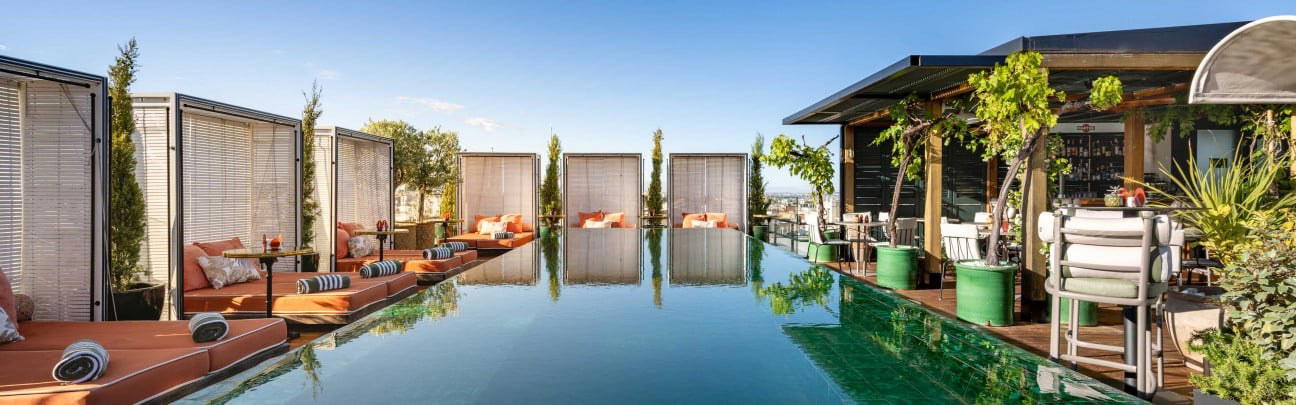
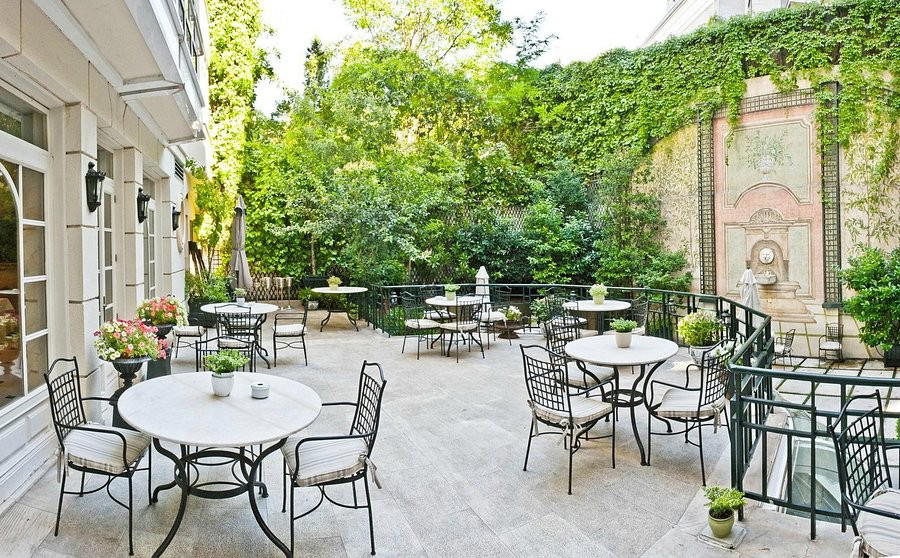
Relaxed and distended atmosphere with luminous large windows, cozy lower floor for celebrations, and year-round acclimated terrace.