On Calle Velázquez in Madrid's Salamanca district, Zen Asian Supper Club occupies a different register from the city's Spanish creative mainstream, a supper-club format with Asian orientation that positions it against venues like DiverXO rather than the traditional Castilian dining circuit. For visitors tracking Madrid's broader shift toward international cuisine formats, it represents a distinct category entry in the neighbourhood's otherwise Spanish-dominant restaurant scene.
Pearl is the En Primeur Club membership app — saves, bookings, and concierge access live there. Same editors, same standards.
- Address
- Calle Velázquez, 128, Salamanca, 28006 Madrid, Spain
- Phone
- +34914571873
- Website
- zensupperclub.es
- Directions
- Get directions
 Saves & bookings on Pearl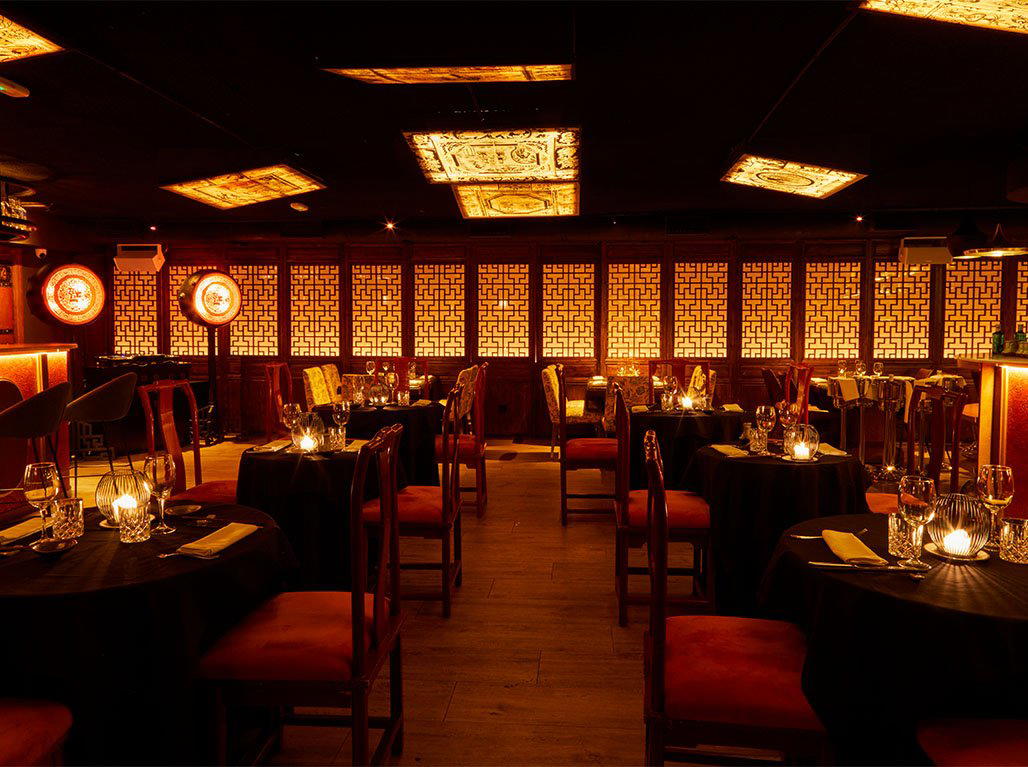
Asian Dining in a City Built on Spanish Tradition
DiverXO through to DSTAgE and Coque. But a smaller, quieter current has been gaining traction, venues that take Asian culinary frameworks seriously and bring them into a format shaped by European dining culture. Supper clubs operating in this register tend to occupy a space between the informality of a pop-up and the structure of a full-service restaurant: the menu is deliberate, the setting is composed, and the pacing is controlled in ways that reward attention rather than speed.
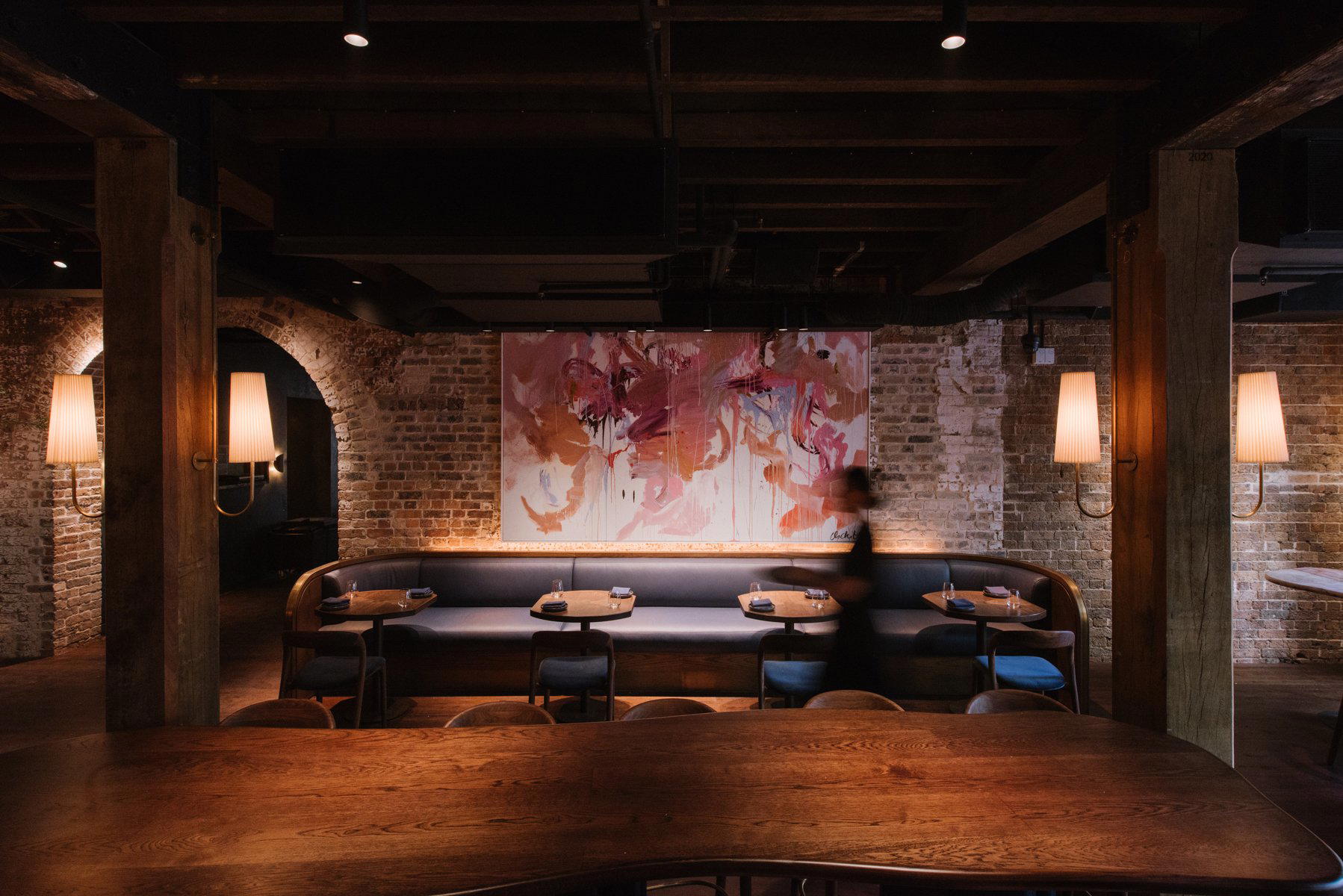
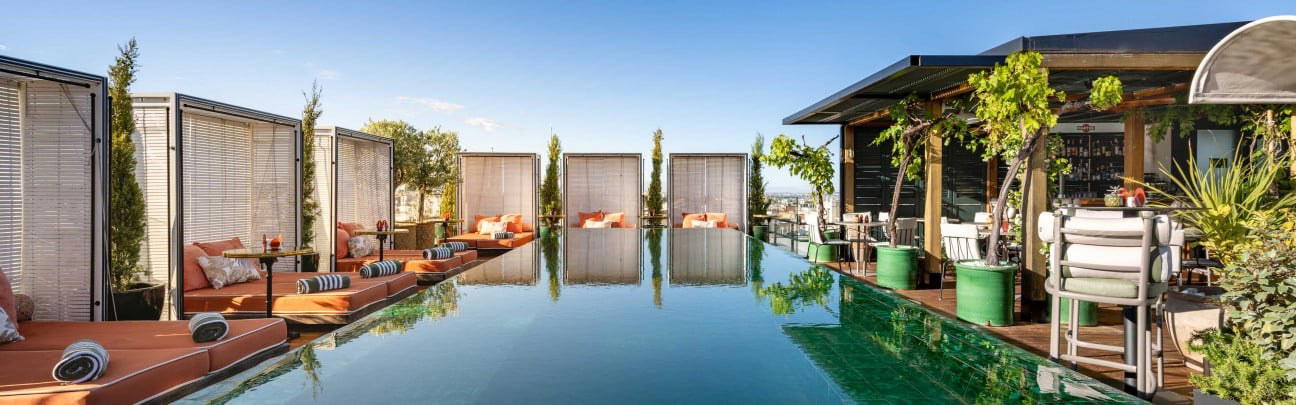
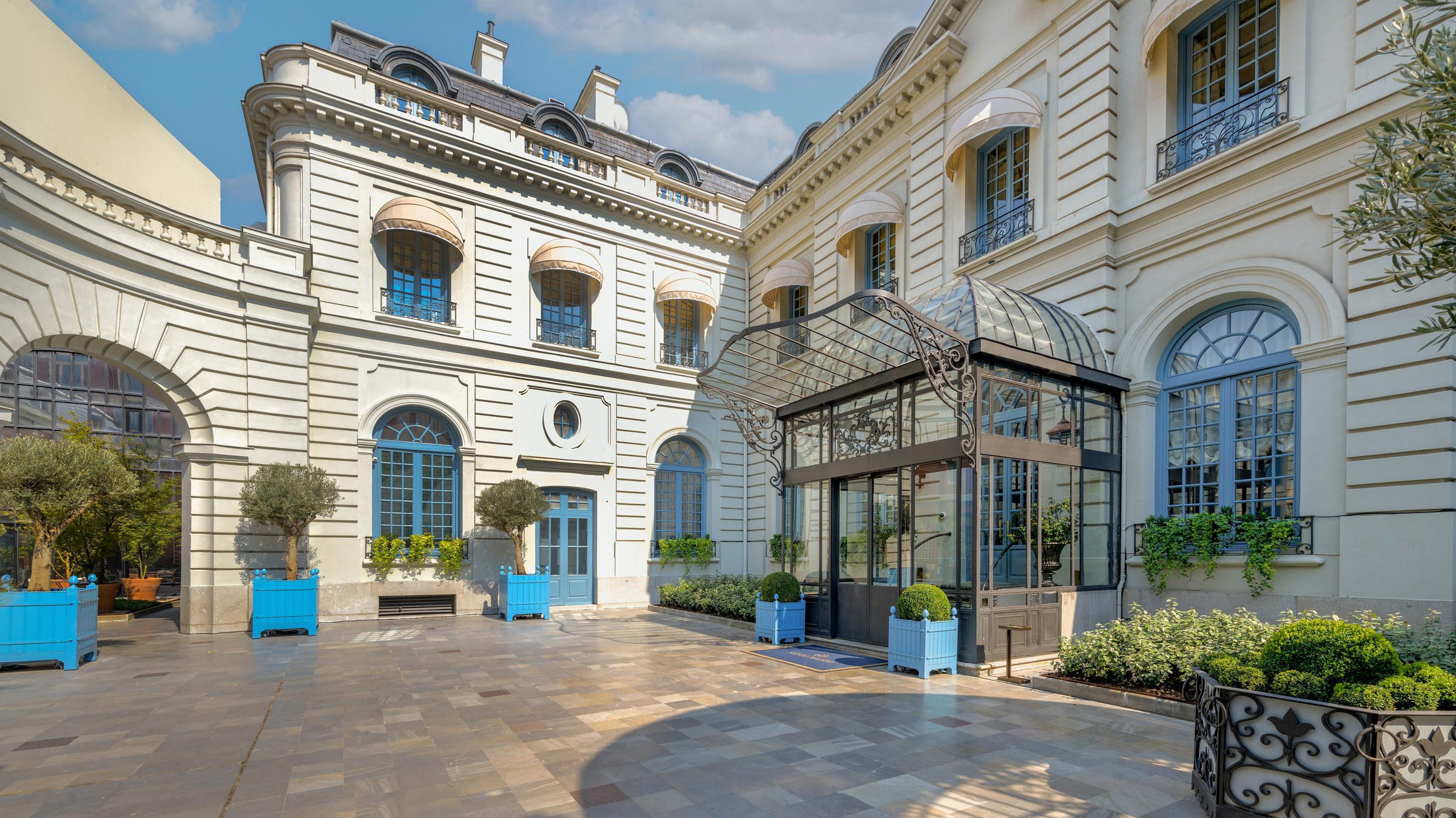
Zen Asian Supper Club is a restaurant on Calle Velázquez 128 in Salamanca, Madrid, serving Asian Fusion cuisine. It is a casual spot where reservations are recommended, and the average cost is about $40 per person. Zen Asian Supper Club, on Calle Velázquez 128 in the Salamanca district, sits at that intersection. The address alone signals something: Salamanca is Madrid's most composed neighbourhood, a grid of wide streets and well-dressed apartment buildings where the dining scene skews toward refinement rather than experiment. An Asian supper club format here is not the obvious choice, and that friction, between the neighbourhood's European formality and the cuisine's different logic, is part of what makes the format interesting.
The Supper Club Format and What It Demands
The supper club model has a longer history in Anglo-American cities than in Madrid. In London and New York, the format developed as intimate, ticketed dining, often with a single seating and a fixed menu. Over time, as the format matured, the better examples stopped being about workarounds and started being about deliberate curation: a fixed number of covers, a wine list that the host had thought carefully about, and a meal that moved through a sequence rather than a selection.
Madrid came to this format later, and venues that have adopted it tend to do so with a European service sensibility grafted onto the model. The result, at its leading, is a dining format with more structure than a casual Asian restaurant and more flexibility than a full tasting-menu house. For a guest who has eaten at Atomix in New York City, one of the more discussed Korean tasting-counter formats in the world, or at Le Bernardin in New York City, the supper club register will read as familiar in pacing if different in register.
Wine at an Asian Table: The Real Test
The editorial angle that separates serious Asian supper clubs from casual ones is almost always the wine list. Asian cuisines, particularly those with significant umami depth, spice calibration, and fermented elements, create pairing challenges that European wine lists built around steak and fish do not have to solve. A sommelier or wine program at an Asian table has to work harder and think differently: Riesling from the Mosel or Alsace over Chardonnay-by-default; aged Champagne over young Burgundy for dishes with depth; skin-contact whites and low-intervention reds for the moments when tannic structure would close down rather than open up a dish.
Spain itself offers useful tools for this. The aromatic whites of Galicia, Albariño, Godello, Treixadura, carry acidity and fruit character that sits well against seafood-leaning Asian preparations. The Canary Islands' volcanic white wines, made from indigenous varieties with high minerality and low alcohol, have become a quiet resource for adventurous sommeliers across Europe. A wine program at an Asian supper club in Madrid that draws on these regional Spanish references, rather than defaulting to French or Italian imports, is making a more considered argument, and one that rewards guests who pay attention to what is in the glass as much as what is on the plate.
For context on how serious wine curation works in Spain's broader fine-dining circuit, the programs at El Celler de Can Roca in Girona and Atrio in Cáceres, the latter with one of the country's most discussed cellars, set the reference points. An Asian-focused supper club does not need that scale, but it does need a point of view.
Salamanca as Context
The Salamanca district sits northeast of the city centre, bordered by Serrano to the west and Jorge Juan to the south. It is one of Madrid's wealthier residential neighbourhoods, and its dining scene reflects that: higher average price points, international labels in the wine lists, and a clientele that treats dinner as an occasion rather than a convenience. For a supper club format, the neighbourhood is a reasonable fit, guests in Salamanca are accustomed to controlled, deliberate dining experiences.
Deessa and Paco Roncero for the Spanish creative high end, while the country's wider fine-dining geography, Arzak in San Sebastián, Azurmendi in Larrabetzu, Mugaritz in Errenteria, Martin Berasategui in Lasarte-Oria, Quique Dacosta in Dénia, Ricard Camarena in València, Cocina Hermanos Torres in Barcelona, and Aponiente in El Puerto de Santa María, establishes the standard of seriousness against which any Madrid restaurant operating in the premium tier is implicitly measured.
Planning Your Visit
Calle Velázquez 128 is accessible from the Avenida de América metro interchange, which connects Lines 4, 6, 7, and 9, placing it within easy reach of most parts of the city. The Salamanca district is walkable from the Retiro park area, and taxis and ride-hailing services operate reliably throughout the neighbourhood at all hours. Given the supper club format, which typically implies a fixed or semi-fixed menu with limited covers, advance contact before visiting is advisable. The Salamanca address and the format both suggest a clientele that books rather than walks in; arriving without a prior arrangement at any serious supper club risks finding no available place. For the current booking process and any dietary accommodation enquiries, direct contact with the venue is the appropriate route.
Compact Comparison
Comparable venues nearby, for context on price, style, and recognition.
| Venue | Cuisine | Price | Notes |
|---|---|---|---|
| Zen Asian Supper ClubThis venue — the venue you are viewing | Not listed | $$ | Not listed |
| Casa Mùi | Not listed | $$ | Hispanoamerica, Asian-Mediterranean Fusion |
| El Jefe Traveling Food | Not listed | $$ | Cuatro Caminos, Traveling Fusion Street Food |
| Tripea | Arapiles, Peruvian-Asian Fusion | $$ | Not listed |
| Panamera Madrid | Not listed | $$$ | Rios Rosas, Spanish-Latin American Fusion |
| Tsunami Nikkei Chamberi | Not listed | $$ | Trafalgar, Peruvian-Japanese Nikkei Fusion |
Continue exploring
More in Madrid
Restaurants in Madrid
Browse all →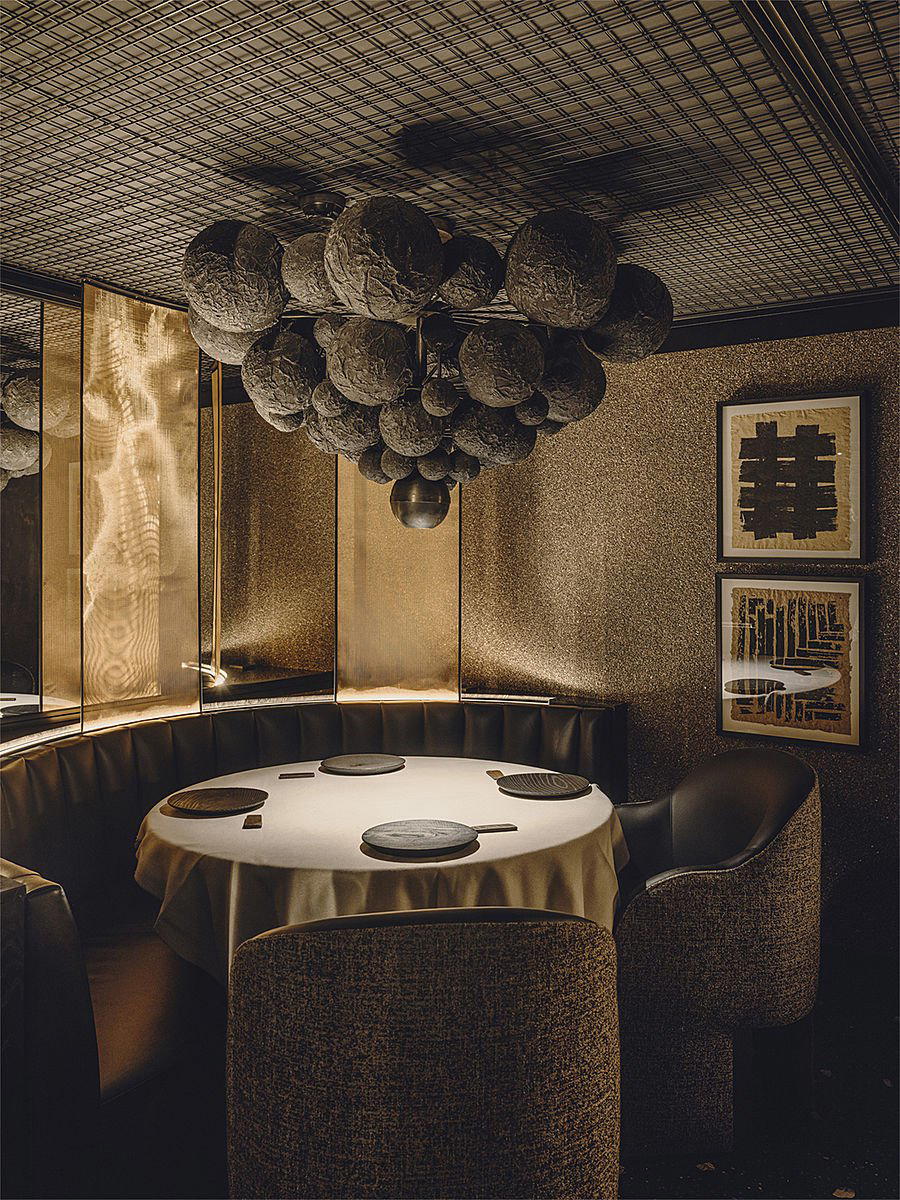
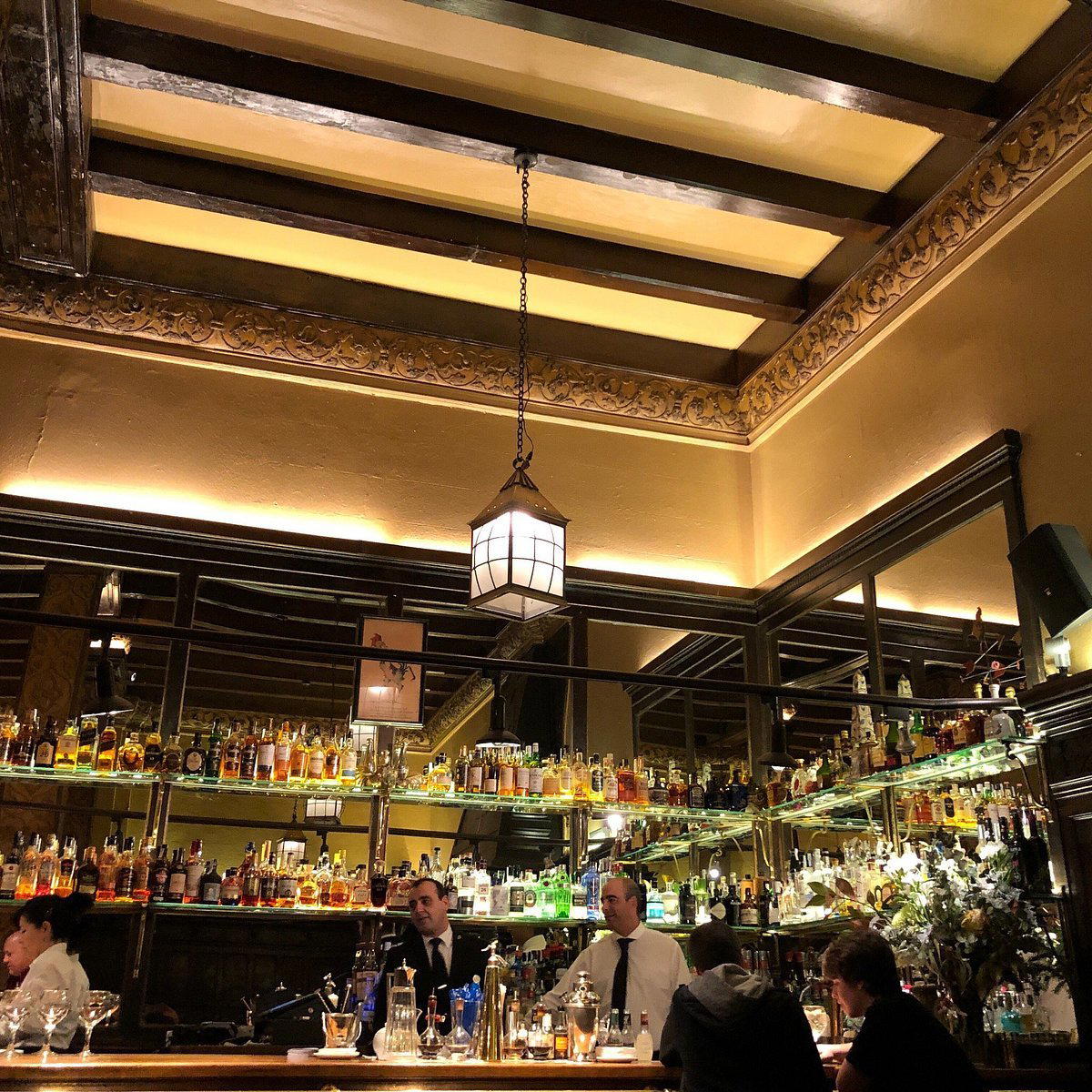
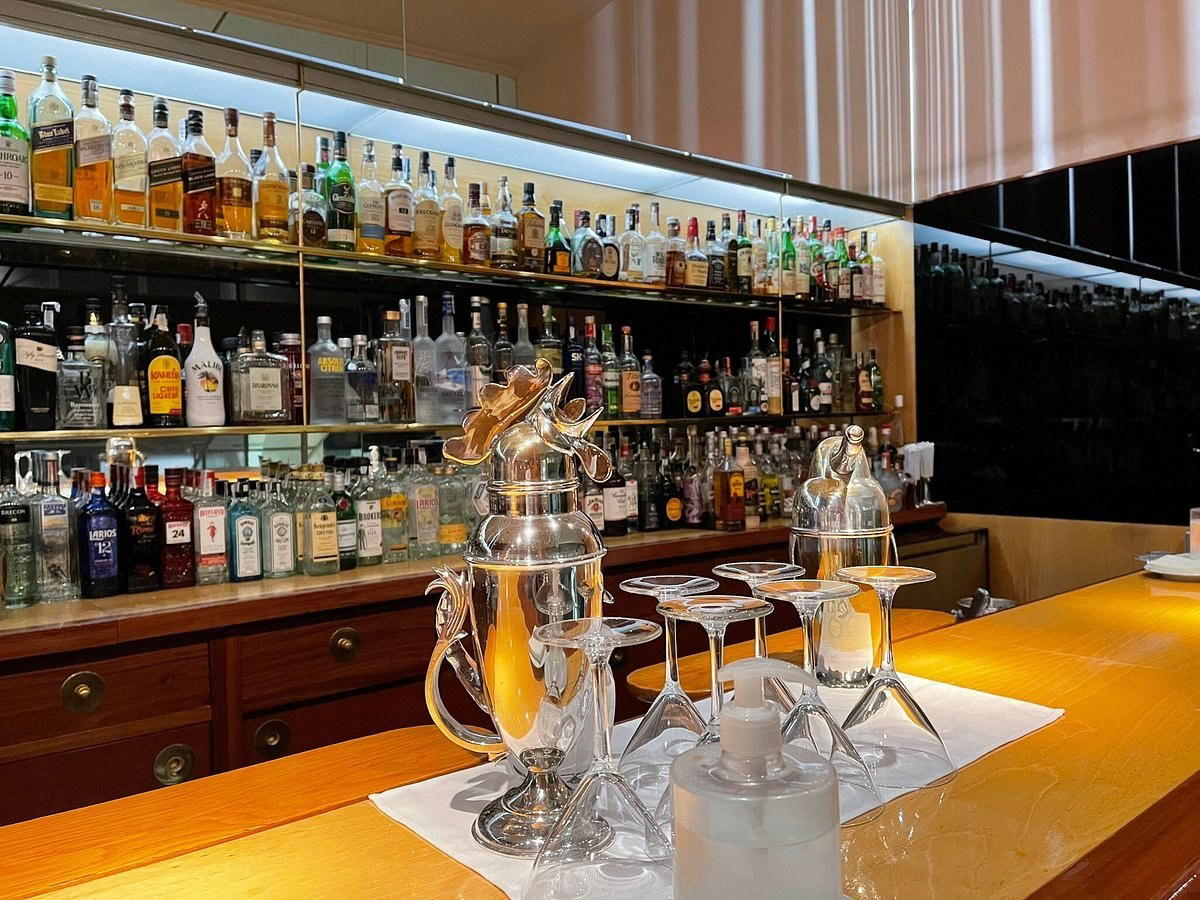
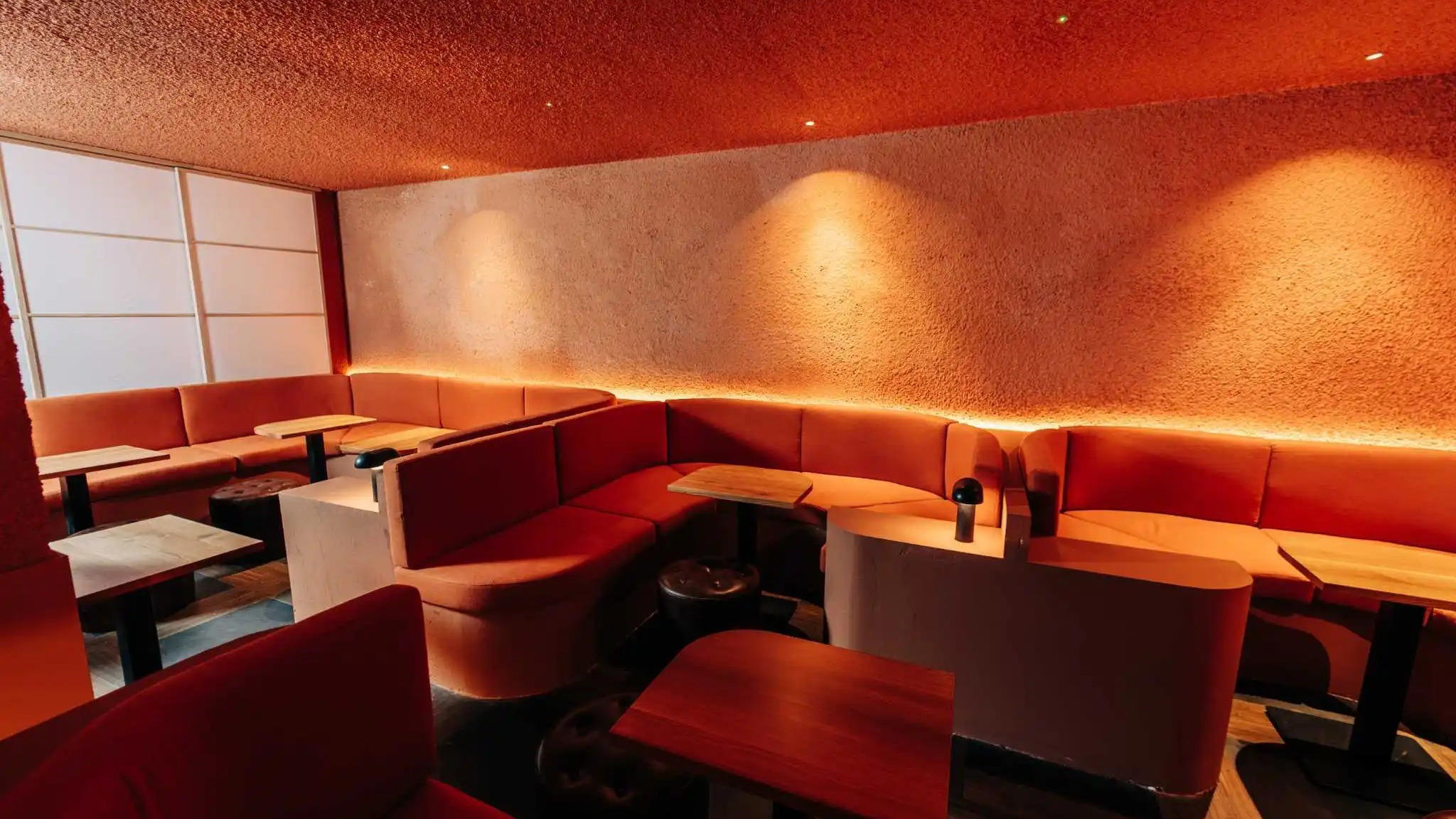
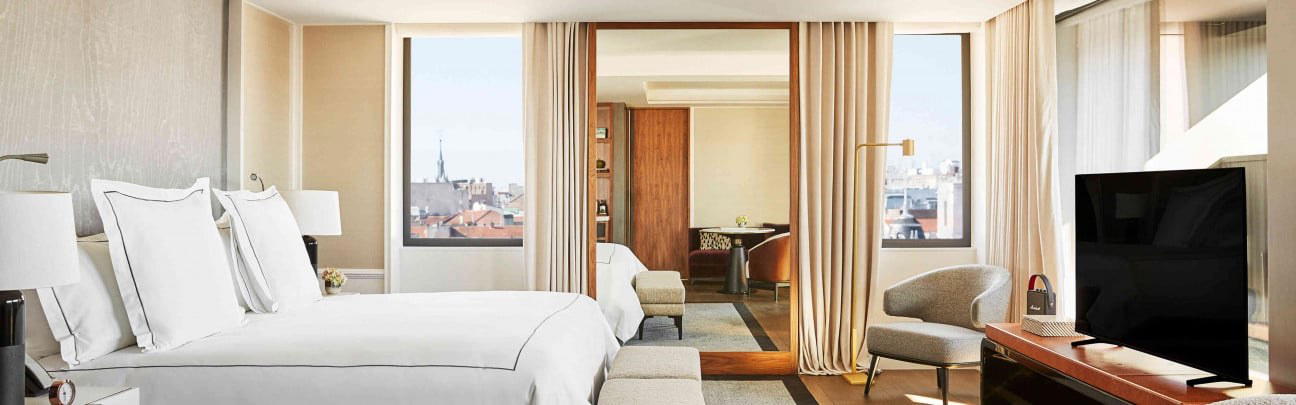


At a Glance
- Lively
- Trendy
- Energetic
- Date Night
- Casual Hangout
- Late Night
- Terrace
- Craft Cocktails
Current opening hours
- Monday
- 12:30–4:30 PM, 8–11:30 PM
- Tuesday
- 12:30–4:30 PM, 8–11:30 PM
- Wednesday
- 12:30–4:30 PM, 8–11:30 PM
- Thursday
- 12:30–4:30 PM, 8–11:30 PM
- Friday
- 12:30–4:30 PM, 8 PM–2 AM
- Saturday
- 12:30–4:30 PM, 8 PM–2 AM
- Sunday
- 12:30–4:30 PM, 8–11:30 PM
Hours can change for holidays and private events. Last verified .
Animado con la mejor música, juegos de luces, copas y cócteles bien servidos en un ambiente cosmopolita y juvenil.