Soy occupies a quiet stretch of Calle de Viriato in Chamberí, one of Madrid's most considered residential districts for dining. The address places it well outside the tourist circuits of Huertas or Las Letras, signalling an intent to serve a local, repeat clientele rather than a passing crowd. What the room offers, and how the meal unfolds, reflects a dining culture that prizes rhythm and precision over spectacle.
Pearl is the En Primeur Club membership app — saves, bookings, and concierge access live there. Same editors, same standards.
- Address
- Calle de Viriato, 58, Chamberí, 28010 Madrid, Spain
- Phone
- +34914457447
- Website
- soypedroespina.com
- Directions
- Get directions
 Saves & bookings on Pearl
The Ritual of the Meal in Chamberí
Madrid's dining culture has always been structured around the long table and the unhurried afternoon, but the past decade has produced a more deliberate tier of restaurants in the city's northern residential districts. Chamberí, anchored by wide avenues and a population that tends to eat later and linger longer than European averages, has become a reliable address for restaurants that prioritise the arc of the meal over any single dish. Soy, on Calle de Viriato 58, sits inside that pattern. The street itself is low-key: residential facades, the occasional neighbourhood bar, little of the foot traffic that drives covers in Malasaña or Chueca. Arriving here is already a statement of intent from the diner.
That geographical remove from Madrid's more obvious dining corridors matters editorially. Restaurants in Chamberí draw guests who have made a deliberate choice, not a convenient one. The neighbourhood's dining rooms tend to be quieter, the service ratios more generous, and the pacing less compressed than in venues that rely on table turns driven by tourist demand. Soy's position on Calle de Viriato places it squarely in that tradition.
How the Meal Moves
Across Spain's more considered restaurants, the structure of the meal has shifted away from à la carte selection toward formats that put sequencing in the kitchen's hands. From the spare, intellectual progressions at DSTAgE (Modern Spanish, Creative) in Madrid to the longer, more ceremonial arcs at El Celler de Can Roca in Girona, the dominant format in premium Spanish dining is one where the diner surrenders control of the order and tempo. This is not incidental; it reflects a philosophy that the meal is a composed experience, not a transaction.
Soy's address in Chamberí and its positioning suggest a dining ritual that rewards patience. Madrid's northern residential dining rooms tend to open their dinner services later than international visitors expect, typically not before 9pm, and to run well past midnight for those who settle into the rhythm. This is structurally different from the compressed tasting formats at Madrid's highest-volume creative restaurants, where the kitchen's theatrical ambition sometimes works against stillness. The better comparison is with venues like Deessa (Modern Spanish, Creative), where refinement rather than provocation sets the tone.
Where Soy Sits in the Madrid Dining Order
Madrid's upper dining tier has become increasingly defined by a small group of restaurants operating at the intersection of technical ambition and Spanish culinary tradition. DiverXO (Progressive - Asian, Creative) occupies the city's most extreme creative position, with three Michelin stars and a format that is deliberately confrontational. Coque (Spanish, Creative) anchors the classical-modern end, with deep wine depth and a multi-room service structure. Paco Roncero (Creative) represents the city's avant-garde lineage, with strong roots in the Adrià-era Spanish creative movement.
Soy operates at a different register. Its Chamberí address and the character of the surrounding neighbourhood suggest a restaurant more interested in the internal logic of the meal than in external signalling. Across Spain, this model has proven durable: consider the quiet authority of Ricard Camarena in València or the focused, product-driven approach at Atrio in Cáceres, both of which sustain serious reputations without requiring theatrics to justify the booking.
For visitors building a broader Spanish itinerary, Soy's position in Madrid can be read alongside restaurants in other cities that share this orientation: Azurmendi in Larrabetzu, Arzak in San Sebastián, and Mugaritz in Errenteria each illustrate different approaches to the same question of how a Spanish tasting meal can be structured. Aponiente in El Puerto de Santa María and Quique Dacosta in Dénia add further texture to the coastal end of that conversation. Martin Berasategui in Lasarte-Oria and Cocina Hermanos Torres in Barcelona represent the technically ambitious, classically rooted end of the national scene.
Beyond Spain, the comparison extends to restaurants like Le Bernardin in New York City, where the ritual of the meal is the product, and Atomix in New York City, where sequencing and intention define the guest experience as much as any individual dish.
The Chamberí Context
Understanding where Soy sits requires understanding Chamberí as a dining district. The barrio runs north of Malasaña and west of Almagro, with a population that skews professional and local rather than transient. The restaurant density here is lower than in Chueca or the streets around Puerta del Sol, and the venues that do operate in Chamberí tend to draw from a regular, neighbourhood clientele alongside destination diners. This dynamic produces a different room temperature: less performance, more habit. The long-term restaurants in this part of Madrid survive on returning guests rather than search-driven discovery, which tends to shape both the service culture and the menu approach.
Calle de Viriato itself runs from Glorieta de Quevedo south toward Alonso Martínez, passing through among the more characteristically residential stretches of northern Madrid. The address at number 58 is well into that residential grain, removed from the busier restaurant clusters near the metro junctions. Getting there by metro, Alonso Martínez (lines 4, 5, and 10) is one practical option, with the restaurant a short walk from the exit.
Planning Your Visit
For reservations, approaching the restaurant directly via walk-in during off-peak hours or checking Spanish reservation platforms is the practical route. Madrid's better Chamberí restaurants tend to fill Thursday through Saturday evenings several days in advance, so early contact is advisable for weekend visits.
The neighbourhood rewards arriving with time to walk: the streets between Alonso Martínez and Bilbao carry some of Madrid's most intact early twentieth-century residential architecture, and the bar culture along Calle de Barceló and the surrounding blocks is well established for pre-dinner drinks.
For a broader view of where Soy fits in the city's dining map, see our full Madrid restaurants guide.
Quick reference: Soy, Calle de Viriato 58, Chamberí, 28010 Madrid. Nearest metro: Alonso Martínez (lines 4, 5, 10).
Pricing, Compared
Comparable venues nearby, for context on price, style, and recognition.
| Venue | Cuisine | Price | Notes |
|---|---|---|---|
| SoyThis venue — the venue you are viewing | Almagro, Asian-Spanish Fusion | $$$ | Not listed |
| Soy Kitchen | Not listed | $$$ | Chamberí, Contemporary Asian-Spanish Fusion by Chef Julio Zhang |
| Ronda 14 | Not listed | $$$ | Castellana, Peruvian-Japanese Fusion (Nikkei) with Asturian Influences |
| Ponja Nikkei | Chueca, Nikkei Peruvian-Japanese Fusion | $$$ | Not listed |
| Raimunda | Recoletos, Ibero-American Fusion | $$ | Not listed |
| Restaurante Más de Santa | Lista, Mediterranean-Asian Fusion | $$$$ | Not listed |

At a Glance
- Modern
- Elegant
- Intimate
- Trendy
- Minimalist
- Date Night
- Special Occasion
- Business Dinner
- Open Kitchen
- Standalone
- Beer Program
Current opening hours
- Monday
- Closed
- Tuesday
- 1:45–4:30 PM, 8:45 PM–12 AM
- Wednesday
- 1:45–4:30 PM, 8:45 PM–12 AM
- Thursday
- 1:45–4:30 PM, 8:45 PM–12 AM
- Friday
- 1:45–4:30 PM, 8:45 PM–12 AM
- Saturday
- 1:45–4:30 PM, 8:45 PM–12 AM
- Sunday
- 1:45–4:30 PM, 8:45 PM–12 AM
Hours can change for holidays and private events. Last verified .
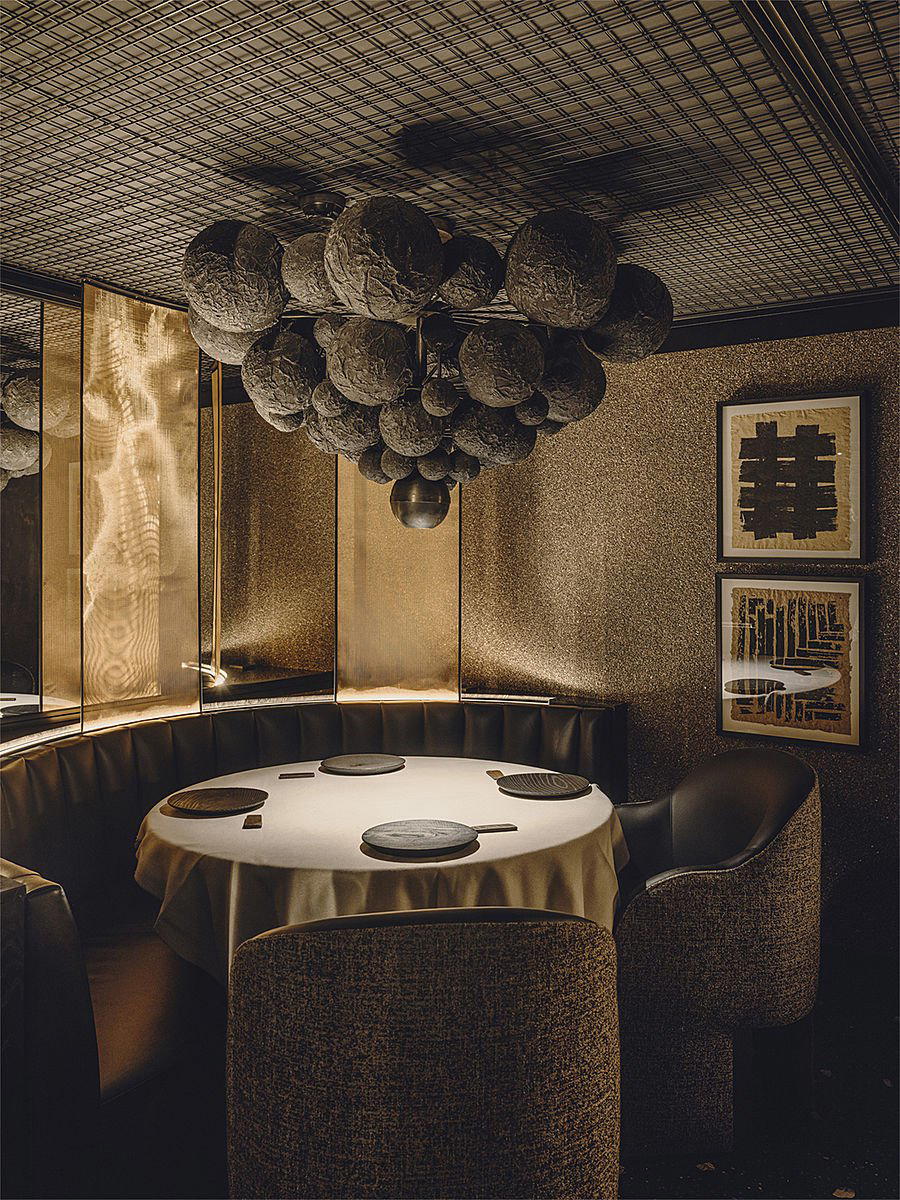
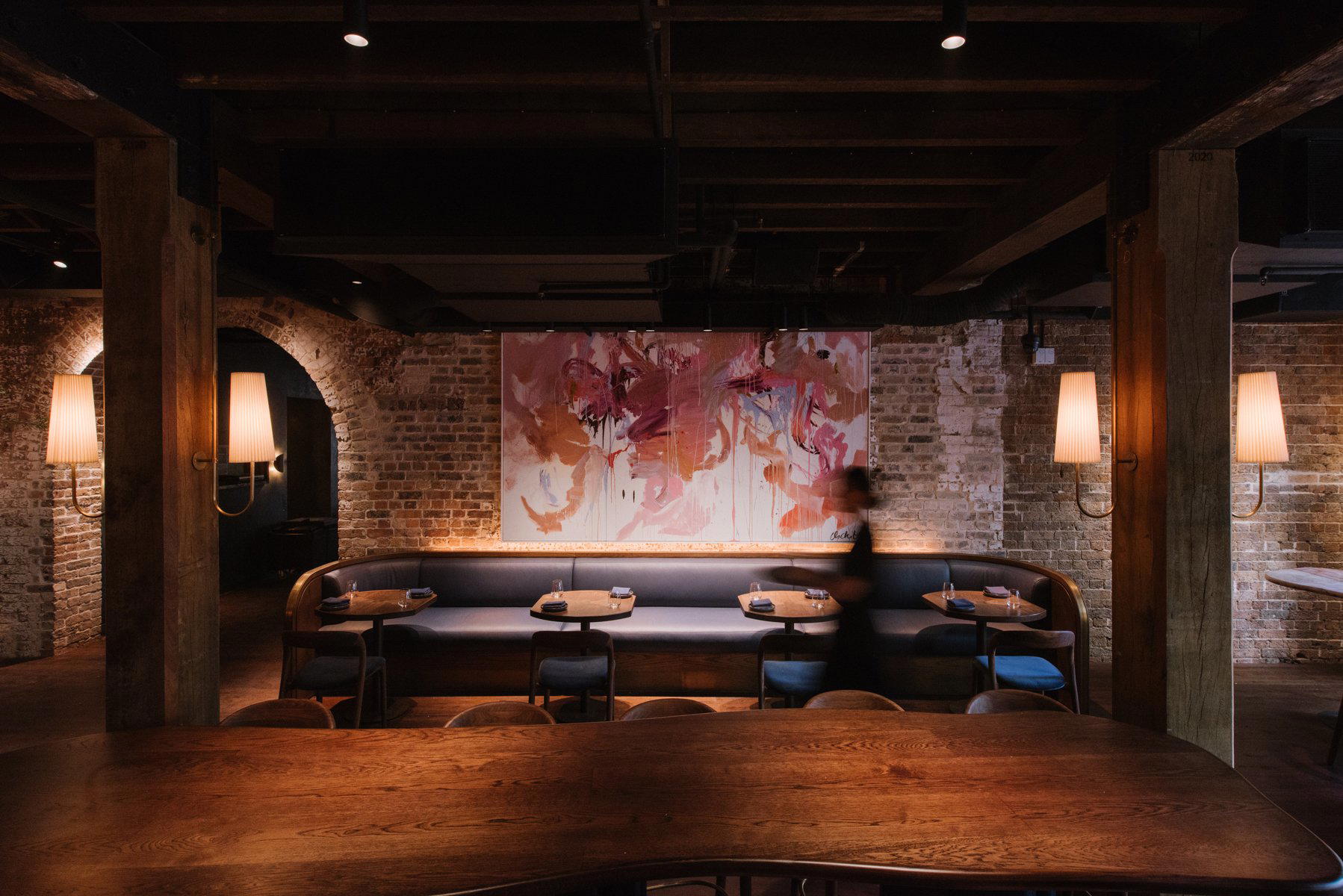
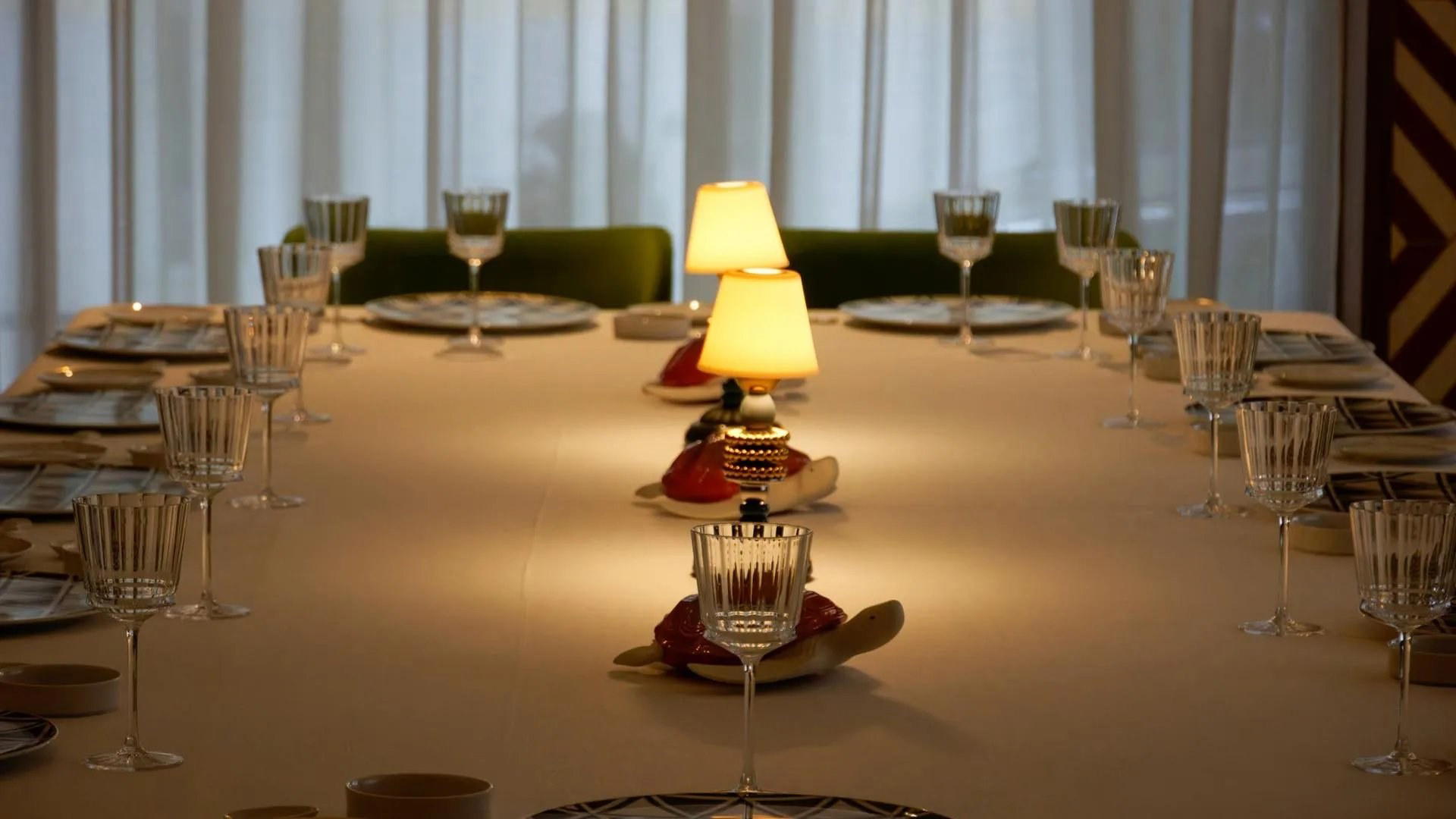
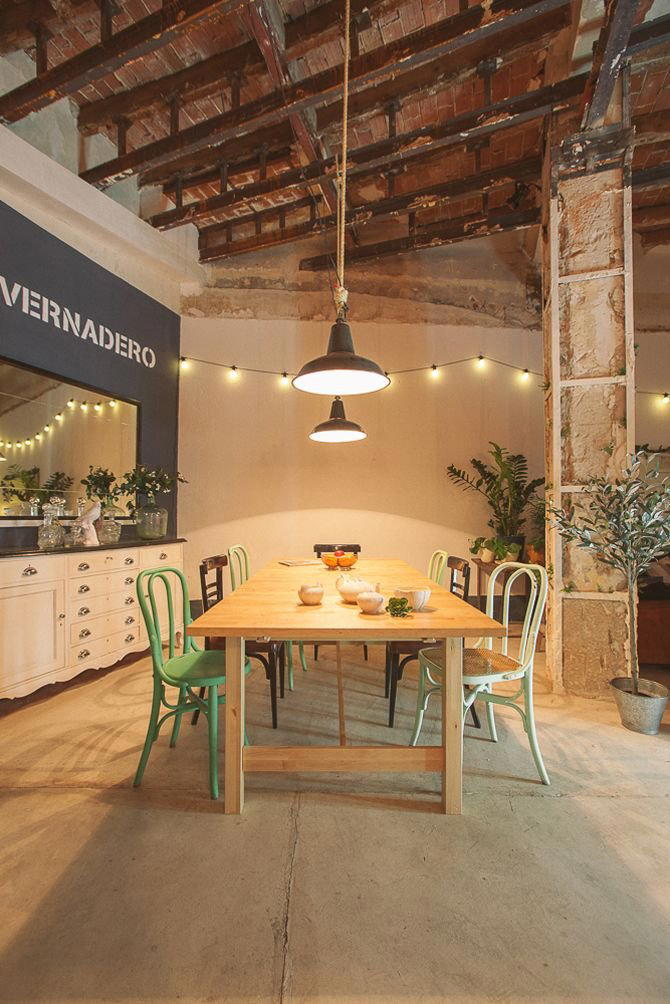
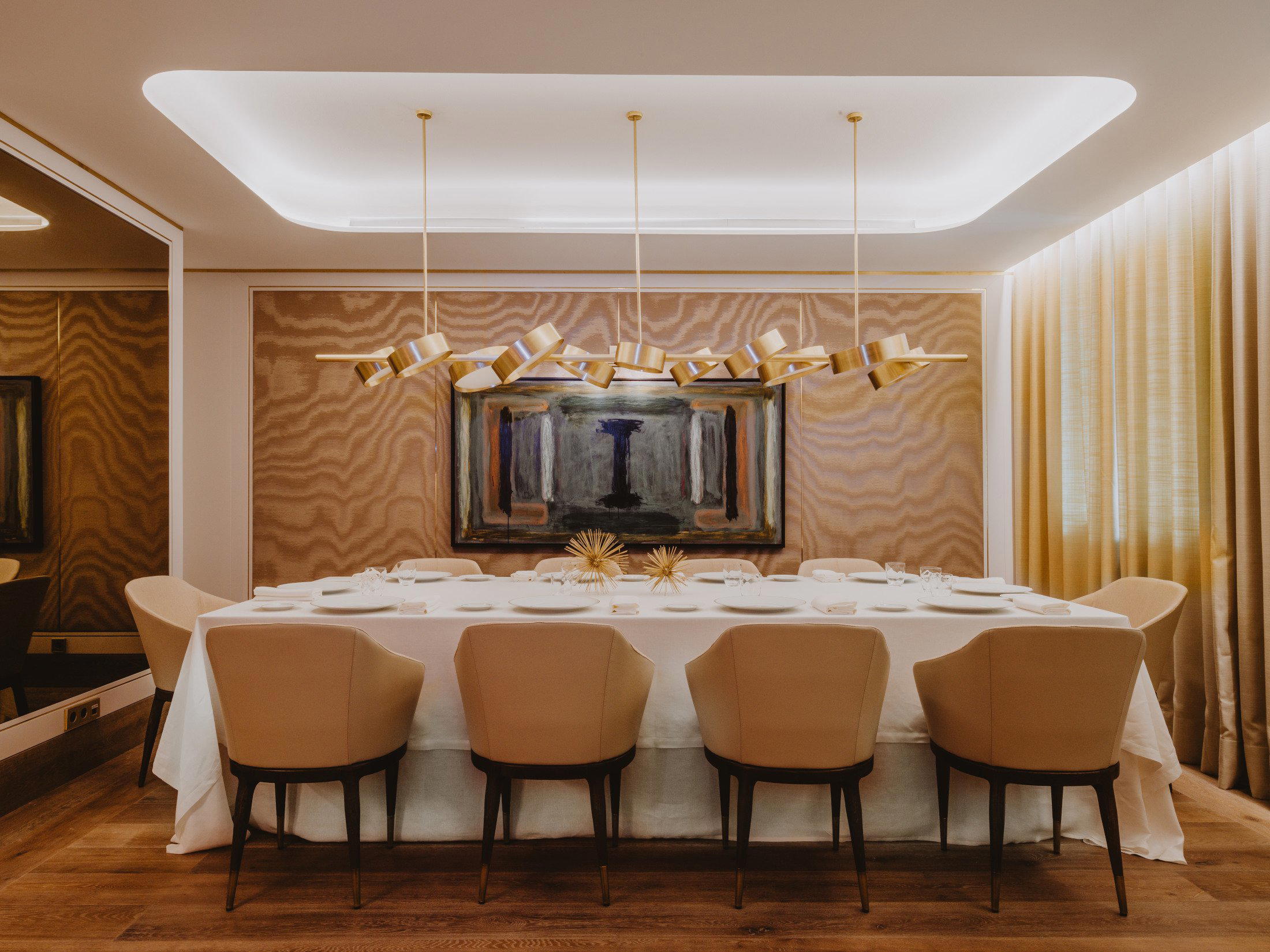
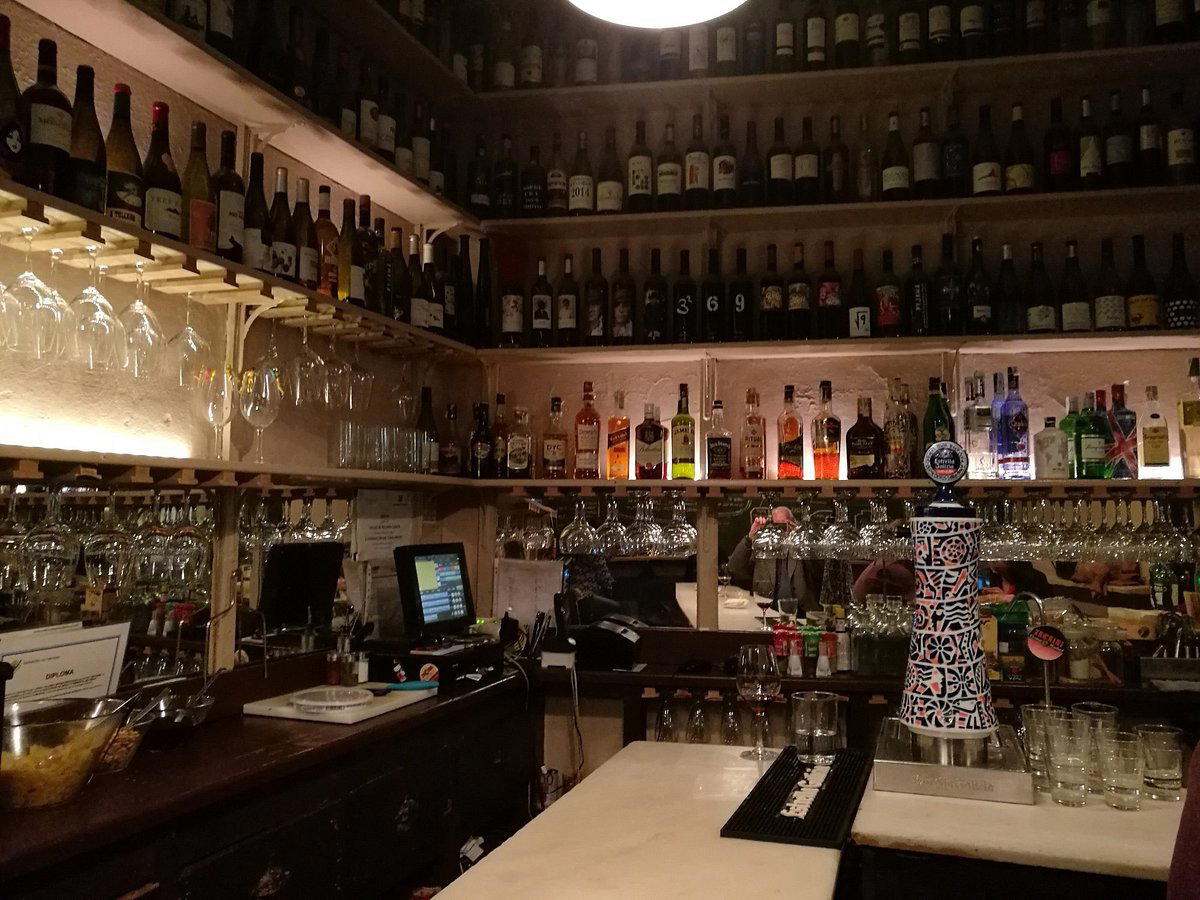
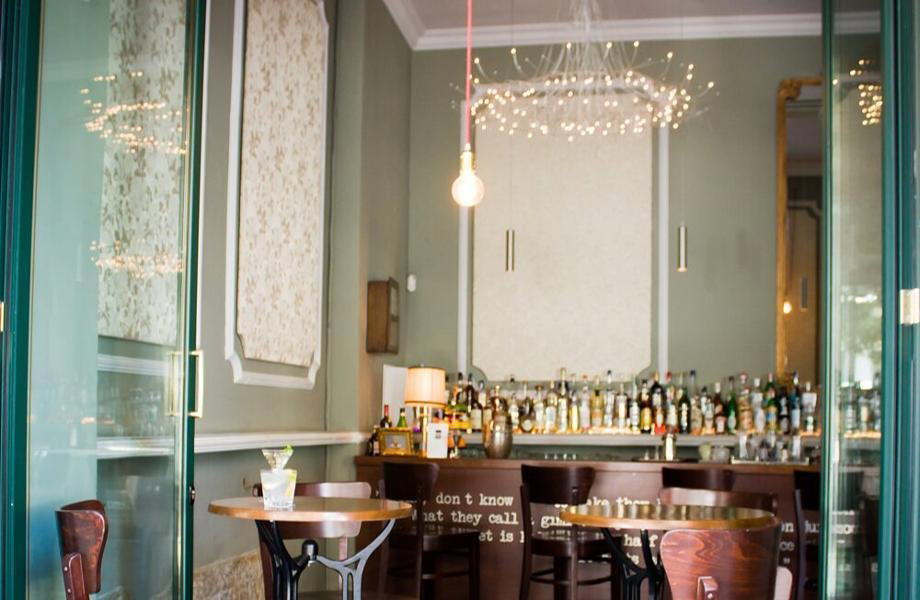
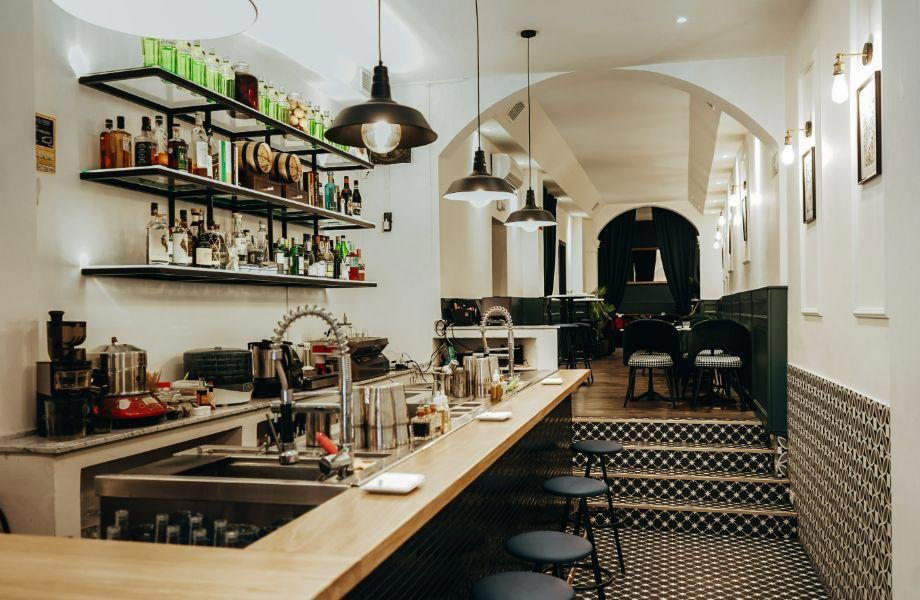
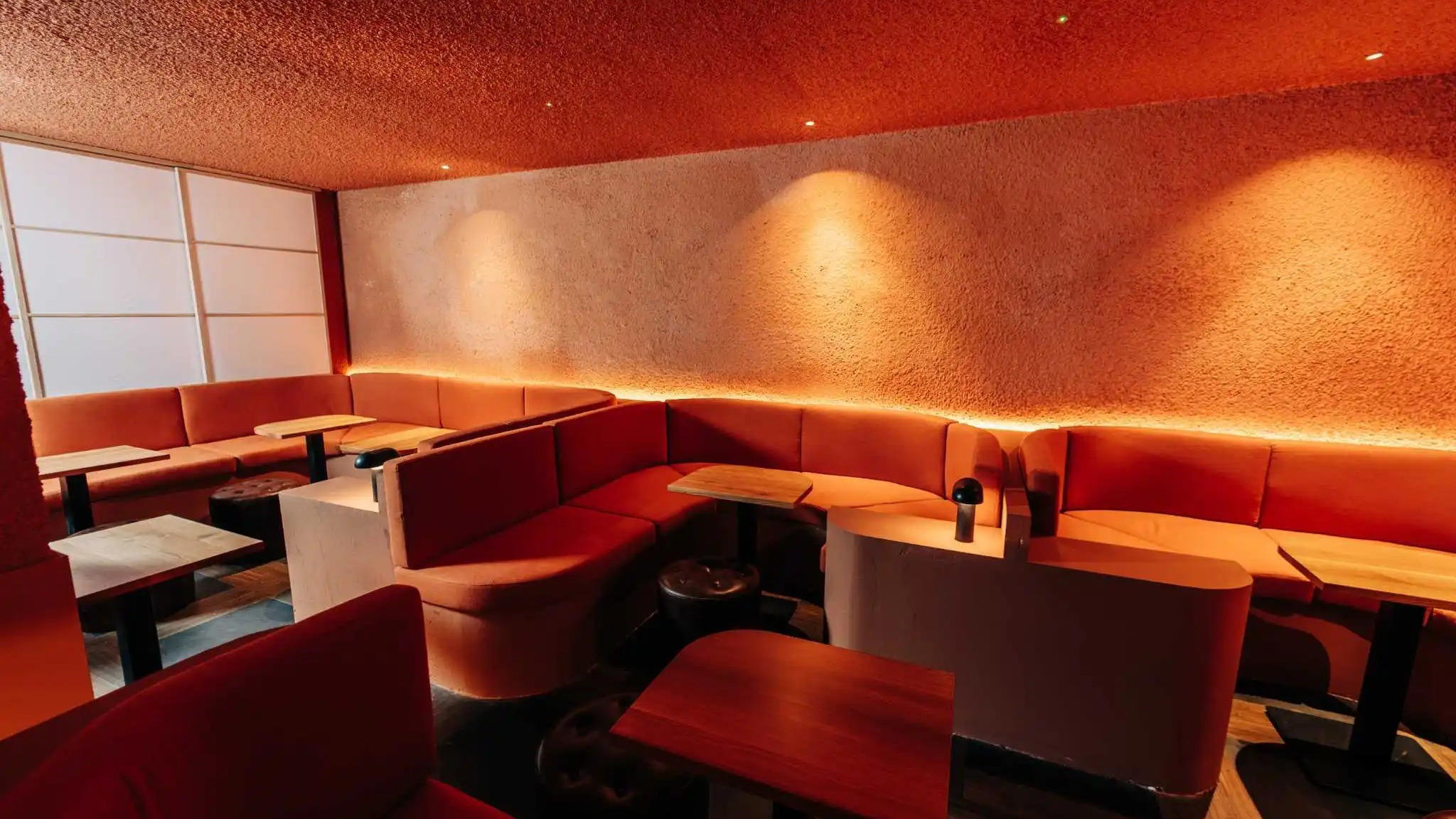
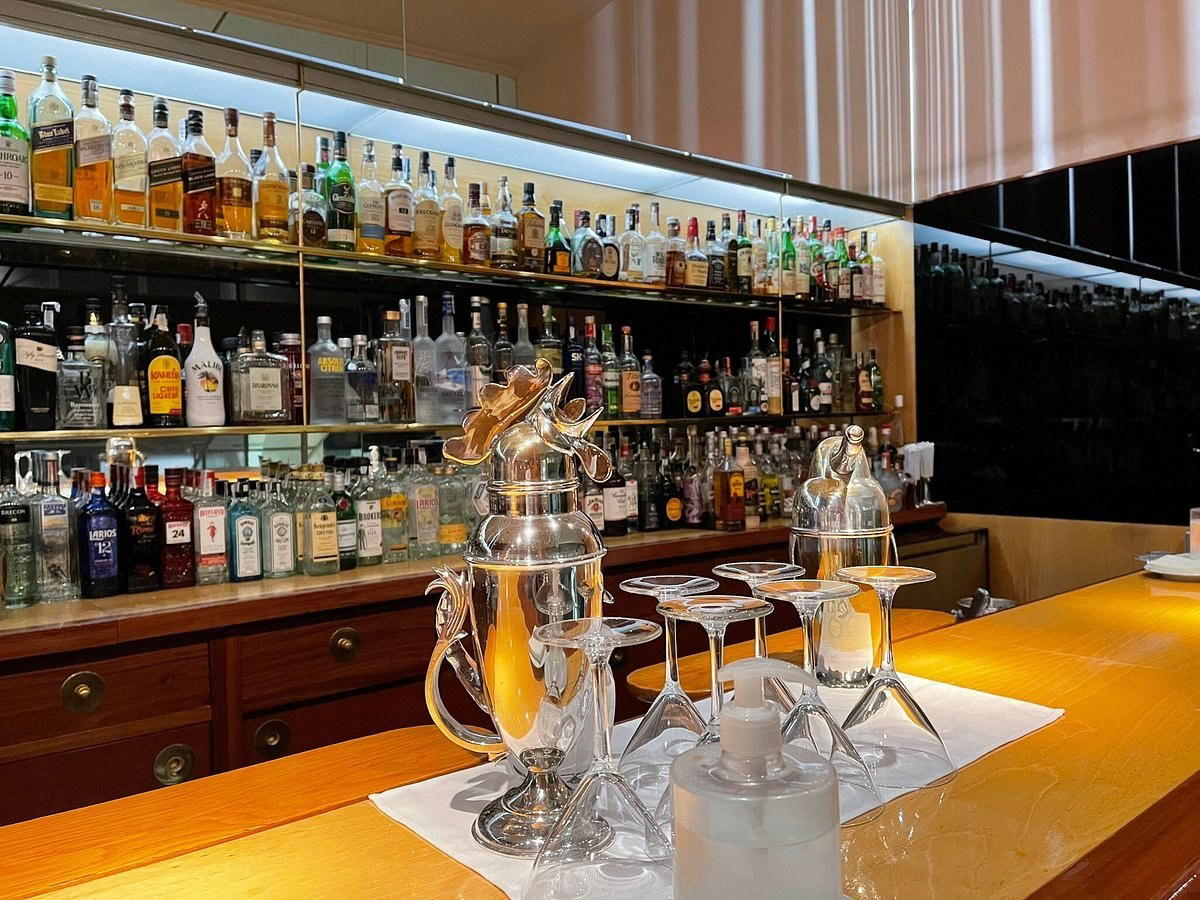
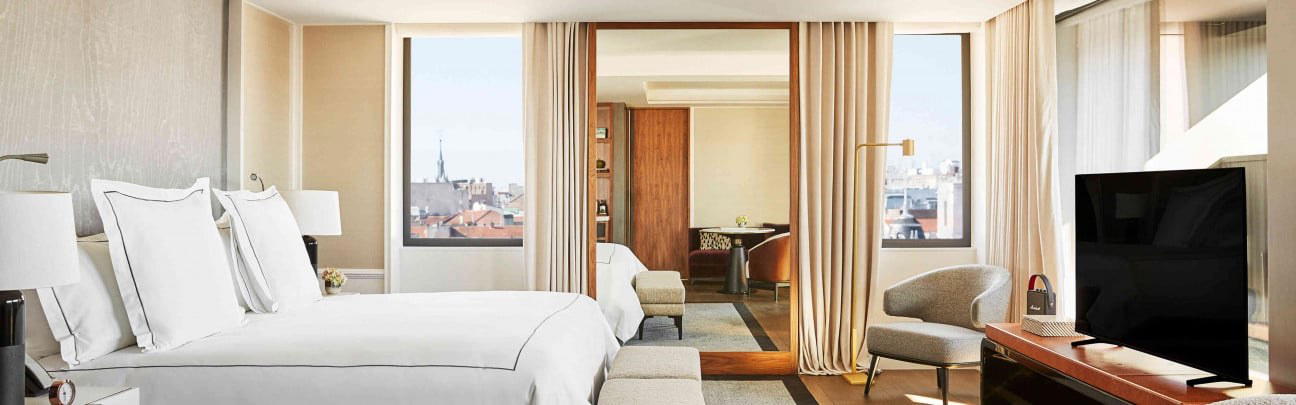
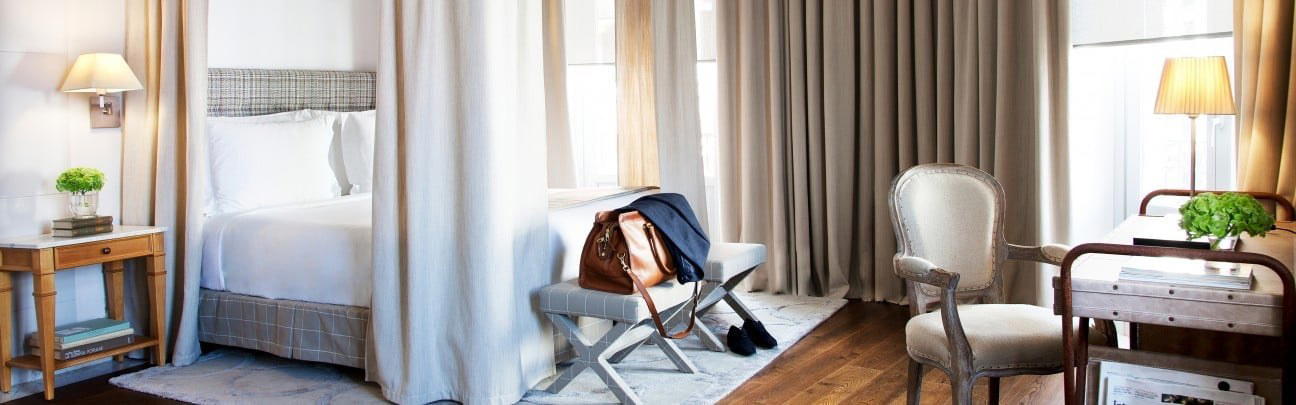
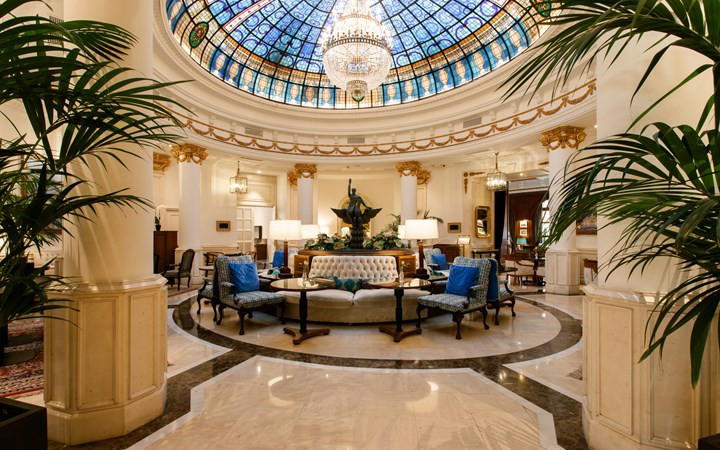
Contemporary elegance with cozy warmth; simple but refined decor reflecting Japanese minimalism; intimate atmosphere conducive to culinary focus.