Our verdict
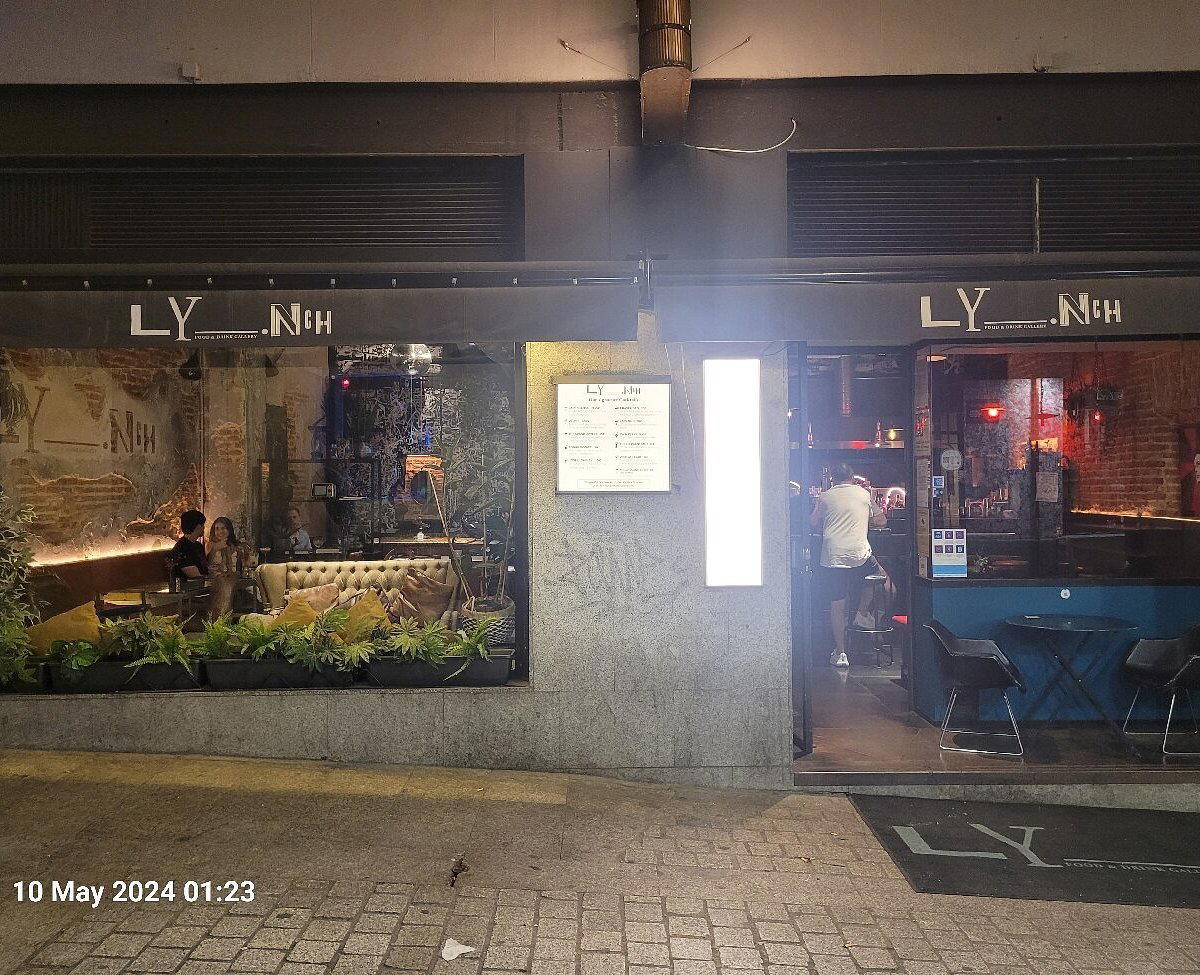
Lynch occupies a address on Calle de Barcelona in Madrid's Centro district, placing it within reach of the capital's most concentrated stretch of serious dining. With Madrid's fine-dining scene shifting toward precision-led tasting formats, Lynch represents the kind of mid-centro address where the neighbourhood's culinary ambitions and its residential character meet. Booking ahead is advisable given the location's foot traffic and the density of dining demand in this part of the city.

Pearl is the En Primeur Club membership app — saves, bookings, and concierge access live there. Same editors, same standards.
The menu
What to order
- Burrata stuffed with fried almond pesto
Centro Madrid and the Architecture of a Dining Scene
Calle de Barcelona cuts through one of Madrid's most layered neighbourhoods, where the administrative gravity of the city centre collides with a residential fabric that has been quietly supporting serious restaurants for decades. Centro is not the neighbourhood where Madrid's most theatrical dining experiences announce themselves loudest, but it is where a number of the capital's more considered addresses have found a durable footing. Lynch, at number 12, sits within that pattern.
Madrid's fine-dining tier has reorganised itself substantially over the past decade. The city that once framed its gastronomic identity almost entirely around Castilian roasts and tapas culture now carries a clutch of restaurants operating at the level of Spain's most decorated kitchens. DiverXO, with its three Michelin stars and progressive Asian-creative format, and Coque, another three-star address working within a Spanish creative tradition, define the upper tier. Beneath them, a wider band of restaurants including Deessa, DSTAgE, and Paco Roncero operate in the modern Spanish creative register, each with Michelin recognition of their own. Lynch occupies a position in this broader ecosystem, on a street that connects the historic core to the city's working neighbourhoods.
The Cultural Stakes of Dining in Spain's Capital
To understand any serious Madrid restaurant, it helps to understand the cultural weight Spain places on the table. Spanish gastronomy is not a leisure category bolted onto tourism infrastructure; it is, in most regions, the primary vehicle through which communities negotiate identity, season, and occasion. Madrid, as a city of internal migrants, has historically absorbed regional cooking traditions from Galicia, the Basque Country, Andalusia, and the Levant, layering them over a Castilian base. The result is a dining culture that is simultaneously local and national, parochial and cosmopolitan.
This context matters because it shapes what diners expect from a Centro address. A restaurant here is not evaluated in isolation but against a collective memory of what Spanish cooking has been, and a keen awareness of where it is heading. Spain's most recognised kitchens operate at considerable distances from the capital: El Celler de Can Roca in Girona, Arzak in San Sebastián, Azurmendi in Larrabetzu, Martin Berasategui in Lasarte-Oria, and Mugaritz in Errenteria among them. What Madrid offers that these destinations do not is density: the ability to eat well across multiple registers in a single city, across consecutive nights, without leaving an urban grid.
That density has made Centro a testing ground. Restaurants here must perform for a mixed audience: international visitors who have read their lists, local professionals who eat out with frequency, and food-literate Madrileños who carry exacting standards built over years of engagement with Spanish cooking at its most serious. An address on Calle de Barcelona participates in that evaluation whether it seeks to or not.
Lynch in Context: What the Address Signals
The Centro district's dining character differs from Madrid's flashier restaurant corridors. Salamanca, to the northeast, carries the designer-label associations and the expense-account crowd. Malasaña and Chueca, further north, have absorbed the natural wine bars and the post-Ferran-Adrià bistronomy wave. Centro sits between these poles, retaining a particular quality of foot traffic that is harder to categorise: tourists moving between monuments, locals using the neighbourhood as a through-route, and a quieter stratum of regulars who choose this part of the city precisely because it has not been fully colonised by any single dining tribe.
For comparable ambition in other Spanish cities, the frame of reference extends to Cocina Hermanos Torres in Barcelona, Ricard Camarena in València, Quique Dacosta in Dénia, and Aponiente in El Puerto de Santa María. Each of these operates within a distinct regional tradition while contributing to a national conversation about what Spanish cooking is becoming. Madrid's mid-tier restaurants, those without three-star infrastructure but with genuine craft ambitions, are part of the same conversation at a different register.
Internationally, the parallels are instructive. The question of how a restaurant positions itself within a dense urban dining ecosystem, neither at the very leading of a star hierarchy nor functioning as a casual neighbourhood spot, is one that cities like New York have addressed through formats like Atomix and Le Bernardin, each occupying a distinct tier with clear signals about what the diner is signing up for. Madrid's equivalent conversation is still being resolved, and Centro is one of the districts where that resolution is playing out restaurant by restaurant.
For a broader survey of where Madrid's dining scene sits in 2024 and which addresses are operating at the highest level, the EP Club Madrid restaurants guide covers the full range across price points, neighbourhoods, and cuisine traditions. Other addresses worth cross-referencing include Atrio in Cáceres, which demonstrates how Spain's serious restaurant culture extends well beyond its major cities.
Planning Your Visit
Know Before You Go
- Address: C. de Barcelona, 12, Centro, 28012 Madrid, Spain
- Neighbourhood: Centro, within walking distance of Madrid's historic core
- Reservation: Advisable; Centro dining demand is consistent year-round
- Getting There: Well-served by Madrid's metro network; Tirso de Molina and La Latina stations are the closest lines for the area
- Timing: Spanish dining hours apply: lunch service typically begins at 2pm, dinner from 9pm onward
- Current details: Confirm hours, pricing, and booking directly with the venue before visiting, as operational details were not available at time of publication
Frequently asked questions
What part of town is Lynch in?
Lynch is located at C. de Barcelona, 12, Centro, 28012 Madrid, Spain, Madrid.
Is Lynch in Madrid's Centro district easy to reach by public transport?
The address at Calle de Barcelona, 12 in Centro Madrid puts Lynch within the city's most transit-dense zone, close to multiple Metro lines serving the Sol and Tirso de Molina areas. Centro is one of the few Madrid districts where a car is actively counterproductive given parking constraints and the concentration of pedestrian-priority streets. Arriving by Metro or on foot from the broader Gran Vía corridor is the standard approach for the neighbourhood.
What do people recommend at Lynch?
Specific dish recommendations for Lynch are not widely documented in published sources, which is common for neighbourhood-focused restaurants in Madrid's Centro district that operate without a high-profile media presence. The address on Calle de Barcelona places Lynch within a residential and administrative corridor rather than a tourist-facing dining strip, which tends to shape a menu around regulars rather than showcase plates. Your best approach is to ask staff directly on arrival for what is performing well that day.
Do I need a reservation for Lynch?
No booking contact details are publicly listed for Lynch at its Calle de Barcelona, 12 address in Centro Madrid, which makes advance planning harder than at venues with online booking systems. Given its location in a quieter section of the Centro district rather than a high-footfall corridor, walk-in availability may be more realistic here than at comparable spots in Salamanca or Malasaña. Arriving early in a service period is the practical hedge if you cannot confirm a table in advance.
What is Lynch known for?
Lynch occupies a position in Centro Madrid's quieter dining corridor along Calle de Barcelona, a street that sits between the administrative core of the city and its denser residential blocks. That address alone signals a venue more likely oriented toward a local clientele than the destination-dining crowd that gravitates to Salamanca or the revamped Chamberí scene.
A Credentials Check
Comparable venues nearby, for context on price, style, and recognition.
| Venue | Cuisine | Price | Awards | Notes |
|---|---|---|---|---|
| LynchThis venue — the venue you are viewing | Fusion Food and Cocktails | $20–30 | Not listed | Not listed |
| Trotamundos | Mestizo Fusion: Asian & Spanish | $30–50 | Not listed | Jeronimos |
| Panamera Madrid | Spanish-Latin American Fusion | $30–50 | Not listed | Rios Rosas |
| Navaja Restaurante | Asian-Peruvian Fusion | Not listed | Not listed | Malasana |
| Gaman – Luis Arévalo | Nikkei (Japanese-Peruvian) tasting menus and nigiri bar | $50–100 | Guía Repsol 1 Sol | Guindalera |
| NAP | Authentic Neapolitan Pizza | $20–30 | Not listed | Lavapies |
Lynch
Featured Guides
Continue exploring
More in Madrid
Restaurants in Madrid
All restaurants in Madrid →
Bars in Madrid
All bars in Madrid →

Details
- Industrial
- Modern
- Trendy
- Date Night
- Group Dining
- Late Night
- Casual Hangout
- Open Kitchen
- Craft Cocktails
- Small Plates
- Cocktails
- Vegan Options
Current opening hours
- Monday
- 7:30 PM–2 AM
- Tuesday
- 7:30 PM–2 AM
- Wednesday
- 7:30 PM–2 AM
- Thursday
- 7 PM–2 AM
- Friday
- 6 PM–2:30 AM
- Saturday
- 1 PM–2:30 AM
- Sunday
- 1 PM–2 AM
Hours can change for holidays and private events. Last verified .
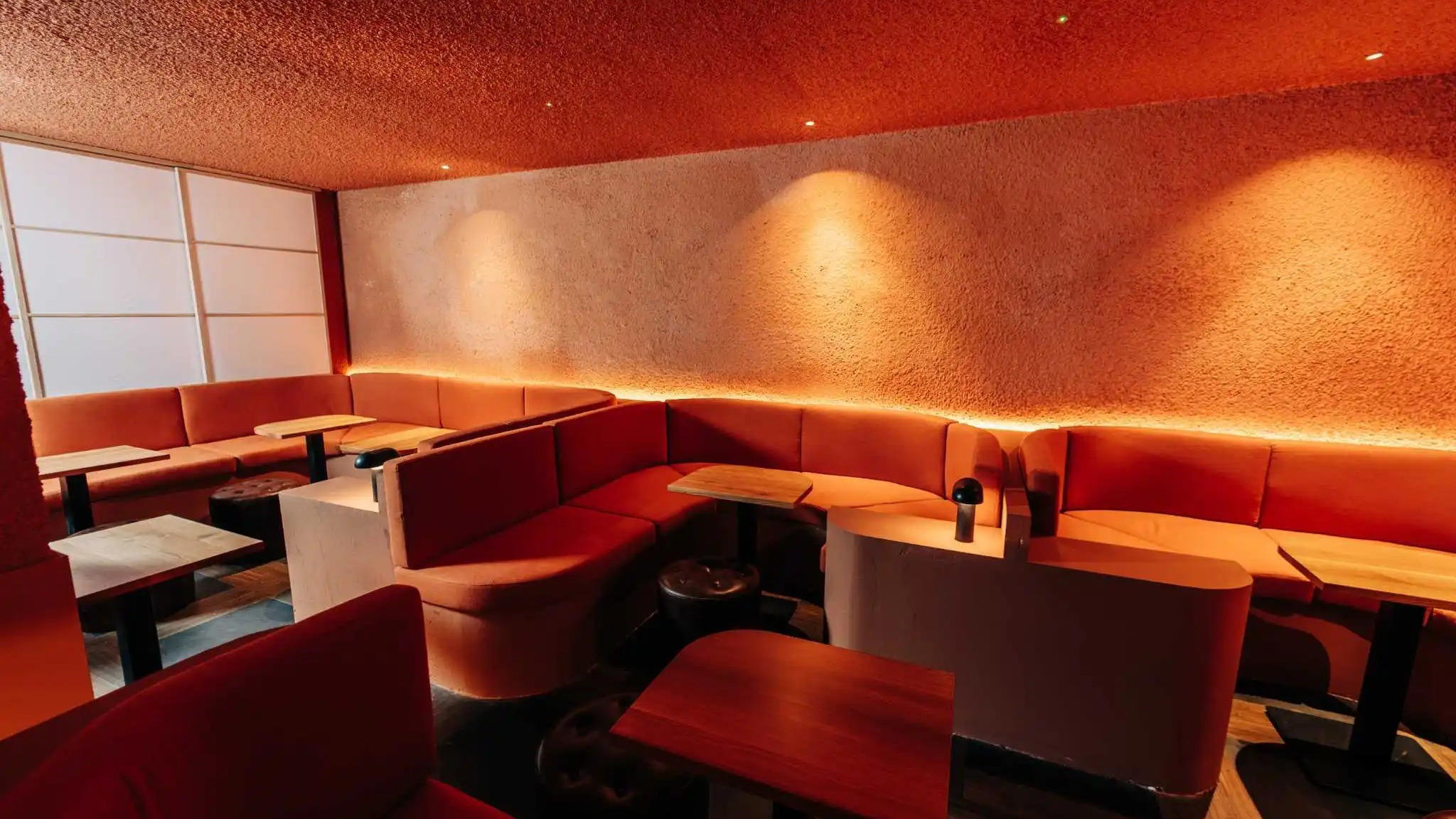
Industrial New York-inspired decoration creating an elegant yet informal modern atmosphere.