Our verdict
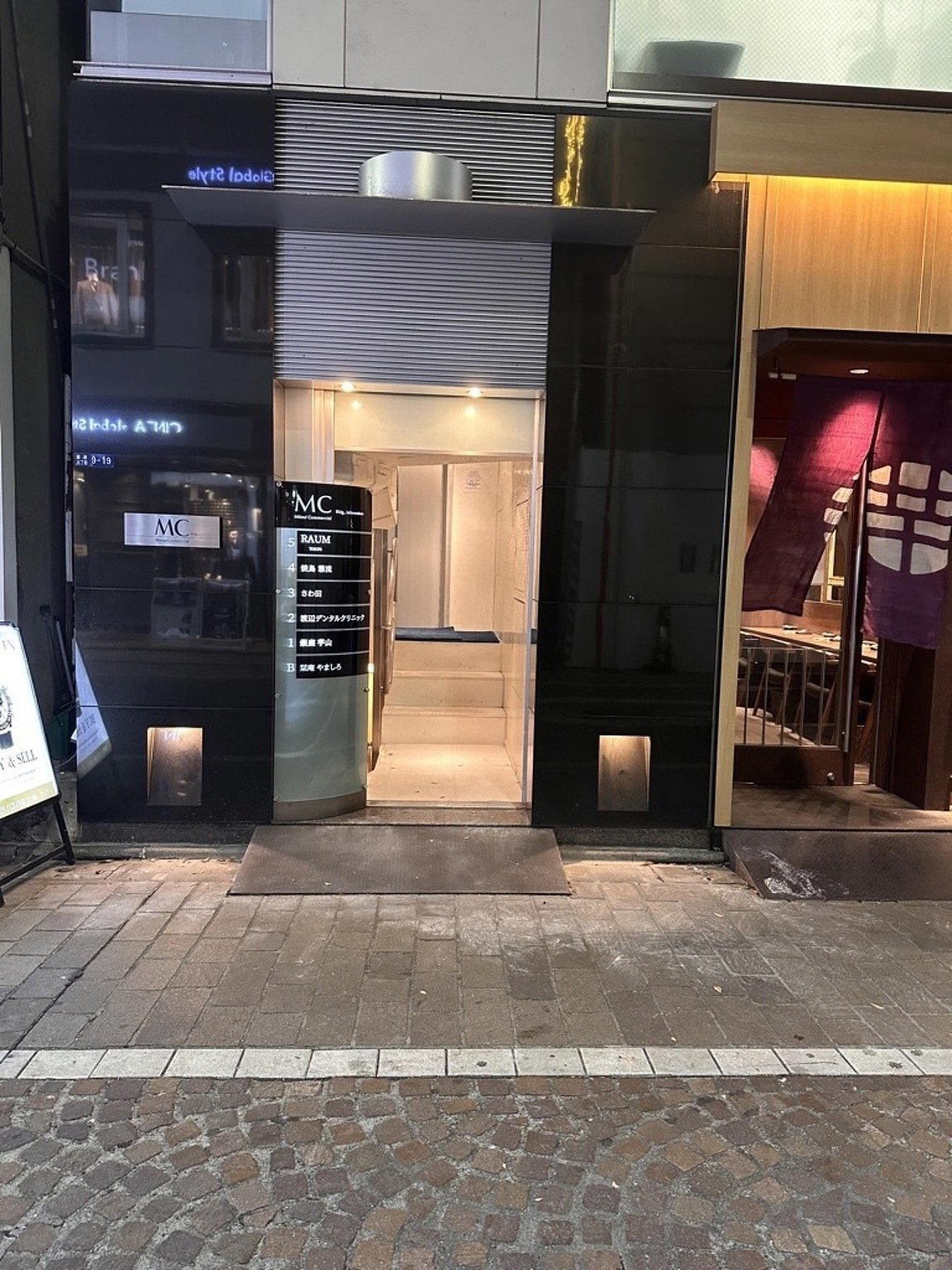
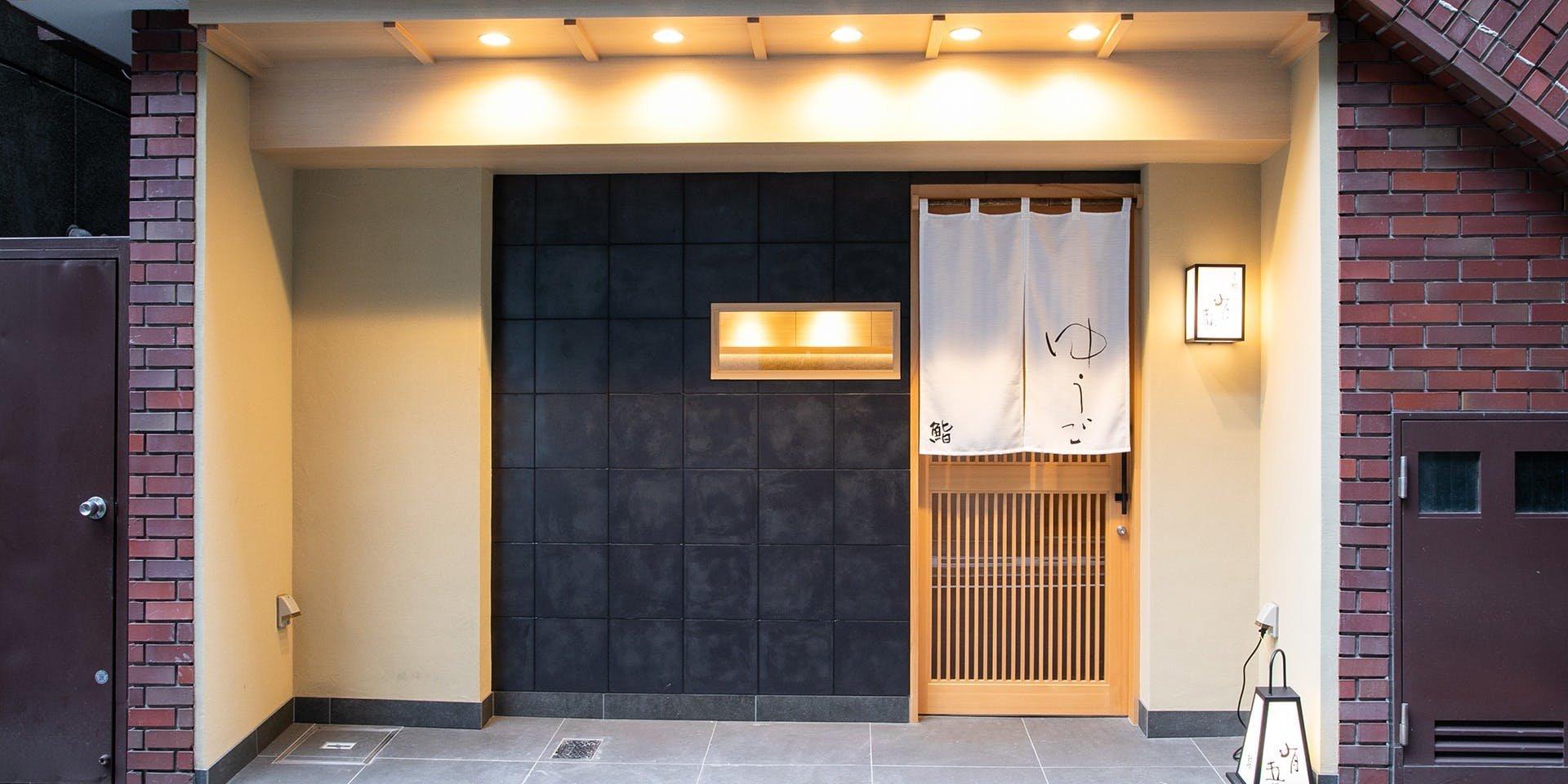
Located on the ground floor of Santoru Ginza 4-chome in Tokyo's most concentrated sushi corridor, ぎんざ鮨一代 有吾 sits inside one of Japan's most scrutinised dining districts. The Ginza address carries its own set of expectations around counter craft and seasonal precision — expectations that shape how a venue in this postcode is read by both local regulars and international visitors seeking serious sushi.

Pearl is the En Primeur Club membership app — saves, bookings, and concierge access live there. Same editors, same standards.
- Address
- Japan, 〒104-0061 Tokyo, Chuo City, Ginza, 4 Chome−14−15 サントル銀座四丁目 101
- Phone
- +81362284593
- Hours
- Mon–Tue 12–2 PM, 5:30–10 PMWed ClosedThu–Sat 12–2 PM, 5:30–10 PMSun Closed
- Website
- ginzasushiichidai-yugo.jp
- Directions
- Get directions
Ginza's Sushi Address and What It Signals
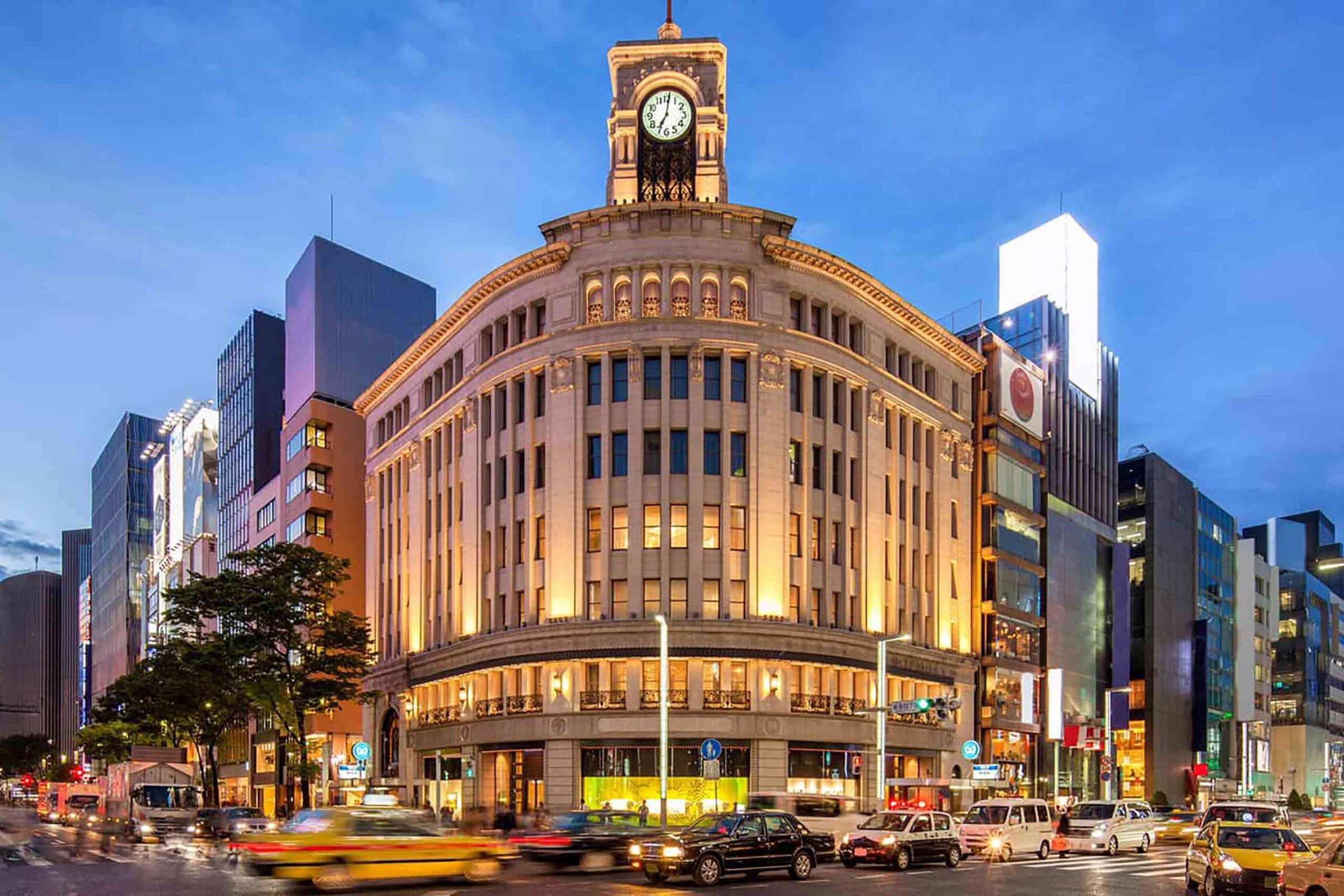
Ginza's 4-chome block has, over several decades, become shorthand in Tokyo dining circles for a particular kind of seriousness. The district concentrates department store culture, luxury retail, and an unusual density of high-format counter restaurants within a few walkable blocks of each other. For sushi specifically, a Ginza address does meaningful work before a single piece of nigiri is served: it places a counter inside a conversation that includes some of Japan's most scrutinised omakase rooms and a clientele that has eaten widely enough to notice when something is off.
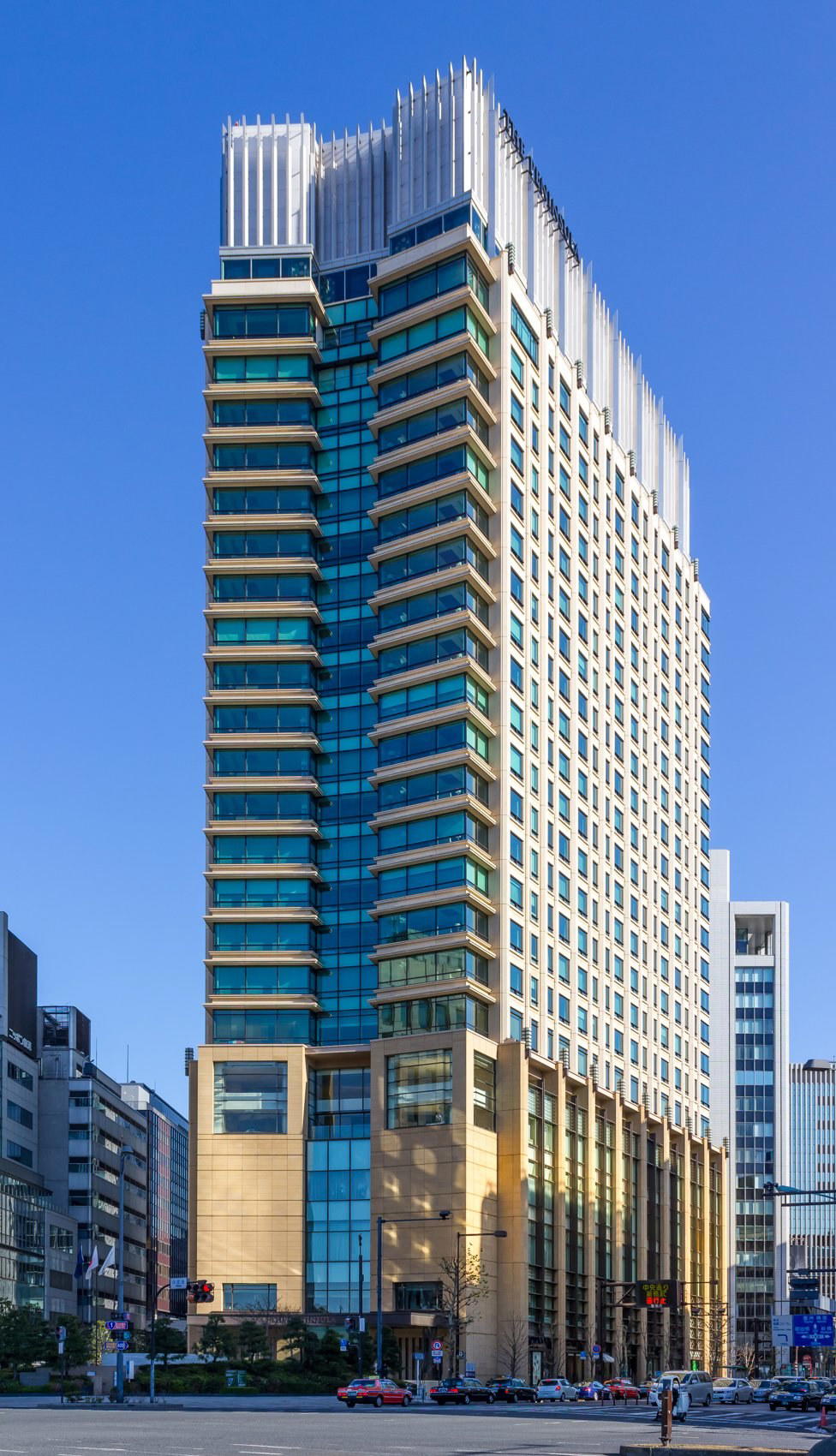
ぎんざ鮨一代 有吾 sits at 4 Chome-14-15, Ginza, in Chuo City — on the ground floor of the Santoru Ginza 4-chome building. That address puts it within the inner ring of the district's dining corridor, where foot traffic skews toward purposeful visitors rather than casual passers-by, and where the surrounding competition functions as a permanent comparative reference point. In a neighbourhood where Harutaka represents one benchmark of the counter format at the highest price tier, operating nearby is both a credential and a constraint: the standard is set by the room next door, not just by national reputation.
The Ginza Counter Format and Its Expectations
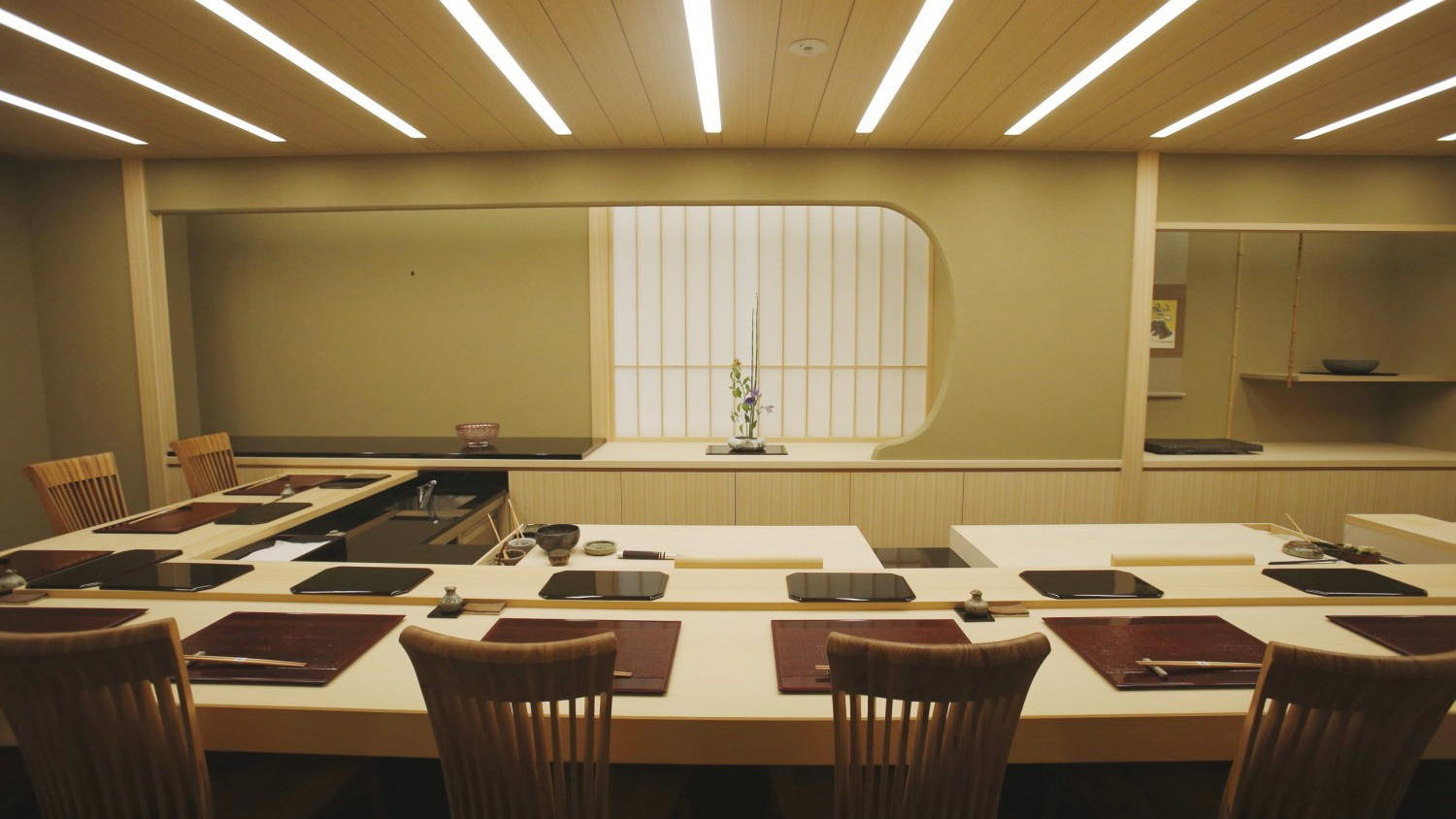
Tokyo's premium sushi scene has consolidated around a recognisable counter logic over the past two decades. Omakase rooms have become smaller, more expensive, and more demanding of advance planning as demand from both domestic and international visitors has grown. The counter itself — typically hinoki cypress, seating between eight and twelve, is less furniture than stage, and the interaction between the chef and each guest across it is part of what guests are paying for. At the top of the Ginza market, venues like Harutaka anchor a price tier that prices against peer counters on quality signal rather than portion count.
Within that broader structure, Chuo-ku addresses carry a particular weight. Ginza has historically attracted counter formats that prioritise fish sourcing discipline and seasonal rhythm over theatricality, a different register than, say, the more experimental rooms that have gained attention in Minami-Aoyama or Shibuya. The neighbourhood's dining culture rewards restraint and craft visibility. Guests who book a Ginza counter generally arrive with a working vocabulary for what they are eating, which shapes the pacing and register of the meal itself.
Tokyo's broader fine-dining range extends well beyond sushi. For those exploring the city's full scope, L'Effervescence and Sézanne represent the French counter tradition at the highest level, while RyuGin maps the kaiseki format in its most technically demanding form. Crony sits in the innovative French tier for those drawn toward less categorised formats. Our full Tokyo restaurants guide maps these across neighbourhood and cuisine.
Situating the Venue in Its Competitive Tier
The question any Ginza sushi counter has to answer is where it sits relative to the established hierarchy. That hierarchy is not just about Michelin recognition, though star count functions as a shorthand signal for many booking decisions, but also about lineage, sourcing relationships, and the degree to which regulars have claimed the room. A counter that fills primarily on the strength of tourist demand reads differently from one where Tokyo residents hold standing reservations across seasons.
What the address and format context make clear is that operating in Ginza's 4-chome block already implies a particular competitive awareness. The sushi counter format in this district does not benefit from ambiguity about its positioning, guests arrive with comparison points already active.
For reference on how the counter format plays out across Japan beyond Tokyo, HAJIME in Osaka and Gion Sasaki in Kyoto illustrate how regional fine-dining culture diverges from the Tokyo model. akordu in Nara and Goh in Fukuoka extend that comparative lens further. Further afield, 一本木 皆川制 in Nanao and 旧丹羽邸乃 in Sapporo demonstrate how serious counter dining has distributed itself across Japan's secondary cities. Venues such as 湖畔廃墟 in Takashima, 孤羽屋 in Nishikawa Machi, Birdland in Sakai, and Bistro Ange in Toyohashi further show how Japanese dining ambition now extends across prefectures. Internationally, Le Bernardin in New York City and Atomix in New York City provide useful comparative anchors for understanding how counter precision translates into non-Japanese contexts.
What a Ginza Visit Actually Requires
Visiting any serious Ginza counter involves a set of practical considerations that apply across the district regardless of specific venue. Reservations in this tier typically run weeks to months ahead, particularly for first-time guests without an existing relationship with the room. The counter format generally implies a fixed menu with limited deviation, so advance communication about dietary constraints, rather than on-arrival requests, is the norm that serious counters expect and accommodate leading. Dress code at this level of Ginza dining is not formally enforced at most venues but the neighbourhood's character makes smart-casual a reasonable baseline.
Ginza is directly served by the Ginza line (Ginza Station, exits A9 and B9 being closest to the 4-chome address), the Hibiya line, and the Marunouchi line. The Santoru building at 4 Chome-14-15 is within a short walk of those exits. Dinner is the primary format for premium counter sushi in this district; lunch seatings, where they exist, often represent a different menu structure and price point.
Know Before You Go
- Address: 4 Chome-14-15 Ginza, Chuo City, Tokyo 104-0061 (Santoru Ginza 4-chome, ground floor)
- Getting There: Ginza Station (Tokyo Metro Ginza, Hibiya, Marunouchi lines); exits A9 or B9 are closest to the 4-chome block
- Booking: Contact details; advance reservation is standard for Ginza counter formats at this address tier
- Dietary Needs: Communicate requirements at time of booking, not on arrival, standard practice for omakase counters in this district
- Format: Counter sushi; omakase format typical for this category and address
- Price Tier:; comparable Ginza counters at this address tier operate at ¥¥¥¥
Frequently asked questions
Where do I go for ぎんざ鮨一代 有吾?
ぎんざ鮨一代 有吾 is located at Japan, 〒104-0061 Tokyo, Chuo City, Ginza, 4 Chome−14−15 サントル銀座四丁目 101, Tokyo.
Where exactly is ぎんざ鮨一代 有吾 located in Ginza, and what does that address mean for the dining experience?
ぎんざ鮨一代 有吾 is located at 4 Chome-14-15 Ginza, Chuo City, Tokyo, inside the Santoru Ginza 4-chome building. Ginza 4-chome is the geographical and commercial centre of the district, placing the venue within walking distance of the highest concentration of Michelin-recognised sushi counters in Tokyo. That proximity means the venue competes directly against some of the most scrutinised sushi addresses in Japan, which raises baseline expectations for rice temperature, sourcing, and counter service whether or not the venue itself holds formal recognition.
What dish is ぎんざ鮨一代 有吾 famous for?
The venue sits in Tokyo's Ginza 4-chome block, a district where nigiri-led omakase is the dominant format and seasonal Edomae technique is the standard. Expect the course to follow the counter conventions of that tier rather than a fixed signature dish.
How hard is it to get a table at ぎんざ鮨一代 有吾?
Reservation windows across serious Ginza counters typically run four to eight weeks out, with some of the more sought-after rooms extending to three months. ぎんざ鮨一代 有吾 occupies a ground-floor unit in the Santoru Ginza 4-chome building, an address tier that draws diners with advance intent. No public booking platform or phone number is listed, which suggests reservations are managed through direct contact or referral, a common arrangement in this part of the district.
What do critics highlight about ぎんざ鮨一代 有吾?
For a Ginza 4-chome address, the absence of major award documentation tends to position a counter either as deliberately low-profile or as an emerging name in a district where reputation builds slowly and through word of mouth.
Can ぎんざ鮨一代 有吾 adjust for dietary needs?
No specific dietary policy is documented for ぎんざ鮨一代 有吾. Across Tokyo's Ginza omakase counters, dietary adjustments are generally possible when communicated at the time of reservation, though shellfish and crustacean substitutions can be structurally difficult within a nigiri sequence. Any requirements should be raised before booking is confirmed rather than on the day.
Is eating at ぎんざ鮨一代 有吾 worth the cost?
Price range data for ぎんざ鮨一代 有吾 is not publicly listed, but Ginza omakase counters at this address tier typically run between ¥20,000 and ¥50,000 per person depending on format and season. Whether that spend is appropriate depends on where the venue positions itself within the district hierarchy, which currently lacks the external validation of named awards. For a first visit to the Ginza counter circuit, it is worth confirming the course format and approximate cost directly before booking.
Cuisine-First Comparison
Comparable venues nearby, for context on price, style, and recognition.
| Venue | Cuisine | Price | Awards | Notes |
|---|---|---|---|---|
| ぎんざ鮨一代 有吾This venue — the venue you are viewing | Edomae Sushi Omakase | $150–200 | Not listed | Not listed |
| 寿司 健 | High-End Edo-Mae Sushi Omakase | $300–500 | Black Pearl 1 Diamond | Ginza |
| Koran | Seasonal Japanese Kaiseki Counter | $200–300 | Tabelog 100 #79 | Chūō |
| Honten Yamashina | Modern Wagyu Teppanyaki & Steakhouse | $150–200 | Tabelog 100 #23 | Chūō |
| Edo Yakiniku | High-end Wagyu Yakiniku Counter | $200–300 | Tabelog 100 #57 | Chūō |
| 茜坂大沼 赤坂店 | Traditional Seasonal Kaiseki | $200–300 | Michelin Plate · Tabelog Bronze #339 | Minato |