Our verdict
Ebert occupies a quiet address on Eisenzahnstraße in Berlin's Charlottenburg district, a neighbourhood that has long operated at a different register than the louder creative scenes further east. The restaurant sits within Berlin's upper-tier fine dining bracket, where a small group of serious addresses compete less on spectacle and more on precision, sourcing, and format discipline.

Pearl is the En Primeur Club membership app, where members save venues, book tables and use the concierge.

Charlottenburg's Quieter Frequency
There is a particular kind of restaurant that announces itself through restraint rather than noise. Eisenzahnstraße 59, in Berlin's Charlottenburg district, is that kind of address. The neighbourhood itself sets the register: tree-lined, residential in character, and historically associated with the city's more established dining culture rather than the rotational energy of Mitte or Kreuzberg. Approaching Ebert, the street does much of the contextual work before you reach the door.
Charlottenburg has produced a disproportionate share of Berlin's serious fine dining rooms, in part because its clientele tends toward repeat visitors rather than destination tourists, a dynamic that rewards consistency over novelty. Restaurants in this part of the city compete on sustained quality and format reliability, not on a single social-media moment. That competitive pressure shapes what a place like Ebert has to be.
Where Ebert Sits in Berlin's Fine Dining Structure
Berlin's upper dining tier has consolidated around a small group of addresses that hold recognised credentials: Rutz, operating with a deeply considered wine program alongside its modern European kitchen; Nobelhart & Schmutzig, which applies an almost doctrinaire local-sourcing discipline; FACIL, embedded within the Mandala Hotel and offering a more architectural approach to contemporary European cooking; and CODA Dessert Dining, which has built a singular format around a dessert-led tasting progression. Ebert on Eisenzahnstraße positions itself within this bracket, serving a clientele that knows the field and makes comparisons accordingly.
What distinguishes the Charlottenburg end of this competitive set is a certain formality of intent. These are not rooms built around a chef's public persona or a concept designed to generate editorial coverage. They are built to function at a high level, repeatedly, for guests who return. That durability is harder to achieve than a debut, and it is what the area's dining culture prizes.
For context outside Berlin, Germany's highest-performing fine dining rooms, among them Schwarzwaldstube in Baiersbronn, Aqua in Wolfsburg, and Vendôme in Bergisch Gladbach, tend to sit outside the capital, in smaller cities or resort settings where overheads and guest expectations align differently. Berlin operates under different constraints: a more cost-conscious city culture, higher labour complexity, and a dining public that is both sophisticated and price-sensitive. The restaurants that hold their position here do so against real friction.
The Booking Question
Editorial angle EA-GN-10 is relevant here precisely because the planning logic around Berlin's top-tier rooms has shifted. The category of restaurant that Ebert represents, a neighbourhood fine dining address in the upper bracket, now operates booking cycles that would have been unusual five years ago. Demand concentration at a small number of recognised addresses means that serious diners in Berlin plan weeks or months ahead, particularly for weekend service.
The practical implication: if you are visiting Berlin specifically to eat at this level, treat the reservation as the first logistics decision, not the last. Comparable rooms at Restaurant Tim Raue and FACIL both operate waitlists during peak periods, and Charlottenburg's established addresses follow similar patterns. Mid-week bookings typically carry more availability than Friday and Saturday, and lunch service, where offered, is often the more accessible entry point into the same kitchen.
For visitors building a Germany-wide itinerary around fine dining, Berlin fits logically alongside destinations like JAN in Munich, Restaurant Haerlin in Hamburg, or Schanz in Piesport, rooms that represent different regional expressions of German serious cooking. Waldhotel Sonnora in Dreis and Bagatelle in Trier extend the picture further toward the Moselle. The Berlin rooms sit within that national context as the urban, higher-footfall end of the spectrum.
Planning Against Peers
| Venue | Area | Format | Price Tier |
|---|---|---|---|
| Ebert | Charlottenburg | Fine dining, neighbourhood | Upper bracket |
| Rutz | Mitte | Modern European, tasting menu | €€€€ |
| Nobelhart & Schmutzig | Kreuzberg | Modern German, fixed menu | €€€€ |
| FACIL | Tiergarten | Contemporary European, hotel setting | €€€€ |
| CODA Dessert Dining | Neukölln | Creative, dessert-led | €€€€ |
The table above maps the planning choices a visitor to Berlin's upper dining tier actually faces. Each of these rooms occupies a different neighbourhood and a different format logic. Charlottenburg-based addresses like Ebert draw a different kind of evening than Neukölln or Kreuzberg, the pace is slower, the room quieter, and the expectation is that the food, not the scene, carries the experience. That distinction matters when you are deciding which evening to allocate to which room.
For international reference, the format discipline and neighbourhood-centric model that characterises Ebert's bracket has parallels in rooms like Lazy Bear in San Francisco, which built its reputation on a fixed communal format in a specific neighbourhood, or Le Bernardin in New York City, which has maintained a consistent formal register over decades without pivoting to trend. Longevity in a fixed format is its own credential.
Further context on Victor's Fine Dining by Christian Bau in Perl and ES:SENZ in Grassau rounds out the picture of how Germany's serious fine dining rooms distribute geographically, and underlines why Berlin, for all its cultural weight, is not the only city worth planning a serious meal around.
What to Know Before You Go
Eisenzahnstraße 59 is in western Berlin, within the S-Bahn and U-Bahn catchment of Charlottenburg. The area is well-served by public transport and walkable from several hotel clusters in the Ku'damm corridor, making it a practical dinner destination for visitors based in that part of the city. For the full picture of serious eating across Berlin's districts, the EP Club Berlin restaurants guide maps the field by neighbourhood and format type.
Frequently asked questions
How do I find Ebert?
Ebert is located at Eisenzahnstraße 59, 10709 Berlin, Germany, Berlin.
How does Ebert compare to other Charlottenburg restaurants for a special occasion dinner in Berlin?
Ebert at Eisenzahnstraße 59 sits within Charlottenburg's quieter, residential dining register rather than the higher-profile Mitte corridor. That positioning attracts a specific type of occasion diner: one who prefers neighbourhood seriousness over central visibility. Berlin's western districts have historically produced rooms with genuine culinary focus that operate outside the main awards conversation, which can work in a visitor's favour on availability.
What's the signature dish at Ebert?
Verified menu data for Ebert is not held in the current editorial record. The most reliable route is to check the venue's official channels or check for a current menu before visiting. What the address and neighbourhood context suggest is a kitchen operating with the focused, produce-led approach that defines Charlottenburg's upper dining bracket.
Do I need a reservation for Ebert?
At the format level Ebert occupies in Charlottenburg, booking ahead is effectively necessary. Berlin's stronger neighbourhood rooms at this tier fill through repeat clientele and word-of-mouth demand, which compresses walk-in availability. check the venue's official channels to confirm lead times for your preferred date.
What's the defining dish or idea at Ebert?
Restaurants operating in Ebert's competitive bracket in Berlin typically anchor around a clear culinary point of view rather than broad eclecticism. For confirmed details on the current direction, reaching out to the restaurant before booking is the practical step.
Comparison Snapshot
Comparable venues nearby, for context on price, style, and recognition.
| Venue | Cuisine | Price | Notes |
|---|---|---|---|
| EbertThis venue (the venue you are viewing) | Traditional German | Not listed | Not listed |
| Curry Baude | Traditional Berlin Currywurst | $1–10 | Gesundbrunnen |
| Möllers Köttbullar | Swedish Street Food | $10–20 | Kreuzberg |
| Lebenswelten im Humboldt Forum | Sustainable German Bistro with Vegetarian Focus | $20–30 | Mitte |
| Hirsch & Eber | Wild Game Burgers | Not listed | Prenzlauer Berg |
| DER HOT DOG LADEN | Classic German Hot Dogs | $1–10 | Schoneberg |
Continue exploring
More in Berlin
Restaurants in Berlin
All restaurants in Berlin →
Bars in Berlin
All bars in Berlin →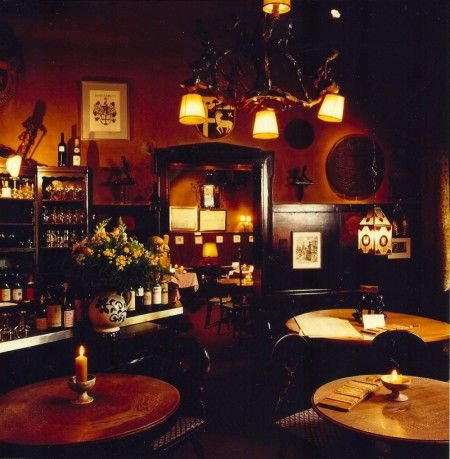

Details
- Rustic
- Cozy
- Classic
- Family
- Group Dining
- Casual Hangout
- Standalone
- Local Sourcing
- A La Carte
- Vegetarian Friendly
- Vegan Options
- Gluten Free Options
Current opening hours
- Monday
- 3–11 PM
- Tuesday
- 3–11 PM
- Wednesday
- 3–11 PM
- Thursday
- 3–11 PM
- Friday
- 3–11 PM
- Saturday
- 3–11 PM
- Sunday
- 12–10 PM
Hours can change for holidays and private events. Hours as of .
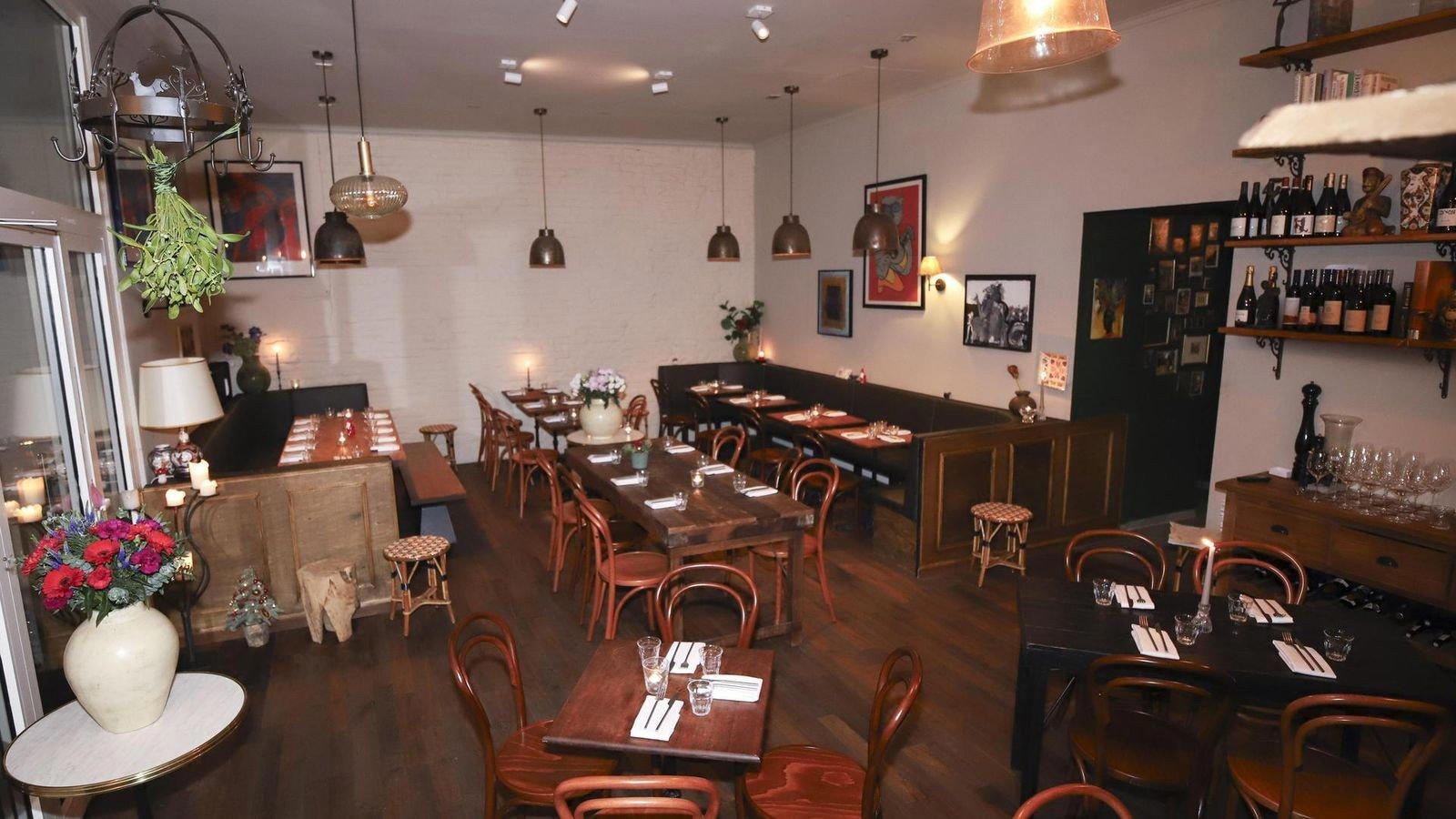
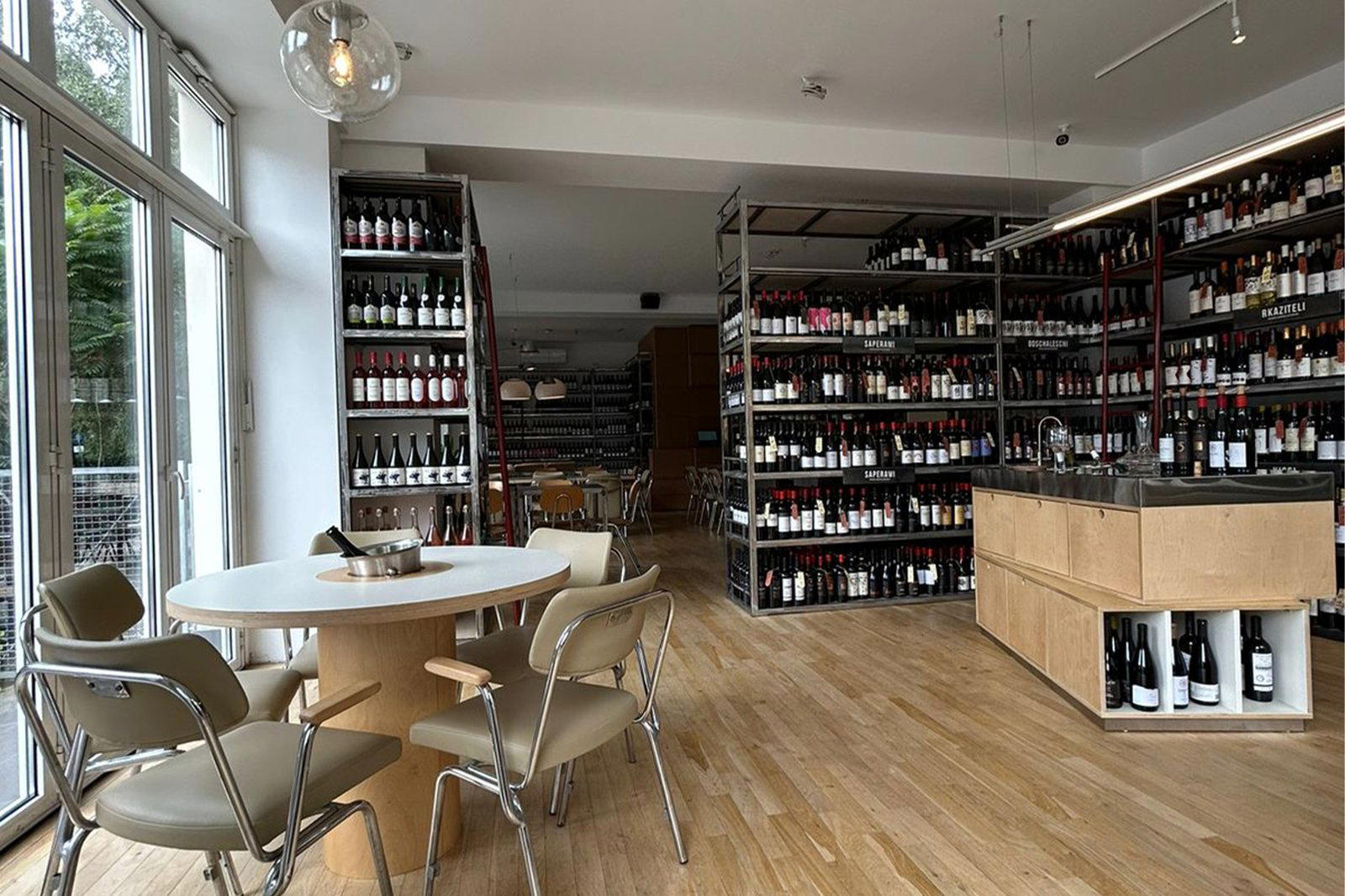
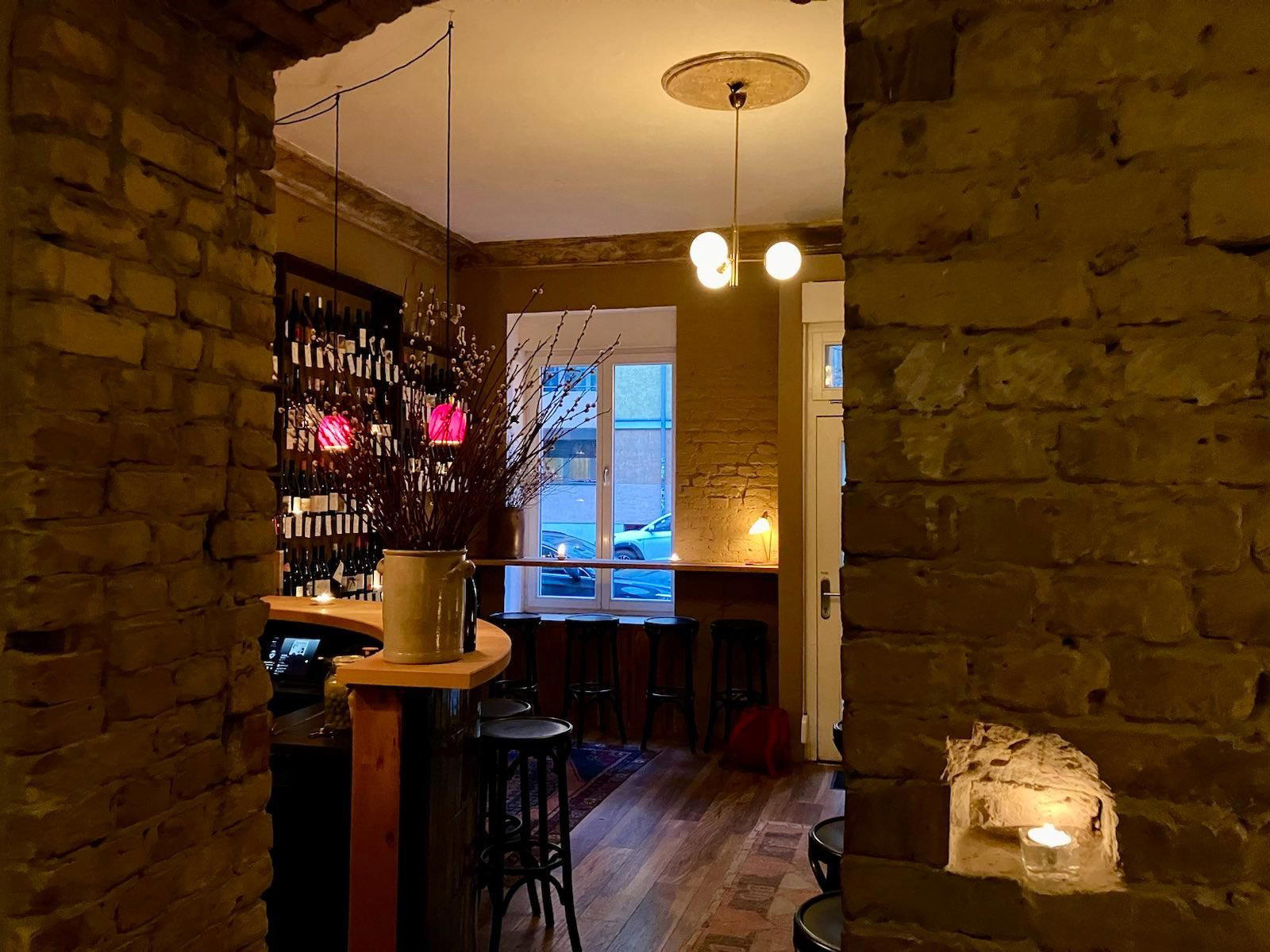
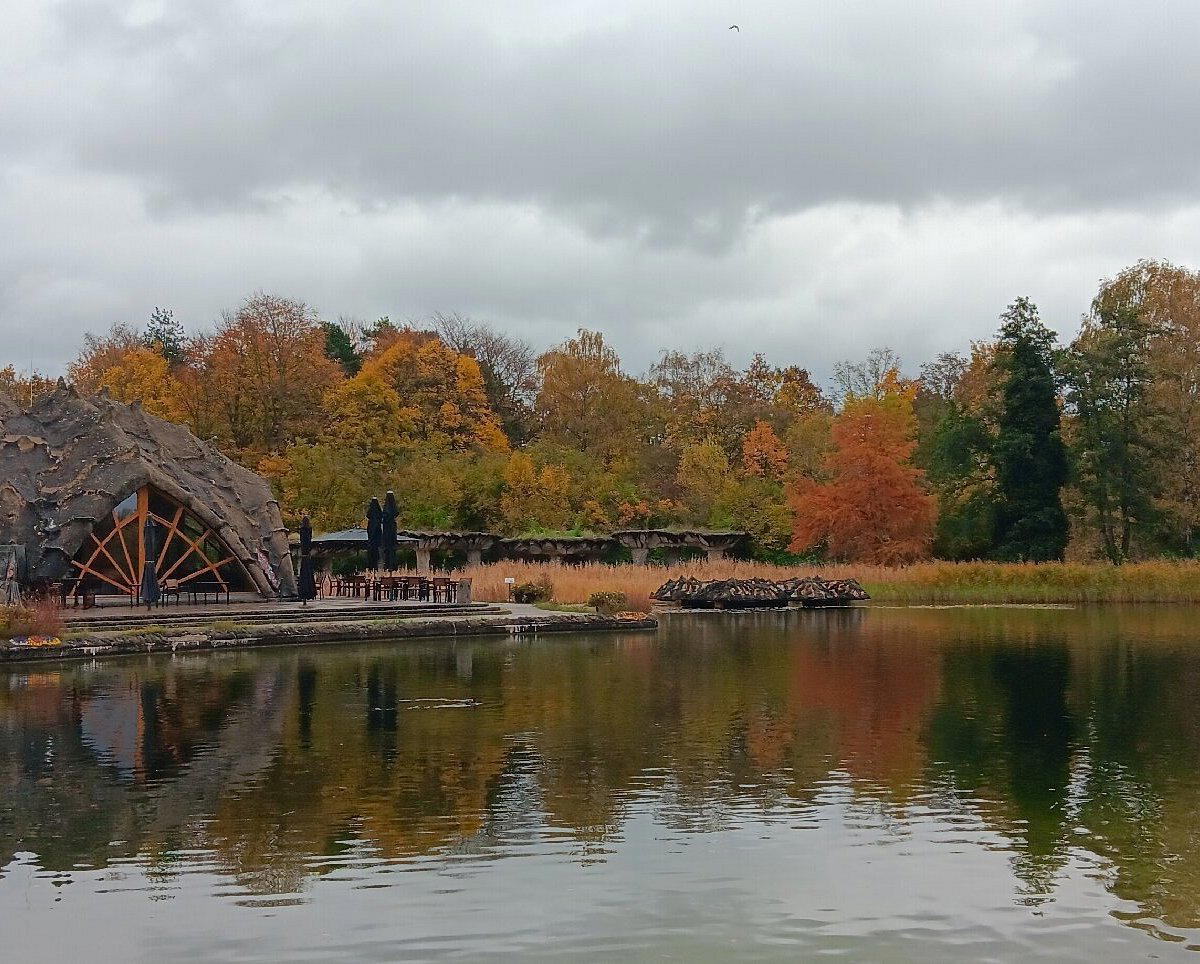
Warm and inviting with rustic decor, friendly staff, and a relaxed, feel-good atmosphere.