On a residential stretch of Schöneberg, DER HOT DOG LADEN at Goltzstraße 15 represents Berlin's long-running appetite for street food taken seriously. The format is elemental: hot dogs, a neighbourhood address, no reservations infrastructure. In a city that has steadily pushed casual eating toward the level of craft, this address occupies an honest, unpretentious tier of its own.
Pearl is the En Primeur Club membership app — saves, bookings, and concierge access live there. Same editors, same standards.
- Address
- Goltzstraße 15, 10781 Berlin, Germany
- Phone
- +4949302156932
- Directions
- Get directions
 Saves & bookings on Pearl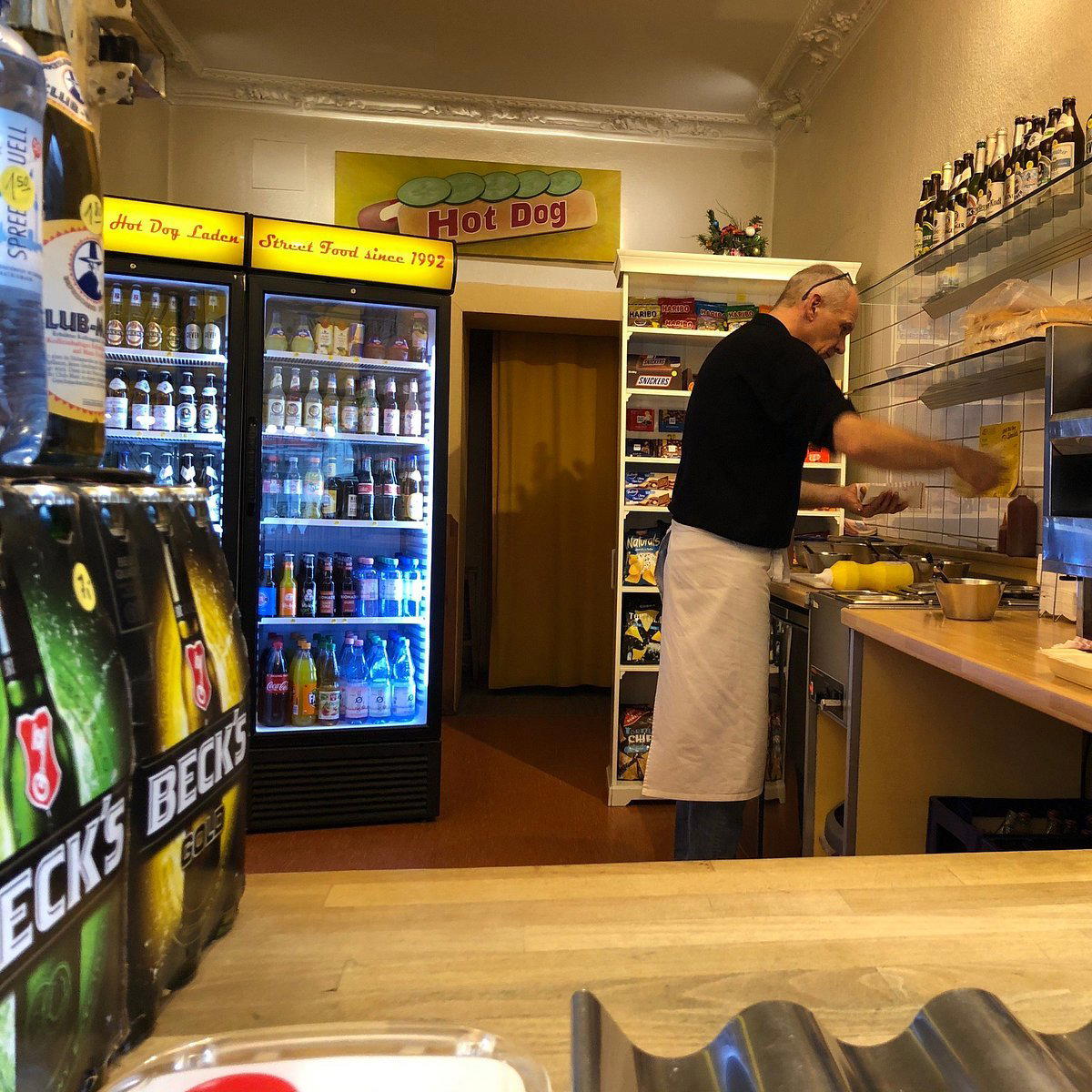
Schöneberg's Street Food Register
Berlin's casual dining scene has never operated on a single register. While the city's fine dining corridor runs through venues like Nobelhart & Schmutzig and Rutz, both operating at the upper end of the €€€€ tier, a parallel tradition of serious, focused street food has always run beneath it, rooted in neighbourhood specificity rather than tasting-menu ambition. DER HOT DOG LADEN, on Goltzstraße in Schöneberg, belongs to that second tradition.
Schöneberg is one of Berlin's more characterful residential districts: dense with independent shops, a long history of subcultural identity, and a food scene that skews local rather than tourist-facing. Goltzstraße itself is a mixed commercial street where a dedicated hot dog operation makes a kind of intuitive sense. The format is legible from the name alone, no concept-heavy framing, no chef-driven narrative attached. That directness is itself a position, and in a city that has spent the last decade dressing casual food in increasingly elaborate editorial clothing, it reads as a deliberate stance.
The Evolution of the Berlin Sausage Tradition
Germany's relationship with the sausage is one of the more documented food traditions in European culinary history. The bratwurst, currywurst, and Frankfurter each carry regional and historical weight that predates modern gastronomy by centuries. Berlin in particular built a street food culture around the currywurst, a post-war invention that became so embedded in city identity that it now has its own museum. What changed over the past two decades was the arrival of American-style hot dog culture as a distinct category, separate from the currywurst tradition and carrying its own set of references: the Chicago dog, the New York cart, the dressed bun as a vehicle for condiment craft.
Across European cities, this format evolved in two directions. One pushed toward premium ingredients and chef-led interpretation, the kind of positioning that treats a sausage in a bun as a canvas for technique. The other held to accessibility and specificity: a focused menu, a neighbourhood address, no pretension. DER HOT DOG LADEN sits closer to the second model, at least in terms of its street-level identity. Whether the execution has shifted over the years, toward more considered sourcing, a tighter menu structure, or simply a more refined version of the original format, is the kind of evolution that plays out quietly in neighbourhood spots across Berlin.
That quiet evolution is worth noting in the broader context of how Berlin's casual dining has moved. The same forces that pushed venues like CODA Dessert Dining toward Michelin recognition in an entirely non-savoury format also pressured operators at every level to think more carefully about what their format was actually doing. A hot dog shop that opened in Schöneberg a decade ago would have been operating in a different ambient expectation than one operating today, when food media attention has reached into almost every informal category.
Where This Sits in Berlin's Dining Spread
Berlin's restaurant offering spans an unusually wide range for a European capital, from three-Michelin-star ambition at Restaurant Tim Raue and FACIL down to street-level formats that charge single-digit euros and seat customers on stools. The interesting pressure point is the middle, where casual formats have been pushed by rising rents and changing customer expectations to either sharpen their identity or blur into generic cafe territory.
A venue named DER HOT DOG LADEN, translated directly: The Hot Dog Shop, has already resolved that identity question. The name is a commitment. It forecloses the drift toward brunch menus, rotating specials, and the kind of format creep that turns a focused operation into a vague all-day cafe. For visitors building a Berlin itinerary that spans the full register, from a table at Rutz to something quick and direct in a residential neighbourhood, Goltzstraße 15 represents the latter clearly.
Germany's broader fine dining map, anchored by venues like Schwarzwaldstube in Baiersbronn, Aqua in Wolfsburg, and Vendôme in Bergisch Gladbach, operates at significant remove from the street food tier. But both ends of the spectrum are part of the same national food culture, and visitors who engage only with one miss the texture of the other. Berlin is one of the few German cities where the street food tier is as culturally legible as the fine dining one, a function of the city's demographics, its density, and its historical resistance to formality.
Seasonal Rhythm and Neighbourhood Timing
Schöneberg street food operates differently across the year. Summer extends the viable window considerably, outdoor eating culture picks up from May onward, and a hot dog operation near a residential street benefits from the foot traffic that warmer months generate. Berlin summers draw a significant volume of visitors who orient their days around neighbourhood exploration rather than booked restaurant experiences, and Goltzstraße falls within the western Schöneberg area that sees that kind of foot traffic without the heavier tourist concentration of Mitte or Prenzlauer Berg.
Winter narrows the casual street food window but doesn't close it. Berliners eat outdoors in cold weather with more tolerance than most northern European cities, a cultural habit reinforced by the city's density of markets, outdoor stalls, and the simple absence of enough indoor seating in many popular informal venues. A visit in November or February to Goltzstraße is a different experience than one in July, but the format remains coherent across seasons. Those planning a Berlin trip that includes a spread of dining experiences, from a booked table at Nobelhart & Schmutzig to a walk through Schöneberg, would do well to time the latter for midday rather than evening, when the neighbourhood is most active.
Comparable Options
Comparable venues nearby, for context on price, style, and recognition.
| Venue | Cuisine | Price | Notes |
|---|---|---|---|
| DER HOT DOG LADENThis venue — the venue you are viewing | Classic German Hot Dogs | $ | Not listed |
| Ebert | Traditional German | $ | Wilmersdorf |
| Möllers Köttbullar | Swedish Street Food | $ | Kreuzberg |
| Konnopke's Imbiß | Traditional German Currywurst | $ | Prenzlauer Berg |
| Försters | Vegan German Home Cooking | $$ | Prenzlauer Berg |
| Biermeisterei | German Brewery BBQ & Grill | $$ | Mitte |
Continue exploring
More in Berlin
Restaurants in Berlin
Browse all →
Bars in Berlin
Browse all →
Hotels in Berlin
Browse all →

At a Glance
- Rustic
- Casual Hangout
- Standalone
Current opening hours
- Monday
- 11 AM–9 PM
- Tuesday
- 11 AM–9 PM
- Wednesday
- 11 AM–9 PM
- Thursday
- 11 AM–9 PM
- Friday
- 11 AM–9 PM
- Saturday
- 11 AM–9 PM
- Sunday
- 12–9 PM
Hours can change for holidays and private events. Last verified .
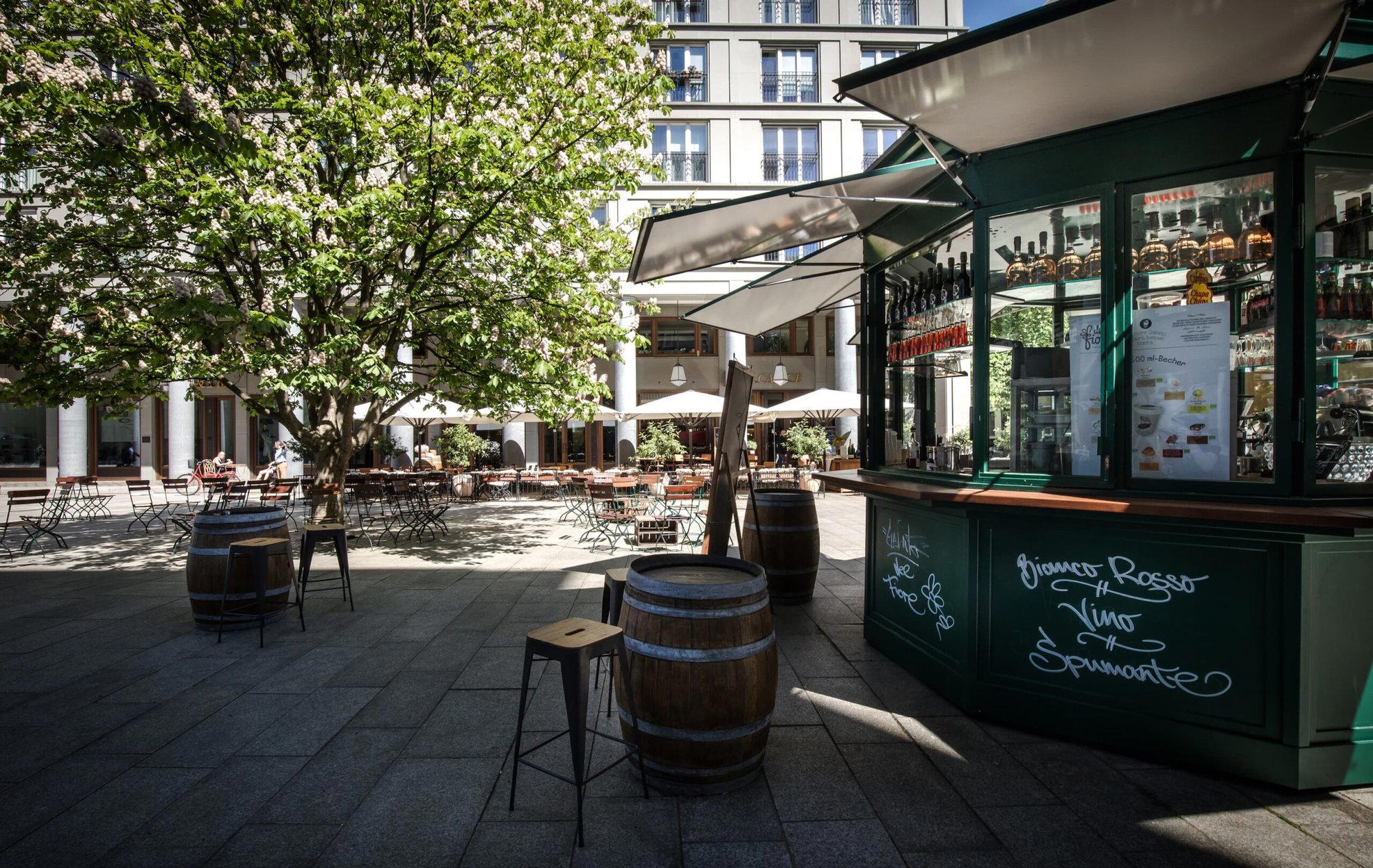
Casual street food spot with no indoor seating, featuring a small counter serving to the street and a few outdoor stools for standing or quick eats.