Our verdict
On Kollwitzstraße in Prenzlauer Berg, Hirsch & Eber occupies a corner of one of Berlin's most food-literate neighbourhoods. The name, stag and boar, signals a kitchen with its feet in German culinary tradition, set against the backdrop of a city that has spent two decades rewriting what that tradition can mean. Book ahead; the neighbourhood draws a discerning local crowd.

The menu
What to order
- Wild boar burger
- Venison burger
- Venison currywurst
Prenzlauer Berg and the Rhythm of the Neighbourhood Table
Kollwitzstraße is one of those streets that resists easy categorisation. A residential artery running through the heart of Prenzlauer Berg, it carries the particular density of a neighbourhood that gentrified early and then settled into something more self-assured than fashionable. The cafés here open for breakfast and stay busy through dinner; the restaurants that survive more than a season tend to do so because residents return rather than because tourists find them. It is, in other words, a street that rewards knowing where to go.
Hirsch & Eber sits at number 87, and the name alone frames an expectation. Stag and boar are not accidental signifiers in German dining culture. They reach back toward the Jagdküche, hunting kitchen, tradition that runs through the country's culinary history, from the Black Forest south to Bavaria and across into the northeastern flatlands. A restaurant that places those animals on its sign in 2020s Berlin is making a claim: that there is something in that older register worth keeping, or at minimum worth rethinking, in a city that has spent considerable energy importing influences from every other culinary tradition on the planet.
The Dining Ritual: Pacing, Custom, and What the Meal Asks of You
Berlin's most formally structured restaurants, the Michelin-decorated tier represented by venues like Nobelhart & Schmutzig, Rutz, and FACIL, impose a particular contract on the diner. The set menu, the tasting sequence, the no-choice architecture: these are rituals that ask the guest to surrender the decision-making to the kitchen. That format has become the dominant grammar of high-end Berlin dining, and it has produced some compelling results. But it is not the only grammar worth speaking.
Neighbourhood restaurants that anchor themselves in a specific culinary tradition tend to operate through a different kind of ritual, one built around repetition and familiarity rather than revelation. The regular who orders the same cut of wild boar every third visit is participating in something the tasting-menu format structurally cannot offer. Hirsch & Eber's positioning on Kollwitzstraße, with its name grounded in game and its address in a residential quarter, suggests it is writing in that second language: the ritual of the neighbourhood institution rather than the ritual of the one-off event.
That distinction matters when you're deciding how to spend an evening. The CODA Dessert Dining experience, or the rigorous sourcing logic of Nobelhart & Schmutzig, demands advance planning and a certain appetite for ceremony. A Prenzlauer Berg address on a mid-week evening suggests something else: a place you arrive at with a companion, settle in, and let the meal set its own pace.
German Tradition in a City That Keeps Rewriting It
Berlin's relationship with its own culinary heritage is complicated in ways that do not apply to Munich or Hamburg. The city's post-reunification decades brought an influx of international influences that largely displaced traditional German cooking at the mid-to-high end of the market. By the 2010s, the dominant idiom at Berlin's better restaurants was international, Nordic-inflected, French-technique-dependent, or simply global in reference. The recovery of specifically German culinary identity as a fine or casual-fine dining proposition has been gradual, and it has tended to happen at either extreme: the hyper-regional rigour of a place like Nobelhart & Schmutzig, or the unpretentious persistence of old-school Gasthaus formats that never tried to be anything else.
Venues that invoke the hunting-kitchen tradition, stag, boar, venison, game birds, preparations that have their roots in estate cooking and seasonal harvest, occupy an interesting middle position in that story. They are neither nostalgic in a kitschy sense nor avant-garde in a way that requires footnotes. Across Germany, some of the country's most technically accomplished kitchens have maintained a serious relationship with game: Schwarzwaldstube in Baiersbronn, Waldhotel Sonnora in Dreis, and Vendôme in Bergisch Gladbach all treat seasonal game with the same seriousness they apply to any other premium ingredient category. In Berlin, the same sensibility has historically been harder to find in a neighbourhood-scale format.
Where Hirsch & Eber Fits in Berlin's Current Dining Picture
Berlin's restaurant scene in the mid-2020s is more layered than its reputation for informality suggests. At the leading end, the city's Michelin-starred cluster, including Restaurant Tim Raue and the venues noted above, operates at price points and with booking lead times that align it with peer cities like Hamburg (see Restaurant Haerlin) or Munich (see JAN). Below that tier, the city has a dense layer of neighbourhood restaurants where the actual character of Berlin dining plays out: less ceremonial, more personal, built on repeat custom.
Hirsch & Eber at Kollwitzstraße 87 reads as part of that second layer. The address and the name together suggest a kitchen more interested in doing one thing well over many seasons than in chasing recognition cycles. That is a specific and defensible position in a city where the temptation to pivot toward the next trend is constant and visible.
For readers planning a broader Berlin itinerary, the EP Club Berlin restaurants guide maps the city's dining across price tiers and neighbourhoods, including comparisons with the decorated tier represented by ES:SENZ in Grassau, Aqua in Wolfsburg, and Victor's Fine Dining by Christian Bau in Perl for those extending their trip into Germany's wider fine dining circuit.
Planning Your Visit
| Detail | Hirsch & Eber | Nobelhart & Schmutzig | FACIL | CODA Dessert Dining |
|---|---|---|---|---|
| Address | Kollwitzstraße 87, Prenzlauer Berg | Friedrichstraße 218 | Potsdamer Str. 3 | Paul-Lincke-Ufer 44a |
| Format | Neighbourhood restaurant | Set menu only | Set menu / à la carte | Dessert tasting menu |
| Price tier | Not confirmed | €€€€ | €€€€ | €€€€ |
| Awards | Not confirmed | Michelin starred | Michelin starred | Michelin starred |
| Booking lead time | Advise booking ahead | Several weeks | Several weeks | Several weeks |
Frequently asked questions
What part of town is Hirsch & Eber in?
Hirsch & Eber is located at Kollwitzstraße 87, 10435 Berlin, Germany, Berlin.
How does Hirsch & Eber fit into Berlin's broader German cuisine revival?
Berlin's post-reunification decades produced a city that was often more interested in international cooking than its own culinary heritage, but the mid-2020s have seen a clearer return to German regional traditions at the neighbourhood level. Hirsch & Eber on Kollwitzstraße positions itself within that shift by centering game, a historically significant category in German cooking that fell out of everyday restaurant fashion for years. It represents the Prenzlauer Berg end of that conversation rather than the decorated fine dining tier represented by venues like Nobelhart & Schmutzig.
What should I eat at Hirsch & Eber?
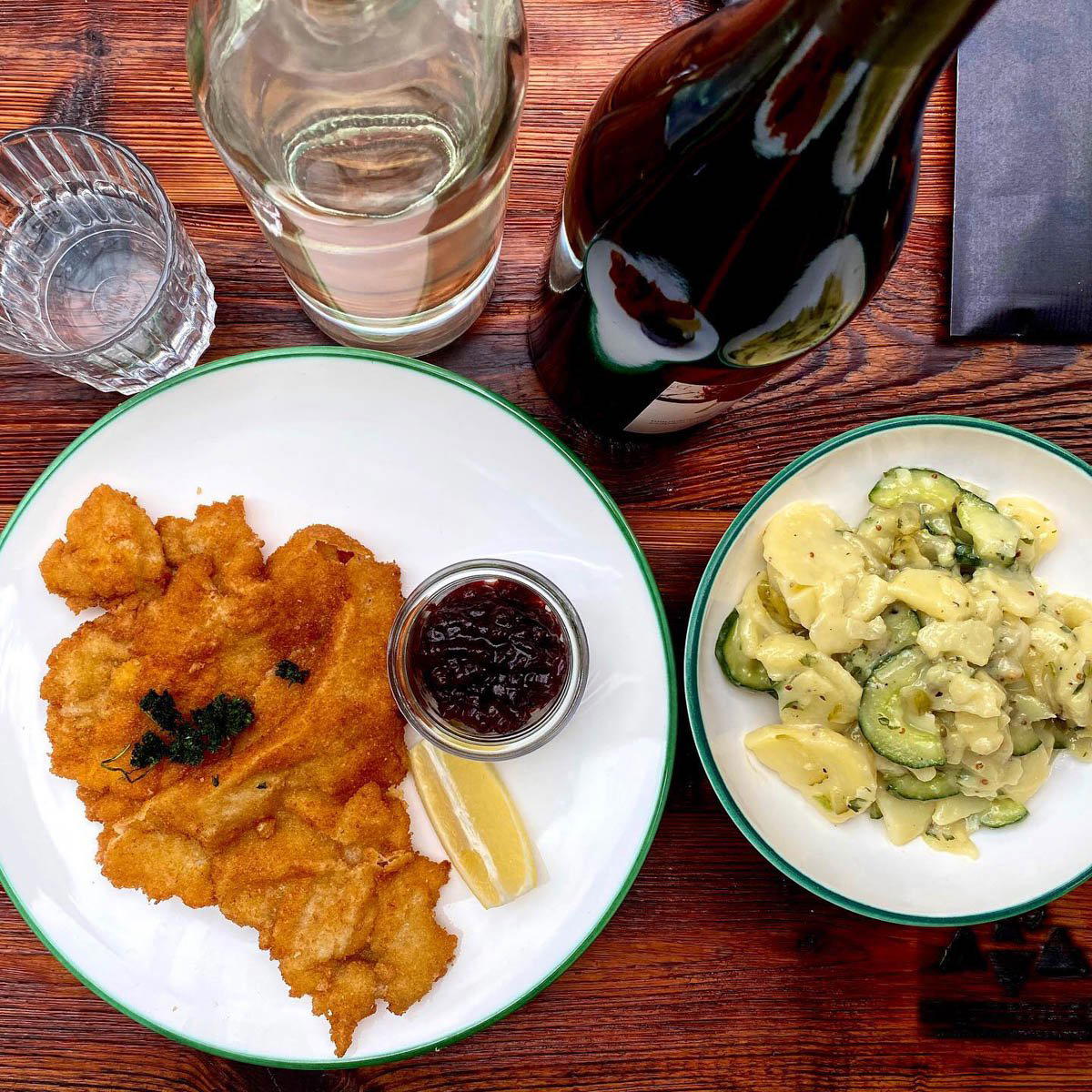
The name translates directly as stag and boar, which signals the kitchen's orientation with unusual clarity. Game-focused dishes anchored in German seasonal tradition form the menu's core, making this the right address in Prenzlauer Berg for venison, wild boar, and related preparations. Order according to season and whatever the kitchen is running as its lead protein that week.
Do they take walk-ins at Hirsch & Eber?
Kollwitzstraße 87 sits in a well-trafficked residential stretch of Prenzlauer Berg where neighbourhood regulars fill tables consistently across the week. Walk-ins are possible but carry real risk on weekends and in peak autumn season, when game menus draw the most demand. Booking ahead is the safer approach for any specific evening you have in mind.
What's Hirsch & Eber best at?
Hirsch & Eber occupies the game-focused segment of Berlin's neighbourhood dining picture, a category that most of the city's Michelin-decorated tier treats as seasonal accent rather than structural focus. A kitchen that names itself after stag and boar is making a commitment, not a gesture, which gives this address a specific identity within Prenzlauer Berg's otherwise eclectic dining options.
Is Hirsch & Eber good for vegetarians?
A restaurant that names itself after two game animals is giving an honest signal about its priorities. Vegetarians are unlikely to find this kitchen built around their needs, and Prenzlauer Berg has enough plant-forward alternatives that it makes more sense to match the venue to the diner rather than the other way around. If game is not on your agenda, this is not the right address in Berlin.
Style and Standing
A short peer table to compare basics side-by-side.
| Venue | Cuisine | Price | Awards | Notes |
|---|---|---|---|---|
| Hirsch & EberThis venue (the venue you are viewing) | Wild Game Burgers | Not listed | Not listed | Not listed |
| CODA Dessert Dining | Dessert-Inspired Fine Dining | $200–300 | 2 Michelin Stars · World's 50 Best #82 | Creative |
| Rutz | Modern German Fine Dining | $200–300 | 3 Michelin Stars · La Liste Top Restaurants | Modern European, Modern Cuisine |
| Nobelhart & Schmutzig | Hyper-Local Modern German Fine Dining | $100–150 | 1 Michelin Star · World's 50 Best #76 | Modern German, Creative |
| FACIL | Modern Fusion Fine Dining | $200–300 | 2 Michelin Stars · La Liste Top Restaurants | Contemporary European, Creative |
| Horváth | Modern Austrian Vegetable Cuisine | $200–300 | 2 Michelin Stars · La Liste Top Restaurants | Modern Austrian, Creative |




Continue exploring
More in Berlin
Restaurants in Berlin
All restaurants in Berlin →
Bars in Berlin
All bars in Berlin →
Details
- Rustic
- Trendy
- Cozy
- Modern
- Casual Hangout
- Open Kitchen
- Beer Program
- Local Sourcing
- A La Carte
- Beer
- Vegetarian Friendly
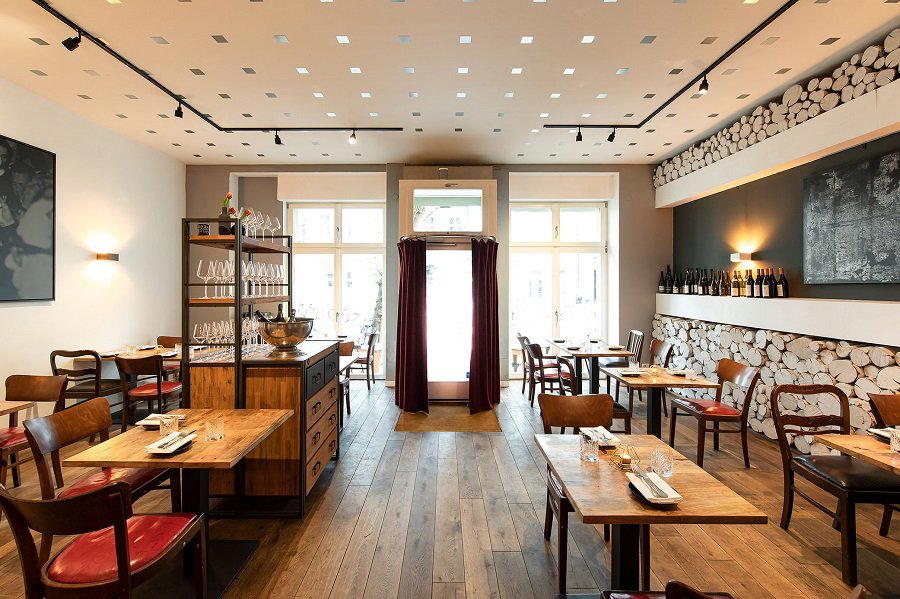
Rustic atmosphere with exposed brick, carefully designed lighting, and a chilled yet energetic vibe.