Our verdict
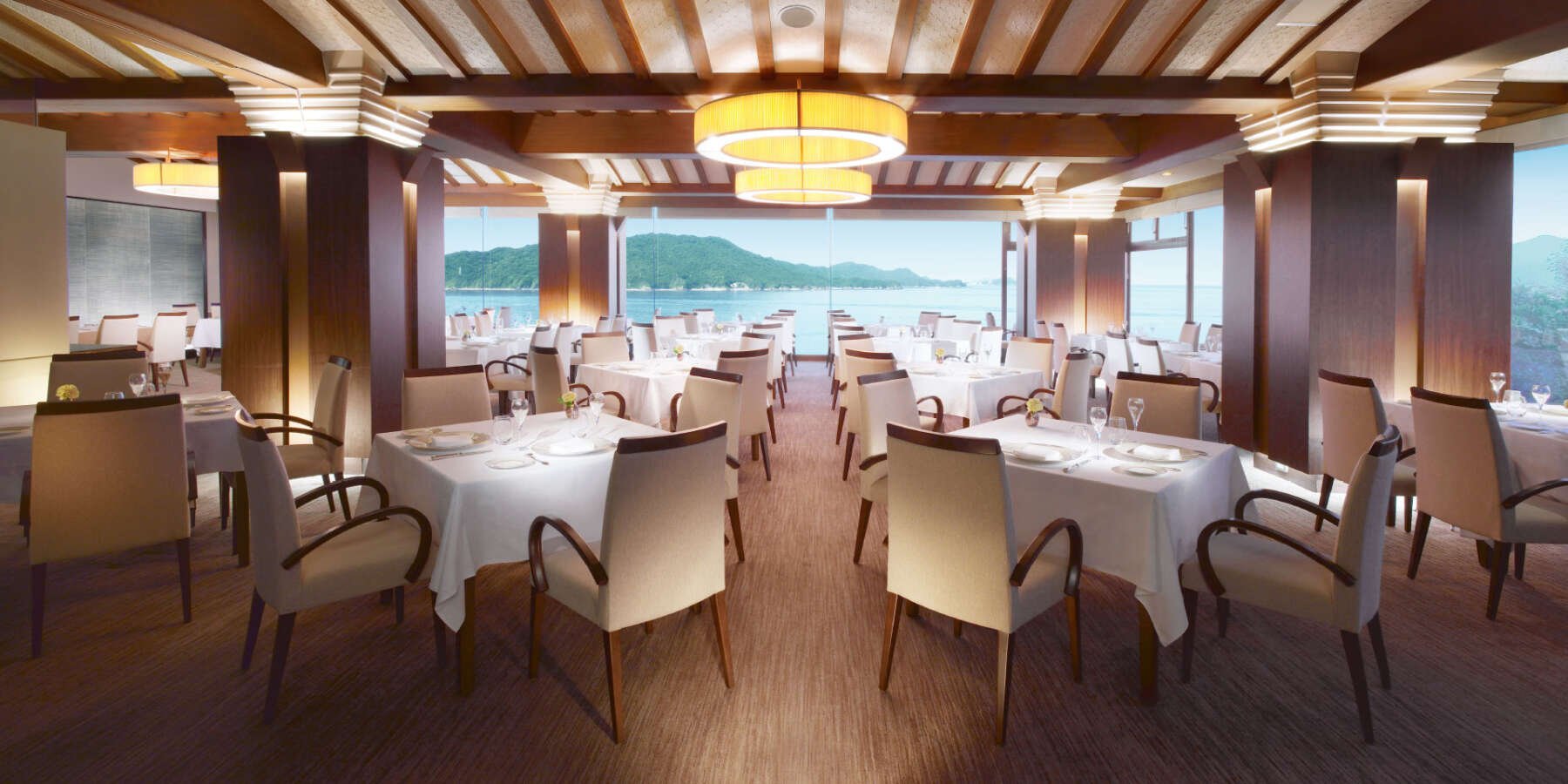
メインダイニング シーホース occupies the ground floor of Toba's Kokusai Hotel Ocean Wing, positioning it within a coastal dining tradition shaped by Ise-Shima's celebrated seafood culture. The restaurant sits at the point where resort hotel dining meets the Mie Prefecture fishing heritage, a combination that gives coastal Japan's hotel restaurants their particular character. Check directly with the hotel for current hours and reservation availability.

Pearl is the En Primeur Club membership app, where members save venues, book tables and use the concierge.
The menu
What to order
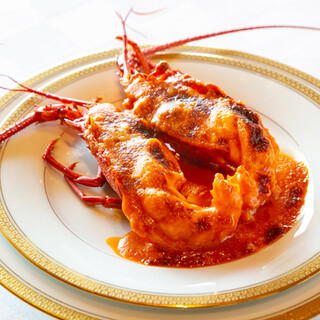
- Lobster Bisque
- Bouillabaisse Course
- Seafood Thai Curry
Where Ise-Shima's Seafood Culture Meets the Hotel Dining Room
Toba sits at the edge of Ise Bay, inside a peninsula that has defined Japan's relationship with the sea for centuries. The Shima region, of which Toba is the northern gateway, is the source of some of the country's most prized seafood: Ise ebi (spiny lobster), abalone harvested by ama divers, and shellfish from the bay's protected inlets. Hotel restaurants in this coastal corridor occupy a distinct position in Japan's dining geography, they are rarely fine dining in the metropolitan sense, but at their strongest they function as curated entry points into a regional seafood tradition that visitors otherwise encounter piecemeal across market stalls and ryokan breakfasts. Our full Toba restaurants guide maps that broader picture across the city's dining options.
メインダイニング シーホース (Main Dining Seahorse) occupies the ground floor of the Kokusai Hotel Ocean Wing at 1 Chome-23-1 in central Toba. The address places it within easy reach of the Toba waterfront and the city's primary tourist infrastructure, including Mikimoto Pearl Island and the ferry connections to Kashikojima. For a hotel restaurant in a coastal resort city, that positioning matters: the dining room functions as much as a base of operations for visiting the peninsula as it does as a destination in its own right.
The Cultural Weight of Coastal Hotel Dining in Japan
Japan's resort hotel restaurants are often underestimated by travellers who arrive expecting the country's kaiseki grandeur or the precision of its urban sushi counters. The reality is more layered. In fishing regions like Mie, the hotel dining room has historically served a different function: it translates local catch into a format accessible to guests unfamiliar with regional specialties, while simultaneously preserving the seasonal logic that governs what the sea provides. This is the tradition シーホース operates within.
Mie Prefecture's seafood credentials are not incidental. The prefecture produces more cultivated oysters than almost any other region in Japan, and its Ise ebi season, running roughly from October through April, draws visitors from across the country specifically for the lobster. The ama diving tradition, centred on the Shima coastline, has been documented for over a thousand years and remains active today, supplying abalone and sea urchin to the region's kitchens. A hotel restaurant positioned at the Toba end of this geography inherits that supply chain by proximity, even if the menu format differs substantially from a specialist seafood restaurant. The cultural context that produces this kind of dining in Japan is worth comparing against what you find in other coastal regions: where Le Bernardin in New York City operates as a pinnacle fine-dining seafood institution, the Mie hotel dining tradition is less about pinnacle performance and more about reliable access to seasonal regional product.
Situating シーホース Within Japan's Wider Dining Geography
Japan's most celebrated restaurants sit in its three major metropolitan centres. HAJIME in Osaka represents the country's innovative French tier. Harutaka in Tokyo operates within the upper bracket of the capital's omakase sushi scene. Gion Sasaki in Kyoto anchors Kyoto kaiseki at its most serious. These are the reference points that shape international expectations of Japanese dining, and they operate in a different competitive set entirely from a regional hotel restaurant in Toba.
But Japan's dining geography is not exclusively metropolitan. The country has a developed tradition of regional destination restaurants that draw visitors to smaller cities and coastal towns: Goh in Fukuoka draws food-focused travellers south, and akordu in Nara demonstrates how a non-urban setting can still support serious cooking. In the Tokai and Kinki coastal belt, comparable coastal hotel dining experiences include properties across the Shima Peninsula and down through the Kii coastline, venues like bodai in the Nachi Katsuura area operate in related coastal dining territory. Within Toba itself, Yakatabune Okita represents a different format for experiencing the bay's seafood, aboard a traditional Japanese houseboat rather than in a hotel dining room.
The distinction between these formats is instructive. A yakatabune dining experience orients itself around the act of being on the water, with the setting as central to the offering as the food. A hotel main dining room like シーホース sits within a different register, one oriented toward comfort, service consistency, and broader accessibility. Neither is superior; they answer different questions about how to spend an evening in Toba.
What the Setting Implies
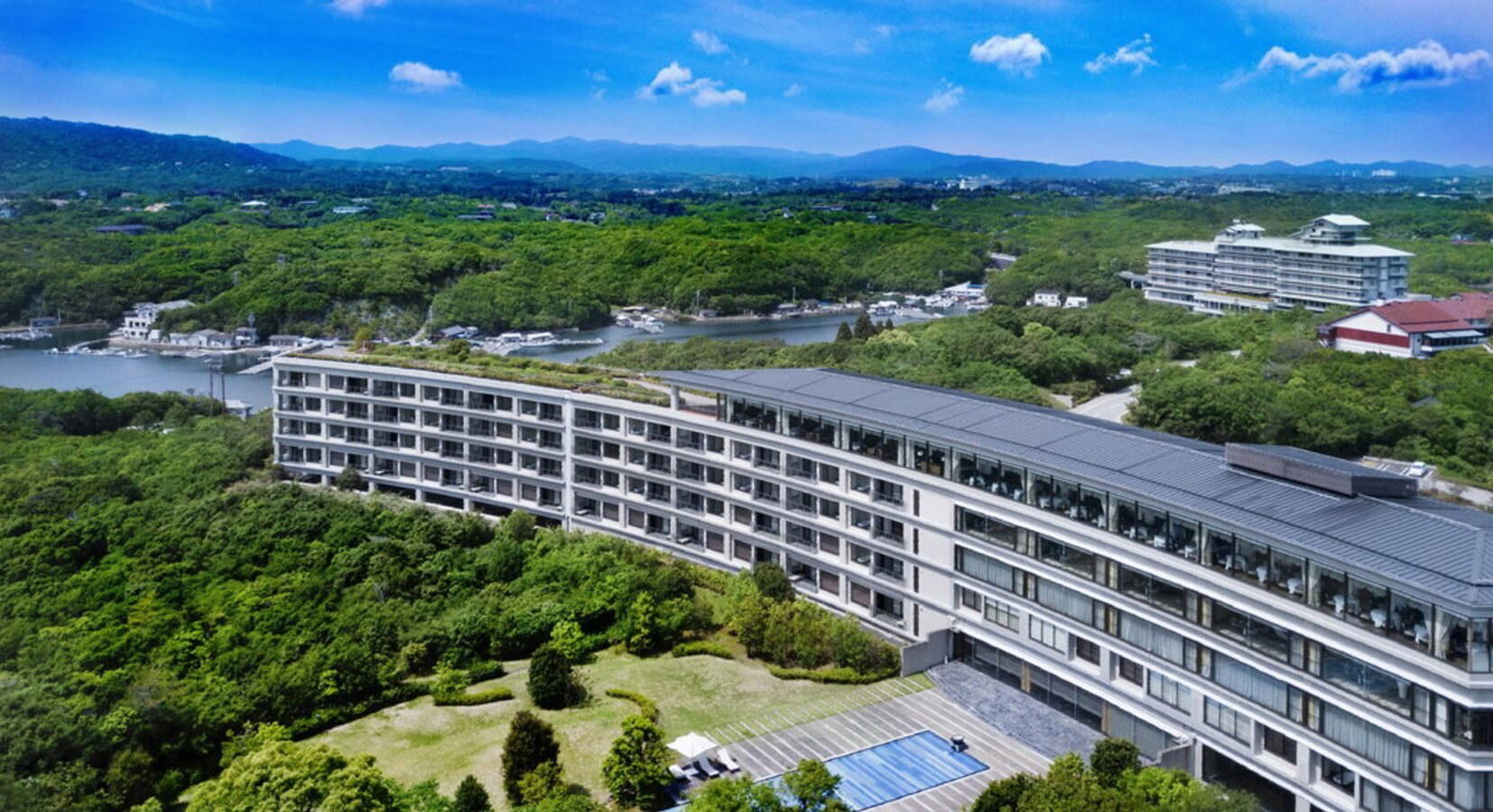
The Ocean Wing address at the Kokusai Hotel suggests a property designed around its waterfront orientation. Kokusai (国際), meaning international, signals a hotel built for a generation of Japan's domestic resort travel boom, when Toba and the Shima Peninsula were primary destinations for honeymooners and family groups from the Nagoya and Osaka metropolitan areas. These hotels built dining rooms scaled to their guest populations, with formats ranging from teppanyaki stations to buffet arrangements and a-la-carte main dining rooms. シーホース appears to occupy the main dining room position within that structure.
Hotel main dining rooms in this tier typically serve breakfast through dinner, adjusting format and scale across service periods. For travellers arriving in Toba as a base for exploring the Ise Grand Shrine complex (a roughly 40-minute drive north), Pearl Island, or the Mikimoto Museum, the hotel dining room functions as a practical anchor rather than a destination in itself. That is not a diminishment, the leading regional hotel restaurants in Japan perform exactly this role with considerable skill, drawing on local suppliers and seasonal menus to give guests a credible encounter with the region's food culture without requiring specialist knowledge or advance research. For context on how similar coastal dining dynamics play out elsewhere in the broader Japan Sea and Pacific coastal belt, venues like 湖畔荘 in Takashima and 夕日ヶ丘之 in Sapporo offer reference points from different coastal and lakeside contexts.
Planning Your Visit
Hotel restaurants in Japanese resort properties typically require dinner reservations, particularly during the Ise ebi season from October through April, when coastal Mie sees its highest domestic visitor volumes. Travelling outside peak season, including the quieter months of June through August when summer humidity reduces domestic leisure travel, often means easier access. For travellers building a broader Mie itinerary, combining Toba with the restaurant options in Ise city to the north and the more remote Kii Peninsula coastline to the south gives the most complete picture of what this prefecture's food geography offers. Additional regional context across central Japan's hotel and restaurant scenes can be found through comparisons with Bistro Ange in Toyohashi and Atomix in New York City for those calibrating expectations across different dining registers before travelling.
Frequently asked questions
Is メインダイニング シーホース okay with children?
The restaurant sits within the Kokusai Hotel's Ocean Wing in Toba, a resort property that typically accommodates families travelling to the Ise-Shima coast. That hotel context generally makes children a reasonable fit, though diners should confirm directly with the property before booking, as dining room policies vary by service period and table configuration.
Is メインダイニング シーホース formal or casual?
As the main dining room of the Kokusai Hotel Ocean Wing, シーホース occupies the more considered end of hotel dining, a step above the property's casual outlets without demanding the strict dress codes of metropolitan kaiseki counters. The Toba resort setting and the coastal hotel format both point toward relaxed but presentable attire, though nothing in the publicly confirmed record specifies a dress code.
Does メインダイニング シーホース reflect the regional seafood traditions of Ise-Shima?
Toba sits at the geographic heart of Ise-Shima, a coastline with one of Japan's longest documented ama diving traditions and a marine culture that predates modern restaurant formats entirely. A main dining room at the Kokusai Hotel Ocean Wing, directly facing Ise Bay, is positioned to draw on that regional identity in a way that inland city restaurants cannot replicate by geography alone. For specifics on how the kitchen interprets local ingredients, the Kokusai Hotel is the confirmed point of contact.
What do regulars order at メインダイニング シーホース?
Toba's position on Ise Bay places it at the centre of one of Japan's most prized seafood corridors, where ama divers have harvested abalone, spiny lobster, and turban shell for generations. Contact the Kokusai Hotel directly for current menu details.
How do I find メインダイニング シーホース?
メインダイニング シーホース is located at Japan, 〒517-0011 Mie, Toba, 1 Chome−23−1 国際ホテル オーシャンウィング 1F, Toba.
How hard is it to get a table at メインダイニング シーホース?
Booking ahead through the Kokusai Hotel is advisable during those windows, particularly for weekend dinners in the Ocean Wing.
Booking and Cost Snapshot
Comparable venues nearby, for context on price, style, and recognition.
| Venue | Cuisine | Price | Awards | Notes |
|---|---|---|---|---|
| メインダイニング シーホースThis venue (the venue you are viewing) | Resort French with Local Seafood | $100–150 | Not listed | Not listed |
| Teppanyaki Toba Bettei Hanagoyomi | Upscale Teppanyaki in Toba | $150–200 | Tabelog 100 #80 | Toba, Upscale Teppanyaki in Toba |
| 海女小屋 はちまんかまど | Ama Diver Seafood Grill | $30–50 | Not listed | 相差町, Ama Diver Seafood Grill |
| Nishimura Shokudo | Japanese Seafood Cafeteria | Not listed | Tabelog 100 #57 | Ijikacho, Japanese Seafood Cafeteria |
| Yakatabune Okita | Traditional Japanese Seafood Yakatabune | $30–50 | Not listed | Toba, Traditional Japanese Seafood Yakatabune |
| L'atelier K | French Teppanyaki | $100–150 | Tabelog 100 #58 | Higashi, French Teppanyaki |
Continue exploring
More in Toba
Details
- Elegant
- Scenic
- Sophisticated
- Special Occasion
- Date Night
- Family
- Waterfront
- Hotel Restaurant
- Open Kitchen
- Sake Program
- Craft Cocktails
- Local Sourcing
- Sustainable Seafood
- Waterfront
- A La Carte
- Prix Fixe
- Sake Program
- Wine
- Vegetarian Friendly
Current opening hours
- Monday
- 7–10 AM, 11:30 AM–1:30 PM, 5:30–8:30 PM
- Tuesday
- 7–10 AM, 11:30 AM–1:30 PM, 5:30–8:30 PM
- Wednesday
- 7–10 AM, 11:30 AM–1:30 PM, 5:30–8:30 PM
- Thursday
- 7–10 AM, 11:30 AM–1:30 PM, 5:30–8:30 PM
- Friday
- 7–10 AM, 11:30 AM–1:30 PM, 5:30–8:30 PM
- Saturday
- 7–10 AM, 11:30 AM–1:30 PM, 5:30–8:30 PM
- Sunday
- 7–10 AM, 11:30 AM–1:30 PM, 5:30–8:30 PM
Hours can change for holidays and private events. Hours as of .
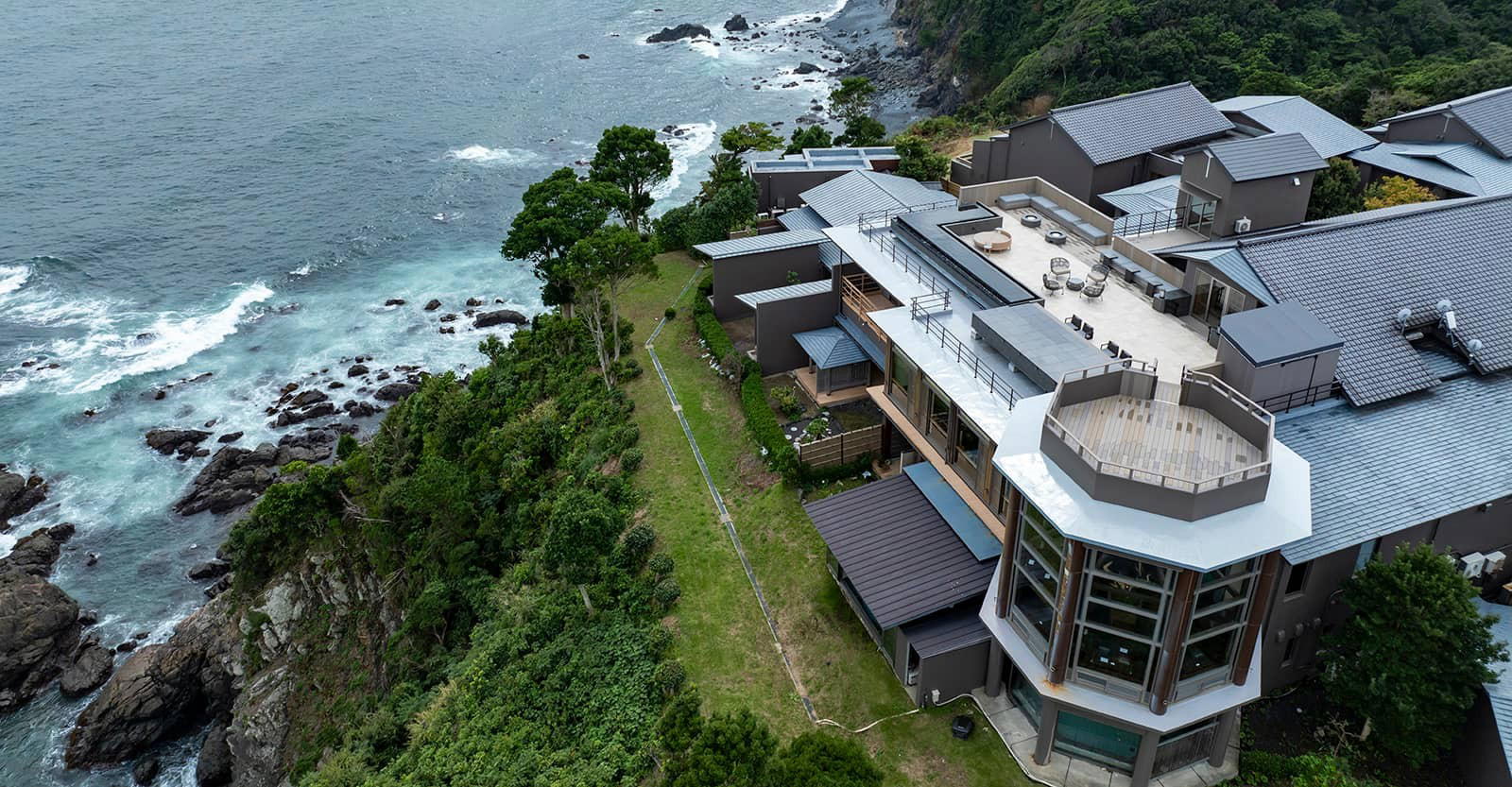
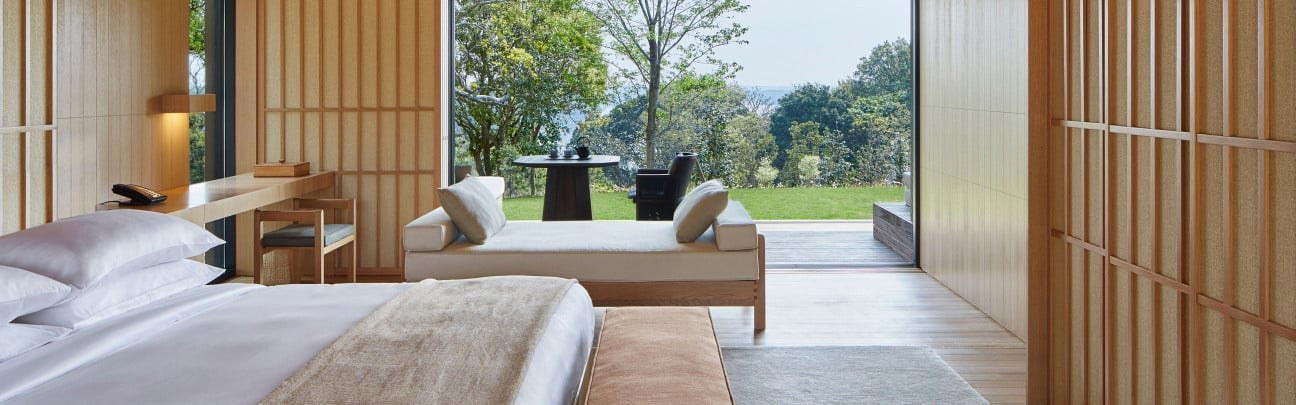
Ocean-enveloped space with far-reaching sea views, elegant atmosphere well-suited for sunset dinners.