
Nagoya’s teppanyaki scene rewards small counters, wine-led pacing, and the close choreography of cooking in front of the guest. L'atelier K sits in that intimate bracket: a seven-seat counter in Higashisakura with French, steak, and teppanyaki cues, Tabelog 100 Steak / Teppanyaki EAST selections in 2024 and 2025, and a format that suits diners who plan around the room rather than the other way round.
Pearl is the En Primeur Club membership app — saves, bookings, and concierge access live there. Same editors, same standards.
- Address
- Japan, 〒461-0005 Aichi, Nagoya, Higashi Ward, Higashisakura, 2 Chome−12−22 水谷ビル 2F
- Phone
- +81 52-936-8555
- Website
- latelier.jp
 Saves & bookings on Pearl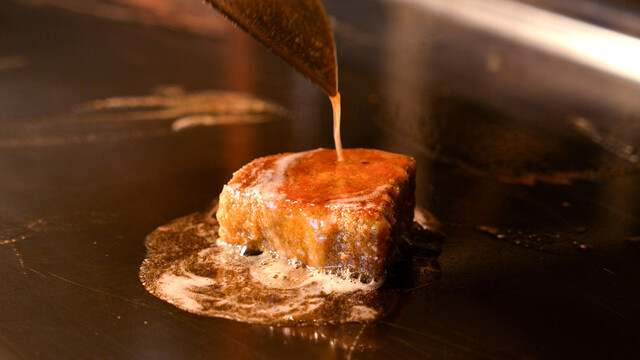
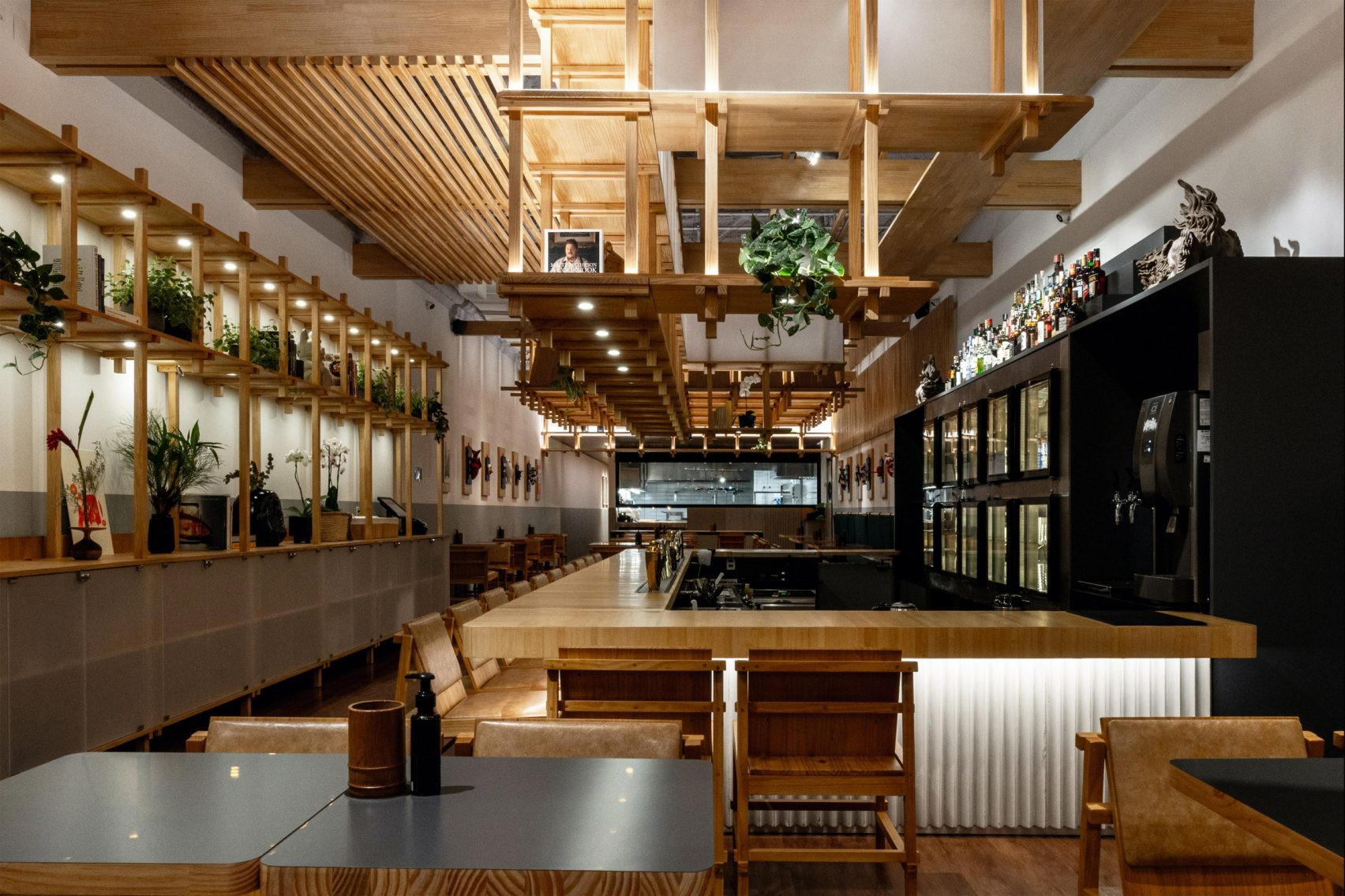
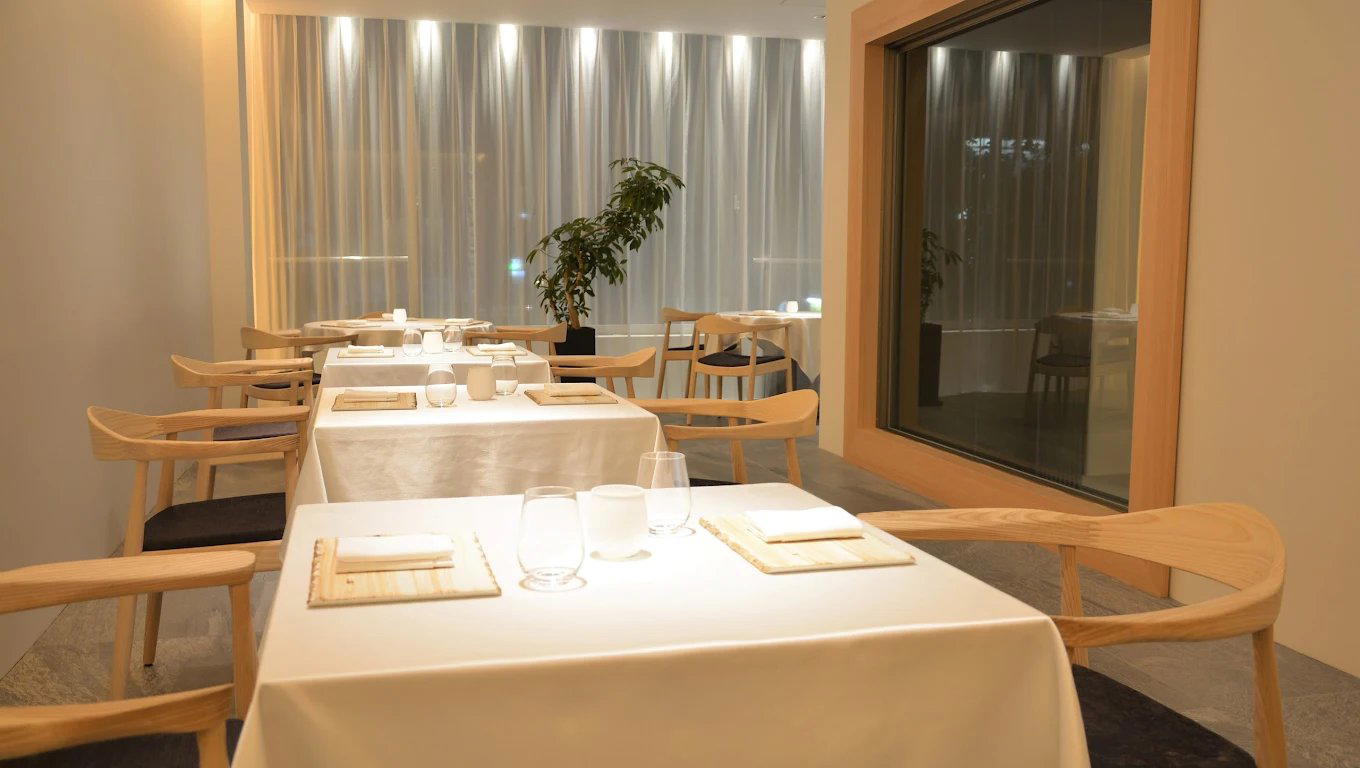
Higashisakura is not Nagoya’s loudest dining quarter, and that is part of the appeal. It works at a lower volume than station-side hotel restaurants and Sakae’s late-night crush: office blocks, small buildings, and second-floor rooms where a serious dinner can unfold without street theatre. Here, the counter matters. Teppanyaki at this level is less spectacle than proximity, close enough to read the rhythm of the grill, wine service, and pacing between French technique and Japanese beef culture.
L'atelier K belongs to the compact end of that category. The room has seven counter seats, a scale that changes the dining equation. It does not behave like a casual walk-in restaurant or a hotel teppan room designed for turnover. It sits on the planning-first side of Nagoya dining: fixed format, few covers, and the expectation that the evening has been chosen with intent.
A seven-seat teppan counter with French grammar
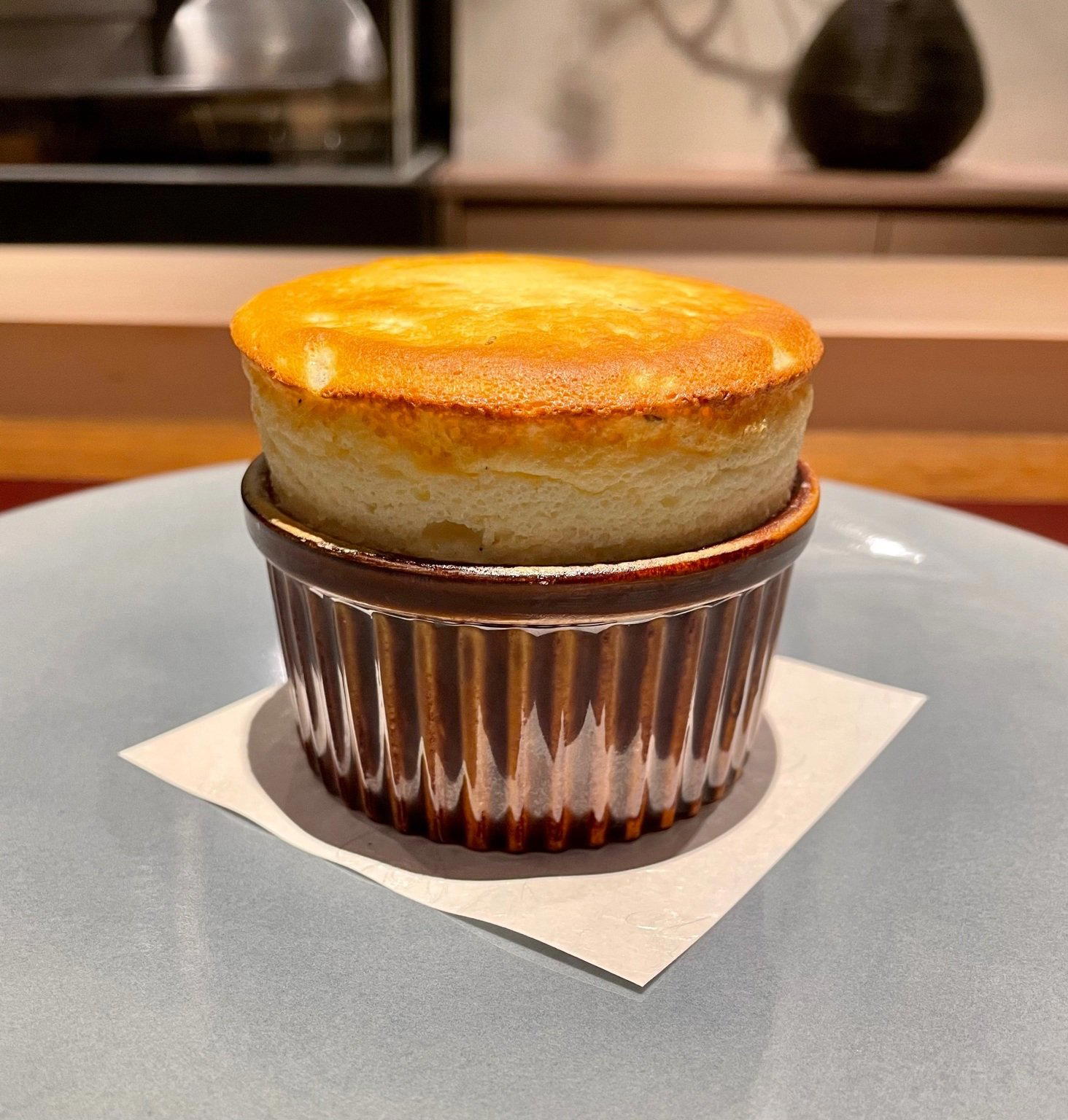
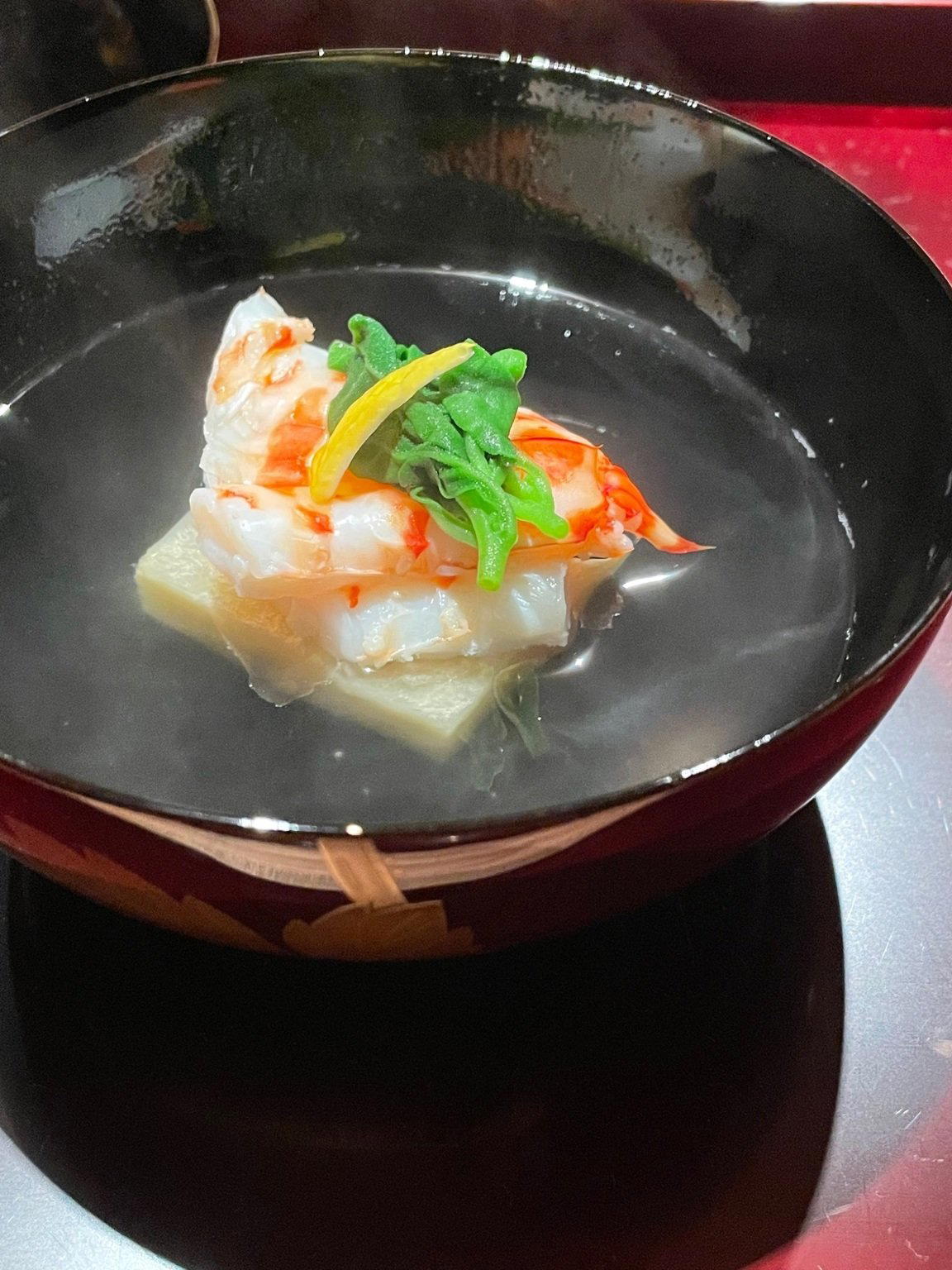
Nagoya’s premium meat culture often moves between yakiniku, sukiyaki or shabu-shabu, and teppanyaki. Teppanyaki occupies the performative middle ground, but stronger counters increasingly borrow from French structure rather than relying on beef alone as a luxury signal. L'atelier K is listed across teppanyaki, French, and steak, placing it in that hybrid lane: iron-plate cooking, Western sequencing, and wine as part of the frame rather than an afterthought.
That distinction matters when choosing a format. Yakiniku gives control to the diner; a teppanyaki counter gives it back to the kitchen. A French-leaning teppan room adds sequence, sauce work, and wine service that can carry richer courses. The restaurant’s wine emphasis and sommelier availability reinforce that reading. This is not for a quick beef fix between trains; choose it when the counter itself is the point.
The external recognition is specific. Selection for Tabelog 100 Steak / Teppanyaki EAST in both 2024 and 2025 places the restaurant in a national conversation around steak and teppanyaki, not just Nagoya’s local dining circuit. Its Tabelog score of 3.61 is another useful signal in Japan, where scoring is conservative and category lists matter to domestic diners. Awards do not guarantee a meal’s emotional temperature, but here they identify the field: small-format Japanese teppan cooking precise enough to sit alongside other serious eastern Japan specialists.
Why the booking defines the meal
The seven-seat scale is the central practical fact, even before menu preference. Small counters compress demand, especially with recent category recognition and a special-occasion format. For visitors building a Nagoya itinerary, the meal should anchor the evening rather than fill a spare slot. Teppanyaki also rewards punctuality more than many à la carte restaurants, because counter pacing depends on the room moving in a tight rhythm.
Another planning detail matters: lunch has been scheduled to end, with dinner becoming the focus from May. That shift pushes the restaurant further into evening-occasion territory and reduces its role in flexible daytime itineraries. In a city where travelers split meals between station convenience, Sakae nightlife, and destination counters, this booking should sit on the calendar before the rest of the night is arranged.
The scent etiquette is worth respecting. The restaurant asks guests to refrain from excessive perfume, a common request at high-touch Japanese counters where aroma, heat, wine, and close seating share the same small airspace. This is not fussy; it is part of the social contract of counter dining. In a seven-seat room, one guest’s fragrance can affect everyone’s meal and the sommelier’s wine work.
Compared with Nagoya meat options such as Yakiniku Asahi or Teppan Ryori Rakuda Nagoya ten, the decision is not simply whether to eat beef. It is whether the guest wants a controlled counter format with French and wine cues, rather than a broader, more flexible meat restaurant. Pizza BURDE sits in a different price and mood entirely, while Shinzenbi and マスドラヴァンド show how scattered Nagoya’s serious dining can feel outside obvious visitor corridors. L'atelier K is for diners who accept less flexibility in exchange for a narrower, more deliberate format.
Where it fits in a Nagoya dining plan
Nagoya is often flattened into shorthand: miso katsu, hitsumabushi, kishimen, and station-adjacent convenience. Those foods are essential to the city’s identity, but they do not explain smaller premium rooms operating between local regulars and research-driven visitors. Higashisakura, close to the Takaoka and Shinsakae area, suits that second Nagoya: less postcard-ready, better for grown-up dinners where value lies in concentration rather than scale.
For a first serious dinner in the city, the restaurant makes sense when the itinerary already includes Nagoya’s everyday food elsewhere. It is not the place to understand the casual canon; it shows how Nagoya handles a polished counter genre that Tokyo and Osaka travelers may already know. The better comparison is with other Japanese small counters where capacity, wine attention, and recognition narrow access.
Readers mapping the city can use Our full Nagoya restaurants guide for the broader dining spread, with nearby restaurant references including 1022, 451, Aaron, Alan., and All Day Dining Montmartre. For the rest of the trip, Our full Nagoya hotels guide, Our full Nagoya bars guide, Our full Nagoya wineries guide, and Our full Nagoya experiences guide help separate a one-night stop from a properly planned stay.
For travelers comparing Japanese dining formats beyond Nagoya, useful contrasts include beef-focused regional meals such as -Grilled beef Sukiyaki- KAMAKURA TANUKIAN 鎌倉 たぬき庵 in Kamakura, casual city entries like. 鮪と炭火焼き うお炭 秋葉原店 in Tokyo.cafe in Osaka.know in Kumamoto, (Shoku) Vietnam in Kawasaki, and [Curry Senmon Ten] Maruyama Kyoju. in Sapporo. Outside Japan, Jōdo Saké Bar in Los Angeles and Onigiri Time in Pasadena show how Japanese formats travel, though neither replaces the discipline of a small teppan counter in its home context.
The editorial case is clear: choose the restaurant for a compact teppanyaki dinner where room size, wine orientation, and Tabelog category recognition align. Skip it if the night calls for spontaneity, a large group, or a broad vegetarian meal. Nagoya has plenty of food with louder reputations; this is a quieter, more exacting reservation.
What It’s Closest To
Comparable venues for orientation by cuisine and category.
| Venue | Cuisine | Price | Notes |
|---|---|---|---|
| L'atelier KThis venue — the venue you are viewing | French Teppanyaki | $$$ | Not listed |
| ル・タン・ペルデュ | Modern Natural French | $$$ | Naka |
| ラ・ヴァガボンド | Modern Artistic French Fine Dining | $$$ | Naka |
| restaurant.m | Modern French | $$$ | Naka |
| Bistrot L'Ampoule | Seasonal French Bistrot with Natural Wine | $$$ | Naka |
| Salamanger de Casino | French bistro | $$$ | Nakamura |
Recognition history
Dated appearances from independent guides and award organizations, with the underlying list record or original source where available.
Tabelog 100 #58 · No. 58
Tabelog · Tabelog 100 - Steak / Teppanyaki - EAST - 2025
Continue exploring
More in Nagoya
Restaurants in Nagoya
Browse all →

At a Glance
- Cozy
- Intimate
- Sophisticated
- Romantic
- Date Night
- Special Occasion
- Business Dinner
- Group Dining
- Chefs Counter
- Open Kitchen
- Standalone
- Natural Wine
- Sommelier Led
- Natural Wine
- Local Sourcing
Current opening hours
- Monday
- Closed
- Tuesday
- 6 PM–12 AM
- Wednesday
- 6 PM–12 AM
- Thursday
- 6 PM–12 AM
- Friday
- 6 PM–12 AM
- Saturday
- 6 PM–12 AM
- Sunday
- Closed
Hours can change for holidays and private events. Last verified .
A calm, adult hideaway with a tucked-away, private feel and counter seating that supports a quiet, special-occasion atmosphere.