
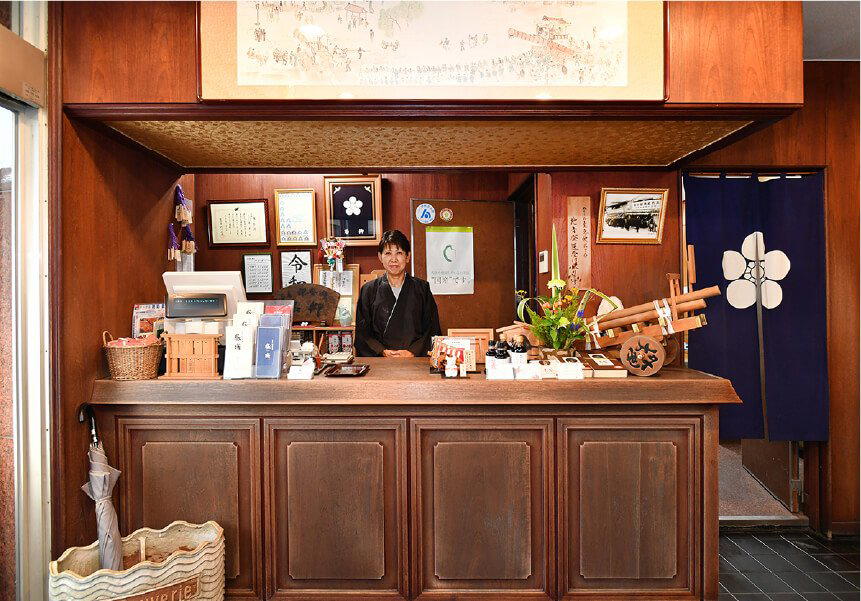
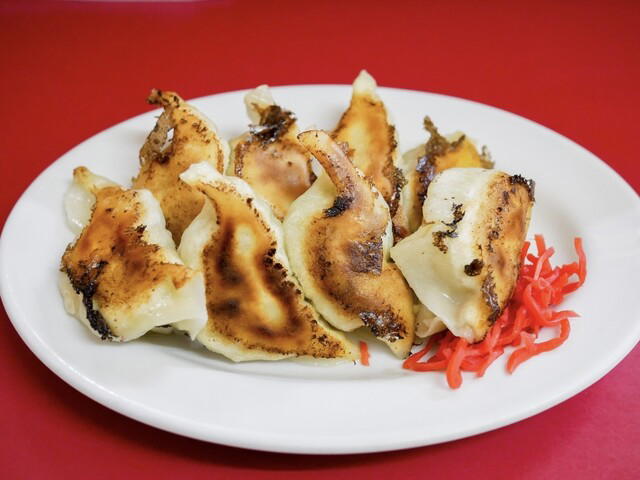
Nishimura Shokudo belongs to Toba’s coastal cafeteria tradition rather than the resort-dining tier: seafood-led, informal, and shaped by proximity to Mie’s working harbours. Its Tabelog 100 Diner selections in 2024 and 2026 give the room a national signal without changing the essential appeal, which is local seafood in a plain-spoken shokudo format.
Pearl is the En Primeur Club membership app — saves, bookings, and concierge access live there. Same editors, same standards.
- Address
- 336-1 Ijikacho, Toba, Mie 517-0026, Japan
- Phone
- +81 599-32-5578
- Website
- tabelog.com
- Directions
- Get directions
 Saves & bookings on Pearl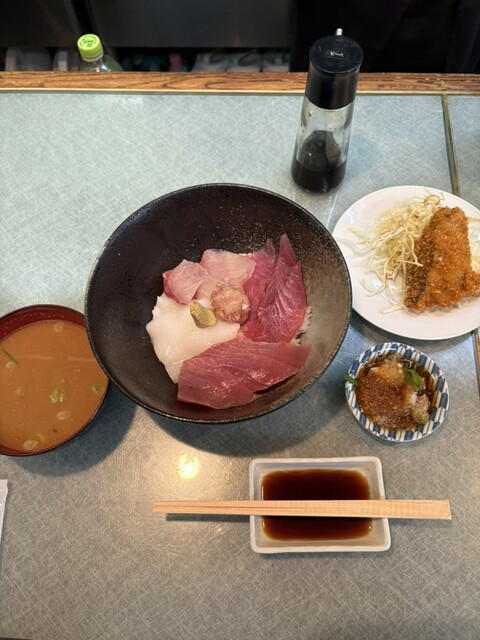
Approaching the Ijika side of Toba, the city’s dining culture starts to feel less like a resort circuit and more like a working coastline. The conversation here is not about ceremony, table linen, or chef counter theatre. It is about the daily logic of Mie seafood: what comes from nearby waters, how simply it can be served, and why a cafeteria can carry more local meaning than a formal dining room.
Nishimura Shokudo sits squarely in that tradition. Tabelog places it in the cafeteria and seafood categories, and its selection for Tabelog 100 Diner in 2024 and 2026 matters because the list usually rewards everyday Japanese formats that travellers can overlook when chasing dégustation rooms. In Toba, that distinction is useful. The city has polished hotel dining, boat-based meals, and high-spend beef counters, but the shokudo lane reads the coast from a different angle.
Seafood here belongs to the shokudo tradition, not the luxury script
Toba’s reputation has long been tied to the sea: Ise-Shima’s bays, culture, ama diving history, and a coastline where shellfish and fish are not decorative menu language but part of the region’s everyday economy. A seafood cafeteria in this setting carries a different charge from a city restaurant importing coastal atmosphere. The value is in proximity and format: casual service, direct cooking, and a menu vocabulary that makes sense in a fishing town.
That is the editorial point of Nishimura Shokudo. It is not trying to compete with the premium resort model. It belongs to the kind of Japanese dining where the room, the category, and the cooking all point toward local supply rather than luxury signalling. A Tabelog score of 3.63 and repeat Hyakumeiten recognition put it above ordinary convenience dining, but the underlying grammar remains shokudo: accessible, seafood-focused, and grounded in place.
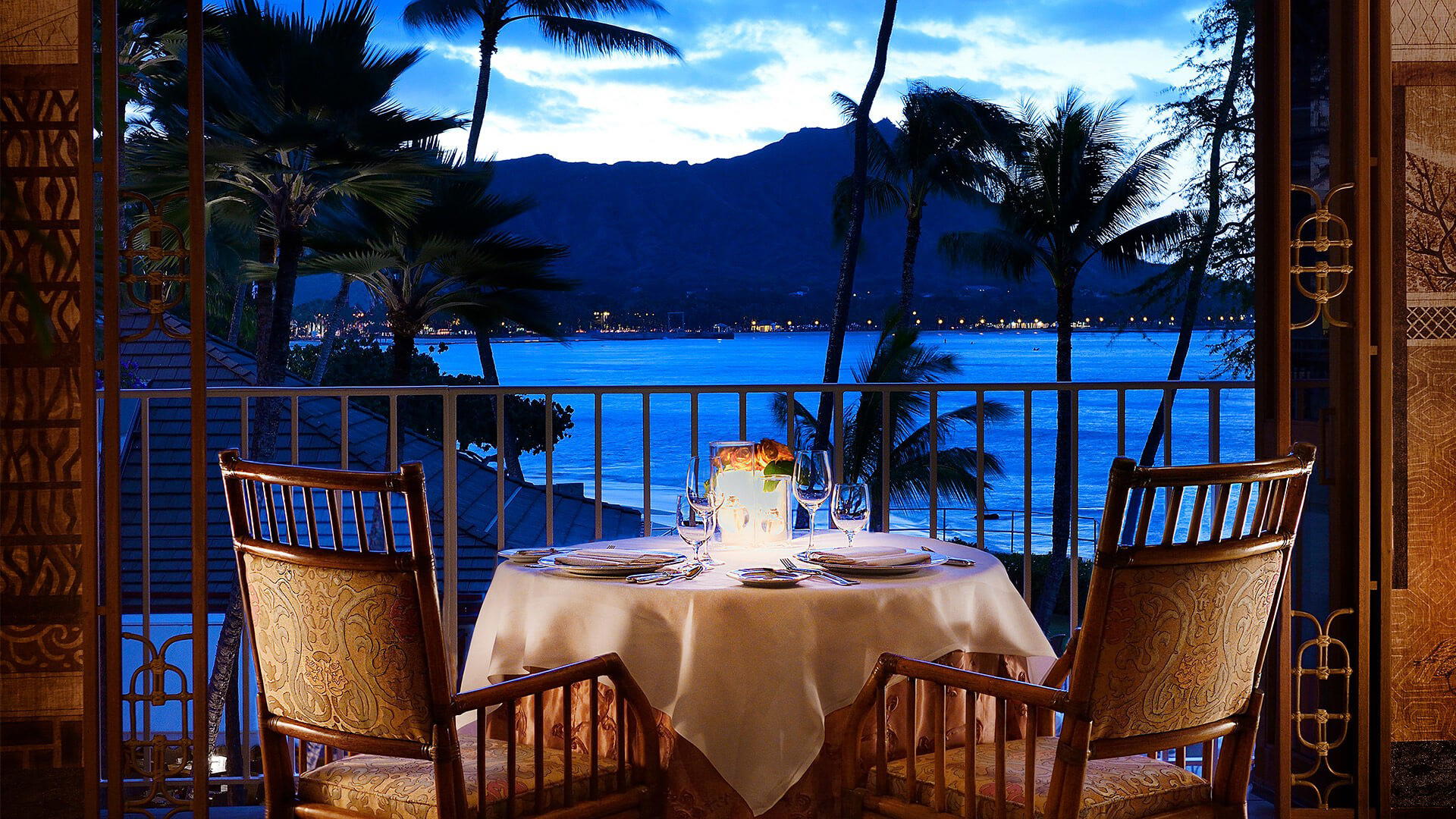
For travellers comparing Toba options, the contrast is sharp. Teppanyaki Toba Bettei Hanagoyomi represents the city’s high-spend beef counter lane. Yakatabune Okita shifts the meal onto the water, where setting becomes part of the format. メインダイニング シーホース belongs to Toba’s hotel dining orbit. Against those, a cafeteria-seafood room is the lower-formality reading of the same coastal identity.
What the recognition says about everyday dining in Mie
Japan’s dining hierarchy is often misunderstood from outside the country. Michelin and hotel rankings capture one part of the market; Tabelog’s Hyakumeiten lists often catch another, especially regional shops where repetition, local approval, and format discipline matter. Selection for Tabelog 100 Diner in 2026 does not turn a cafeteria into a fine-dining venue. It signals that the room has been noticed within a national frame for a category that depends on consistency rather than spectacle.
That distinction is useful in Mie. The prefecture’s food identity is not only Ise ebi, Matsusaka beef, and formal ryokan dinners. It also includes practical dining rooms that serve residents, day-trippers, and friends travelling in small groups. The shokudo format compresses that culture into something legible: seafood as lunch or dinner, not as a staged performance. Nishimura Shokudo’s repeat listing in 2024 and 2026 gives outside visitors a reason to take that format seriously.
The sourcing angle is also where Toba separates itself from larger urban seafood scenes. In Tokyo or Osaka, seafood restaurants often communicate quality through market access, counter technique, or luxury ingredients. In Toba, the argument can be simpler: the restaurant is eating from a coast that is part of the city’s identity. That does not require a named signature dish to be convincing. The category, location, and recognition already explain why seafood is the central decision.
How to place it in a Toba itinerary
This is a better fit for travellers who want the coastal vernacular of Toba than for those seeking a long, choreographed meal. The room’s public positioning points to friends and casual groups, and the practical signals support that reading: non-smoking, no private rooms, no private-use format, parking available, and cash-oriented payment. Those details matter because they keep expectations aligned with the shokudo category rather than the hotel-restaurant category.
A useful Toba dining plan can hold more than one register. Pair a seafood cafeteria meal with one polished hotel dinner, a boat-format meal, or a teppanyaki counter if the trip is built around comparison. For citywide context, see Our full Toba restaurants guide, then map the wider stay through Our full Toba hotels guide, Our full Toba bars guide, Our full Toba wineries guide, and Our full Toba experiences guide. The point is not to rank the city’s formats against one another, but to read how each one expresses the same coastal setting.
For a broader Japan comparison, the same editorial logic applies across categories: regional cooking often makes its case through format rather than polish. A beef-focused meal such as -Grilled beef Sukiyaki- KAMAKURA TANUKIAN 鎌倉 たぬき庵 in Kamakura, seafood and charcoal dining at. 鮪と炭火焼き うお炭 秋葉原店 in Tokyo, casual café culture at.cafe in Osaka, and contemporary regional rooms such as.know in Kumamoto all show how category shapes expectation before the first plate arrives.
The same is true outside the obvious Japanese seafood lane. (Shoku) Vietnam in Kawasaki reflects the city-restaurant reading of Vietnamese cooking; [Curry Senmon Ten] Maruyama Kyoju. in Sapporo shows how a specialist format can define a meal; [ki:] in Kyoto sits in a more design-conscious dining register; and #肉といえば松田 奈良本店 in Kashihara makes meat the main event. Across the Pacific, Jōdo Saké Bar in Los Angeles and Onigiri Time in Pasadena show how Japanese formats shift when transplanted. Toba’s version is less about translation. It is about eating seafood where the sea remains close enough to set the terms.
Fast Comparison
Comparable venues by cuisine and price in the same metro.
| Venue | Cuisine | Price | Notes |
|---|---|---|---|
| Nishimura Shokudo | Japanese Seafood Cafeteria | $$ | Ijikacho |
| 海女小屋 はちまんかまど | Ama Diver Seafood Grill | $$ | 相差町 |
| Teppanyaki Toba Bettei Hanagoyomi | Upscale Teppanyaki in Toba | $$$$ | Toba |
| Yakatabune Okita | Traditional Japanese Seafood Yakatabune | $$ | Toba |
| メインダイニング シーホース | Resort French with Local Seafood | $$$ | Toba |
| Aotsuka Shokudo | Traditional Hokkaido Grilled Seafood | $$ | Shukutsu |
Recognition history
Dated appearances from independent guides and award organizations, with the underlying list record or original source where available.
Tabelog 100 #57 · No. 57
Tabelog · Tabelog 100 - Diner - 2026
At a Glance
- Cozy
- Rustic
- Lively
- Family
- Group Dining
- Casual Hangout
- Solo
- Standalone
- Local Sourcing
- Sustainable Seafood
Current opening hours
- Monday
- 11 AM–7 PM
- Tuesday
- 11 AM–7 PM
- Wednesday
- 11 AM–7 PM
- Thursday
- Closed
- Friday
- 11 AM–7 PM
- Saturday
- 11 AM–7 PM
- Sunday
- 11 AM–7 PM
Hours can change for holidays and private events. Last verified .
Casual, unpretentious, and lively seafood-diner atmosphere with a local neighborhood feel.