
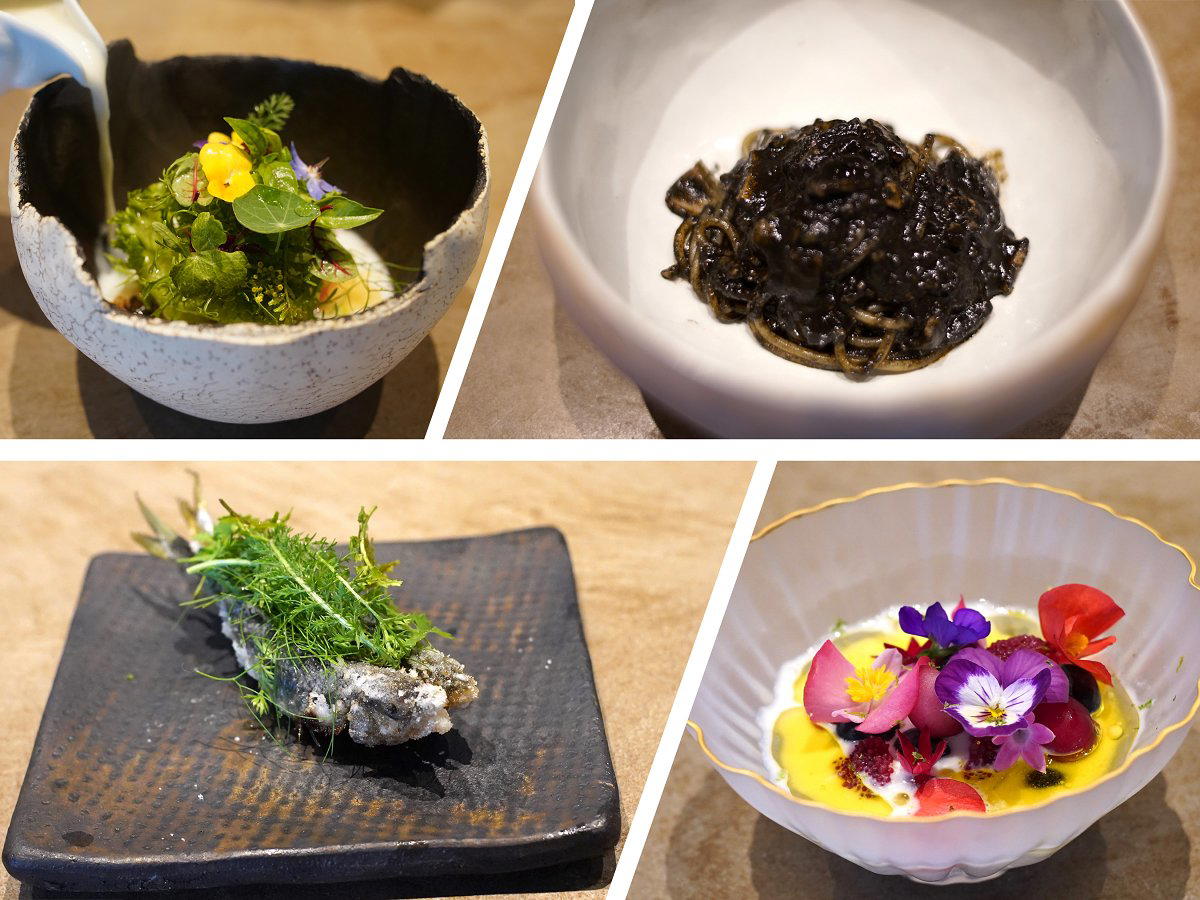
Kochi’s drinking food is inseparable from the Pacific-facing larder, and Kuroson belongs to the serious end of that izakaya tradition. The draw is fish-led regional cooking, sake and shochu, and a compact 30-seat format recognized by Tabelog 100 Izakaya WEST 2025 and the Tabelog Award 2022 Bronze.
Pearl is the En Primeur Club membership app — saves, bookings, and concierge access live there. Same editors, same standards.
- Address
- 3 Chome-4-18 Honmachi, Kochi, 780-0870, Japan
- Phone
- +81 88-873-2624
- Website
- tabelog.com
 Saves & bookings on Pearl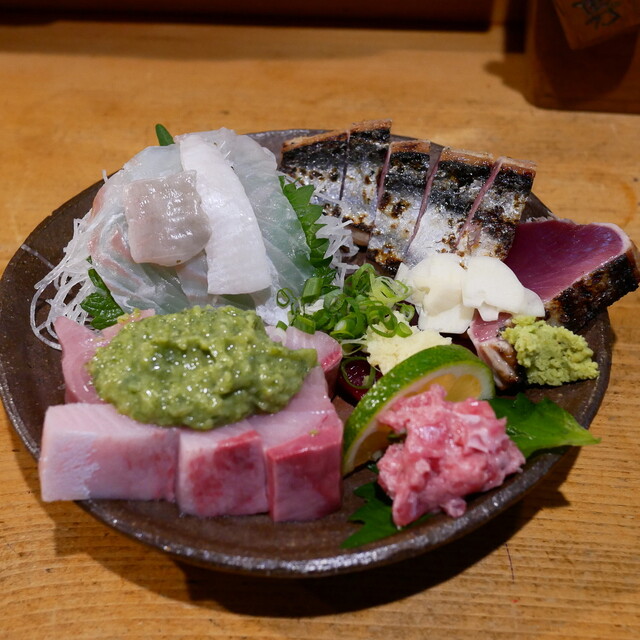
Honmachi’s restaurant streets thin quickly after dusk: tram stops, shuttered shopfronts, and the small glow of places built for regulars, not spectacle. In Kochi, the better izakaya rooms are defined less by décor than procurement, by how directly the evening plate connects to the day’s fish, and by whether the drinks list understands local seafood needs sake and shochu more than ceremony.
Kuroson sits in that harder-to-read category: a seafood and regional-cuisine izakaya with counter seating, tatami space, and a room small enough for closely managed cooking. Its recognition, Tabelog 100 Izakaya WEST 2025 and Tabelog Award 2022 Bronze, places it in a national conversation that often favors Tokyo, Kyoto, and Osaka over Kochi. That matters because Kochi’s dining identity is not luxury tasting-menu architecture. It is fish, drinking culture, and a coastal appetite that treats freshness and handling as the main event.
Fish-led izakaya cooking in a city that eats from the Pacific
Kochi Prefecture has a blunt relationship with seafood. The city’s signature dining culture favors directness: fish, regional preparations, communal drinking, and restaurants where dinner and a long evening out deliberately blur. Kuroson’s category listing, izakaya, regional cuisine, and seafood, is not generic. It signals a style in which sourcing carries more weight than menu theatrics.
The useful comparison is not with formal sushi counters or chef-led kaiseki rooms, but with Kochi’s casual-drinking network, from market-adjacent snack-and-drink addresses to neighborhood taverns where seafood leads. Hirome de Yasubee works in a lower-spend, high-turnover lane, while Cock Doll and the broader downtown field show how Kochi moves from everyday plates to specialist counters without changing neighborhoods. Kuroson occupies the more deliberate tier: still an izakaya, but with recognition and price signaling a tighter edit.
That edit matters because Kochi rewards specificity. A visitor can eat well by following volume and atmosphere, but better meals come from knowing which rooms are about drinking, which about local dishes, and which treat seafood as the center of gravity. For a wider scan, Our full Kochi restaurants guide maps that spread, including European-leaning cooking at Brasserie 一柳, casual international formats such as Canvas Restaurant & Pizzeria, and local tavern cooking at Donko.
A compact room, a serious drinks frame, and fewer distractions
The format is part of the point. Thirty seats keep the room in tavern rather than banquet territory, with counter seating and tatami seating shaping two modes of eating. The counter suits diners following the kitchen’s rhythm; tatami seating supports Kochi’s naturally social style. Neither turns the meal into performance. The emphasis stays on ordering, drinking, and letting the table build around fish.
Sake and shochu are the relevant drinks here. That pairing is not decorative; it is the usual grammar of seafood izakaya dining in western Japan, where grilled, simmered, raw, or simply prepared fish moves across textures and levels of salt. Wine would make the room feel imported. Nihonshu and shochu keep it in the local register, especially where dinner often stretches through small plates rather than a fixed progression.
The photography rule also reveals the room’s culture: food may be photographed, but the interior and kitchen are off limits. In Japan’s smaller destination restaurants, a camera can change the temperature quickly. Here, the boundary protects staff and regulars while allowing diners to remember the plates. It is a useful sign that the experience is designed for eating first, documentation second.
For a broader Kochi stay, Kuroson works better as part of a compact downtown evening than as a standalone trophy stop. The dining and drinking circuits are close enough to pair with a bar night, hotel base, or daytime cultural plans; Our full Kochi bars guide, Our full Kochi hotels guide, and Our full Kochi experiences guide are more useful planning tools than forcing the meal into a Tokyo-style destination-restaurant itinerary. Our full Kochi wineries guide is worth checking only if the trip expands beyond the usual restaurant-and-bar frame.
Where Kuroson fits among Japan's serious casual restaurants
Japan’s high-recognition casual dining is its own category: izakaya, specialist curry shops, sake bars, onigiri counters, and regional rooms that need no fine-dining language to justify attention. Kuroson’s Tabelog 100 Izakaya WEST 2025 selection puts it there, not as polished luxury, but as a fish-focused tavern whose reputation depends on consistency inside a narrow format.
That distinction prevents a common mistake. Travelers often read awards as a promise of formality. In Kochi, recognition instead marks a room performing its category at a high level while keeping izakaya social code. The experience will likely make more sense to diners comfortable with Japanese tavern pacing than to those seeking an English-first, menu-explained evening.
Across Japan, the same logic appears in different formats: beef sukiyaki at -Grilled beef Sukiyaki- KAMAKURA TANUKIAN 鎌倉 たぬき庵 in Kamakura, tuna and charcoal cooking at. 鮪と炭火焼き うお炭 秋葉原店 in Tokyo, coffee-led casual culture at.cafe in Osaka, and contemporary local dining at.know in Kumamoto. Outside Japan, category discipline reads just as clearly, whether at Jōdo Saké Bar in Los Angeles, Onigiri Time in Pasadena, or (Shoku) Vietnam in Kawasaki. The common thread is not cuisine type. It is a narrow promise kept with control.
In that sense, Kuroson is a strong Kochi choice for travelers who want the city’s seafood identity without flattening it into a market snack crawl. It asks for the right expectations: regional fish, tavern structure, adult pacing, and a room where payment, children, reservations, and photography are part of the operating culture. For another specialist Japanese casual format, [Curry Senmon Ten] Maruyama Kyoju. in Sapporo shows how narrow cooking can carry serious followings without borrowing fine-dining posture.
In Context: Similar Options
Comparable venues by cuisine and price in the same metro.
| Venue | Cuisine | Price | Awards | Notes |
|---|---|---|---|---|
| KurosonThis venue — the venue you are viewing | Seafood-focused Kochi izakaya | $$$ | , | |
| Kochi Izariya | Tosa Japanese Izakaya & Kaiseki | $$$ | , | Nijudaimachi |
| 将人 | Edomae Omakase | $$$ | , | Fort Kochi |
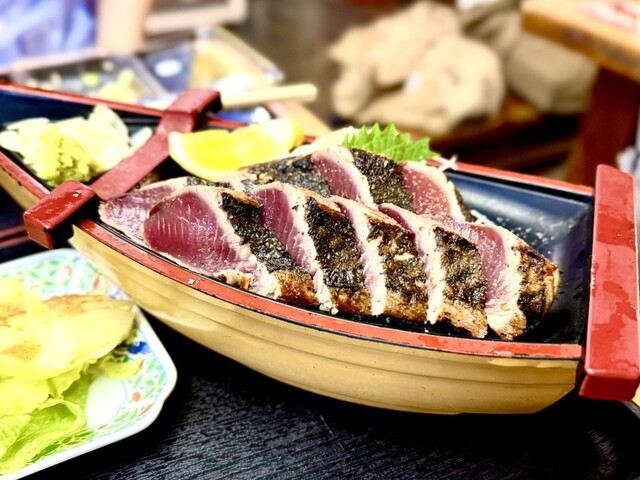
| Yairo Tei | Kochi seafood izakaya specializing in seared bonito | $$ | , | Obiyamachi / Hirome Market |
| うますし | Kochi Sushi Omakase | $$$ | , | Horizume |
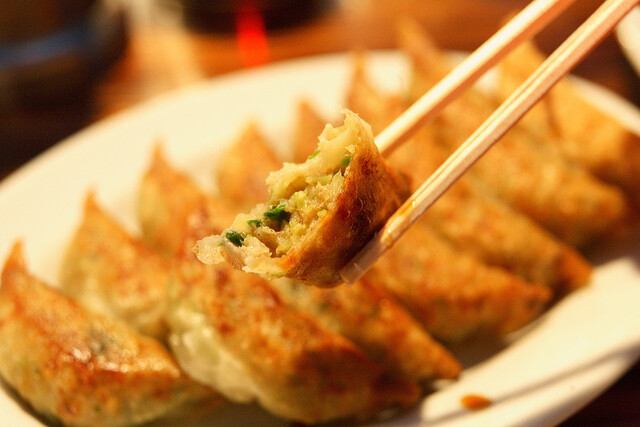
| Hirome de Yasubee | Kochi yatai gyoza & Japanese snack bar | $ | , | Obiyamachi / Hirome Market |

At a Glance
- Cozy
- Hidden Gem
- Intimate
- Classic
- Date Night
- After Work
- Casual Hangout
- Special Occasion
- Group Dining
- Solo
- Chefs Counter
- Standalone
- Sake Program
- Beer Program
- Local Sourcing
- Sustainable Seafood
Small and cozy with counter and tatami seating, non‑smoking and tucked in a back alley near Ohashi-dori station, it feels like a classic local hideout izakaya focused on quietly enjoying top‑quality seasonal seafood and sake.