
Hagi no Chaya belongs to Kochi’s coastal diner tradition, where seafood, cafeteria cooking, and Japanese BBQ sit closer to daily life than fine-dining theatre. Its Tabelog 100 - Diner - 2026 selection gives it a clear quality signal, while the ocean-view setting and fish-focused cooking make it a useful Tosa stop for travellers tracing the prefecture through its ports rather than its city counters.
Pearl is the En Primeur Club membership app — saves, bookings, and concierge access live there. Same editors, same standards.
- Address
- Japan, 〒781-1161 Kochi, Tosa, 宇佐2739
- Phone
- +81 88-856-1908
- Website
- haginochaya.com
 Saves & bookings on Pearl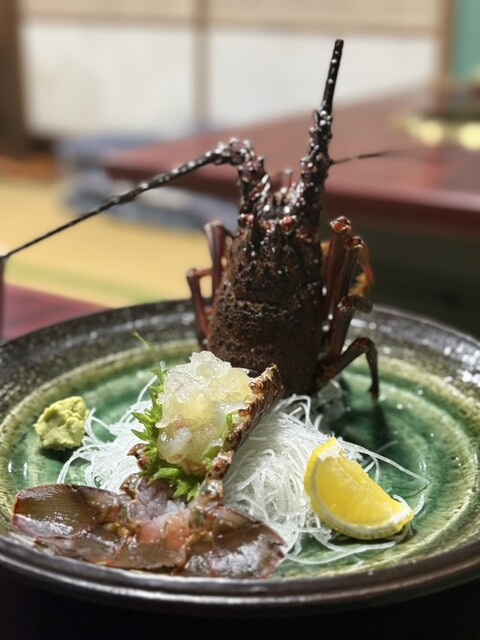
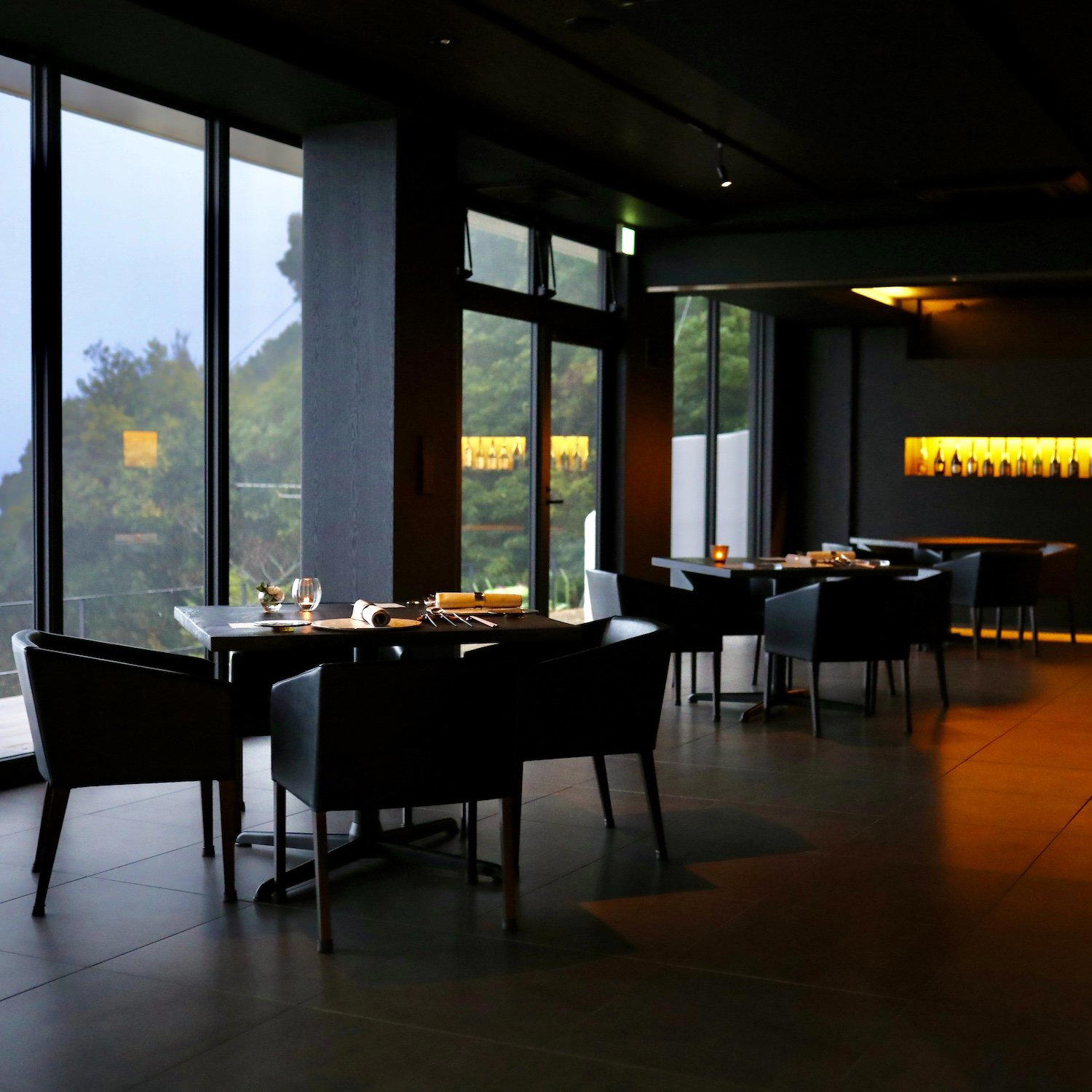
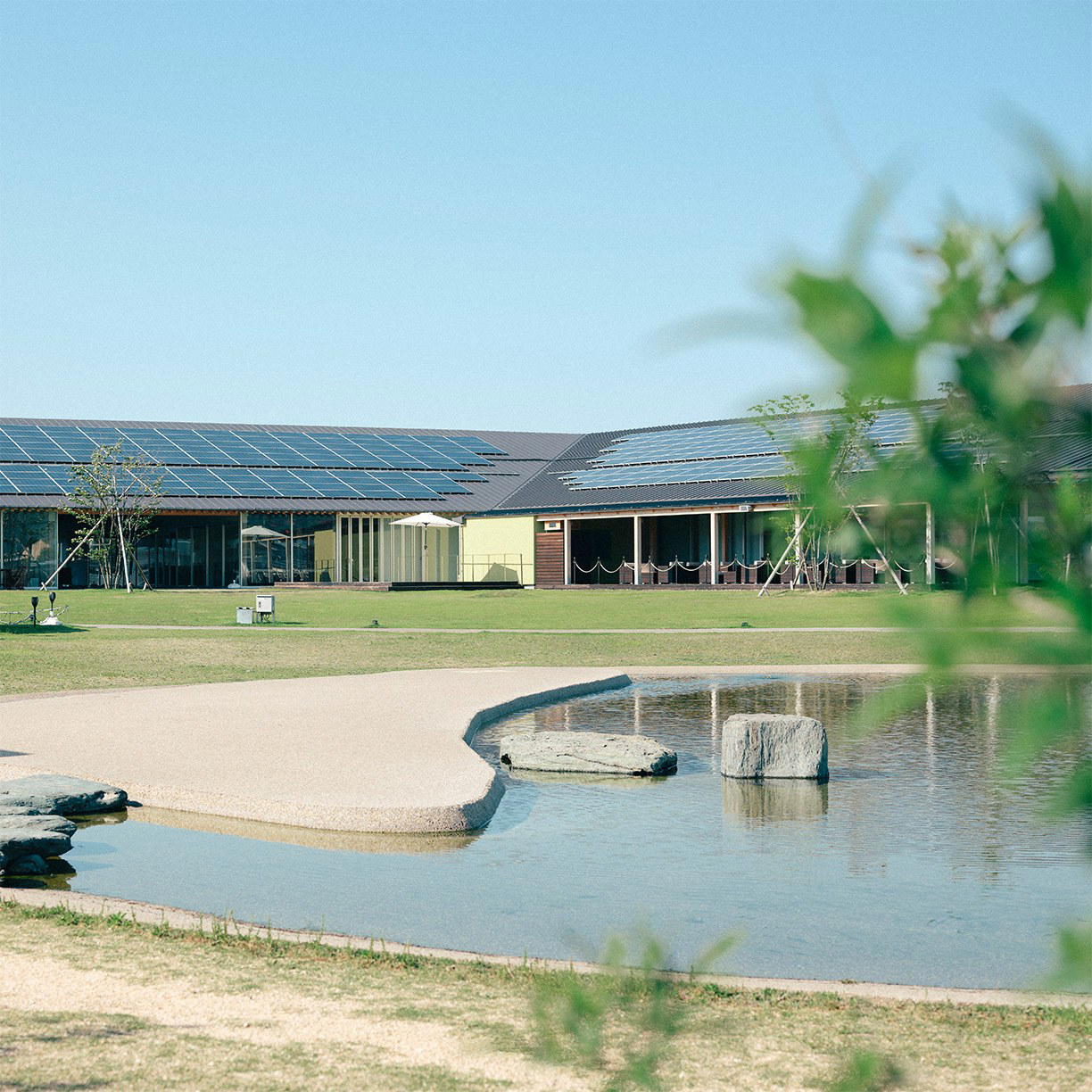
The approach to Tosa’s Usa coast changes the terms of the meal before the first order is placed. This is not the Japan of hushed counters and choreographed tasting menus; it is a fishing-town rhythm of sea air, family tables, tatami rooms, sunken seating, and food that makes sense beside the water. Hagi no Chaya sits in that register: part cafeteria, part seafood room, part yakiniku address, with an ocean-view setting that places the ingredient source in plain sight rather than turning it into a concept.
Kochi has always rewarded diners who look beyond the main urban circuit. The prefecture’s food culture is tied to ports, markets, charcoal, and directness, especially around fish. In that context, a Tabelog 100 - Diner - 2026 selection matters because it does not push the restaurant into a luxury category; it confirms the strength of a daily-dining format that local diners already understand. The comparison is less with Tokyo omakase or Kyoto kaiseki than with regional shokudo where the room, the grill, and the catch carry the argument.
Coastal Kochi cooking without fine-dining theatre
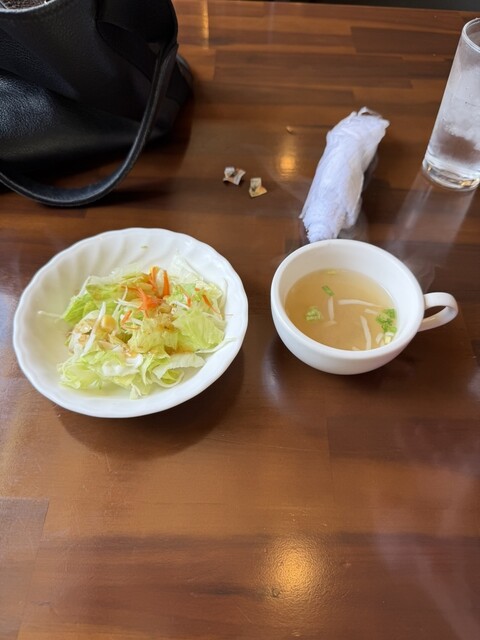
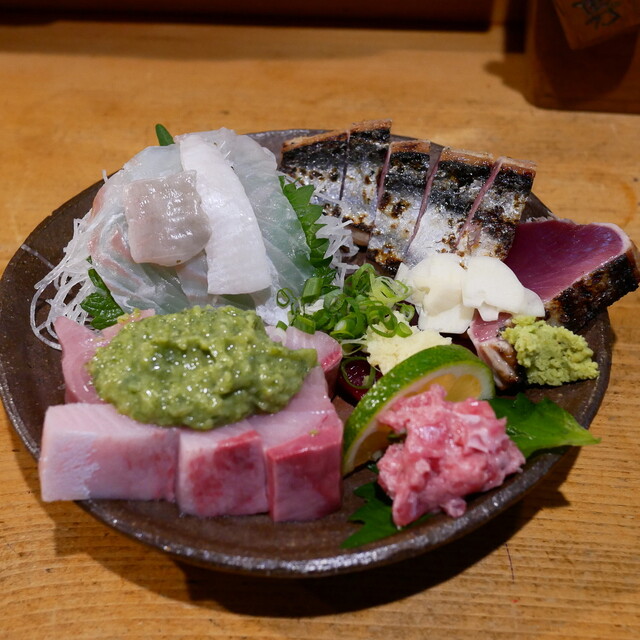
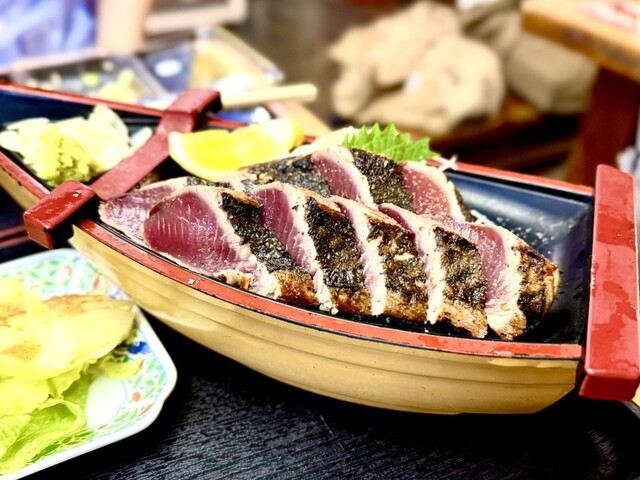
The useful way to read the menu is through sourcing and format. The listed categories, cafeteria, seafood, and yakiniku, sound broad, but in coastal Kochi that breadth is not a lack of focus. It reflects how local dining often works: fish as the anchor, grilled meat as a parallel comfort, rice and shared plates as the social structure. The phrase “particular about fish” is the key signal. It positions the kitchen inside a local pattern where freshness and handling matter more than decorative technique.
That matters for travellers because Kochi’s seafood reputation is often reduced to a few famous preparations, while everyday fish restaurants reveal more about how the prefecture eats. Hagi no Chaya is not trying to translate the coast into a metropolitan tasting menu. It keeps the format legible: a place for groups, families, and friends, with private rooms available and a room style that suits longer, table-based meals. The value is in the continuity between place and plate, not in a chef narrative or imported luxury language.
The Tabelog recognition also places the restaurant in a specific Japanese category: the acclaimed diner rather than the destination temple. That distinction is useful. Tabelog’s Hyakumeiten diner list tends to reward durable, highly specific everyday restaurants, the kind whose appeal is harder to explain through Michelin-style signals. For readers comparing regional dining options, this is the difference between eating at a technically ambitious restaurant and choosing a room that has been validated for doing a local format with conviction.
How it fits into Tosa's small but telling dining map
Tosa is not a city of dense restaurant districts, so each serious address carries more contextual weight. Hagi no Chaya gives the coastal side of the city a clear food identity: seafood-driven, informal, and practical for mixed groups. Nearby editorial comparison is limited, but ローグ points to another way Tosa dining can work, with the city’s restaurant scene better understood through individual anchors than through neighbourhood clusters. For a broader read, use Our full Tosa restaurants guide alongside the city’s other travel categories: Our full Tosa hotels guide, Our full Tosa bars guide, Our full Tosa wineries guide, and Our full Tosa experiences guide.
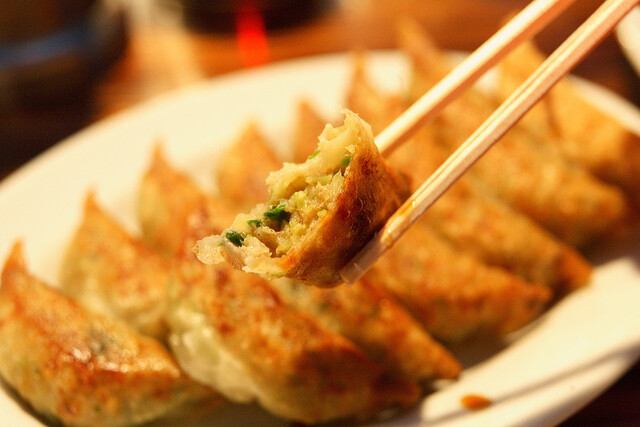
Against out-of-metro peers, the price tier signals a more substantial meal than casual curry, gyoza, or snack-driven stops. Hungry Bear, Yairo Tei, and Hirome de Yasubee operate in lower everyday brackets, while Kuroson sits closer in dinner spend. That does not make one format superior; it tells the traveller what kind of evening is being chosen. The restaurant belongs to the sit-down, group-capable, coast-facing category, where seafood and grill options make the meal feel less like a quick refuel and more like a regional dining decision.
For readers building a wider Japan itinerary, the useful contrast is with more urban or specialist formats elsewhere: -Grilled beef Sukiyaki- KAMAKURA TANUKIAN 鎌倉 たぬき庵 in Kamakura for beef sukiyaki. 鮪と炭火焼き うお炭 秋葉原店 in Tokyo for tuna and charcoal in a capital-city setting.cafe in Osaka.know in Kumamoto, (Shoku) Vietnam in Kawasaki, [Curry Senmon Ten] Maruyama Kyoju. in Sapporo, [ki:] in Kyoto, #肉といえば松田 奈良本店 in Kashihara, 1/3 HAMBURGER FACTORY in Kanazawa, and 1000 in Yokohama. Across the Pacific, Jōdo Saké Bar in Los Angeles and Onigiri Time in Pasadena show how Japanese formats change when transplanted to California. Tosa’s coastal diner grammar is a different proposition: less stylised, more tied to place.
The room tells you who the restaurant is for
The atmosphere reads as communal rather than ceremonial. Tatami and sunken seating push the meal toward groups; private rooms support family meals and longer gatherings; smoking is allowed, which may shape the experience for some travellers. The room is also family-friendly by reputation, a meaningful detail in Japan, where many serious restaurants are adult-oriented by default even when not formally restrictive.
The practical decision is simple. Choose this kind of restaurant when the priority is Kochi seafood in a coastal, informal setting, especially with companions whose tastes may split between fish and grilled meat. Travellers seeking a quiet tasting-menu sequence should look elsewhere. Those trying to understand why regional Japan’s dining culture cannot be measured only by luxury counters will find the point here: ingredient proximity, flexible ordering, and a room built for local use can say more about a place than a longer menu written in grander language.
Quick Comparison
Comparable venues by cuisine and price in the same metro.
| Venue | Cuisine | Price | Notes |
|---|---|---|---|
| Hagi no ChayaThis venue — the venue you are viewing | Seafood and Yakiniku Japanese BBQ | $$ | Not listed |
| ローグ | Italian with Sea Views | $$$ | Tosa |
| Nagano Meijitei | Nagano Sauce Katsudon | $$ | Nagano Station |
| 工房・レストランMORI | Seasonal Japanese Forest Cuisine | $$ | 久美浜町 |
| Akaishi Shokudou | Okinawan Yaeyama Soba | $$ | Ibaruma |
| Soup Curry & Dining Suage+ (suage+ 本店) | Hokkaido Soup Curry | $$ | Susukino, Chuo Ward |
Recognition history
Dated appearances from independent guides and award organizations, with the underlying list record or original source where available.
Tabelog 100 #46 · No. 46
Tabelog · Tabelog 100 - Diner - 2026
At a Glance
- Classic
- Scenic
- Rustic
- Lively
- Group Dining
- Family
- Casual Hangout
- Celebration
- Waterfront
- Panoramic View
- Standalone
- Local Sourcing
- Waterfront
Current opening hours
- Monday
- 11 AM–4 PM, 5–9:30 PM
- Tuesday
- Closed
- Wednesday
- Closed
- Thursday
- 11 AM–4 PM, 5–9:30 PM
- Friday
- 11 AM–4 PM, 5–9:30 PM
- Saturday
- 11 AM–9:30 PM
- Sunday
- 11 AM–9:30 PM
Hours can change for holidays and private events. Last verified .
A classic, old‑fashioned seaside eatery with tatami and sunken seating, relaxed local service, and a nostalgic atmosphere framed by wide ocean and sky views.