
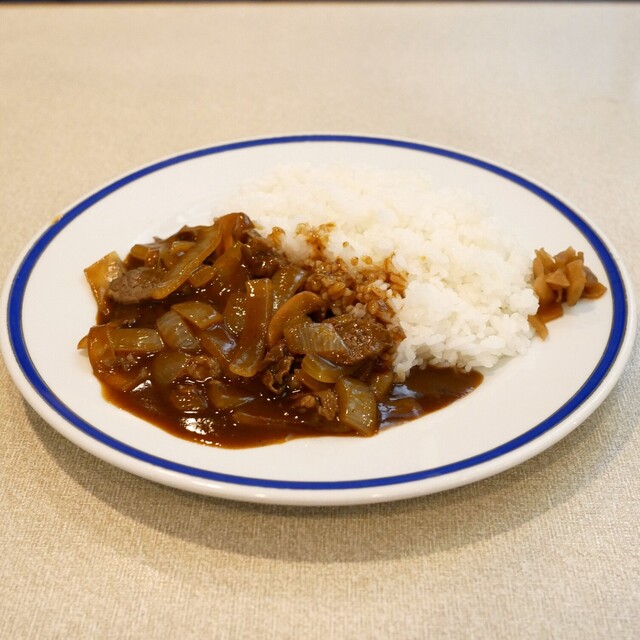
Hungry Bear puts Kochi’s yoshoku tradition into the low-key, everyday register: hamburger steak and Japanese-style Western cooking rather than ceremony. Its 2025 selection for Tabelog 100 Yoshoku WEST gives the room a credential beyond local familiarity, while the address in Kozaki keeps it tied to the city’s practical dining habits rather than destination theatrics.
Pearl is the En Primeur Club membership app — saves, bookings, and concierge access live there. Same editors, same standards.
- Address
- 13 Kozaki, Kochi, 780-8033, Japan
- Phone
- +81 88-832-5500
- Website
- s.tabelog.com
 Saves & bookings on Pearl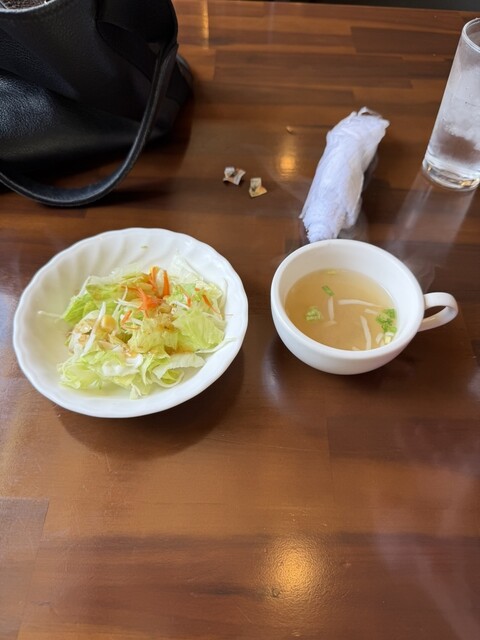
The approach to a yoshoku room in Kochi is rarely theatrical. The cue is usually more domestic: a modest frontage, the expectation of a hot plate, and the smell of griddled meat rather than the hush of counter dining. Hungry Bear belongs to that register, where Japanese-style Western cooking is judged less by novelty than by balance, timing, and whether the kitchen can turn familiar ingredients into a plate with enough weight to justify a detour across town.
Yoshoku has always been a cuisine of adaptation. It takes Western forms, hamburger steak, cutlets, sauces, gratins, rice plates, and folds them into Japanese lunch-and-dinner rhythm. In Kochi, a city better known to many travelers for market drinking, katsuo, and izakaya culture, this category occupies a quieter lane. That makes its serious practitioners useful: they show how local dining works on an ordinary day, not only when visitors are chasing regional signatures. Hungry Bear’s 2025 selection for Tabelog 100 Yoshoku WEST places it inside a regional list where consistency matters as much as ambition.
Hamburger steak as Kochi comfort food, not retro cosplay
The category here is explicit: hamburger steak and yoshoku, the Japanese style of Western cooking that became its own grammar rather than an imitation. Hamburger steak in Japan is not a burger without a bun. It is closer to a family-restaurant staple refined through texture, sauce, heat retention, and rice compatibility. The better versions are measured by how well the meat, sauce, and side elements hold together as a meal rather than by luxury ingredients.
That matters in Kochi because the city’s dining identity can be reduced too easily to seafood and drinking halls. Hirome de Yasubee, for instance, sits in a cheaper casual bracket and points toward the communal, snack-and-drink side of town. Kuroson, by contrast, prices several tiers higher and belongs to a more expense-account seafood conversation. Hungry Bear and Cock Doll share the JPY 1,000 to JPY 1,999 band, which is useful context: this is not Kochi dining dressed for ceremony, but everyday cooking with enough recognition to pull serious eaters away from the obvious regional script.
The ingredient-sourcing question in yoshoku is less about named farms and more about how a kitchen treats accessible staples. Beef or mixed mince, onions, demi-glace-style sauces, rice, salad, and hot vegetables are ordinary components; the skill is in making them read as deliberate rather than generic. That is why Tabelog’s yoshoku list has value for travelers. It identifies places where a familiar format has been executed with enough reliability to earn regional attention. In a city where many visitors default to seafood, a hamburger-steak specialist can be the better test of local everyday taste.
The city context: between market drinking and neighborhood Western-Japanese cooking
Kochi rewards diners who do not treat it as a single-dish city. The central food image is loud and social, with counters, drinking stalls, and grilled fish doing much of the public-facing work. Yoshoku moves differently. It suits lunch, mixed-generation meals, and low-pressure dinners; it also gives travelers a break from itinerary dining. That shift in tempo is part of the point. The room does not need a chef narrative or a tasting-menu structure to communicate seriousness.
Within the local spread, Brasserie 一柳 and Canvas Restaurant & Pizzeria point to other Western-inflected directions in Kochi, while Donko draws attention back toward the city’s casual local grain. The useful comparison is not which venue is grander, but which version of Kochi a traveler wants to understand. Yoshoku is the part of the city that eats across generations, on regular schedules, with dishes that have been naturalized into Japanese dining rather than preserved as foreign imports.
Hungry Bear’s Tabelog score of 3.61 is another clue to its position. On that platform, especially outside Tokyo’s hyper-visible dining circuits, scores in this range can signal a place with steady local approval and enough external attention to make it visible to travelers. The 2025 Tabelog 100 Yoshoku WEST selection is the stronger credential, because it places the restaurant inside a category-specific regional frame rather than a general popularity contest. For a traveler, that distinction is practical: the appeal is not that Kochi suddenly becomes a yoshoku capital, but that this address gives the city’s everyday Western-Japanese cooking a documented point of reference.
How to fit it into a Kochi itinerary
This is a useful counterweight to a trip built around drinking markets and seafood counters. The address in Kozaki puts the meal outside the most obvious tourist crawl, and parking is part of the setup, which tells its own story about how locals use the place. Reservations are available, private rooms are not part of the format, and the room is non-smoking. Payment is a cash-first matter, with credit cards, electronic money, and QR code payments not accepted, so this is the wrong stop for anyone assuming urban Japan’s newer payment habits apply everywhere.
The editorial choice is simple: go when the itinerary needs grounding. Kochi’s better-known dining pleasures can be loud, fish-led, and alcohol-adjacent; yoshoku gives the city a softer middle register. For travelers mapping the city more broadly, Our full Kochi restaurants guide is the natural next read, while Our full Kochi hotels guide, Our full Kochi bars guide, Our full Kochi wineries guide, and Our full Kochi experiences guide help place dinner inside a wider trip.
For readers comparing Japan’s comfort-food spectrum beyond Kochi, the same logic travels well. -Grilled beef Sukiyaki- KAMAKURA TANUKIAN 鎌倉 たぬき庵 in Kamakura sits in a beef-led tradition with a different ritual language;. 鮪と炭火焼き うお炭 秋葉原店 in Tokyo moves toward tuna and charcoal;.cafe in Osaka and.know in Kumamoto show how casual formats vary by city; (Shoku) Vietnam in Kawasaki widens the immigrant-cooking frame; and [Curry Senmon Ten] Maruyama Kyoju. in Sapporo makes another case for specialist comfort food. Outside Japan, Jōdo Saké Bar in Los Angeles and Onigiri Time in Pasadena show how Japanese casual forms translate abroad, often with less attachment to the neighborhood rhythms that define them at home.
Fast Comparison
Comparable venues by cuisine and price in the same metro.
| Venue | Cuisine | Price | Awards | Notes |
|---|---|---|---|---|
| Hungry BearThis venue — the venue you are viewing | Japanese-Western Hamburger Steak | $$ | , | |
| Tanaka-sengyoten Ryoshigoya | Traditional Japanese Seafood | $$ | , | Taisho-machi market |
| Myojinmaru (明神丸) | Straw-Fire Grilled Bonito Izakaya | $$ | , | 本町 |
| Donko | Kochi Izakaya and Regional Seafood | $$ | , | Harimayacho |
| Kochi Izariya | Tosa Japanese Izakaya & Kaiseki | $$$ | , | Nijudaimachi |
| Yatai Yasubee | Kochi yatai gyoza & ramen izakaya | $ | , | Nijudaimachi |
At a Glance
- Classic
- Cozy
- Hidden Gem
- Casual Hangout
- Group Dining
- Family
- Standalone
Casual, traditional Japanese-western dining atmosphere centered on hearty comfort food rather than a formal or modern scene.