首烏廚EAT
é¦çå»EAT sits on Chenggong 2nd Street in Zhubei City, positioning itself within Hsinchu County's emerging independent dining scene. The restaurant operates in a city better known for its semiconductor industry than its food culture, making it one of the more deliberately placed dining addresses in northern Taiwan's suburban corridor. Specific details on format, pricing, and booking are best confirmed directly with the venue.
Pearl is the En Primeur Club membership app — saves, bookings, and concierge access live there. Same editors, same standards.
- Address
- No. 31號, Chenggong 2nd St, Zhubei City, Hsinchu County, Taiwan 302
- Phone
- +88636688609
- Website
- facebook.com
- Directions
- Get directions
 Saves & bookings on Pearl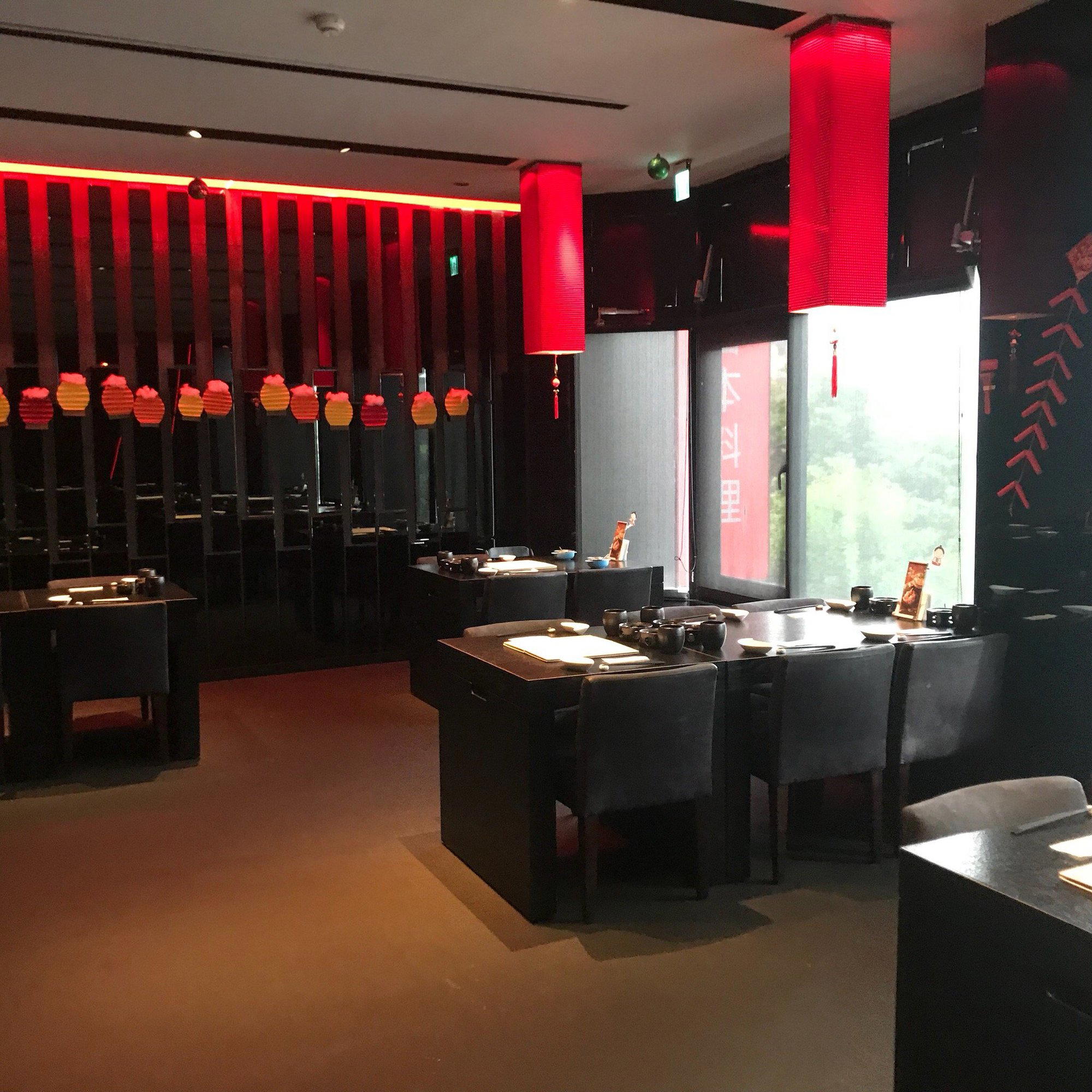
Zhubei's Dining Scene and Where EAT Fits
Zhubei City doesn't appear on most Taiwan food itineraries. That absence is partly structural: the city's identity has been shaped by the Hsinchu Science Park, drawing a professional population with money to spend but a dining infrastructure that took years to catch up. The gap between the city's purchasing power and its restaurant supply is closing, and Chenggong 2nd Street sits in the part of Zhubei where that shift is most visible. Independent restaurants here are not trading on tourism foot traffic. They are building a local following among residents who travel regularly, eat well when abroad, and apply the same standard at home.
This matters for how you read EAT as a dining address. In Taipei, a restaurant earns context from its neighbourhood's existing reputation: a counter in Da'an carries different associations than one in Zhongshan. In Zhubei, the context is still being written. Restaurants here are, in a real sense, authoring the city's food character rather than inheriting it. That places different demands on what a place has to offer: it cannot rely on a famous street or a known culinary corridor to do half the work.
The Cultural Roots of Taiwan's Independent Restaurant Movement
Taiwan's food culture has long been understood through its street-level density: night markets, breakfast shops, beef noodle counters, and the kind of democratically priced cooking that made Taipei a reference point for affordable urban eating. What has changed over the past decade is the emergence of a second register, one that runs alongside the street tradition rather than replacing it. Restaurants like JL Studio in Taichung and logy in Taipei have demonstrated that Taiwan's ingredient culture, its proximity to notable seafood, mountain produce, and a rice and grain tradition with real depth, can sustain ambitious, format-driven dining. GEN in Kaohsiung and Amei in Tainan show that this is not a Taipei-only phenomenon.
The broader pattern is one of geographic diffusion. As Taiwan's more serious dining addresses have moved beyond the capital, smaller cities and suburban zones have begun to develop their own independent restaurants that take food seriously on local terms rather than as an imitation of metropolitan models. Zhubei, with its concentration of well-travelled professionals, is a plausible next node in that network. EAT operates in that context: a restaurant making a case that Hsinchu County does not require a trip to Taipei to eat with care and intention.
For reference points further afield, the format of chef-driven independent dining in secondary cities echoes what has happened in the United States over the past fifteen years, where places like Lazy Bear in San Francisco helped establish that format-conscious, produce-led restaurants could succeed outside coastal fine-dining capitals, and where Le Bernardin in New York City remains a benchmark for how a sustained single vision can define a restaurant's identity across decades.
Zhubei's Wider Table: What Else Is on Chenggong and Beyond
The dining options around Zhubei's main corridors cover a range of formats. Hotpot remains one socially embedded dining format in the city, represented by venues including Leading One Pot Zhubei Guangming Branch, Yen Chiang hotpot, and å ºå ShabuShabu ææ©è¾²å ´, each addressing slightly different points in the hotpot spectrum from casual group dining to more ingredient-focused shabu-shabu. Steakhouse dining has a presence through Wang Steak Zhubei Guangming Branch, and bar-adjacent venues like Volcanic rock serve a different evening function. EAT occupies a different tier in this ecosystem, one where the proposition is less about format familiarity and more about whatever specific culinary point the kitchen is making.
Outside Zhubei, Hsinchu County's dining geography extends to a few addresses worth knowing. Bebu in Hsinchu County represents another independent voice in the county. Across the broader northern Taiwan region, Dongmen Rice Noodle Soup in Hsinchu City is the kind of address that anchors a local food identity in a single, deeply rooted dish. Further afield, Chi Yuan in New Taipei and Volando Urai Spring Spa and Resort in Wulai District offer a sense of how the northern Taiwan dining and hospitality spectrum stretches from urban independent restaurants to resort-integrated experiences. For those willing to travel further into Taiwan's regions, Akame in Wutai Township and Shen Yen in Yilan represent the kind of destination-specific cooking that has put Taiwan's broader food geography on the map for serious eaters.
Planning a Visit to EAT
EAT is addressed at No. 31號, Chenggong 2nd Street, Zhubei City, Hsinchu County, Taiwan 302. Reservations are recommended, and the restaurant follows a casual dress code.
Pricing, Compared
Comparable venues nearby, for context on price, style, and recognition.
| Venue | Cuisine | Price | Awards | Notes |
|---|---|---|---|---|
| 首烏廚EATThis venue — the venue you are viewing | Zhubei City, Taiwanese Comfort Food | $$ | Not listed | Not listed |
| Yen Chiang hotpot | Zhubei City, Taiwanese Hotpot | $$ | Not listed | Not listed |
| Top One Pot Zhubei Guangming Branch | Guangming, Taiwanese Hot Pot | $$ | Not listed | Not listed |
| å ºå ShabuShabu ææ©è¾²å ´ | Not listed | $$ | Not listed | Zhubei City, Traditional Shabu Shabu Hot Pot |
| Happy Hwa | Zhubei City, Taiwanese Braised Pork Rice | $ | Michelin Plate | Not listed |
| Shou Wu EAT | Not listed | $$ | Bib Gourmand | Zhubei City, Traditional Hakka Home-Style Cooking |
Continue exploring
More in Zhubei City
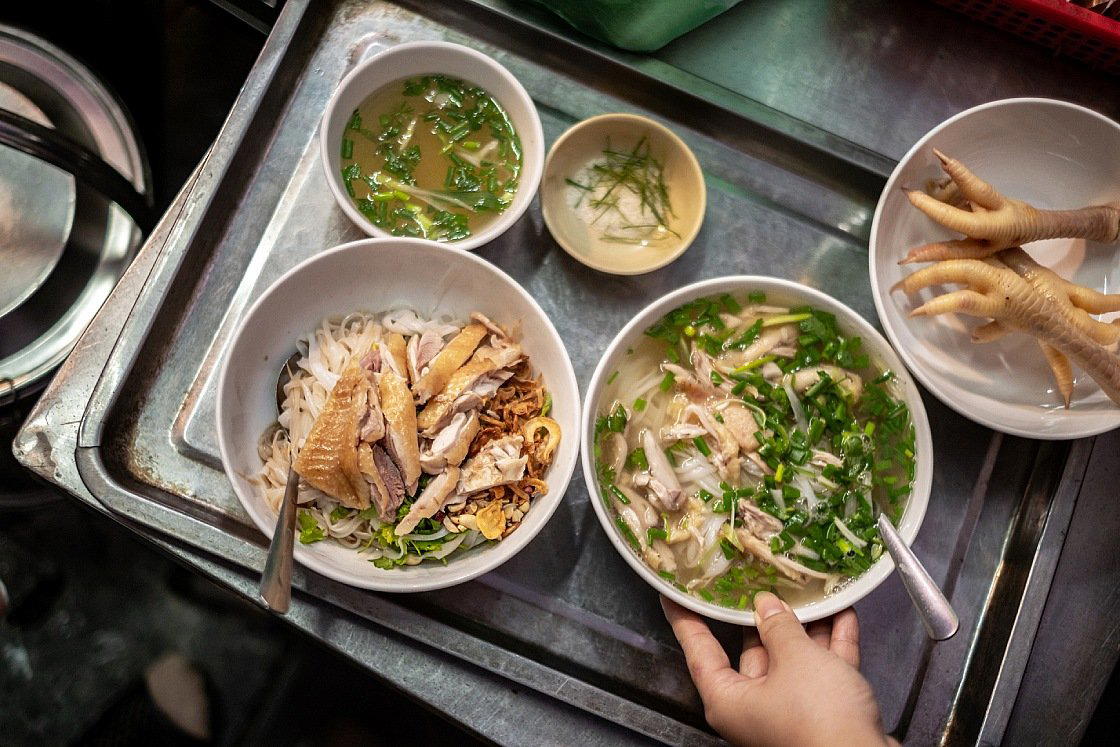
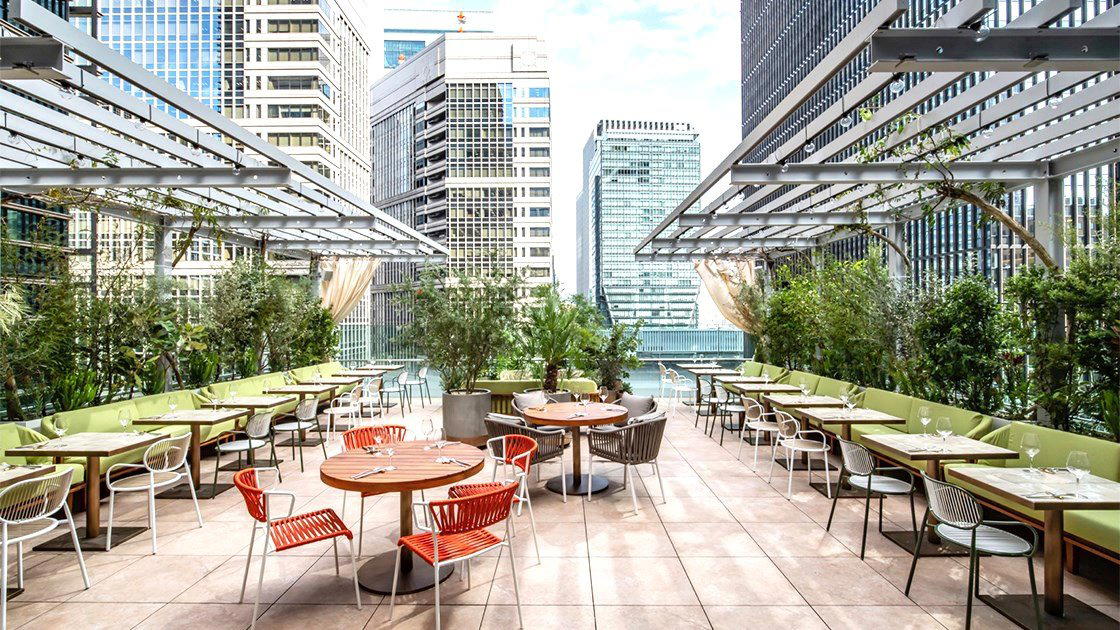
Restaurants in Zhubei City
Browse all →
Bars in Zhubei City
Browse all →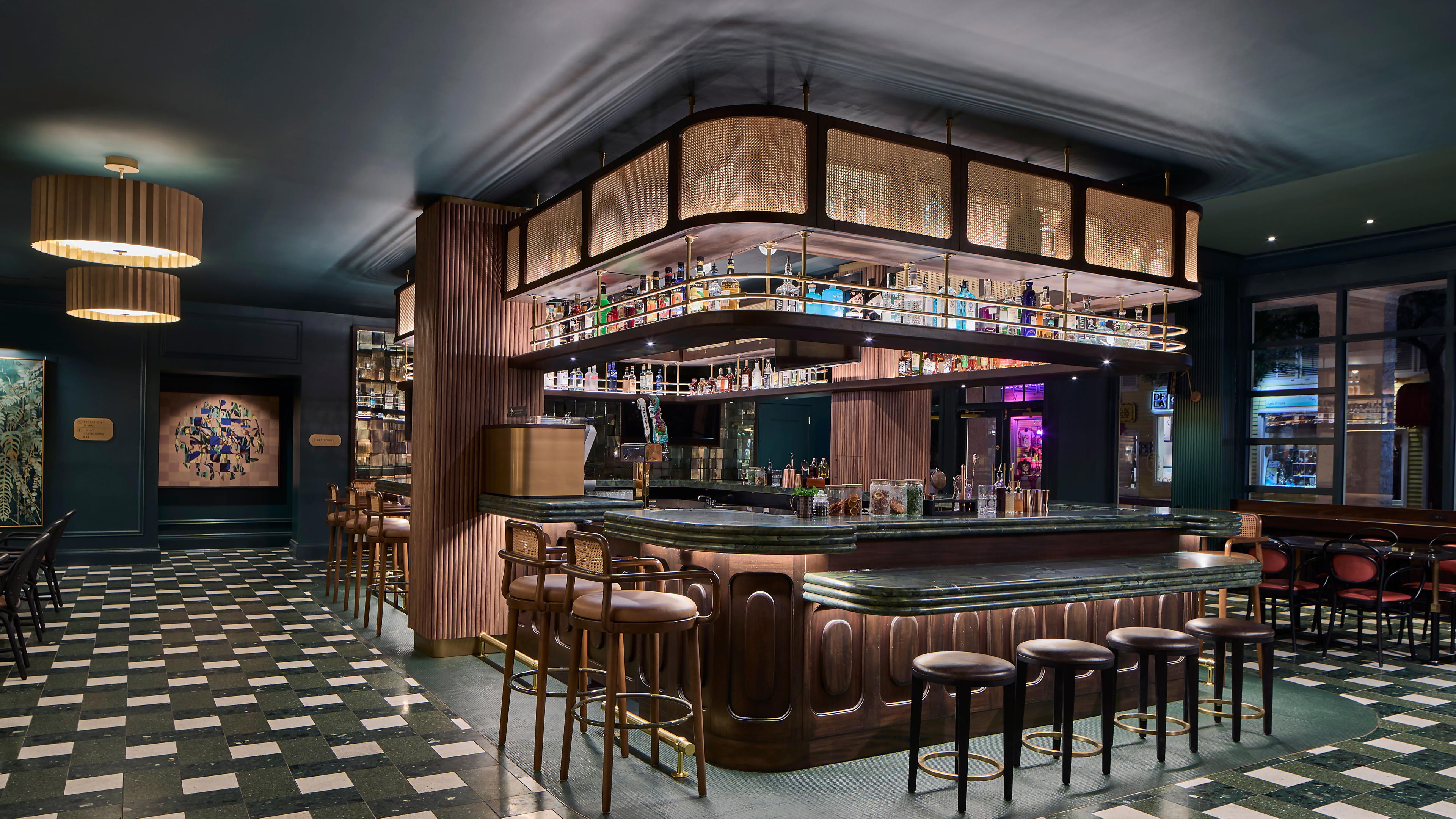

At a Glance
- Cozy
- Modern
- Family
- Casual Hangout
- Group Dining
- Standalone
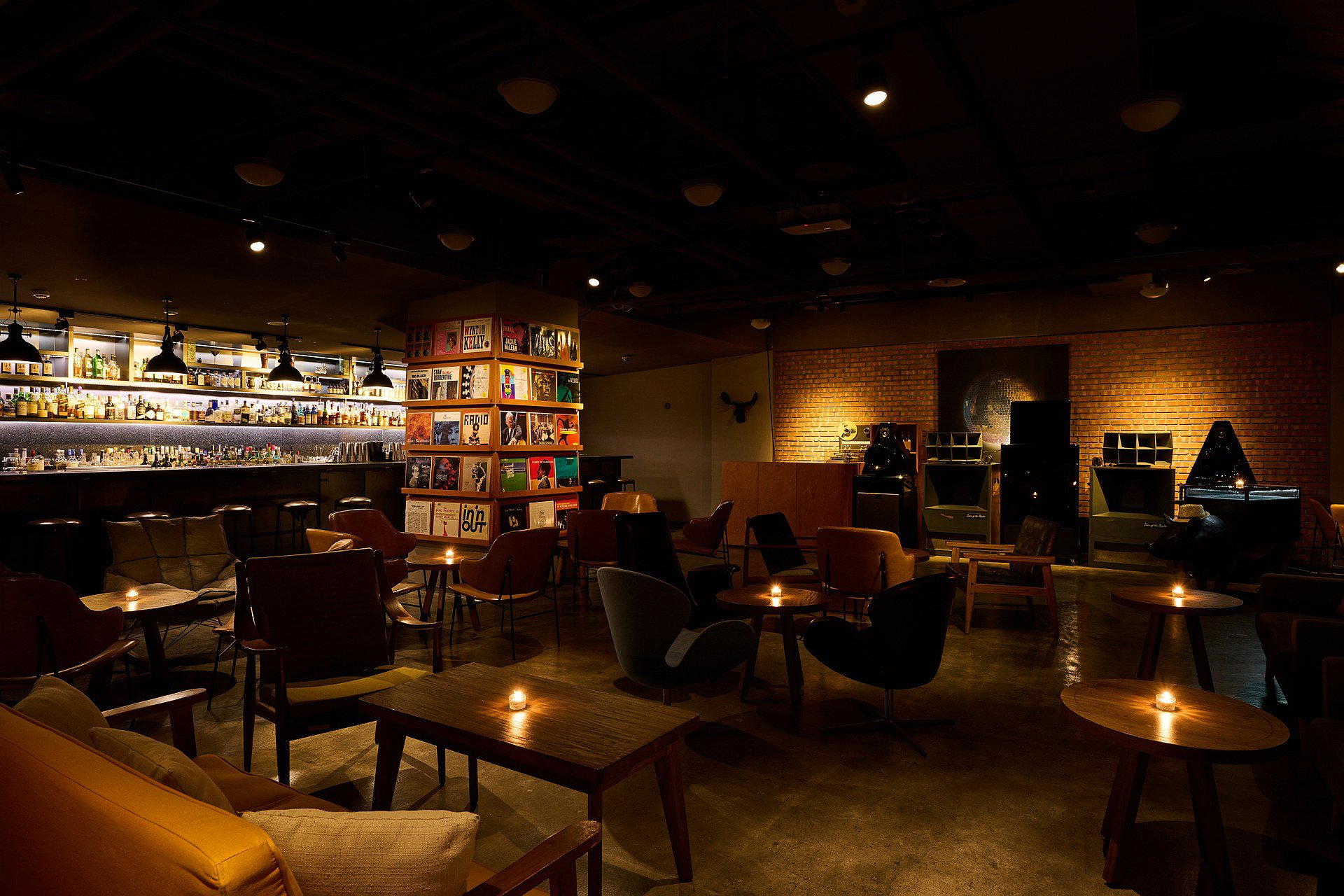
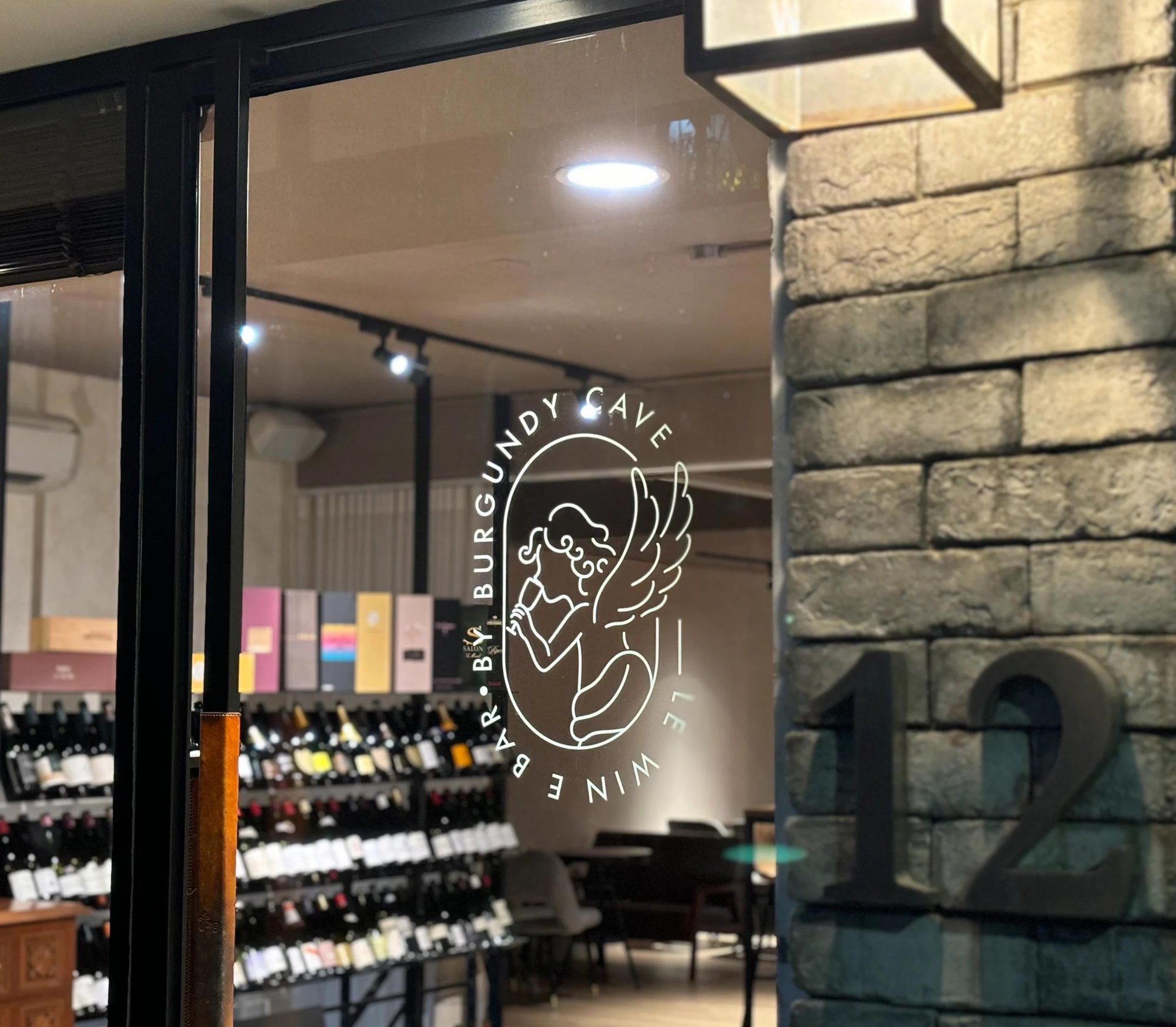
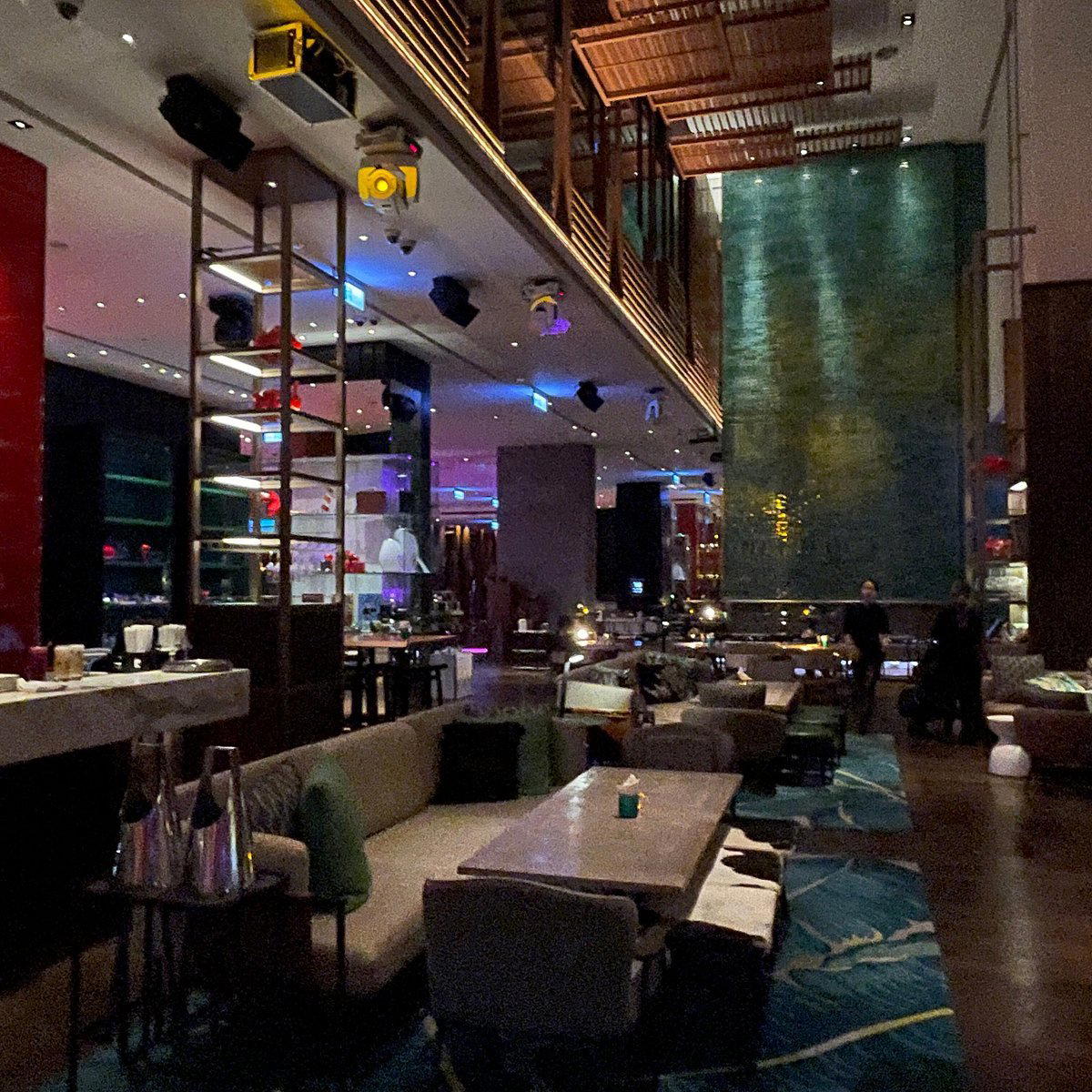
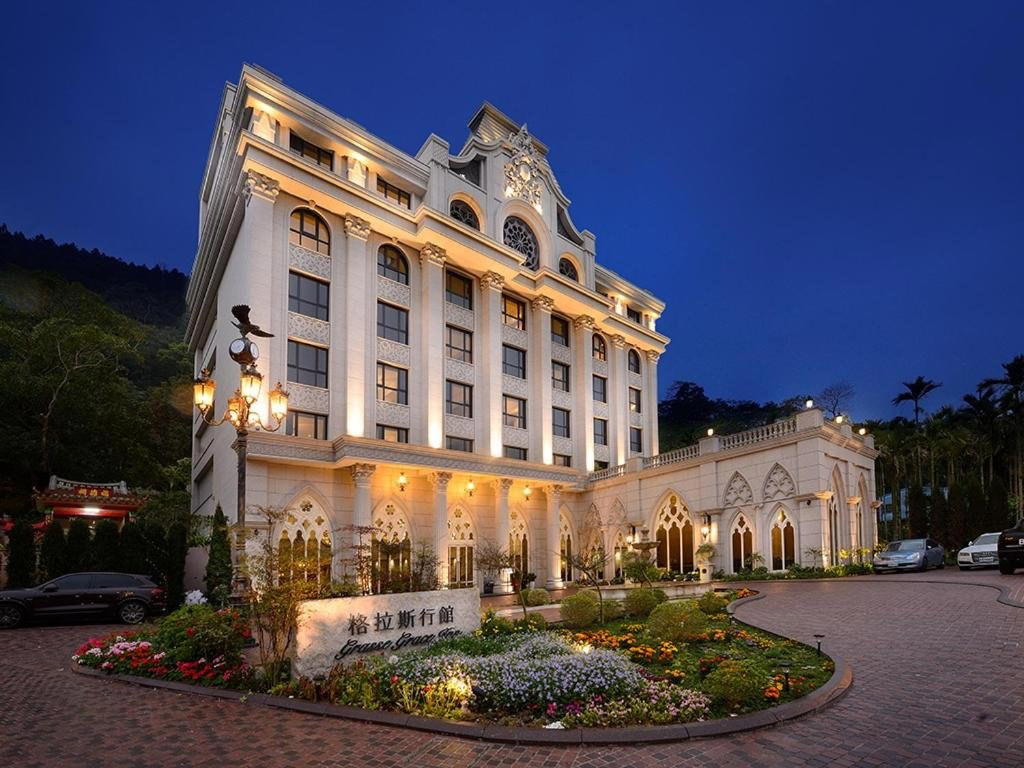
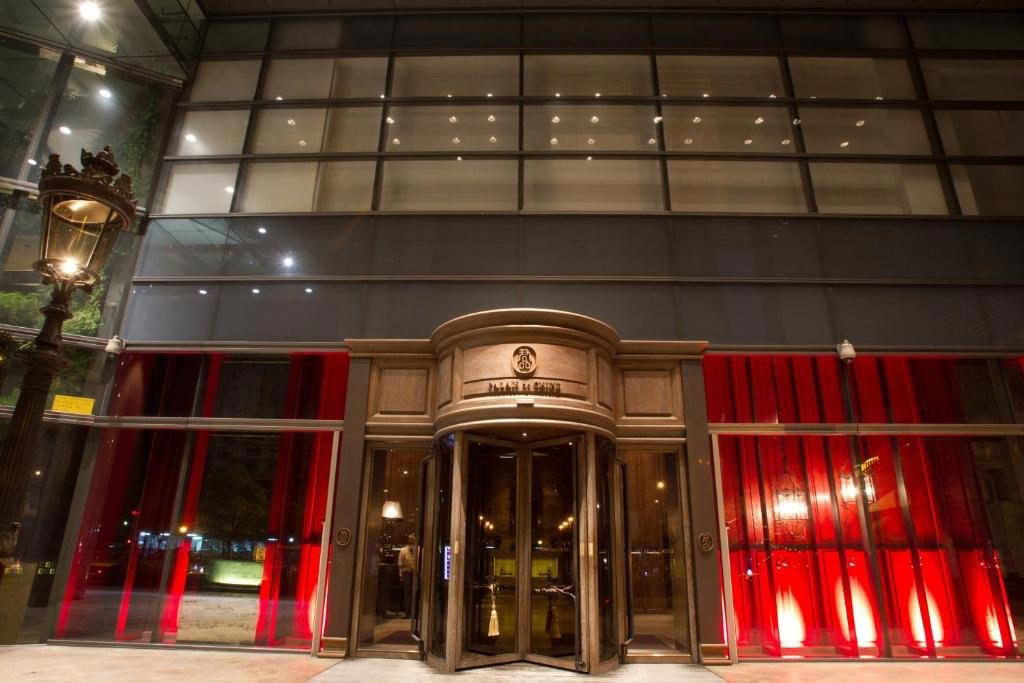
Warm and cozy with soft lighting and simple modern decor creating a welcoming neighborhood feel.