Top One Pot Zhubei Guangming Branch
Top One Pot Zhubei Guangming Branch sits on Guangming Road in Zhubei City, positioning itself within a Hsinchu County dining scene where the hot pot format has become the default communal meal. The kitchen works within the single-pot tradition that defines a significant share of northern Taiwan's casual-to-mid-tier restaurant culture, drawing neighbourhood regulars and families from the surrounding tech-corridor residential blocks.
Pearl is the En Primeur Club membership app — saves, bookings, and concierge access live there. Same editors, same standards.
- Address
- 302, Taiwan, Hsinchu County, Zhubei City, å æä¸è·¯288è
- Phone
- +88636575151
- Website
- toponepot.com
- Directions
- Get directions
 Saves & bookings on Pearl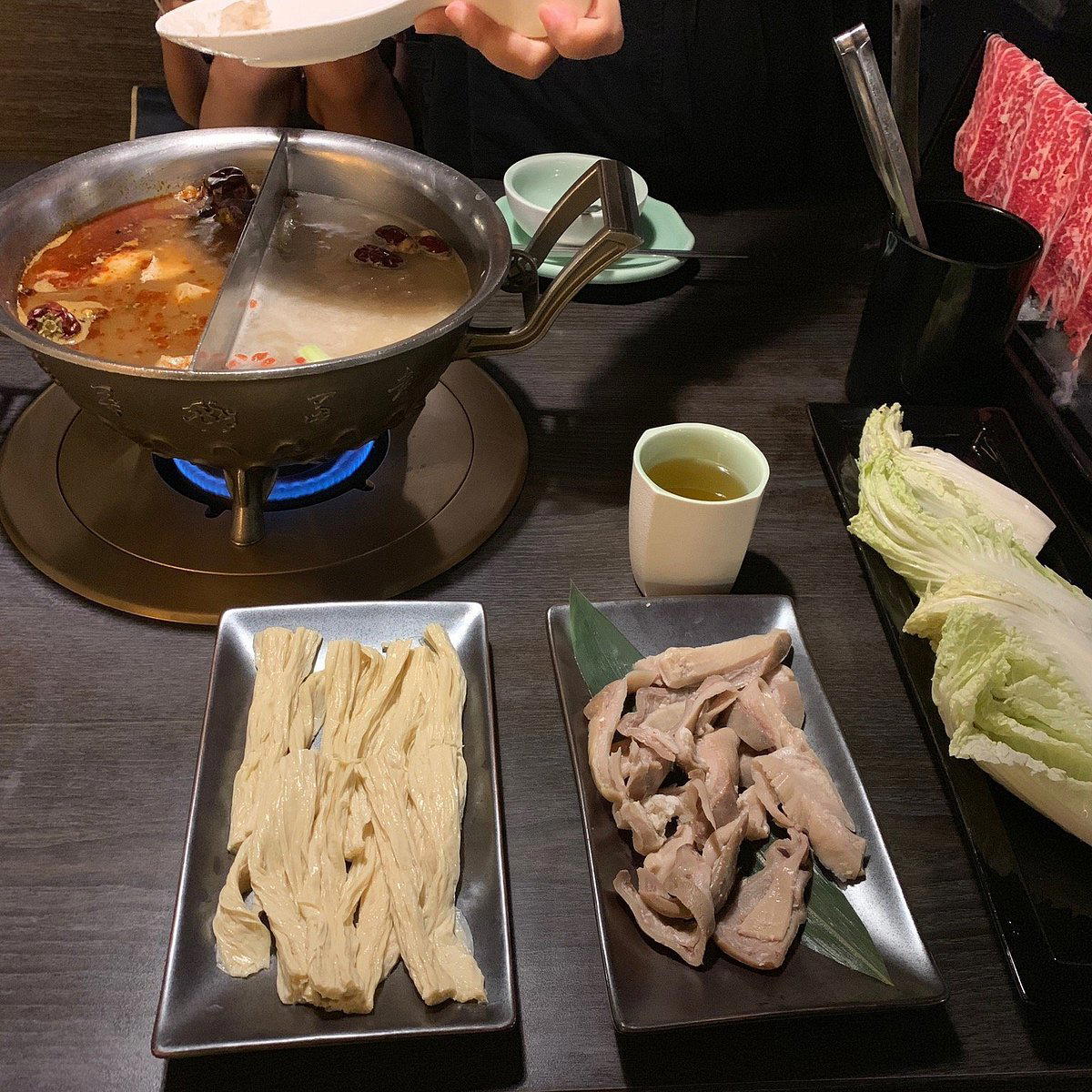
Hot Pot as Default Mode: Where Zhubei Eats Together
In Hsinchu County's newer urban districts, the hot pot restaurant has become the social infrastructure of weeknight dining. Zhubei City, which grew rapidly alongside the Hsinchu Science Park's expansion, developed a dining culture shaped less by restaurant tradition and more by the practical rhythms of a working population: shared formats, quick turnover, tables that accommodate families of mixed ages. Within that context, the pot-on-table format is not a novelty or a trend but a baseline expectation, and the restaurants serving it compete on consistency, broth depth, and the quality of the protein selection rather than on spectacle.
Top One Pot Zhubei Guangming Branch, located at 288 Guangming First Road, sits inside this pattern. Guangming Road connects several of Zhubei's denser residential pockets to the commercial strips near the city centre, and the foot traffic along that corridor reflects the area's demographic: households connected to the science park economy, with expectations calibrated toward reliability over experimentation. A hot pot restaurant on this stretch is not trying to redefine the format; it is trying to execute it dependably enough to become the neighbourhood's default choice for a certain kind of evening.
The Architecture of the Menu: What a Hot Pot Format Reveals
Hot pot menus have a logic that distinguishes them structurally from à la carte or tasting formats. The menu architecture is not about sequence in the fine-dining sense but about base selection, protein tier, and table-management timing. Diners typically choose a broth first, then build around it with proteins, vegetables, and noodles or starch. This structure places the kitchen's differentiation at the broth level and the procurement level, since the cooking itself happens at the table.
In Taiwan's mid-tier hot pot segment, the broth is the clearest signal of kitchen investment. A stock built over hours from bone and aromatics behaves differently from a concentrate-based base, and experienced diners in cities like Zhubei recognize the difference in the first minutes of a meal. The protein selection, whether the cuts are fresh-sliced to order or pre-packaged, similarly signals where a restaurant sits within its local peer group. These are the variables that matter in a format where the chef's direct role in the final dish is limited by design.
Zhubei's hot pot options span a range from highly casual, where the emphasis is on value and volume, to mid-tier operations with more considered sourcing. Comparable venues in this segment include Yen Chiang hotpot and å ºå ShabuShabu ææ©è¾²å ´, the latter of which positions itself with a farm-sourcing angle that places it at the upper edge of the local shabu-shabu category. å·é åççè represents another point in the local hot pot and Taiwanese beef noodle adjacency. Within this peer group, format differentiation is subtle, and repeat visits depend heavily on staff consistency and the reliability of the protein quality across different service periods.
Neighbourhood Character and Dining Rhythm
Guangming Road's restaurant strip operates differently from the more destination-driven dining corridors in downtown Hsinchu City, where venues like å»å£é´¨é¦é£¯ draw diners from across the wider metro area. Zhubei's Guangming branch addresses a local population first. The rhythm of service on a Tuesday or Wednesday evening, with families arriving before seven and tables turning through the mid-evening, is distinct from the weekend dining patterns that skew toward longer meals and larger groups.
This is the operating context in which a neighbourhood hot pot venue builds its reputation: not through critical recognition or tasting menu ambition but through the accumulated trust of repeat customers who return because the broth is consistent, the wait is manageable, and the price-to-portion ratio meets expectations. Across Zhubei's denser residential zones, that kind of trust is the actual competitive currency.
For comparison, restaurants operating in more prominent Taiwanese dining scenes, such as JL Studio in Taichung or logy in Taipei, are working within entirely different frameworks of expectation and peer comparison. The hot pot neighbourhood category is its own distinct tier, and it is more accurately benchmarked against local counterparts than against award-circuit fine dining. The same logic applies in other Taiwanese cities: GEN in Kaohsiung and A Xia in Tainan each anchor specific dining traditions that have little overlap with the communal hot pot format.
Placing It in the Zhubei Dining Scene
Zhubei's dining scene has diversified as the city's population has grown, but the density of options remains lower than in Taipei or Taichung, which means individual venues carry more neighbourhood weight. A restaurant that disappears leaves a more noticeable gap than in a market with dozens of close substitutes. This concentration gives mid-tier neighbourhood operators a certain stability, provided they maintain the consistency that drives local loyalty.
Other venues in the Zhubei dining mix address different meal occasions. Volcanic rock and Wang Steak Zhubei Guangming Branch represent the grilled meat category, which competes for similar evening-meal occasions but draws on different flavor traditions. The coexistence of multiple single-protein formats (hot pot, yakiniku, steak) within a relatively compact urban district reflects how Taiwanese dining culture organizes itself around cooking method as a primary selection criterion rather than ingredient or cuisine origin.
For a broader orientation to what is available across the city and how venues relate to each other, see our full Zhubei City restaurants guide. For readers exploring the wider regional dining picture, venues like æ±æ¹é¾å¤å³ä»åæç in Taichung City, åºå°äºé¯è飯 in Sanchong District, and GARDENh in Yonghe District offer reference points for how different northern Taiwan districts handle similar communal dining formats. Further afield, Chenggong Douhua in Chenggong and æåç²é£ in Hengshan sit in the single-dish specialist category that shares the same neighborhood-anchor logic.
Planning Your Visit
Leading One Pot Zhubei Guangming Branch is located at 288 Guangming First Road, Zhubei City, Hsinchu County. The Guangming Road corridor is accessible from several directions within Zhubei, and the surrounding blocks have street parking as well as proximity to bus routes serving the science park residential areas. No website or phone number is listed in current directories, which suggests booking is handled walk-in or through local platforms such as inline.app or Google Maps reservation features where available. Visiting on weekdays rather than Friday or Saturday evenings reduces wait times, which is the standard pattern for this category in Hsinchu County's mid-tier restaurant segment.
Accolades, Compared
Comparable venues nearby, for context on price, style, and recognition.
| Venue | Cuisine | Price | Awards | Notes |
|---|---|---|---|---|
| Top One Pot Zhubei Guangming BranchThis venue — the venue you are viewing | Taiwanese Hot Pot | $$ | Not listed | Not listed |
| Volcanic rock | Taiwanese BBQ | $$ | Not listed | Zhubei |
| Happy Hwa | Taiwanese Braised Pork Rice | $ | Michelin Plate | Zhubei City |
| Yen Chiang hotpot | Taiwanese Hotpot | $$ | Not listed | Zhubei City |
| 鮨安 | Taiwanese | Not listed | Not listed | Zhubei City |
| Piccola Enoteca | Modern Italian Trattoria | $$ | Michelin Plate | Zhubei |
Continue exploring
More in Zhubei City
Restaurants in Zhubei City
Browse all →
Bars in Zhubei City
Browse all →

At a Glance
- Lively
- Cozy
- Family
- Group Dining
- Celebration
- Casual Hangout
Current opening hours
- Monday
- 11:30 AM–10:30 PM
- Tuesday
- 11:30 AM–10:30 PM
- Wednesday
- 11:30 AM–10:30 PM
- Thursday
- 11:30 AM–10:30 PM
- Friday
- 11:30 AM–11 PM
- Saturday
- 11:30 AM–11 PM
- Sunday
- 11:30 AM–11 PM
Hours can change for holidays and private events. Last verified .
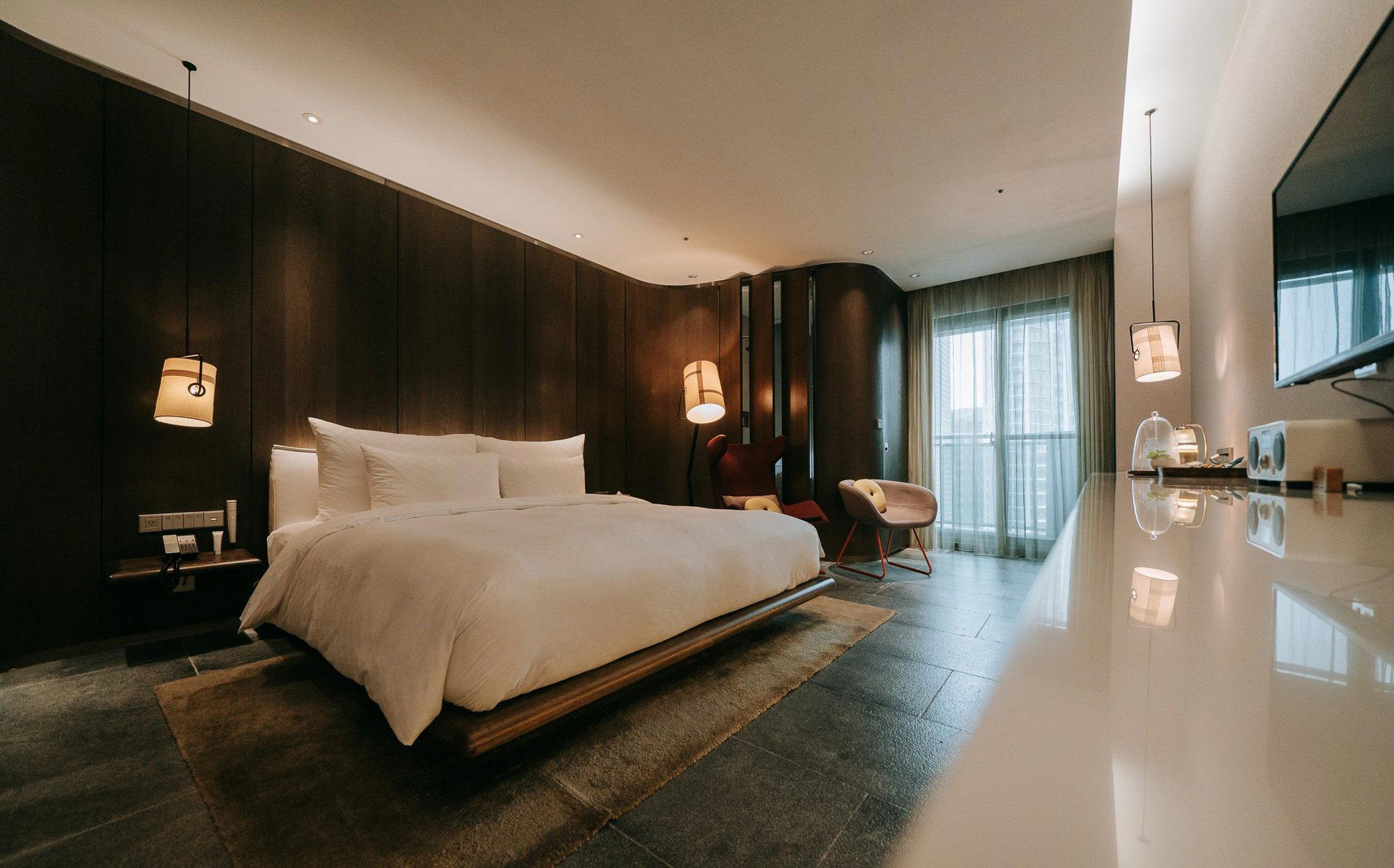
Comfortable and cozy atmosphere with pleasant lighting; described as welcoming and family-oriented with efficient service staff who actively attend to guests.