Volcanic rock
Volcanic Rock sits on Ziqiang North Road in Zhubei City, where Hsinchu County's technology-corridor suburbs have quietly developed a dining scene that rewards patience and local knowledge. The address places it within reach of the broader Zhubei restaurant cluster, and the name alone suggests a kitchen with a particular interest in heat, texture, and volcanic-origin ingredients. Detailed menu and booking information is limited in public records, making a direct visit one reliable approach.
Pearl is the En Primeur Club membership app — saves, bookings, and concierge access live there. Same editors, same standards.
- Address
- No. 230號, Ziqiang N Rd, Zhubei City, Hsinchu County, Taiwan 302
- Phone
- +88636688951
- Website
- reurl.cc
- Directions
- Get directions
 Saves & bookings on Pearl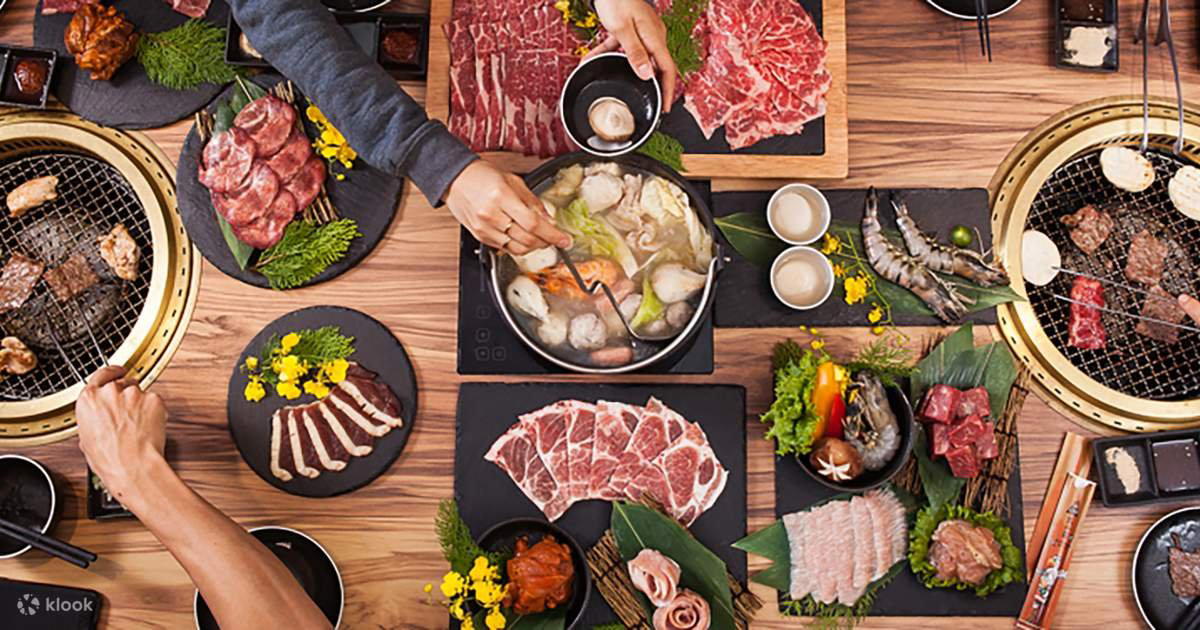
Where Hsinchu County's Dining Ambitions Surface
Zhubei City occupies an unusual position in Taiwan's food geography. It is close enough to Hsinchu City's established restaurant corridors to borrow credibility, yet distinct enough to have cultivated its own neighbourhood dining culture, built around the large residential and technology-sector population that expanded through the 2000s and 2010s. Ziqiang North Road, where Volcanic Rock holds its address, sits within that fabric: a stretch where mid-scale and specialist dining places cluster without the density or tourist pressure of Taipei or Taichung. Visitors arriving from Hsinchu HSR station reach the area within a practical drive, and the corridor connects naturally to the broader set of Zhubei restaurants nearby.
The name Volcanic Rock carries a direct culinary reference point. Across East Asian cooking traditions, volcanic and mineral-rich materials have long served functional roles: basalt stones for grilling, volcanic clay in fermentation vessels, lava-rock griddles that retain and distribute heat with a consistency that metal surfaces rarely match. A restaurant invoking that vocabulary signals, at minimum, an interest in how cooking surfaces and heat sources shape the character of food. Whether the kitchen here uses volcanic stone as a primary technique or as one element within a broader format, the reference frames an expectation around texture, crust, and the kind of heat that cannot be replicated with a conventional flat surface.
Ingredient Logic in a Region of Agricultural Depth
Hsinchu County sits adjacent to some of Taiwan's most productive agricultural zones. The western coastal plain produces rice, vegetables, and seafood; the foothills that rise toward Wufeng and beyond yield subtropical fruit and mountain vegetables with a shorter supply chain than anything reaching Taipei markets. Restaurants operating in Zhubei have the structural advantage of proximity: sourcing from local farms in Hsinchu and neighbouring Miaoli counties is not a marketing posture here but a practical default shaped by distance and freshness economics.
Across Taiwan's broader dining scene, the sourcing conversation has shifted considerably over the past decade. Kitchens that once highlighted French or Japanese imports now frame local provenance as the primary credential. JL Studio in Taichung built its Singapore-meets-Taiwan identity partly through rigorous local sourcing; logy in Taipei refined Taiwanese producers into a fine-dining context that earned sustained international recognition. The pattern is consistent: restaurants willing to commit to Taiwanese ingredients at every tier, from staple aromatics to premium proteins, tend to develop a more defined and defensible identity than those that default to imported luxury goods.
For a venue named after volcanic rock, ingredient sourcing takes on an additional dimension. Volcanic soils in Taiwan, particularly in areas influenced by geothermal activity and mineral-rich water systems, produce vegetables and crops with a flavour density that reflects the ground they come from. If the restaurant's kitchen draws on that logic, even selectively, it joins a wider movement in Taiwanese cooking that treats terroir not as a wine concept borrowed from France but as a practical description of why food from one region tastes different from another.
The Zhubei Dining Context
Zhubei's restaurant scene is not monolithic. At the casual end, hotpot formats dominate: Yen Chiang hotpot and å ºå ShabuShabu ææ©è¾²å ´ represent the shabu-shabu and communal-broth tradition that remains the dominant dining format across northern Taiwan's suburban areas. Leading One Pot Zhubei Guangming Branch occupies a similar lane. For steakhouse formats, Wang Steak Zhubei Guangming Branch represents the premium beef tier. å·é åççè adds another point of reference in the local set.
The restaurant, reading from its name alone, suggests a different register: a kitchen with a technical orientation toward heat and surface, grilled or stone-cooked protein, and a format that separates it from the hotpot-dominant crowd. That differentiation matters in a market where communal broth formats can feel interchangeable. Restaurants in Zhubei that build around a distinct cooking method rather than a shared-meal format tend to attract a dinner-occasion crowd rather than a casual weeknight one.
The comparison extends across Taiwan more broadly. In GEN in Kaohsiung and A Xia in Tainan, you see what happens when local kitchens commit to specific techniques and regional ingredients with conviction: the result is a restaurant that earns repeat visits from within its city and destination visits from outside it. Zhubei's geography, positioned between Taipei and Taichung along the western corridor, gives any venue here a natural catchment if the cooking provides sufficient reason to detour.
Planning a Visit
The restaurant's address on Ziqiang North Road places it in a navigable part of Zhubei accessible by car or taxi from Hsinchu HSR station. Calling ahead or arriving during typical dinner service hours is one reliable approach. Zhubei's dining scene generally runs on a dinner-oriented schedule, with weekend lunch trade increasing for venues that serve families or group formats. å»å£é´¨é¦é£¯ in Hsinchu City and farther afield destinations like æåç²é£ in Hengshan.
æ±æ¹é¾å¤å³ä»åæç in Taichung City, while greater Taipei offers further options at GARDENh in Yonghe District and åºå°äºé¯è飯 in Sanchong District. Le Bernardin in New York City and Atomix in New York City represent the global standard against which ingredient-focused kitchens worldwide are increasingly measured. Chenggong Douhua in Chenggong offers a useful contrast as a tradition-rooted Taiwanese format.
Comparison Snapshot
Comparable venues nearby, for context on price, style, and recognition.
| Venue | Cuisine | Price | Awards | Notes |
|---|---|---|---|---|
| Volcanic rockThis venue — the venue you are viewing | Taiwanese BBQ | $$ | Not listed | Not listed |
| Yen Chiang hotpot | Taiwanese Hotpot | $$ | Not listed | Zhubei City |
| Top One Pot Zhubei Guangming Branch | Taiwanese Hot Pot | $$ | Not listed | Guangming |
| å ºå ShabuShabu ææ©è¾²å ´ | Traditional Shabu Shabu Hot Pot | $$ | Not listed | Zhubei City |
| Piccola Enoteca | Modern Italian Trattoria | $$ | Michelin Plate | Zhubei |
| HOYA | Modern Asian Grill | $$$ | Michelin Plate | Zhubei City |
Continue exploring
More in Zhubei City
Restaurants in Zhubei City
Browse all →
Bars in Zhubei City
Browse all →

At a Glance
- Lively
- Cozy
- Group Dining
- Family
- Casual Hangout
- Open Kitchen
Current opening hours
- Monday
- 11 AM–12 AM
- Tuesday
- 11 AM–12 AM
- Wednesday
- 11 AM–12 AM
- Thursday
- 11 AM–12 AM
- Friday
- 11 AM–12 AM
- Saturday
- 11 AM–12 AM
- Sunday
- 11 AM–12 AM
Hours can change for holidays and private events. Last verified .
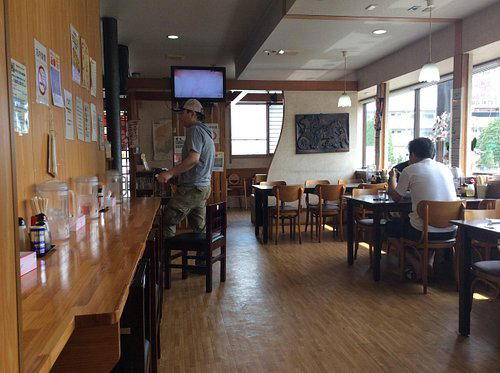
Relaxed and spacious with booth seating, clean environment, and friendly service.