Yen Chiang hotpot
Yen Chiang hotpot sits on Fuxing 1st Street in Zhubei City, part of a dense corridor of communal dining that has made Hsinchu County a serious stop on Taiwan's hotpot circuit. The format here is shared-pot cooking at table, broth, ingredients, and pacing all managed by the diners themselves. For Zhubei's working and residential crowd, it represents a familiar but considered version of a format that rewards repeat visits.
Pearl is the En Primeur Club membership app — saves, bookings, and concierge access live there. Same editors, same standards.
- Address
- No. 236號, Fuxing 1st St, Zhubei City, Hsinchu County, Taiwan 302
- Phone
- +88636579651
- Website
- yenchiang-hotpot.com
- Directions
- Get directions
 Saves & bookings on Pearl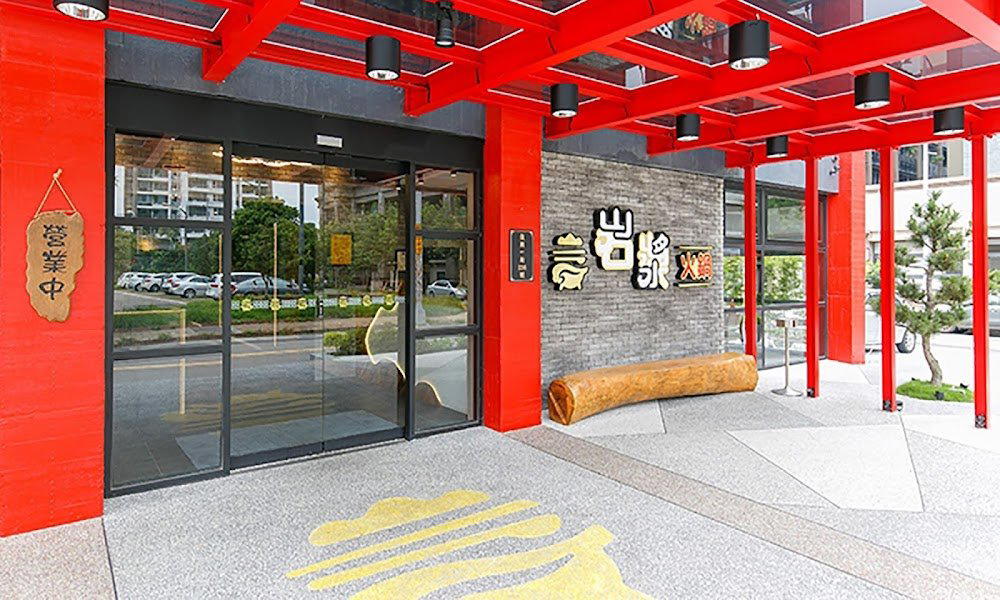
Steam, Broth, and the Ritual of the Shared Pot
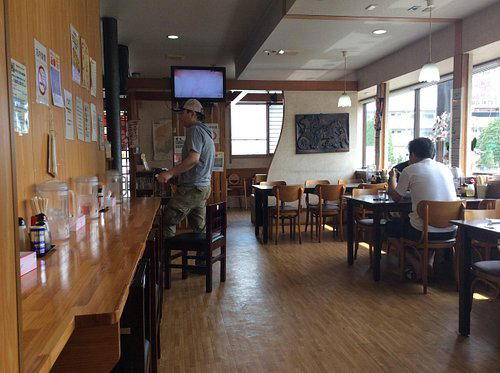
Walk into any serious hotpot room in Taiwan during the cooler months and the first thing you register is not the menu, it is the atmosphere. Steam rises from clay pots and induction burners in steady columns, the low hiss of simmering broth underpinning conversations held at a comfortable volume. Yen Chiang hotpot is a Taiwanese Hotpot restaurant in Zhubei City, Hsinchu County,121 reviews. It operates within this sensory register: a communal format where the table itself is the kitchen, and the rhythm of the meal is set by the diners rather than a kitchen brigade.
Hotpot dining in Taiwan has bifurcated sharply over the past decade. At one end, high-specification parlours with imported Wagyu, premium dashi, and à la carte pricing now occupy the same aspirational tier as tasting-menu restaurants in Taipei. At the other end, neighbourhood operations keep the format grounded in its original purpose: affordable, sociable, and practical for groups. Zhubei, a fast-growing satellite city of Hsinchu with a dense population of technology-sector workers and young families, has seen both formats take root, though the neighbourhood tier remains dominant on residential streets like Fuxing 1st.
The Zhubei Hotpot Circuit
Fuxing 1st Street and its surrounding blocks form a recognisable dining corridor for Zhubei residents. The concentration of hotpot options in this part of the city reflects broader eating patterns in Taiwan's commuter cities: long working hours, preference for group formats, and a domestic food culture in which shared-pot cooking functions as both weeknight dinner and weekend social occasion. Leading One Pot Zhubei Guangming Branch operates at the more systematised end of this scene, with a branded format that has replicated across multiple Taiwan locations. å ºå ShabuShabu ææ©è¾²å ´ takes a farm-sourcing angle, positioning its ingredient story as the distinguishing variable. Volcanic rock occupies another position in the local roster, while å·é åççè rounds out the neighbourhood's shabu and hotpot options with its own format.
For those tracking the wider Taiwan dining scene, the contrast with Taipei's higher-register restaurants is instructive. logy in Taipei and the broader fine-dining tier that has emerged in the capital operate at a completely different price and format level. Similarly, JL Studio in Taichung and GEN in Kaohsiung represent the kind of internationally recognised restaurant culture that Taiwan has developed in its major urban centres. Zhubei's hotpot scene is not competing in that bracket, it serves a different purpose for a different set of expectations, and is stronger for not trying to be something it is not.
The Sensory Logic of Hotpot
The appeal of hotpot as a format is not reducible to the food alone. It is, structurally, a participatory meal: the diner controls cooking times, sequencing, and pacing. Thin-sliced meat goes in briefly; root vegetables and tofu need longer. The broth evolves across the course of the meal, absorbing flavour from each ingredient and becoming progressively richer. This is a format that rewards attention, and regulars at any given hotpot operation quickly develop a feel for the specific broth characteristics and how to sequence their order accordingly.
In Taiwan, hotpot broths tend to range from clear, mild milky bases through to Sichuan-influenced spiced variants and house-recipe blends that sit somewhere in between. The visual difference between a pale, clean dashi-style broth and a deep, rust-coloured spiced pool is immediately apparent across the room, and the smell of a chilli-heavy pot carries distinctly over the ambient steam. These are not incidental details, they are the primary language of differentiation between one hotpot operation and another.
Diners planning a visit to Yen Chiang should go with a group of three or more to make full use of the shared-pot format, and cooler months, from October through February, represent the period when hotpot dining in Taiwan reaches peak cultural resonance. The meal is a longer, slower proposition than a standard à la carte dinner: plan for at least ninety minutes, and treat the pacing as part of the point.
Zhubei's Dining Context and What It Tells You
Zhubei City's emergence as a dining destination of note is recent and largely tied to the growth of Hsinchu Science Park and the residential development that followed it. The city now holds a population segment with strong spending power and a preference for quality-to-value over pure luxury, which has shaped the restaurant corridor on and around Guangming and Fuxing streets. Wang Steak Zhubei Guangming Branch is a marker of that trajectory, a branded steakhouse format that would not have been viable here fifteen years ago.
The dining corridor around Fuxing 1st Street is primarily oriented toward evening service, and the hotpot format typically runs through the dinner period.
Within Hsinchu County more broadly, the dining scene extends into territory worth noting. å»å£é´¨é¦é£¯ in Hsinchu City represents the adjacent urban dining scene, while further across Taiwan's regional restaurant network, operations like A Xia in Tainan and Chenggong Douhua in Chenggong illustrate how distinct Taiwan's culinary geography is at a regional level.
Planning Your Visit
Yen Chiang hotpot is located at No. 236è, Fuxing 1st Street, Zhubei City, Hsinchu County. Reservations are recommended, and the restaurant is open daily from 11 AM to 12 AM. Dress code is casual. Dress code is informal; the format and environment are entirely casual. Bring the group, factor in the meal's inherent pacing, and treat the broth as the anchor around which the rest of the table is built.
Peers Worth Knowing
Comparable venues nearby, for context on price, style, and recognition.
| Venue | Cuisine | Price | Notes |
|---|---|---|---|
| Yen Chiang hotpotThis venue — the venue you are viewing | Taiwanese Hotpot | $$ | Not listed |
| 鮨安 | Taiwanese | Not listed | Zhubei City |
| Monsoon | Neo-Hakkanese Vegetarian | $$$ | Zhubei City |
| 首烏廚EAT | Taiwanese Comfort Food | $$ | Zhubei City |
| Top One Pot Zhubei Guangming Branch | Taiwanese Hot Pot | $$ | Guangming |
| Happy Hwa | Taiwanese Braised Pork Rice | $ | Zhubei City |
Continue exploring
More in Zhubei City
Restaurants in Zhubei City
Browse all →
Bars in Zhubei City
Browse all →
At a Glance
- Group Dining
- Casual Hangout
- Sake Program
Current opening hours
- Monday
- 11 AM–12 AM
- Tuesday
- 11 AM–12 AM
- Wednesday
- 11 AM–12 AM
- Thursday
- 11 AM–12 AM
- Friday
- 11 AM–12 AM
- Saturday
- 11 AM–12 AM
- Sunday
- 11 AM–12 AM
Hours can change for holidays and private events. Last verified .
Casual and energetic hotpot atmosphere with focus on interactive cooking.