Our verdict
バーム occupies a low-key address in Sendai's Aoba Ward, operating within a dining scene that rewards those willing to look beyond the city's more prominent corridors. Located in the Uzen Building on Kimachi, it sits in a neighbourhood where small-format venues define the rhythm of the evening. Details on format, cuisine, and pricing are best confirmed directly with the venue before visiting.

Pearl is the En Primeur Club membership app, where members save venues, book tables and use the concierge.
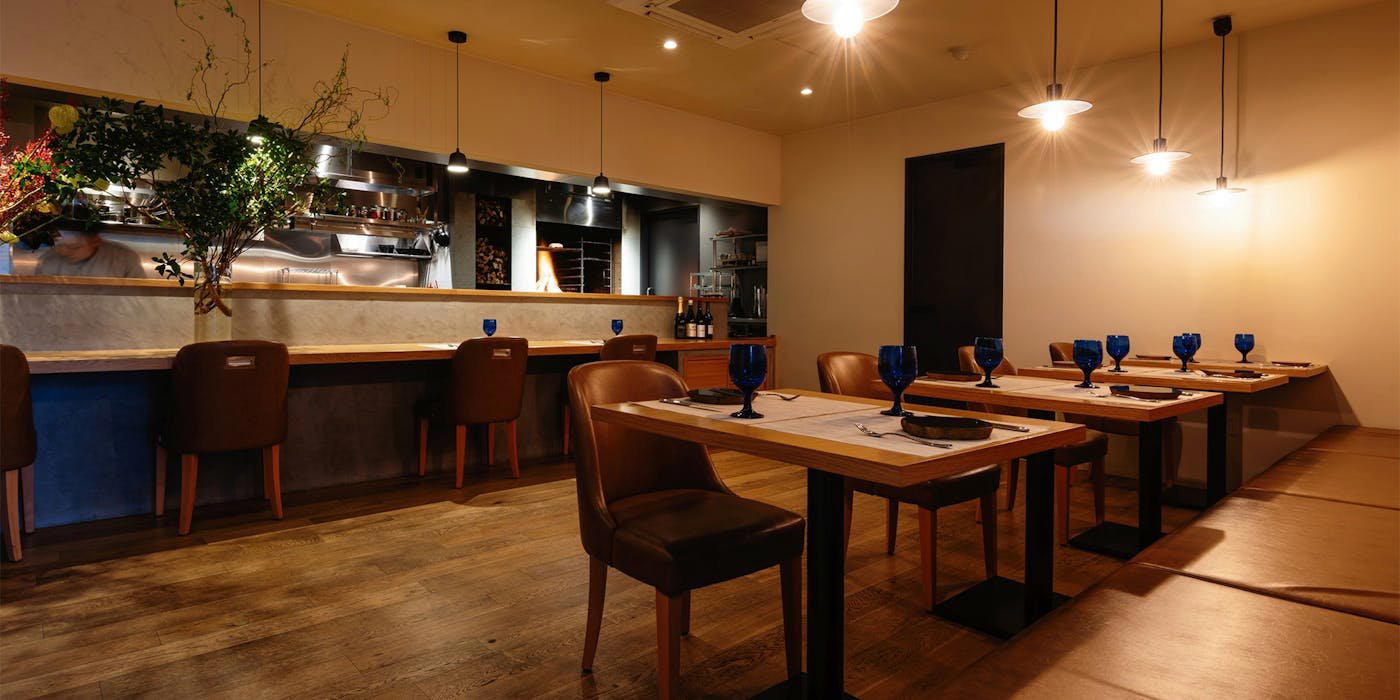
Aoba Ward After Dark: Reading Sendai's Quieter Dining Register
There is a particular quality to Sendai's mid-city evenings that separates it from the more amplified dining theatre of Osaka or Tokyo. The Aoba Ward streets around Kimachi carry a deliberate pace: smaller buildings, venues without canopied entrances or illuminated signage visible from across the block, and a local crowd that has already decided where it is going before stepping out. バーム, at address 17-15 in the Uzen Building on Kimachi, operates inside that register. The building itself is the kind of low-profile commercial structure that appears in dozens of Japanese cities, where the ground floor might hold a convenience store and the upper floors hold something worth seeking out. Arriving here without prior knowledge, you are likely to walk past it. Arriving with it confirmed in your itinerary, the anonymity starts to feel intentional.
The Sensory Grammar of a Venue You Have to Find
Sendai's dining scene has developed along two broad tracks over the past decade. The more visible track runs through the Ichibancho arcade and the streets near the station: izakayas with plastic menu displays, yakiniku chains, and the occasional recognisable brand. The less visible track runs through addresses like Kimachi, where the signal is typically a handwritten sign, a single spotlight on a door, or nothing at all beyond the building number. Venues in this second category communicate differently.
What you encounter on arrival at a venue like バーム, in the Sendai context, tends to follow a pattern familiar from comparable small-format addresses across Tohoku: the approach is quieter than the experience inside warrants. The neighbourhood around Kimachi in Aoba Ward is not a destination strip in the way that Kokubuncho is. It functions more as an inner-city residential-commercial mix, which means the ambient noise level on the street outside is low enough that you become aware of it as contrast when you enter somewhere operating with more focus and intention.
Where バーム Sits in Sendai's Dining Spread
Sendai rewards visitors who treat it as a city with genuine dining depth rather than a stopover between Yamagata and the Tohoku shinkansen corridor further north. The local speciality repertoire, anchored by gyutan (grilled beef tongue) at the casual end and kaiseki-influenced multi-course formats at the formal end, gives the city a wider range than its population size might suggest. Within that spread, Aoba Ward holds several of the more considered small-format venues.
For comparison, Sumiyaki Okagesan prices in the JPY 15,000 to JPY 19,999 range per person and operates at the premium end of Sendai's yakitori tradition. IL PIZZAIOLO runs a more accessible price point (JPY 2,000 to JPY 4,999) with a focused Italian-pizza format. KUROMORI and Matsuzakaya each occupy their own distinct positions in the city's fabric.
For broader context on how Sendai's dining addresses spread across the city's wards and arcades, our full Sendai restaurants guide maps the scene across price tiers and neighbourhood character.
The Tohoku Context: What Regional Japanese Dining Does Differently
Sendai is Tohoku's largest city, and Tohoku as a region has a particular relationship with restraint in its food culture. The produce sourced from the Pacific coast and the mountain prefectures (Yamagata, Iwate, Akita) tends to be handled with less intervention than in cities where technique has become the marketing point. This has a practical consequence for dining: the sensory experience in Tohoku's more considered venues is often built around temperature, texture, and the sequence of flavours rather than dramatic presentation or performance cooking visible from the counter.
Japanese dining addresses across the country that operate in low-profile buildings on secondary streets, the category バーム's address belongs to, often carry the deepest local knowledge of their immediate ingredient supply chains. Whether that holds here requires firsthand verification. What is consistent across comparable venues in Sendai and wider Tohoku is that the relationship between the kitchen and the seasonal calendar tends to be more pronounced than in cities with year-round importation pipelines. Visiting in autumn, when Miyagi Prefecture's shellfish, mushroom, and rice harvests overlap, or in winter, when the Pacific coast produces its cold-water seafood at peak quality, aligns a visit with the strongest seasonal argument for the region.
Placing バーム Against Japan's Broader Small-Format Scene
For context on what the wider Japanese small-format restaurant scene produces at its upper end: HAJIME in Osaka, Harutaka in Tokyo, and Gion Sasaki in Kyoto each demonstrate what a focused format with deep seasonal sourcing can achieve. akordu in Nara and Goh in Fukuoka show how regional cities outside the main triangle can sustain serious culinary ambition. Regionally within Tohoku and Hokkaido, addresses like 夕佳亭 in Sapporo and 鶴羽屋 in Nishikawa Machi demonstrate how seriously northern Japan takes its small-format dining traditions. 一本杉川島製 in Nanao and 湖畔荘 in Takashima round out a picture of Japan's non-metropolitan dining depth. Beyond Japan, Le Bernardin in New York City and Atomix in New York City illustrate how focused formats translate across culinary traditions. バーム at Kimachi 17-15 operates in a city where that non-metropolitan depth is well-established; whether it connects to these broader currents is a question the venue's own record will answer.
Planning a Visit: What to Confirm Before You Go
The Aoba Ward address on Kimachi is accessible from Sendai Station, which sits on the JR lines and the shinkansen network connecting Tokyo and Tohoku. For travellers building a Sendai itinerary that includes Hiro-zushi or Sumiyaki Okagesan, Kimachi sits within the walkable inner-city cluster that makes a multi-venue evening geographically logical. Visiting during Miyagi's seasonal peaks (autumn harvest or winter coast season) adds the strongest environmental argument for whatever the kitchen is doing on a given week. Confirmation of format and reservation policy from the venue itself should be the first step.
Frequently asked questions
What's the address for バーム?
バーム is located at Japan, 〒981-0932 Miyagi, Sendai, Aoba Ward, Kimachi, 17−15 Uzenビル, Sendai.
Is バーム a good option for a solo diner visiting Sendai?
The Kimachi address in Aoba Ward points toward a compact, likely counter-oriented format, the type of venue that tends to suit solo diners over groups. Sendai's inner-city venues of this profile generally offer a more focused, less tourist-facing experience than those on the Ichibancho arcade.
What do regulars order at バーム?
The venue sits in Sendai's Aoba Ward on Kimachi, a street associated with smaller, often specialist venues rather than broad-menu operations. Tohoku's coastal and agricultural produce, including Sanriku seafood and Miyagi rice, tends to shape what kitchens in this part of the city work with, but specific dishes should be confirmed directly with the venue.
Should I book バーム in advance?
Small-format addresses on Kimachi in Aoba Ward commonly run limited covers and rely on repeat clientele rather than open reservation systems. The practical approach is to identify contact details on arrival in Sendai or through local concierge channels before turning up.
Nearby-ish Comparables
Comparable venues nearby, for context on price, style, and recognition.
| Venue | Cuisine | Price | Awards | Notes |
|---|---|---|---|---|
| バームThis venue (the venue you are viewing) | Modern Basque Wood-Fire Grilling | $100–150 | Not listed | Not listed |
| BiXiGARRi | Basque Spanish with Tohoku ingredients | $50–100 | Tabelog 100 #99 | Miyagino-ku |
| Japanese Ryori e. | Japanese Kaiseki | $100–150 | Tabelog 100 #98 | Katahira, Aoba-ku |
| BAR ANDANTE | Classic Cocktail Bar | $30–50 | Tabelog 100 #35 | Aoba Ward |
| hou | Modern Yakitori Omakase | $100–150 | Tabelog 100 #54 | Aoba Ward (Aoba-ku), Ichibancho |
| 松石 | Modern Chinese with Miyagi Ingredients | $50–100 | Tabelog Bronze #263 | Sendai |
Continue exploring
More in Sendai
Restaurants in Sendai
All restaurants in Sendai →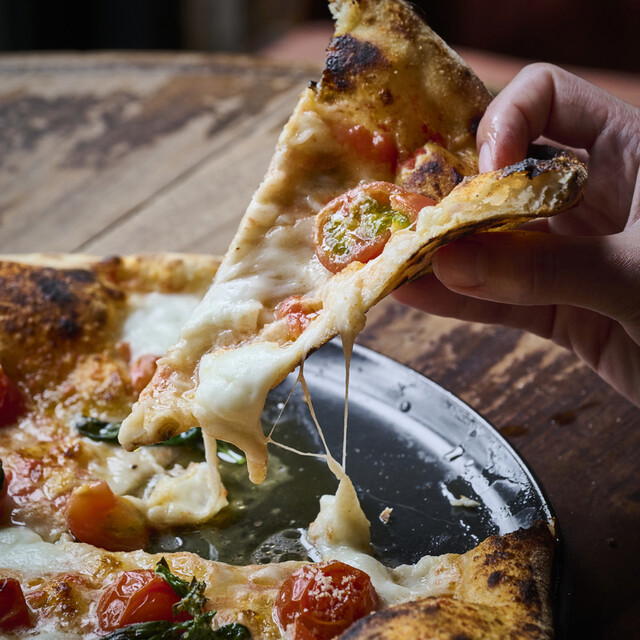
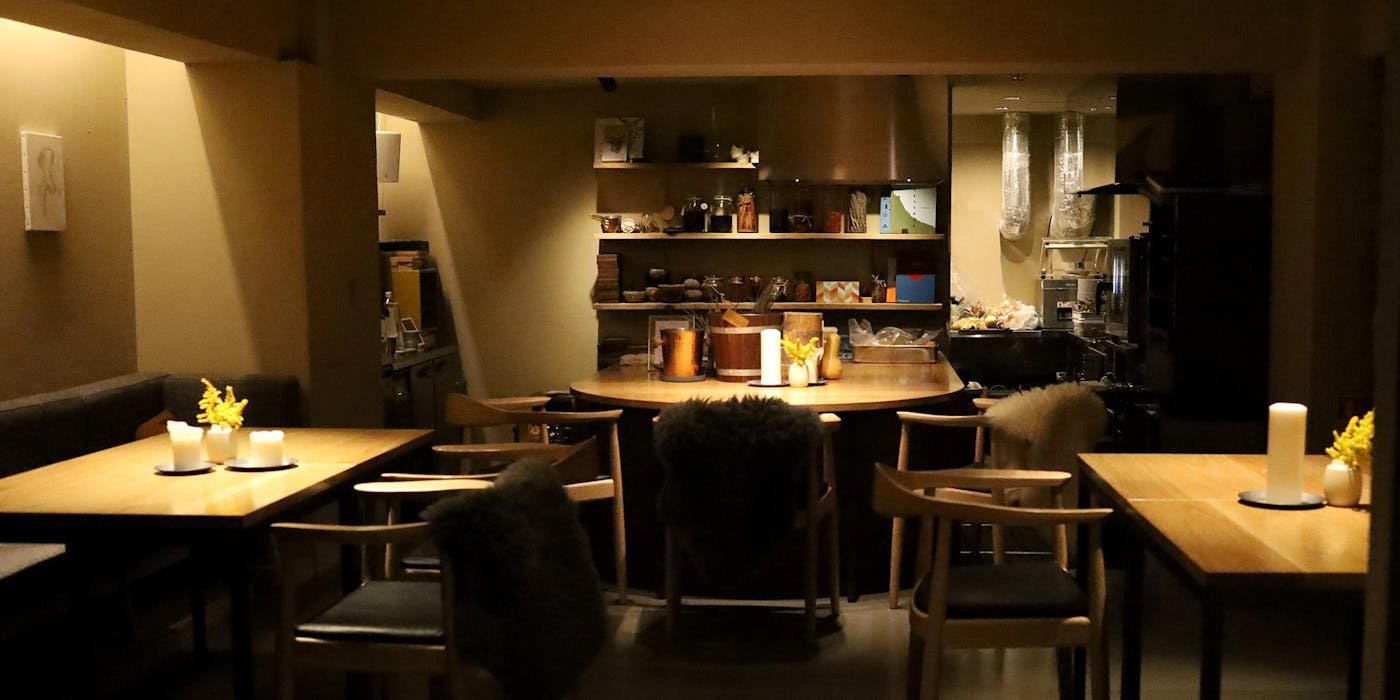
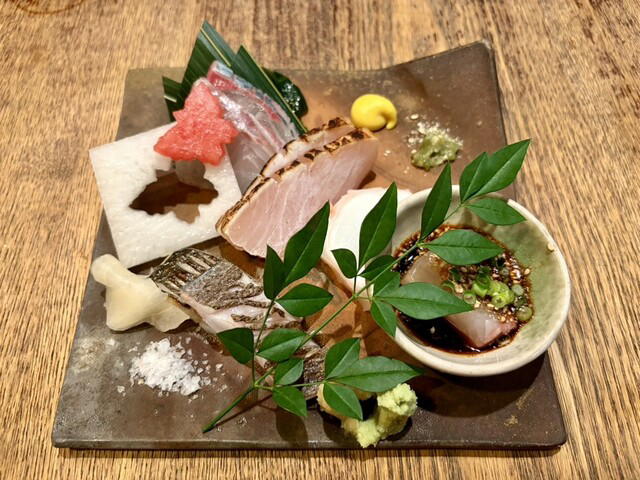
Hotels in Sendai
Browse all →
Wineries in Sendai
All wineries in Sendai →
Details
- Intimate
- Modern
- Elegant
- Special Occasion
- Open Kitchen
- Sake Program
- Local Sourcing
- Tasting Menu
Current opening hours
- Monday
- 6:45–10 PM
- Tuesday
- Closed
- Wednesday
- Closed
- Thursday
- Closed
- Friday
- 6:45–10 PM
- Saturday
- 12:30–3 PM, 6:45–10 PM
- Sunday
- 12:30–3 PM, 6:45–10 PM
Hours can change for holidays and private events. Hours as of .
薪火の香りと音が織りなす温かみのある親密な雰囲気