
Tabelog 100 #99
Our verdict
BiXiGARRi brings Basque cooking into Sendai’s ingredient conversation, using Tohoku produce and a fish-led Spanish format rather than treating Spanish cuisine as imported theatre. Its Tabelog 100 Spanish cuisine selections in 2024 and 2026 place it in a national category while the scale remains compact: counter seats, tables, wine emphasis, and a room built for slower meals near Sendai Station.

Pearl is the En Primeur Club membership app — saves, bookings, and concierge access live there. Same editors, same standards.
- Address
- Japan, 〒983-0865 Miyagi, Sendai, Miyagino Ward, Mototerakoji, 306−14 厚博ビル 2F
- Phone
- +81 22-385-7494
- Hours
- Mon 5:30–10 PMTue–Wed ClosedThu–Fri 5:30–10 PMSat–Sun 11:30 AM–2 PM, 5:30–10 PM
- Website
- bixigarri.com
- Directions
- Get directions
- Booking
- Book on the venue's website
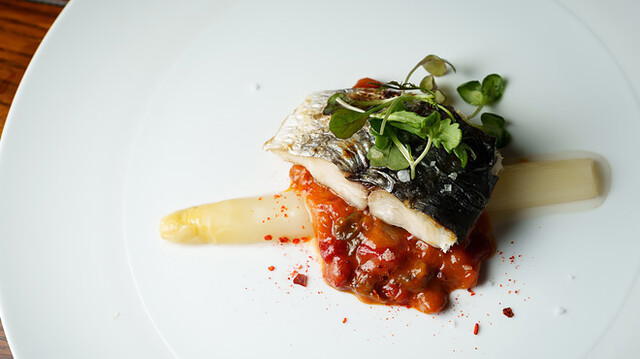
The menu
What to order
- Arroz (Basque-style paella)
- Highest-grade Iberico ham
- Aged beef sirloin steak
- Squid in its ink (chipirones)
The approach to BiXiGARRi feels like a Sendai address that asks diners to shift gears before dinner: upstairs, compact, away from the station-front rush, with the meal framed as a conversation between Spanish technique and northeastern Japan’s larder rather than spectacle. That matters in Sendai, where seafood, rice, beef, and mountain produce already carry strong local identities. Spanish cooking here is not an escape from Miyagi; it reads the region through another grammar.
Sendai’s dining scene often splits into clear lanes for visitors: sushi tied to Miyagi port culture, gyutan around the station, casual sweets and tea rooms, and a growing layer of small-format restaurants using global forms without abandoning local sourcing. BiXiGARRi belongs to that last group. The restaurant is listed for Spanish cuisine in the Tabelog 100 in both 2024 and 2026, a useful signal because the category is national rather than regional. In a city where many strong meals sit inside familiar local categories, this recognition places a Basque-leaning Spanish room into Japan’s broader conversation about how regional ingredients travel across cuisines.
Basque technique gives Tohoku ingredients a different register
The editorial point is sourcing, not novelty. Basque cooking has long worked through fish, grill work, wine, preserved flavours, and a confident relationship with the sea. Tohoku gives that structure credible material: a coastline known for seafood, cold-season depth, and produce that rewards restraint. BiXiGARRi is tagged for Spanish cuisine, with a stated emphasis on fish and wine, which tells experienced diners more than a long dish list would. Its identity sits in the friction between place and method: Spanish format, Miyagi supply, Japanese precision around pacing and portion.
That makes it a different decision from station-adjacent sushi or beef-led dining. Senrei Zushi JR sendai eki 3 kai ten and Shiogama Sushi Tetsu S-PAL sendai ten answer the Sendai traveller’s need for seafood in a Japanese idiom, while Yonezawa Gyuu Yakiniku Kotora Sendai ekimae ten sits in the meat-focused lane. BiXiGARRi asks what happens when the region’s fish and produce are handled through Spanish habits of wine pairing, shared rhythm, and coastal cooking rather than sushi-counter purity. For diners spending time in Sendai beyond transit, that question is more interesting than another checklist meal.
The restaurant’s scale sharpens the point. Eighteen seats, split between counter and table seating, puts the room closer to a controlled small restaurant than a casual tapas bar. A six-seat counter changes how Spanish cooking lands in Japan: less barroom sprawl, more attention to sequencing. The format also explains why celebrations, solo dining, and family use can sit side by side without contradiction. Small rooms in Japan often handle mixed occasions better than larger dining rooms because pacing is set by the kitchen rather than crowd energy.
A compact Spanish room inside Sendai's station-side dining map
Mototerakoji, near Sendai Station, is not the city’s old merchant quarter or nightlife core in the way Kokubuncho reads to many visitors. Its usefulness is practical and culinary: close enough to the station for travellers, removed enough to support destination meals rather than convenience eating. That position places BiXiGARRi in conversation with Sendai’s breadth. A visitor can build an itinerary around local sweets at ankoya Ekimae ten, tea at Baisaou, contemporary dining at Ademain, or South Asian spice at achaar; a Spanish table focused on Tohoku ingredients adds another axis rather than competing in the same lane.
Wine is part of that axis. Spanish restaurants in Japan can drift into casual bar territory or formal tasting-menu mimicry. The stronger middle ground treats wine as structure: seafood, vegetables, grilled elements, and preserved notes need acidity and texture, not trophy labels alone. BiXiGARRi’s stated wine emphasis supports that reading. The room makes more sense for diners who want a composed evening than for those seeking a fast pre-train plate.
The Tabelog score of 3.70 also needs context. On that platform, category recognition and a score in this range signal a restaurant beyond neighbourhood affection into wider dining relevance. The 2026 Spanish cuisine Tabelog 100 selection is the stronger trust marker, especially because Sendai is not the default mental map for Spanish dining in Japan. The selection places the restaurant beside national peers in category terms, while its ingredient logic remains tied to Miyagi and Tohoku.
Who should put it on a Sendai dining plan
This fits travellers who have already accounted for Sendai’s obvious food rituals and want a meal that explains the region by translation rather than repetition. It also suits solo diners who prefer counter seating, small groups that want wine to shape the evening, and families comfortable with a compact dining room. Private-room seekers should look elsewhere; the appeal is proximity to the cooking and the controlled pace of a small room.
Compared with cheaper station snacks or quick local staples, BiXiGARRi occupies a deliberate slot in a Sendai itinerary. Pair it with broader city planning through Our full Sendai restaurants guide, then build the rest of the trip with Our full Sendai hotels guide, Our full Sendai bars guide, Our full Sendai wineries guide, and Our full Sendai experiences guide. For readers comparing Japanese dining styles beyond Miyagi, useful contrasts include Ako, -Grilled beef Sukiyaki- KAMAKURA TANUKIAN 鎌倉 たぬき庵 in Kamakura, . 鮪と炭火焼き うお炭 秋葉原店 in Tokyo.cafe in Osaka.know in Kumamoto, (Shoku) Vietnam in Kawasaki, [Curry Senmon Ten] Maruyama Kyoju. in Sapporo, Jōdo Saké Bar in Los Angeles, and Onigiri Time in Pasadena.
The recommendation is clear: place BiXiGARRi after the standard Sendai food stops, not before them. Its value is in showing how far local ingredients can move without losing their regional accent. In a city where many meals announce Miyagi directly, this one makes the case through Spanish structure, wine, fish, and a room small enough for those choices to register.
Frequently asked questions
What are the operating hours at BiXiGARRi?
Hours at BiXiGARRi: Mon: 5:30–10 PM; Tue: Closed; Wed: Closed; Thu: 5:30–10 PM; Fri: 5:30–10 PM; Sat: 11:30 AM–2 PM, 5:30–10 PM; Sun: 11:30 AM–2 PM, 5:30–10 PM.
What's the pricing like at BiXiGARRi?
Pricing at BiXiGARRi is listed as JPY 8,000 - JPY 9,999 JPY 4,000 - JPY 4,999.
What part of town is BiXiGARRi in?
BiXiGARRi is located in Sendai.
What is BiXiGARRi known for?
BiXiGARRi is known for Basque cuisine made with Tohoku ingredients, served in Sendai near Sendai Station. It was selected for Tabelog 100 in Spanish cuisine in 2024 and 2026, which gives it clear third-party credibility. The room is compact, with 18 seats including 6 at the counter.
Side-by-Side Snapshot
Comparable venues by cuisine and price in the same metro.
| Venue | Cuisine | Price | Awards | Notes |
|---|---|---|---|---|
| BiXiGARRiThis venue — the venue you are viewing | Basque Spanish with Tohoku ingredients | $50–100 | Tabelog 100 #99 | Not listed |
| バーム | Modern Basque Wood-Fire Grilling | $100–150 | Not listed | 木町 |
| BAR arcenciel | Classic Japanese cocktail bar | $30–50 | Tabelog 100 #61 | Kokubuncho / Aoba-ku |
| Yakiniku Kotora - Clisroad | Premium Wagyu Yakiniku | $20–30 | Tabelog 100 #27 | Clisroad Shopping Street |
| Tempura Azumi | Seasonal Tempura Omakase Counter | $50–100 | Tabelog 100 #61 | Kokubuncho, Aoba Ward |
| PIZZERIA DE NAPULE | Traditional Italian pizzeria | Not listed | Tabelog 100 #14 | Sendai |
Recognition history
Dated appearances from independent guides and award organizations, with the underlying list record or original source where available.
Tabelog 100 #99 · No. 99
Tabelog · Tabelog 100 - Spanish cuisine - 2026
Continue exploring
More in Sendai
Restaurants in Sendai
Browse all →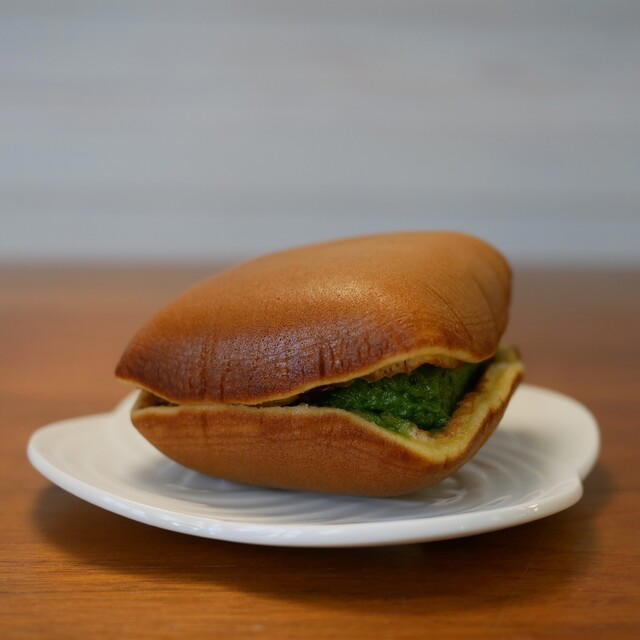
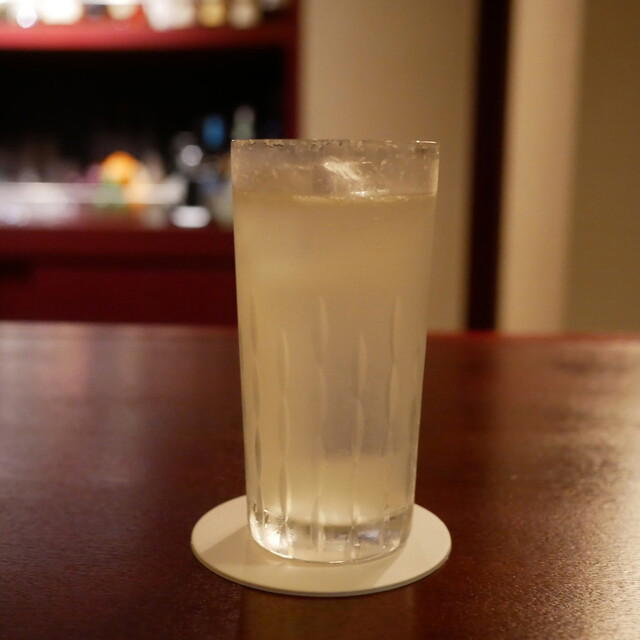
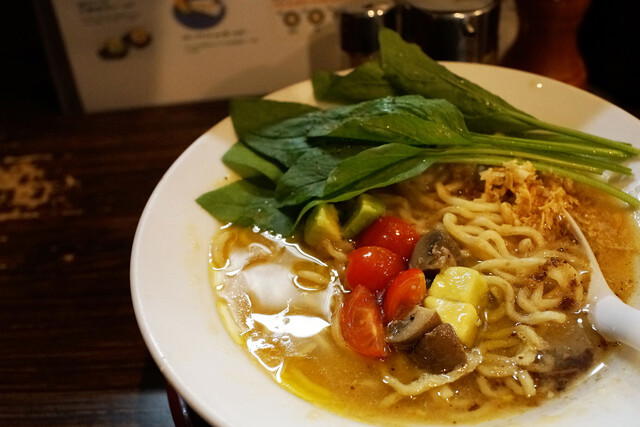
Hotels in Sendai
Browse all →
Wineries in Sendai
Browse all →
Details
- Cozy
- Intimate
- Modern
- Elegant
- Date Night
- Business Dinner
- Group Dining
- Family
- Celebration
- Special Occasion
- After Work
- Solo
- Standalone
- Design Destination
- Private Dining
- Chefs Counter
- Extensive Wine List
- Natural Wine
- Sommelier Led
- Local Sourcing
- Farm To Table
- A La Carte
- Tasting Menu
- Small Plates
- Set Menu
- Wine
- Natural Wine
- Allergy Accommodating
Current opening hours
- Monday
- 5:30–10 PM
- Tuesday
- Closed
- Wednesday
- Closed
- Thursday
- 5:30–10 PM
- Friday
- 5:30–10 PM
- Saturday
- 11:30 AM–2 PM, 5:30–10 PM
- Sunday
- 11:30 AM–2 PM, 5:30–10 PM
Hours can change for holidays and private events. Last verified .
Warm wood and stone textures create a cozy, contemporary room that evokes the Basque region; the space feels like a quiet, adult retreat with counter and small tables, relaxed but polished enough for dates and special occasions.