
Tabelog 100 #14
Our verdict
Baisaou places Sendai’s wagashi culture in a restrained, low-spend format: Japanese traditional sweets, a sweets-cafe setting, and kakigori rather than a full restaurant meal. Its 2023 Tabelog 100 selection for Japanese traditional sweets and sweets cafes in East Japan gives it a clear quality signal within a category where precision, seasonality, and quiet service matter more than spectacle.

Pearl is the En Primeur Club membership app — saves, bookings, and concierge access live there. Same editors, same standards.
- Address
- 3-13 Kasugamachi, Aoba Ward, Sendai, Miyagi 980-0821, Japan
- Phone
- +81 22-214-2262
- Hours
- Mon ClosedTue–Sun 9:30 AM–6 PM
- Website
- instagram.com
- Directions
- Get directions
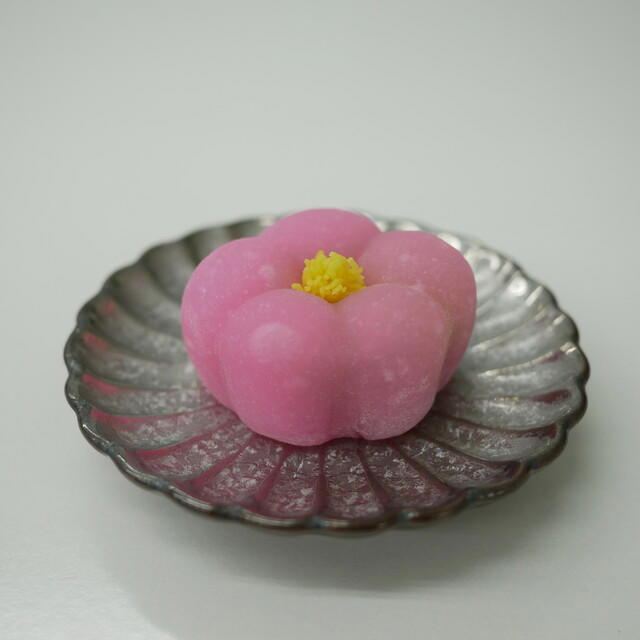
The menu
What to order
- Nerikiri wagashi
- Dorayaki
- Michinoku senbei
- Seasonal kakigori (shaved ice)
Approach Kasugamachi and the mood changes from Sendai’s station-side momentum to a quieter civic quarter: park edges, cultural buildings, smaller shopfronts, and a slower rhythm that suits wagashi better than restaurant theatre. Japanese sweets demand attention at a different scale from dinner. The work is measured in texture, temperature, bean paste, rice flour, tea bitterness, shaved ice, and the discipline of not overloading sweetness. In Sendai, a city better known to many visitors for beef tongue and izakaya evenings, this category gives a more revealing daytime read on local taste.
Baisaou sits inside that quieter register. The relevant comparison is not a full-service restaurant with a long drinks list or a counter built around chef performance; it belongs to the Japanese traditional sweets and sweets-cafe category, with kakigori part of the offer and take-out also in play. That matters for value. The spend sits in a modest bracket for Japan, yet the format still carries craft signals that serious diners recognise: a Tabelog 100 selection for Japanese traditional sweets and sweets cafes in East Japan in 2023, plus a Tabelog score of 3.64. In a category where national guides often pay less attention than they do to sushi, tempura, or kaiseki, that kind of specialist recognition is useful.
Wagashi value in a city that often gets read through dinner
Sendai’s dining identity is often compressed into evening eating: grilled beef tongue, sake-led izakaya, seafood, and regional comfort dishes. That view misses how Japanese cities express themselves through sweets shops and tea rooms. Wagashi is not dessert as an afterthought; it is a parallel tradition with its own timing and expectations. The room does not need volume, a tasting-menu arc, or a sommelier’s explanation to make sense. It needs careful pacing and enough restraint for sweetness to feel calibrated rather than heavy.
That is where the value proposition becomes sharper. A sweets-cafe stop can carry more cultural information than another middling lunch, especially for travellers moving through Tohoku on a tight itinerary. The format offers a low-commitment way to read local craft: Japanese traditional sweets for structure, cafe service for pause, kakigori for seasonally inflected refreshment. It is not a replacement for Sendai’s dinner scene; it is the counterweight to it.
Within the local comparison set, the difference is clear. Bon Kura and PIZZERIA DE NAPULE occupy casual restaurant territory, while Izakaya Chocho and Wabisuke sit in a higher evening-spend bracket. 鮨德 points toward a different set of expectations altogether, where sushi culture changes the calculus around access, pacing, and price. A sweets cafe operates outside that dinner hierarchy. The payoff is not prestige dining, but a disciplined category experience with a lower barrier to entry.
Why the Tabelog 100 signal matters for sweets
Tabelog’s Hyakumeiten lists are especially relevant in categories that overseas visitors may under-research. A 2023 selection in the Japanese traditional sweets and sweets-cafe East Japan list places Baisaou in a specialist field rather than a broad restaurant ranking. That distinction matters. Wagashi shops are judged less by grand gestures than by consistency, texture, ingredient handling, and how well the shop understands the quiet social function of sweets: a pause between errands, a seasonal gift, a stop after a museum or park walk, a take-home box for later.
The appeal here is not built around a named chef narrative, and that is a strength. Japanese sweets culture rarely needs the personality-driven framing common in contemporary restaurants. The category is older than that, and the shop’s relevance comes from its placement within a long craft tradition: sweets as ceremony-adjacent, sweets as seasonal marker, sweets as city habit. For a visitor, that makes the experience easier to misread. Expecting a dramatic meal would be the wrong frame; expecting precision at a small scale is the right one.
The tatami-room note also points toward a slower mode of service than the stand-and-go rhythm of many urban sweet shops. Combined with non-smoking status and a take-out option, the format can flex between a short stop and a more settled break. Reservations are accepted for seasonal sweets, including limited editions, which is another clue about how the shop functions: not just as a cafe, but as a source for items tied to calendar and availability.
How to place it within a Sendai itinerary
Strongest use case is daytime. Sendai rewards travellers who divide the day by category rather than trying to force every stop into a restaurant schedule: coffee or sweets before a park walk, a proper lunch elsewhere, izakaya or sushi at night. Baisaou fits that middle register. It is the kind of address that can make a city feel less generic because it asks for a different pace from the visitor.
For broader planning, pair this kind of sweets stop with a wider read of the city rather than treating it as a standalone trophy. is the better starting point for mapping meals across the day, Our full Sendai experiences guide help frame the trip beyond restaurant reservations. Nearby editorial threads include achaar, Ademain, Ako, ankoya Ekimae ten, and Banshaku to Bangohan Choutsugahi. For a wider Japan-and-beyond comparison of casual specialists, see -Grilled beef Sukiyaki- KAMAKURA TANUKIAN 鎌倉 たぬき庵 in Kamakura. 鮪と炭火焼き うお炭 秋葉原店 in Tokyo.cafe in Osaka.know in Kumamoto, (Shoku) Vietnam in Kawasaki, [Curry Senmon Ten] Maruyama Kyoju. in Sapporo, Jōdo Saké Bar in Los Angeles, and Onigiri Time in Pasadena.
The critical point is simple: this is not where to chase a long meal. It is where Sendai’s quieter food culture becomes legible through sweets, tea-room pacing, and a price level that leaves the rest of the day open. For travellers who usually reserve attention for dinner, that may be the better correction.
Frequently asked questions
Can I bring kids to Baisaou?
The venue details do not list an age restriction. Baisaou runs daytime hours in Sendai, offers take-out, and has tatami seating, which makes it a workable stop for families that are comfortable with that setup.
Is Baisaou better for a quiet night or a lively one?
Baisaou suits a quiet daytime stop, not a night out, since it opens from 9:30 AM to 6 PM and is closed on Mondays and Tuesdays. Its Tabelog 100 selection in 2023 for Japanese traditional sweets also points to a place people visit for the sweets counter, not a late-evening scene.
What does dinner at Baisaou typically cost?
Pricing at Baisaou is listed as JPY 1,000 - JPY 1,999 View spending breakdown.
What are the operating hours at Baisaou?
Hours at Baisaou: Mon: Closed; Tue: 9:30 AM–6 PM; Wed: 9:30 AM–6 PM; Thu: 9:30 AM–6 PM; Fri: 9:30 AM–6 PM; Sat: 9:30 AM–6 PM; Sun: 9:30 AM–6 PM.
What's Baisaou's location?
Baisaou is located in Sendai.
Reputation Context
Comparable venues in the metro at similar price points.
| Venue | Cuisine | Price | Awards | Notes |
|---|---|---|---|---|
| BaisaouThis venue — the venue you are viewing | Traditional Japanese wagashi & kakigori shop | $10–20 | Tabelog 100 #14 | Not listed |
| ankoya Ekimae ten | Japanese sweets / Dorayaki | Not listed | Tabelog 100 #27 | Aoba-ku |
| Senrei Zushi JR sendai eki 3 kai ten | Standing sushi counter with Sanriku seafood | $30–50 | Tabelog 100 #58 | Aoba-ku |
| Shinogi | Traditional Japanese Izakaya | $20–30 | Tabelog 100 #42 | Aoba Ward |
| Gout | Yoshoku Western-style Japanese | $20–30 | Tabelog 100 #97 | Ichibancho |
| Sendai Chuka Soba Meiten Kaichi Kokubuncho ten | Traditional chicken-based ramen (chuka soba) | $10–20 | Tabelog 100 #63 | Kokubuncho |
Recognition history
Dated appearances from independent guides and award organizations, with the underlying list record or original source where available.
Tabelog 100 #14 · No. 14
Tabelog · Tabelog 100 - Japanese traditional sweets / Japanese sweets cafe - EAST - 2023
Continue exploring
More in Sendai
Restaurants in Sendai
Browse all →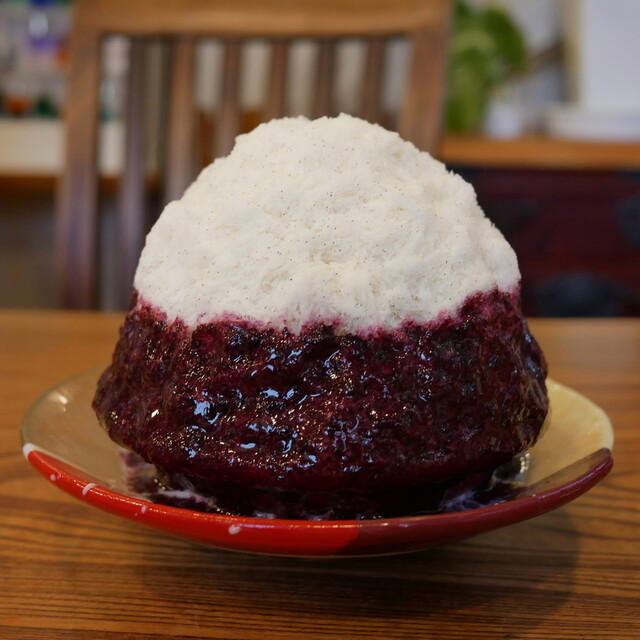
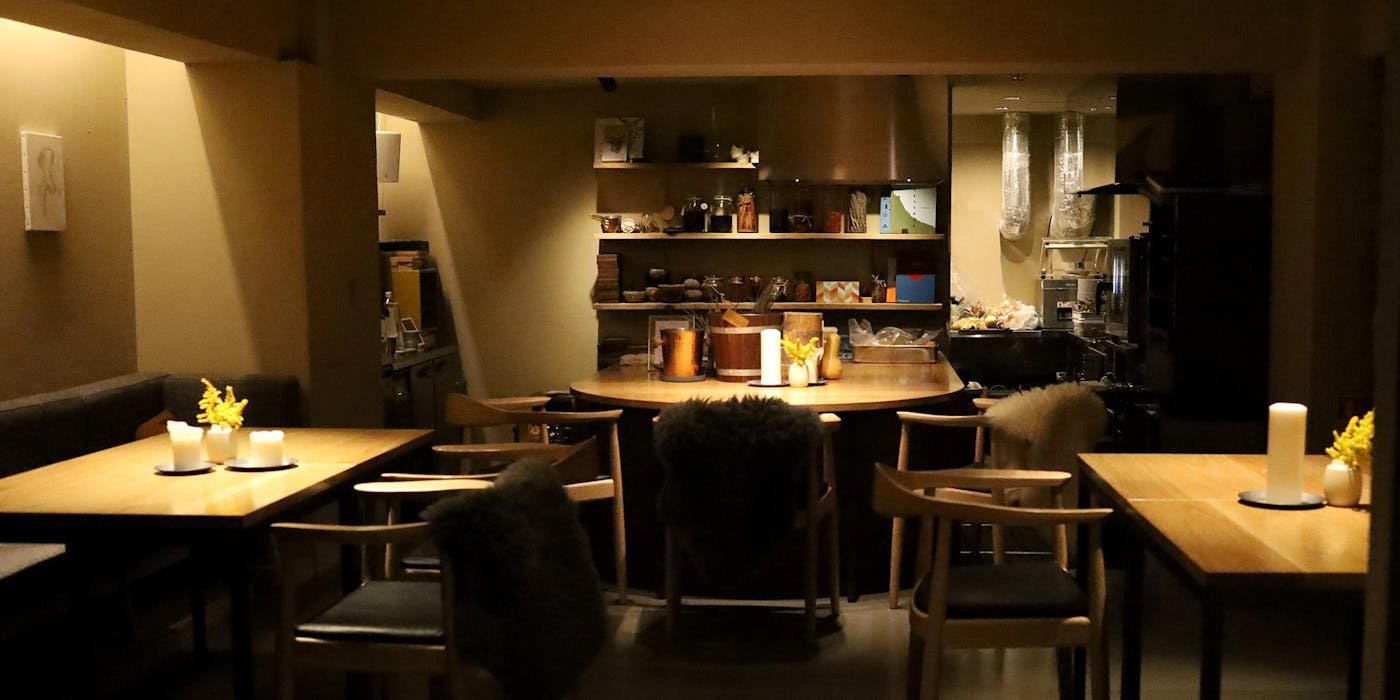
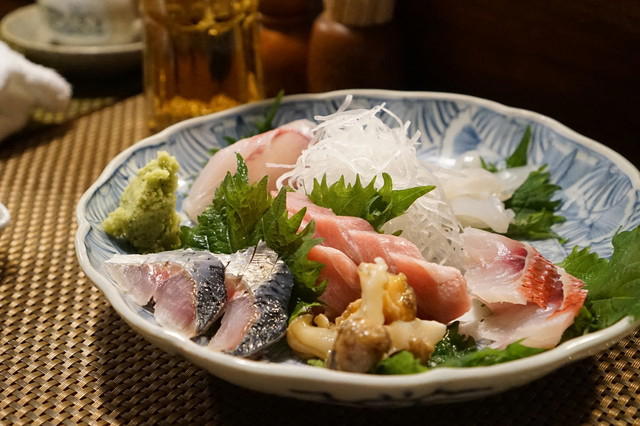
Hotels in Sendai
Browse all →
Wineries in Sendai
Browse all →
Details
- Classic
- Cozy
- Quiet
- Solo
- Casual Hangout
- Family
- After Work
- Historic Building
- Standalone
- Design Destination
- A La Carte
- Tea
Current opening hours
- Monday
- Closed
- Tuesday
- 9:30 AM–6 PM
- Wednesday
- 9:30 AM–6 PM
- Thursday
- 9:30 AM–6 PM
- Friday
- 9:30 AM–6 PM
- Saturday
- 9:30 AM–6 PM
- Sunday
- 9:30 AM–6 PM
Hours can change for holidays and private events. Last verified .
Traditional and understated with a calm, tearoom‑like atmosphere; simple wood and classic Japanese design, soft natural light by day, and a quiet, relaxed mood suited to slowly enjoying wagashi rather than a busy café scene.