
Tabelog 100 #34
Our verdict
Daikoshou sits in Sendai’s Ichibancho orbit, where steak dining is less about spectacle than sourcing, heat control, and the discipline of a counter-led room. Its selection for Tabelog Steak / Teppanyaki EAST “Tabelog 100” in 2025 places it among the region’s more closely watched beef addresses, with a dinner spend in the JPY 10,000–14,999 bracket.

Pearl is the En Primeur Club membership app — saves, bookings, and concierge access live there. Same editors, same standards.
- Address
- 宮城県仙台市青葉区一番町4-3-18
- Phone
- +81222243988
- Website
- tabelog.com
- Directions
- Get directions
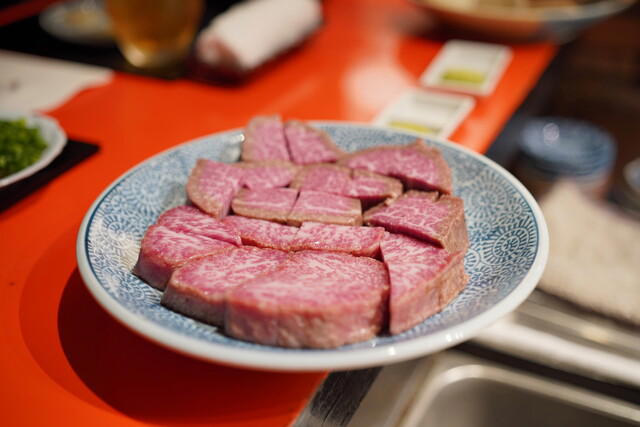
Sendai after dark has a different rhythm from larger station-front dining strips: narrower streets, smaller rooms, and restaurants that reveal themselves through signs, stairwells, and the glow of service rather than grand entrances. In that setting, steak is not a generic luxury category. It is a test of sourcing, trimming, seasoning, and timing, especially in a city where diners can be attentive to whether a kitchen treats the ingredient as status symbol or craft.
Daikoshou belongs to that quieter Sendai tier. The appeal is focused rather than banquet-driven, which matters for steak: the meal is built around a shorter line between cooking and serving, and a format that rewards attention over abundance. Its 2025 Tabelog Hyakumeiten recognition gives the restaurant a meaningful trust signal in a category where regional specialists often compete with big-city expense accounts and polished dining rooms.
Sendai steak culture, seen from the table
Japanese steak dining splits into several registers. There is teppanyaki as theatre, yakiniku as group appetite, wagyu-focused dining as connoisseurship, and Western-style steak houses where cuts and doneness carry the meal. Sendai’s version can feel less performative than the highest-gloss luxury formats, partly because the city’s dining culture is often associated with compact rooms, regulars, and precise local habits. A restaurant in this category has to justify itself through the beef rather than décor alone.
That is why ingredient sourcing is the relevant lens here. Sendai diners are accustomed to seeing provenance used as a marker of quality, but the useful question is not whether a steak restaurant serves expensive beef. It is whether the format gives that beef enough room to show texture, fat, and cut selection without smothering it in ceremony. A focused room is a structural advantage: it narrows the meal, slows the pace, and puts cooking decisions at the center.
The Tabelog recognition is also category-specific. It is not a broad popularity badge; it places the restaurant inside a field where beef-focused addresses are judged against peers rather than against unrelated cuisine. In Sendai, that matters. The city has excellent casual eating, from sweets counters such as Kanmidokoro Hikoichi to drink-led rooms like LE BAR KAWAGOE, BAR arcenciel, and Banshaku to Bangohan Choutsugahi, but a steak restaurant in the JPY 10,000–14,999 dinner range occupies a narrower decision point: a planned dinner, not a spontaneous stop.
Why the sourcing question carries the meal
Steak restaurants in Japan often ask the diner to read small signals: the confidence of a limited category, the way the room is paced, and the way service keeps attention on the beef. For Daikoshou, the useful read is straightforward: it is listed in the steak category, carries a 2025 Tabelog Hyakumeiten recognition, and sits in a dinner budget range that asks diners to treat the meal as intentional rather than incidental.
The restaurant’s profile also resists the high-gloss international template. There is no need to frame Sendai steak through imported luxury vocabulary when the city has its own culinary grammar: local dining habits, focused rooms, and repeat custom. Compared with lower-spend Sendai venues, the price bracket signals a more deliberate occasion; compared with metropolitan wagyu counters, the appeal is regional specificity rather than trophy dining.
For travelers building a Sendai eating itinerary, Daikoshou makes sense as the beef anchor rather than the whole story. The city is better read across categories: other Sendai dining rooms, focused local stops, casual counters, and tea or sweets-led addresses. Read together, they show a city that rewards specificity more than scale.
How to place it in a Sendai itinerary
The better use of this address is as a dinner with intent. It is not the obvious choice for diners seeking a relaxed, low-cost meal, nor for travelers trying to graze through multiple stops in one night. It suits diners who want beef to be the main argument of the evening and who understand that a focused steak format changes the social contract: fewer distractions, closer attention, and a slower read on the room.
Its Sendai position also makes it easy to fold into a wider city plan without turning dinner into a commute. Visitors comparing Sendai categories can use Our full Sendai restaurants guide for dining, then map the rest of the trip through Our full Sendai hotels guide, Our full Sendai bars guide, Our full Sendai wineries guide, and Our full Sendai experiences guide. For broader Japan and overseas comparisons, the archive stretches across other dining rooms in Japan and beyond, but Daikoshou is best understood first through Sendai’s own steak culture.
The editorial read is clear: Daikoshou is for diners who want Sendai’s beef culture in a compact, serious register. The award recognition gives it external weight, and its Tabelog score of 3.63 adds another public signal, but the stronger reason to go is the alignment of category, room, and regional appetite. In a city where many satisfying meals can be casual, this is the kind of dinner that should be planned as the main event.
Frequently asked questions
Is Daikoshou child-friendly?
Daikoshou reads more as a planned steak dinner than a casual family stop. Check the venue's official channels for the latest details.
Is Daikoshou formal or casual?
The provided venue information does not specify a dress code or formality level. The practical clue is the listed dinner budget of JPY 10,000–14,999 in Sendai.
What should I budget for a meal at Daikoshou?
Pricing at Daikoshou is listed as JPY 10,000 - JPY 14,999 View spending breakdown.
Where do I go for Daikoshou?
Sendai.
How hard is it to get a table at Daikoshou?
The provided venue information does not specify reservation difficulty. Its 2025 Tabelog Hyakumeiten recognition suggests it is worth planning ahead for a steak dinner.
Quick Comparison
Comparable venues by cuisine and price in the same metro.
| Venue | Cuisine | Price | Awards | Notes |
|---|---|---|---|---|
| DaikoshouThis venue — the venue you are viewing | Japanese Steakhouse | $50–100 | Tabelog 100 #34 | Not listed |
| Ako | Seasonal Charcoal-Grilled Japanese Izakaya | $50–100 | Tabelog 100 #5 | Kokubuncho, Aoba-ku |
| Sushi Yui | Traditional Sushi Omakase | $150–200 | Tabelog 100 #74 | Aoba-ku |
| Sumiyaki Okagesan | Yakitori Omakase with Takasaka Chicken | $100–150 | Tabelog Bronze #335 | Aoba-ku |
| 中国めしや 竹竹 | Chinese Mapo Yakisoba Specialist | $10–20 | Not listed | Aoba-ku |
| Una Ki | Traditional Japanese Unagi | $30–50 | Tabelog 100 #33 | Kokubuncho |
Recognition history
Dated appearances from independent guides and award organizations, with the underlying list record or original source where available.
Tabelog 100 #34 · No. 34
Tabelog · Tabelog 100 - Steak / Teppanyaki - EAST - 2025
Continue exploring
More in Sendai
Restaurants in Sendai
Browse all →
Hotels in Sendai
Browse all →
Wineries in Sendai
Browse all →
Details
- Classic
- Intimate
- Sophisticated
- Date Night
- Business Dinner
- Special Occasion
- Group Dining
- After Work
- Chefs Counter
- Standalone
- Sake Program
- Beer Program
- Extensive Wine List
- Counter Dining
- A La Carte
- Sake
- Shochu
- Wine
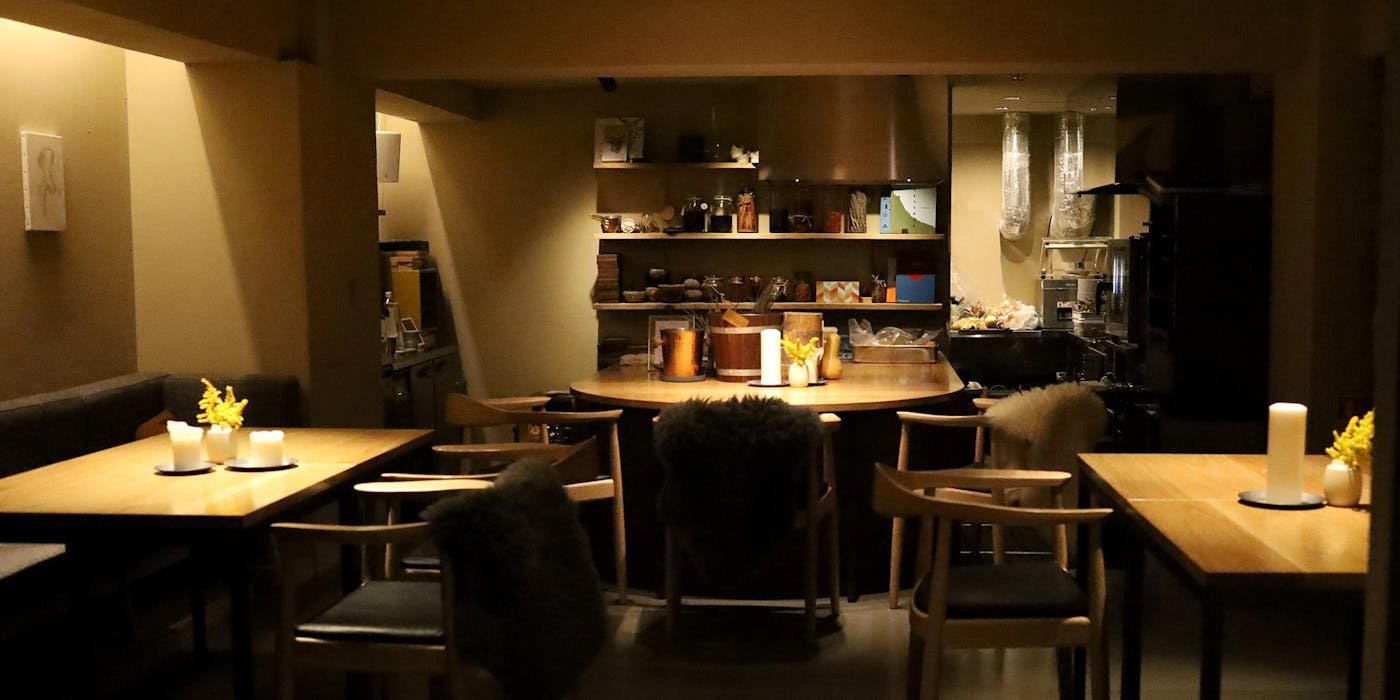
Calm, adult, and slightly luxurious, with a hidden-entrance feel and a stylish counter-focused setting.