
Tabelog 100 #86
Our verdict
achaar gives Sendai’s suburban curry scene a serious point of reference: South Asian, Indian curry, and Nepalese cooking filtered through a vegetable-forward, health-conscious kitchen. Its Tabelog 100 selections for Asian and ethnic cuisine in EAST Japan place a small Takamori house restaurant in a competitive regional conversation usually dominated by bigger-city dining rooms.

Pearl is the En Primeur Club membership app — saves, bookings, and concierge access live there. Same editors, same standards.
- Address
- 5 Chome-15-7 Takamori, Izumi Ward, Sendai, Miyagi 981-3203, Japan
- Phone
- +81 22-777-2663
- Hours
- Mon–Tue ClosedWed–Fri 11 AM–5 PMSat–Sun 11 AM–8 PM
- Website
- facebook.com
- Directions
- Get directions
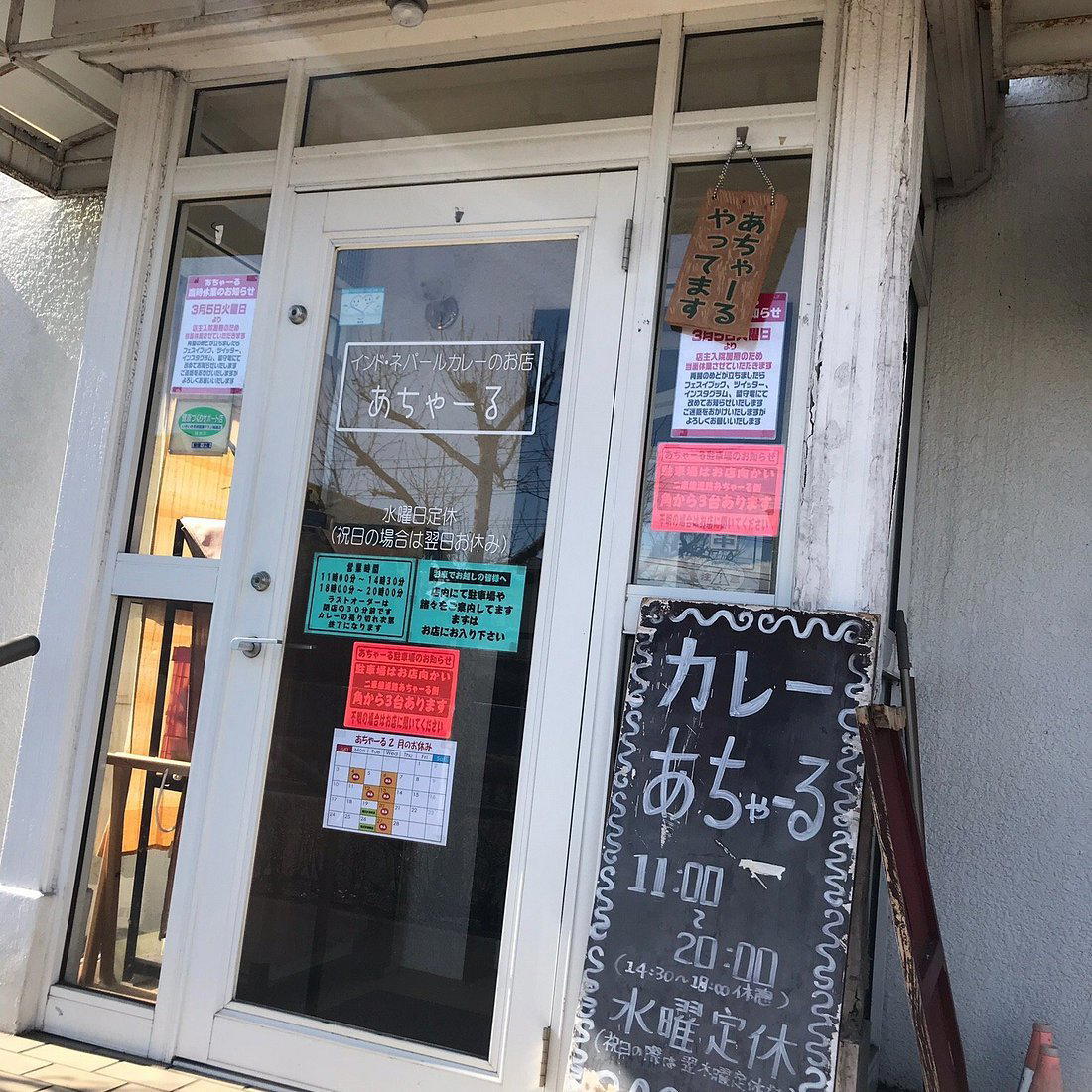
The menu
What to order
- Omelette curry set
- Chicken curry set
- Chicken kofta set
- Tandoori chicken
- Special thali (reservation only)
The approach to achaar is suburban rather than theatrical: Takamori houses, residential quiet, and a dining room scaled to 14 table seats rather than the churn of a station-front curry shop. That setting matters. Sendai’s strongest casual restaurants often sit outside the obvious visitor circuit, where local regularity counts more than foot traffic and where a narrow menu focus can survive without the pressure to become everything to everyone.
In that context, South Asian cooking has a different job from the one it performs in Tokyo’s high-volume curry corridors. The category here is not just spice and speed. It is the meeting point of Indian curry, Nepalese cooking, and Japanese expectations around vegetables, portion, restraint, and lunch value. achaar sits in that intersection with a price band of JPY 1,000 to JPY 1,999 and a format that reads as everyday dining, not occasion dining. The Tabelog score of 3.54 and selection for Tabelog 100 Asian cuisine / Ethnic cuisine EAST 2024 give the room a credential beyond neighbourhood loyalty.
Vegetable-led South Asian cooking in a city that usually rewards local comfort food
Sendai is better known to visitors for gyutan, seafood from the Sanriku coast, and izakaya culture than for South Asian cooking. That is precisely why a vegetable-forward curry house in Izumi-ku deserves attention. The kitchen is listed across South Asian, Indian curry, and Nepalese categories, with vegetarian options and a health-and-wellness emphasis rather than a meat-heavy curry-house identity. In Japan, that positioning is not a generic dietary note. It changes the likely audience: weekday lunch guests, families, and diners who want spice without the heavier template that defines much of the casual curry market.
The sourcing angle is less about naming farms than about the role produce plays in the meal. A kitchen described as particular about vegetables is making a bet that texture, seasoning, and balance can carry the experience as strongly as protein or richness. In a small restaurant, that bet is easier to read because there is little room for distraction. The result belongs to a quieter strand of Japanese curry culture, where imported culinary forms are adapted through local habits around seasonality, restraint, and set-meal value.
Compared with nearby Sendai entries such as Ademain, which occupies a similar JPY 1,000 to JPY 1,999 budget tier, achaar’s distinction is categorical rather than expensive. It is not trying to compete with higher-spend casual dining such as Wooden Ship or Salamanger Hiro, nor with Italian and pizza formats like IL PIZZAIOLO. The point is sharper: a small South Asian and Nepalese address has earned recognition in a field where Tokyo, Kanagawa, and Saitama usually have more visibility.
A small house restaurant with award signals, not luxury theatre
The room’s scale sets the terms. Fourteen table seats make this a compact house restaurant, and that scale explains the appeal more than any grand design language could. Japan’s curry culture has always rewarded specialists: shops that refine a narrow grammar over years, build trust through consistency, and let regulars treat spice as part of ordinary life. achaar opened on February 1, 2009, which gives it a long operating history in a category where short-lived concepts are common.
The award history reinforces that continuity. Beyond its 2024 Tabelog 100 selection for Asian and ethnic cuisine in EAST Japan, the restaurant was selected for the same category in 2023 and 2022, and for Tabelog Curry 100 in 2018 and 2017. That sequence matters because it crosses two adjacent categories: curry as a Japanese dining obsession, and Asian or ethnic cuisine as a wider competitive field. For a small Sendai room, that is a stronger signal than a single burst of attention.
There is also a useful distinction between this address and the city-centre circuit. Sendai Station dining can be efficient, social, and built for movement; suburban Izumi-ku rewards a more deliberate plan. A visitor mapping the city’s food culture should read achaar alongside places such as Ako, ankoya Ekimae ten, Baisaou, and Banshaku to Bangohan Choutsugahi: not as direct peers in cuisine, but as evidence that Sendai’s interest lies in small formats with clear identities.
How to place achaar inside a Sendai itinerary
The practical reading is simple: this is a low-spend, small-capacity meal with stronger editorial value than its price suggests. It suits a daytime itinerary in northern Sendai, especially for travellers who want the city’s food story to extend beyond beef tongue and seafood. The no-reservations policy fits the small-room logic, while take-out adds flexibility for those building a less formal day around Izumi-ku.
Payment habits matter in Japan’s smaller restaurants, and achaar’s setup is not built around credit cards or electronic money; QR payment through PayPay is accepted. The restaurant is non-smoking, has no private rooms, and is marked family friendly, including babies. Two parking spaces behind the restaurant make the address easier for drivers than for visitors relying only on central Sendai movement, though public transport via Izumi Chuo and local bus routes keeps it accessible with planning.
For wider trip architecture, use Our full Sendai restaurants guide to balance this kind of specialist address with central meals, then layer in Our full Sendai hotels guide, Our full Sendai bars guide, Our full Sendai wineries guide, and Our full Sendai experiences guide. Travellers comparing Japan’s casual dining range can also look beyond Miyagi to -Grilled beef Sukiyaki- KAMAKURA TANUKIAN 鎌倉 たぬき庵 in Kamakura. 鮪と炭火焼き うお炭 秋葉原店 in Tokyo.cafe in Osaka.know in Kumamoto, (Shoku) Vietnam in Kawasaki, and [Curry Senmon Ten] Maruyama Kyoju. in Sapporo. For a transpacific contrast in Japanese drinking and snack culture, Jōdo Saké Bar in Los Angeles and Onigiri Time in Pasadena show how tightly defined formats travel when the premise is clear.
Frequently asked questions
What price level is achaar?
Pricing at achaar is listed as JPY 1,000 - JPY 1,999 JPY 1,000 - JPY 1,999.
What's achaar's location?
achaar is located in Sendai.
What's the best way to book achaar?
achaar lists reservations as unavailable, so advance booking is not the model here. The restaurant is a 14-seat house restaurant in Sendai, and the notes say a call can help confirm availability.
What makes achaar worth seeking out?
The main draw is the combination of Tabelog 100 East 2024 recognition and a focused South Asian, Indian curry, and Nepalese lineup in Sendai. The price range sits at JPY 1,000–JPY 1,999, which keeps it accessible for a lunch or early dinner stop.
Can achaar adjust for dietary needs?
The public record points to vegetable-focused cooking, a health and wellness menu, and vegetarian options. That makes achaar a practical choice for diners looking for meat-light South Asian food in Sendai. Check the venue's official channels for the latest details.
Can I bring kids to achaar?
Yes, children are welcome, including babies. That family-friendly policy sits alongside the 14-seat dining room and the house-restaurant format at 宮城県仙台市泉区高森5-15-7.
Quick Comparison
Comparable venues by cuisine and price in the same metro.
| Venue | Cuisine | Price | Awards | Notes |
|---|---|---|---|---|
| achaarThis venue — the venue you are viewing | South Indian-style curry house | $10–20 | Tabelog 100 #86 | Not listed |
| Banshaku to Bangohan Choutsugahi | Japanese Izakaya | $30–50 | Tabelog 100 #47 | Ichibancho |
| Salamanger Hiro | Yoshoku hamburger steak specialist | $10–20 | Tabelog 100 #60 | Not listed |
| Murakamiya Mochi Ten | Dining | Not listed | Tabelog 100 #46 | Sendai |
| IL PIZZAIOLO | Neapolitan Pizza | $30–50 | Tabelog Bronze #130 | Kita-Sendai |
| バーム | Modern Basque Wood-Fire Grilling | $100–150 | Not listed | 木町 |
Recognition history
Dated appearances from independent guides and award organizations, with the underlying list record or original source where available.
Tabelog 100 #86 · No. 86
Tabelog · Tabelog 100 - Asian cuisine / Ethnic cuisine - EAST - 2024
Continue exploring
More in Sendai
Restaurants in Sendai
Browse all →

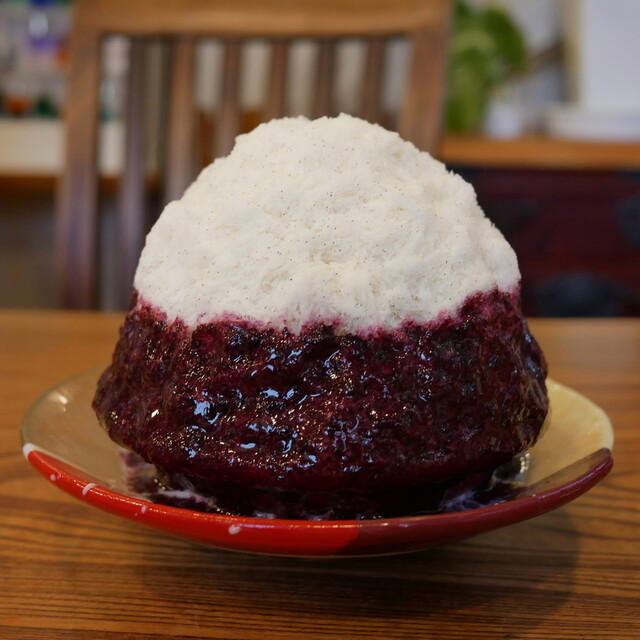
Hotels in Sendai
Browse all →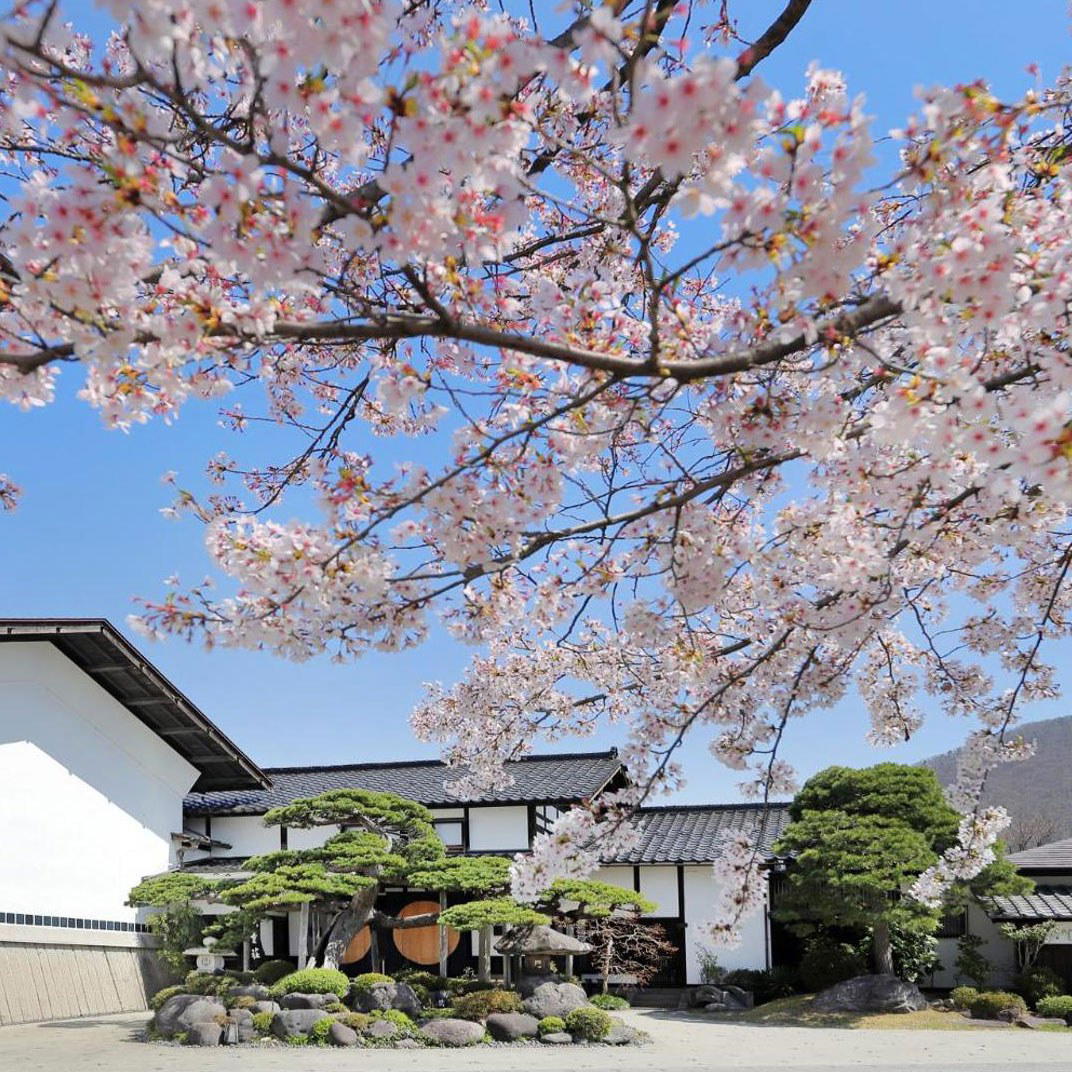

Wineries in Sendai
Browse all →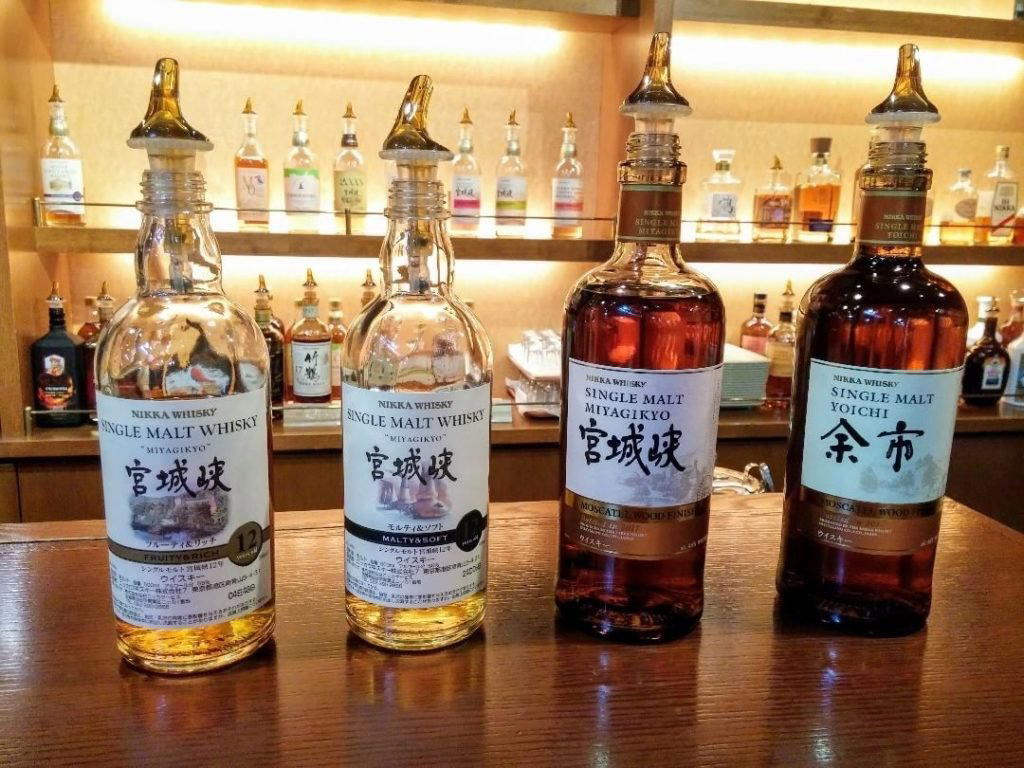
Details
- Cozy
- Intimate
- Solo
- Casual Hangout
- Group Dining
- Family
- Standalone
- Set Menu
- A La Carte
- Tea
- Lassi
- Vegetarian Friendly
Current opening hours
- Monday
- Closed
- Tuesday
- Closed
- Wednesday
- 11 AM–5 PM
- Thursday
- 11 AM–5 PM
- Friday
- 11 AM–5 PM
- Saturday
- 11 AM–8 PM
- Sunday
- 11 AM–8 PM
Hours can change for holidays and private events. Last verified .
Warm and homely with an intimate, slightly quirky neighborhood feel; the owner-chef personally explains dishes, and the space is small and relaxed rather than polished, emphasizing substance and hospitality over decor.