
Tabelog 100 #52
Our verdict
Ademain places Sendai’s suburban bakery culture in a serious frame: bread, cafe service, sandwiches, and takeout rather than destination dining theatrics. Its Tabelog Bread EAST “Tabelog 100” selections in 2020 and 2022 give it a clear credential, while the small seating format keeps the experience closer to a daily neighborhood stop than a formal restaurant.

Pearl is the En Primeur Club membership app — saves, bookings, and concierge access live there. Same editors, same standards.
- Address
- Japan, 〒981-3133 Miyagi, Sendai, Izumi Ward, Izumichuo, 1 Chome−9−4 レジュイール泉 1F
- Phone
- +81 22-778-5489
- Hours
- Mon ClosedTue–Sun 8 AM–7 PM
- Website
- instagram.com
- Directions
- Get directions
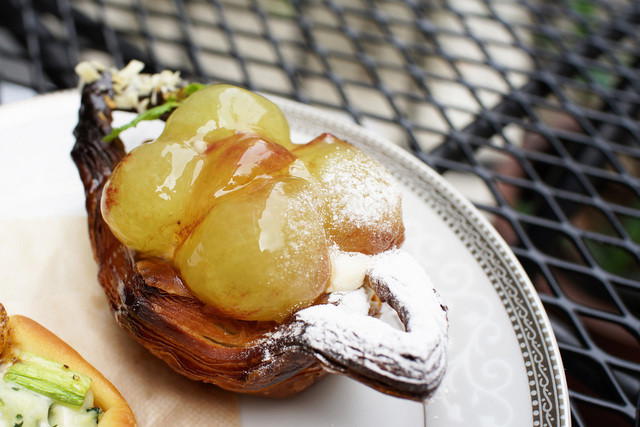
Approaching a Japanese bakery in a residential rail district is unlike entering a grand dining room. The cues are modest: a small storefront, trays moving faster than tables, customers buying for later as much as now. In Sendai, that everyday rhythm matters. Bread in Japan is not just a Western import adapted for convenience; it is a precise local craft, with neighborhood bakeries judged by consistency, texture, turnover, and how naturally they fit routines around stations, parks, schools, and commuter routes.
Ademain belongs to that category, not the tasting-menu economy. The format is bread, cafe, and sandwich, with takeout built in and compact seating for those who stay. Recognition by Tabelog Bread EAST “Tabelog 100” in 2020 and 2022 places it in eastern Japan’s serious bakery conversation, where technical reliability matters more than dining-room drama. In a city visitors know for beef tongue, izakaya cooking, seafood, and sake-adjacent nights, this bakery gives a more accurate reading of local daily taste.
Sendai's bakery culture works at commuter scale, not restaurant scale
Japan’s bread culture is strongest when it adapts to local life. Tokyo may turn bakeries into queue-driven pilgrimages, but regional cities often show the category with less theater: morning purchases, family errands, solo coffee breaks, and items bought one at a time rather than as a full meal. That is where Ademain makes editorial sense. It is not competing with counter sushi ceremony or kappo expense; it sits between cafe, breakfast stop, and neighborhood provisioner.
The Tabelog Bread EAST list is useful because it separates bakeries from general restaurant comparison. A bakery cannot be read by the same markers as a yakitori counter, curry specialist, or Italian dining room. The questions differ: how broad the bread program is, whether sandwiches are treated seriously, how the cafe supports the bakery rather than distracting from it, and whether the operation has enough repeat appeal to enter local habit. Ademain’s place in that bread-specific award context is the signal, not a decorative badge.
That also explains the price tier. A bakery spend around JPY 1,000 to JPY 1,999 sits in everyday discretion: high enough for careful choice, low enough for a normal week. Compare Sendai venues in higher evening categories, such as IL PIZZAIOLO for pizza and Italian cooking or Sumiyaki Okagesan for yakitori at a far more expensive dinner level, and the distinction is clear. This is not lesser dining; it is a different social use of food.
French naming, Japanese routine, and the value of repeatability
The name Ademain draws from the French phrase for “see you tomorrow,” a direct clue to the shop’s intended role. In Japan, French technique has long shaped pastry and boulangerie culture, but the strongest regional bakeries rarely feel like Paris replicas. They combine French vocabulary, Japanese service habits, and local shopping patterns into something practical: bread eaten on the move, taken home, paired with coffee, or used to anchor a light lunch.
That hybrid identity makes Sendai’s dining scene more interesting than a specialty checklist. Visitors often start with obvious anchors, then miss the quieter network of everyday food businesses explaining how the city eats between formal meals. A bakery near Izumi Chuo belongs to the same civic map as curry, tea, izakaya cooking, sweets, and late-day drinking. For a broader view, Our full Sendai restaurants guide gives the overview, while nearby dining references such as achaar, Ako, ankoya Ekimae ten, Baisaou, and Banshaku to Bangohan Choutsugahi show how varied the city’s informal and specialist food culture can be.
The compact seating keeps the bakery from becoming a lounge first and bread shop second. Counter seating, a few tables, and terrace space support short stays without changing the core proposition. That is often the right balance for serious bakeries: enough room for coffee or a sandwich, not enough to turn the visit into a slow restaurant booking. The absence of private-room formality clarifies the category. This is public, daily, low-ceremony eating.
Where Ademain fits in a Sendai itinerary
For travelers, Ademain works well not as a climax meal but as a calibration point. It shows how Sendai’s northern residential districts eat beyond the central-station circuit, and pairs naturally with a day that does not need another heavy lunch. The Izumi Chuo setting also reminds visitors that good food infrastructure in Japanese cities often clusters around rail access rather than tourist landmarks. Bakeries, tea rooms, confectioners, and small cafe counters work for residents first.
That resident-first character helps city planning. A Sendai trip can lean restaurant-heavy, but the stronger itinerary mixes categories: breakfast or bread runs, coffee, casual lunch, specialist dinner, and a bar or sake stop after dark. The broader city pages help separate those roles: Our full Sendai hotels guide, Our full Sendai bars guide, Our full Sendai wineries guide, and Our full Sendai experiences guide are better read together than in isolation.
For readers comparing Japanese casual dining across regions, Ademain fits a wider national pattern: specific, modest-format venues doing one category seriously enough to earn attention. That can mean beef-focused meals at -Grilled beef Sukiyaki- KAMAKURA TANUKIAN 鎌倉 たぬき庵 in Kamakura, charcoal seafood at. 鮪と炭火焼き うお炭 秋葉原店 in Tokyo, cafe culture at.cafe in Osaka, or local-format cooking at.know in Kumamoto and (Shoku) Vietnam in Kawasaki. The same principle applies overseas when a narrow format carries the experience, as at Jōdo Saké Bar in Los Angeles or Onigiri Time in Pasadena. For a northern comparison within Japan, [Curry Senmon Ten] Maruyama Kyoju. in Sapporo shows how one category can carry strong local identity without formal dining signals.
The verdict is functional rather than breathless: Ademain is a serious Sendai bakery with recognized bread credentials, a cafe layer, and a neighborhood cadence. Its value lies in reading the city through daily bread culture, not treating it as a destination-dinner substitute.
Frequently asked questions
What's the address for Ademain?
Ademain is located in Sendai.
How much does it cost to eat at Ademain?
Pricing at Ademain is listed as JPY 1,000 - JPY 1,999 View spending breakdown.
When is Ademain open?
Hours at Ademain: Mon: Closed; Tue: 8 AM–7 PM; Wed: 8 AM–7 PM; Thu: 8 AM–7 PM; Fri: 8 AM–7 PM; Sat: 8 AM–7 PM; Sun: 8 AM–7 PM.
What's Ademain best at?
Ademain is strongest as a bread stop rather than a sit-down café. Its Tabelog Bread EAST 2022 selection, take-out format, and location near Izumi Chuo Station make it a practical choice for daily buying rather than a long meal.
Is Ademain good for vegetarians?
Yes, it can work well for vegetarians because the core offer is bread, café drinks, and sandwiches in Sendai’s Izumi Ward. The price range of JPY 1,000–JPY 1,999 also keeps it accessible for a light lunch or snack run.
Price Lens
Comparable venues to calibrate price, style, and recognition.
| Venue | Cuisine | Price | Awards | Notes |
|---|---|---|---|---|
| AdemainThis venue — the venue you are viewing | Bakery & Cafe | Not listed | Tabelog 100 #52 | Not listed |
| LE BAR KAWAGOE | Cocktail & Whisky Bar | $30–50 | Tabelog 100 #20 | Kokubuncho, Cocktail & Whisky Bar |
| Banshaku to Bangohan Choutsugahi | Japanese Izakaya | $30–50 | Tabelog 100 #47 | Ichibancho, Japanese Izakaya |
| Sendai Chuka Soba Meiten Kaichi Kokubuncho ten | Traditional chicken-based ramen (chuka soba) | $10–20 | Tabelog 100 #63 | Kokubuncho, Traditional chicken-based ramen (chuka soba) |
| PIZZERIA DE NAPULE | Traditional Italian pizzeria | Not listed | Tabelog 100 #14 | Not listed |
| Baisaou | Traditional Japanese wagashi & kakigori shop | $10–20 | Tabelog 100 #14 | Aoba Ward, Traditional Japanese wagashi & kakigori shop |
Recognition history
Dated appearances from independent guides and award organizations, with the underlying list record or original source where available.
Tabelog 100 #52 · No. 52
Tabelog · Tabelog 100 - Bread - EAST - 2022
Continue exploring
More in Sendai
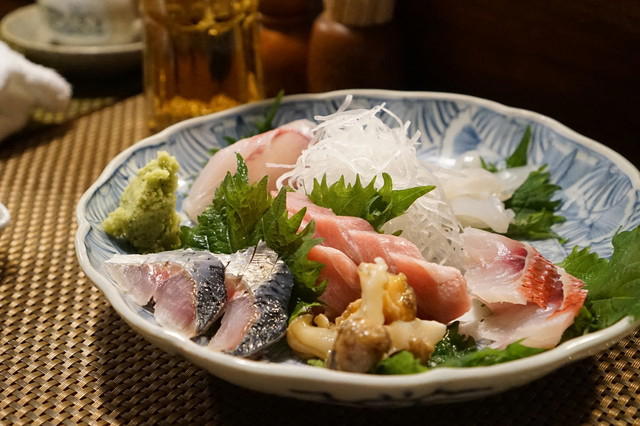
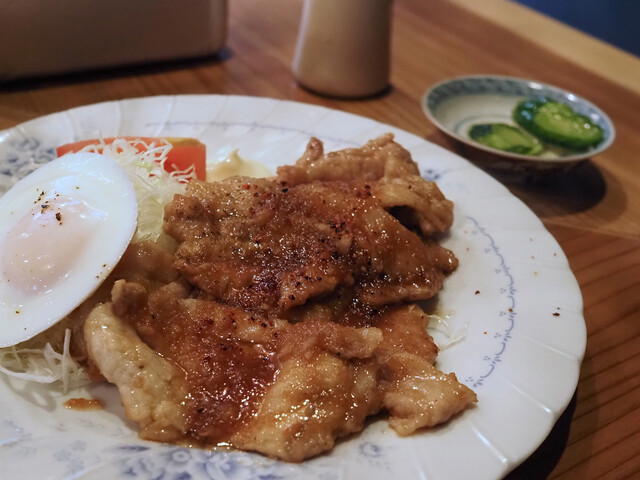
Restaurants in Sendai
Browse all →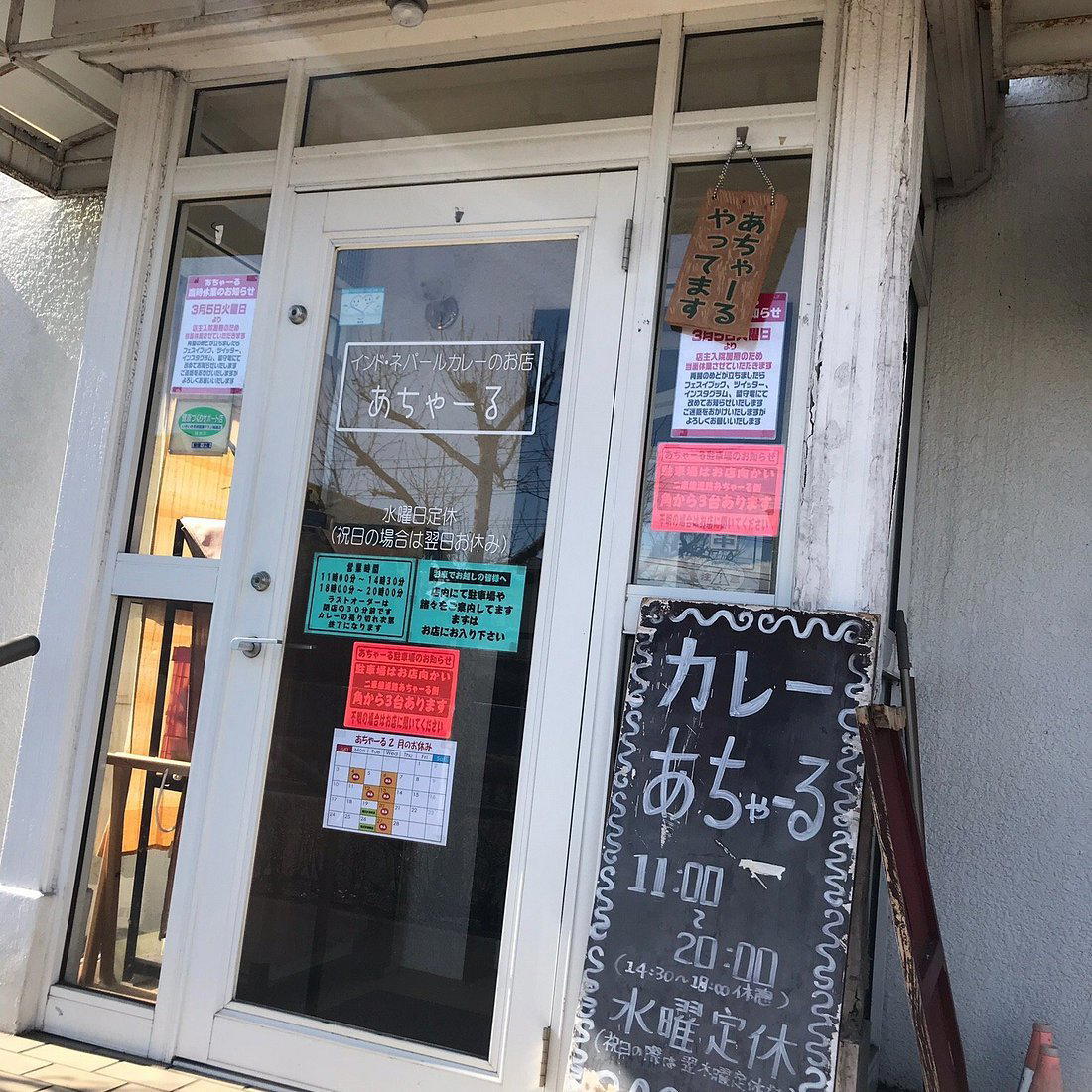
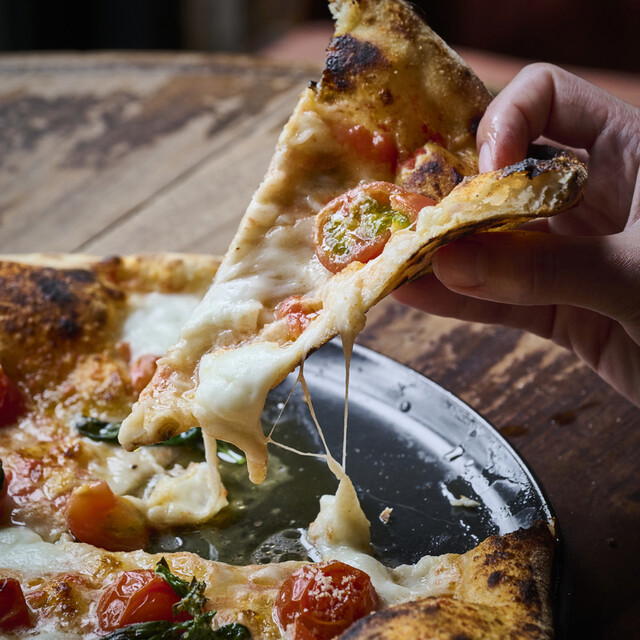
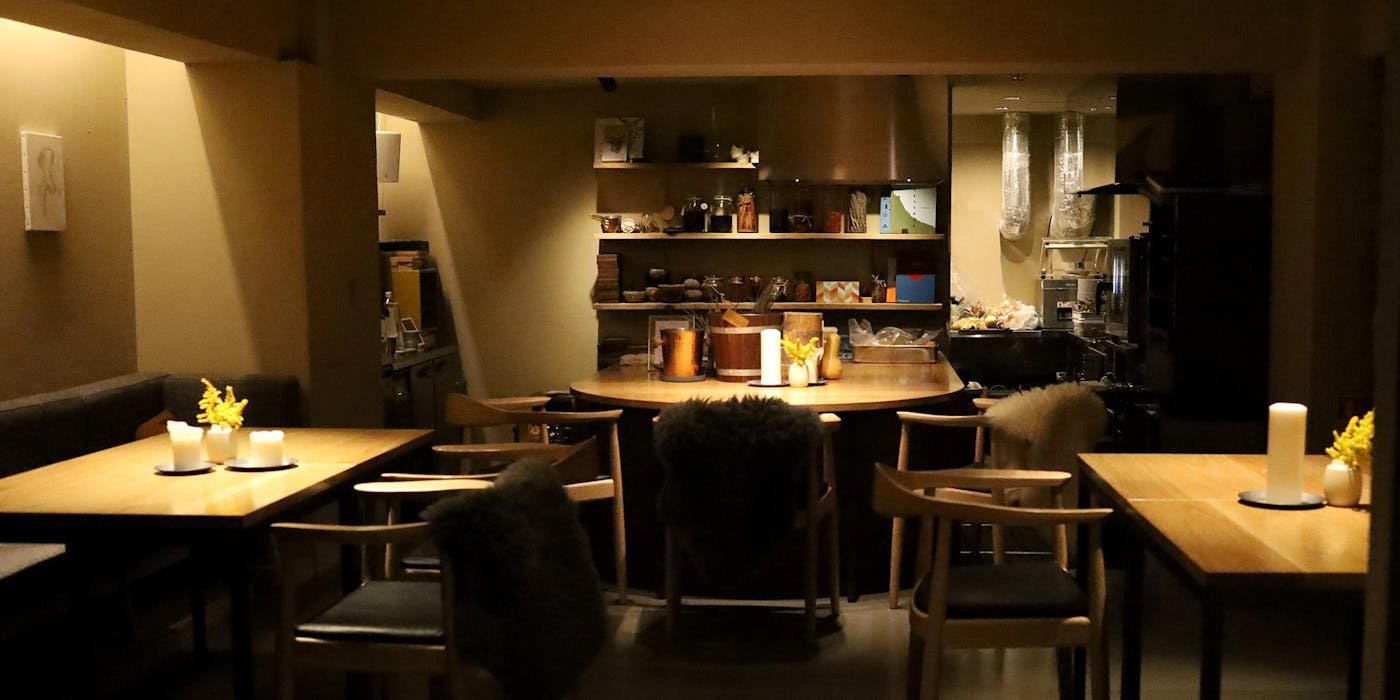
Hotels in Sendai
Browse all →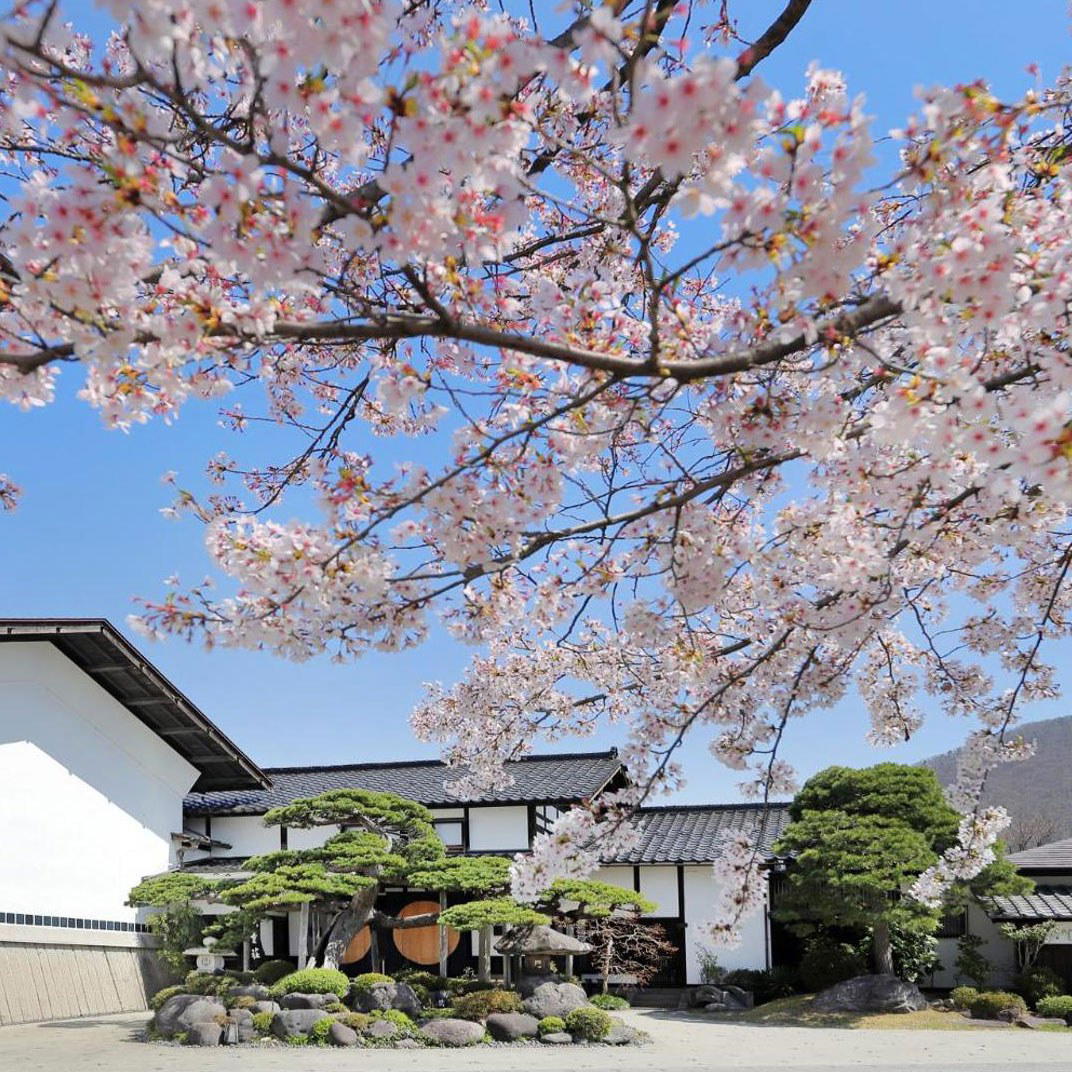

Wineries in Sendai
Browse all →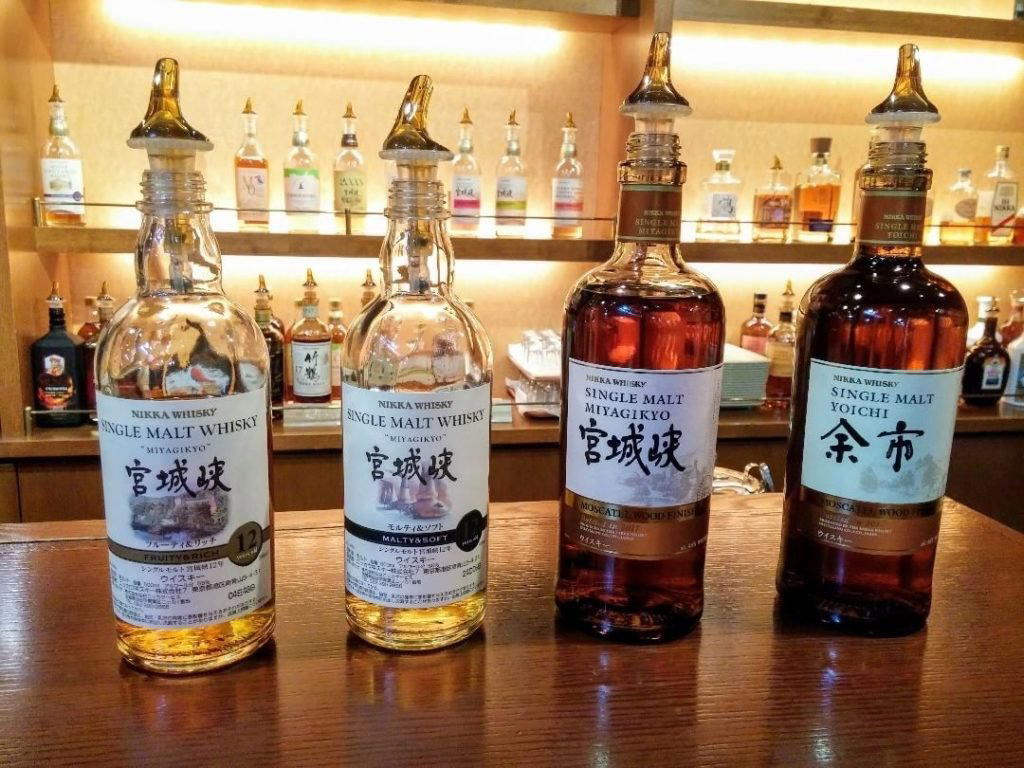
Details
- Cozy
- Quiet
- Solo
- Casual Hangout
- After Work
- Standalone
- A La Carte
- Counter Dining
- Coffee
Current opening hours
- Monday
- Closed
- Tuesday
- 8 AM–7 PM
- Wednesday
- 8 AM–7 PM
- Thursday
- 8 AM–7 PM
- Friday
- 8 AM–7 PM
- Saturday
- 8 AM–7 PM
- Sunday
- 8 AM–7 PM
Hours can change for holidays and private events. Last verified .
A cozy, tranquil bakery-cafe with a relaxed, quiet atmosphere that feels like a neighborhood hideaway near the park rather than a busy downtown spot.