
Tabelog 100 #97
Our verdict
Gout places yoshoku in Sendai’s Aoba Ward on a compact, ingredient-led scale: Japanese-style Western cooking with Italian and cafeteria notes, recognized in Tabelog’s Yoshoku EAST 100 for 2025. Its value sits in the middle ground between casual station-area eating and higher-spend Sendai dining, with a small room, counter seats, wine and cocktails, and a format better suited to dinner than rushed grazing.

Pearl is the En Primeur Club membership app, where members save venues, book tables and use the concierge.
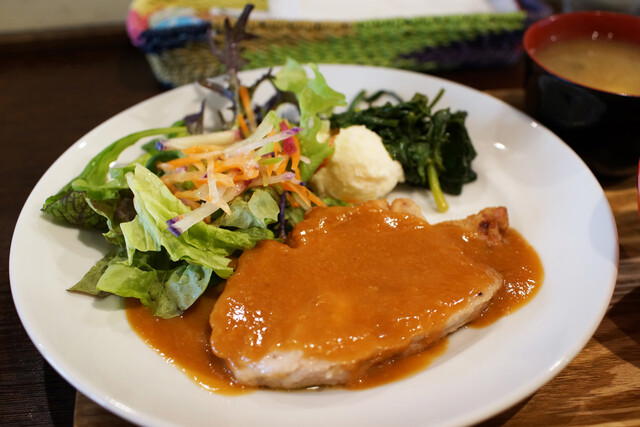
Sendai’s casual dining rooms reward attention. Across the city, the commercial grid gives way to approachable places where the cooking often feels less like destination dining theatre and more like a local grammar: focused service, everyday formats, and kitchens that turn familiar Western forms into something distinctly Japanese. In that setting, Gout belongs to the yoshoku conversation, a category built on adaptation rather than imitation. The point is not French or Italian orthodoxy; it is the way Western-derived dishes, pasta, rice plates, salads, and café habits have been absorbed into everyday Japanese dining and sharpened through balance, portioning, and restraint.
Sendai gives that tradition a particular register. The city is better known nationally for beef tongue, seafood from the Sanriku coast, and Tohoku produce than for a single yoshoku signature, which makes the category more interesting here. A good Sendai yoshoku address has to compete with izakaya, sushi, yakiniku, sweets counters, and specialist noodle shops without leaning on luxury coding. Recognition in Tabelog’s Yoshoku EAST 100 for 2025 places Gout inside a regional field rather than a neighborhood-only bracket, and its 3.56 Tabelog score signals a restaurant with a defined local following rather than an anonymous casual stop.
Yoshoku in Sendai works when sourcing leads the cooking
Yoshoku is often misunderstood outside Japan as comfort food with a Western accent. That is too broad. At stronger addresses, the discipline lies in how ingredients are handled before any sauce or garnish appears: vegetables that can hold shape, meat cooked for texture rather than spectacle, seafood used in sensible portions, and rice or bread treated as part of the plate rather than an afterthought. Gout’s listed categories, yoshoku, Italian, and cafeteria, point to that hybrid zone where the menu can move between Western-derived plates and relaxed café-style service without becoming vague.
The Sendai comparison set shows why price and format matter. Shinogi, sou, and Sendai Gyuu Yakiniku Hana Gyuu sit in different spending contexts, while DASHIRO Sendai minamimachidoori honten occupies a more casual bracket and kazunori ikeda individuel Minamimachidoori ten points toward the pastry-and-café economy. Gout’s dinner range of JPY 2,000 to JPY 2,999 and lunch reference range of JPY 1,000 to JPY 1,999 place it in a practical middle: serious enough to be selected in a regional yoshoku list, accessible enough that the cooking has to justify itself through repeatability rather than ceremony.
That middle tier is where ingredient handling becomes visible in small decisions. Yoshoku at this level cannot hide behind luxury signals, tasting-menu pacing, or rare allocations. It has to make everyday materials read cleanly: the cut of meat, the reduction, the vegetable side, the acidity in a salad, the balance between rice and sauce. The broader category also depends on pacing, not as a nightlife claim, but as a sign that the room can work for dinner as much as a quick plate.
A casual room changes the way yoshoku is judged
Format is part of the critical equation. Gout reads best as an approachable Sendai restaurant rather than a grand occasion room, which suits the way yoshoku is often judged: by consistency, balance, and whether familiar plates feel freshly handled. A relaxed format can keep the cooking close to the guest without turning the meal into a chef-facing performance, while still keeping the experience usable for friends, solo diners, or a straightforward lunch or dinner.
This matters because Sendai’s dining culture is not built only around formal destination rooms. Much of its appeal sits in places across the city, where the cost of entry stays reasonable and the cooking has to meet regulars on a weeknight. For a broader read on the city, Our full Sendai restaurants guide gives the restaurant context; the adjacent travel layer is covered in Our full Sendai hotels guide, Our full Sendai bars guide, Our full Sendai wineries guide, and Our full Sendai experiences guide.
Recent recognition is the useful signal here. In a category where nostalgia can easily become static, longevity or familiarity only matters when paired with current evidence of quality. Selection for the 2025 Tabelog Yoshoku EAST 100 gives the restaurant a contemporary credential, not merely a local reputation. That combination, everyday accessibility and recent list recognition, is more persuasive than either idea alone.
How to place it in a Sendai eating itinerary
Gout makes the strongest sense for travelers who want Sendai beyond gyutan and seafood, especially those tracking how regional Japanese cities reinterpret Western forms. It is not framed as the spend-heavy choice in the city, and that is the appeal. The argument here is about category literacy: yoshoku as an everyday cuisine with technique, not a fallback when reservations elsewhere fail.
Within Sendai, it can sit alongside other local dining rooms, sweets counters, and casual specialists, each pointing to a different strand of the city’s dining map. For travelers building a Japan-wide casual-dining thread, the useful contrast is generic rather than name-driven: yoshoku in Sendai can be read against curry shops, grilled-meat counters, cafés, onigiri specialists, and other everyday Japanese formats elsewhere, all of which show how casual cooking can carry regional identity without requiring luxury cues.
The practical read is simple: this is a Sendai yoshoku address with a dinner range of JPY 2,000 to JPY 2,999 and a lunch range of JPY 1,000 to JPY 1,999. The editorial read is sharper: in a city where travelers often chase regional specialties first, Gout is a reminder that Sendai’s everyday Western-Japanese cooking has enough depth to merit its own stop.
Frequently asked questions
What part of town is Gout in?
Sendai.
Is Gout expensive?
Pricing at Gout is listed as dinner: JPY 2,000 - JPY 2,999; lunch: JPY 1,000 - JPY 1,999.
What days is Gout closed?
Current closing days and hours should be checked directly with Gout before visiting.
What's Gout best at?
Gout is strongest as a yoshoku address in Sendai. Its Tabelog 100 Yoshoku EAST 2025 selection gives it clear credibility for Japanese-style western cooking, supported by listed categories that include yoshoku, Italian, and cafeteria.
Comparison Snapshot
Comparable venues by cuisine and price in the same metro.
| Venue | Cuisine | Price | Awards | Notes |
|---|---|---|---|---|
| GoutThis venue (the venue you are viewing) | Yoshoku Western-style Japanese | $20–30 | Tabelog 100 #97 | Not listed |
| Shinogi | Traditional Japanese Izakaya | $20–30 | Tabelog 100 #42 | Aoba Ward |
| Sumibi Yakiniku Gura Sendai asaichi ekimae ten | Japanese Yakiniku BBQ | $30–50 | Tabelog 100 #12 | Aoba-ku |
| Shiogama Sushi Tetsu S-PAL sendai ten | Traditional Sushi from Shiogama at Sendai Station | $30–50 | Tabelog 100 #98 | Aoba Ward |
| Yonezawa Gyuu Yakiniku Kotora Sendai ekimae ten | Premium Yonezawa Wagyu Yakiniku | $50–100 | Tabelog 100 #21 | Aoba-ku Chuo (Sendai Station area) |
| Wabisuke | Traditional Sendai Izakaya with Seri Nabe | $30–50 | Tabelog 100 #100 | Aoba Ward |
Recognition history
Dated appearances from independent guides and award organizations, with the underlying list record or original source where available.
Tabelog 100 #97 · No. 97
Tabelog · Tabelog 100 - Yoshoku - EAST - 2025
Continue exploring
More in Sendai
Restaurants in Sendai
All restaurants in Sendai →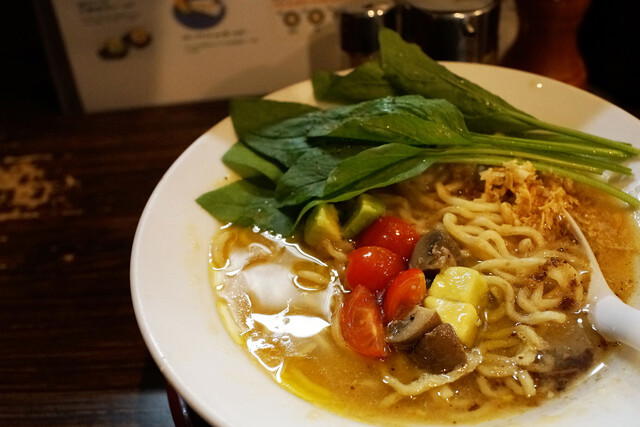
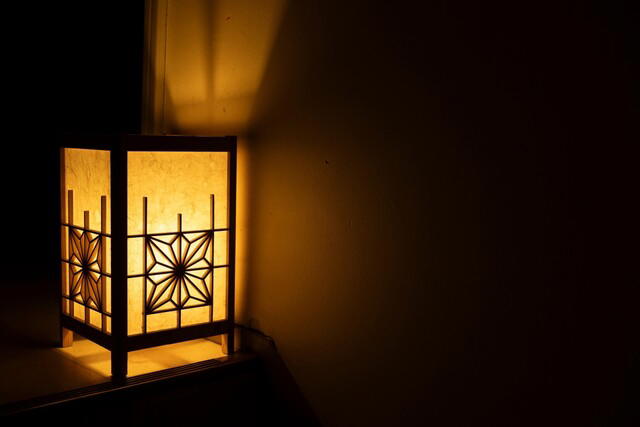
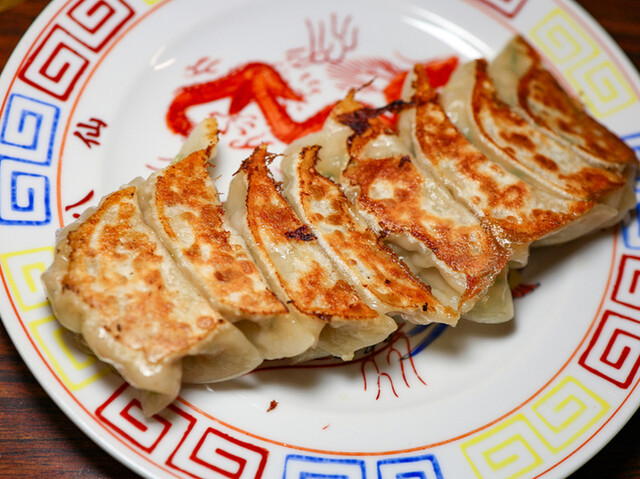
Hotels in Sendai
Browse all →

Wineries in Sendai
All wineries in Sendai →
Details
- Cozy
- Classic
- Intimate
- Casual Hangout
- Solo
- Date Night
- Standalone
- Chefs Counter
- A La Carte
Current opening hours
- Monday
- Closed
- Tuesday
- 4–9:30 PM
- Wednesday
- 4–9:30 PM
- Thursday
- 4–9:30 PM
- Friday
- 4–9:30 PM
- Saturday
- 4–9:30 PM
- Sunday
- 4–9:30 PM
Hours can change for holidays and private events. Hours as of .
Guest reviews and local guides describe a relaxed, cozy yoshoku bistro with counter and table seating, casual service, and a warm neighborhood feel rather than a formal dining room.