
Tabelog 100 #54
Our verdict
hou places Sendai yakitori in a tighter, more serious register: small-room grilling, counter-led pacing, and a drinks program that treats sake, shochu, and wine as part of the meal rather than an afterthought. Its repeated Tabelog Yakitori 100 EAST selections put it in the regional conversation for travelers looking beyond sushi and izakaya shorthand.

Pearl is the En Primeur Club membership app, where members save venues, book tables and use the concierge.
The menu
What to order
- Tashizan yakitori skewers of Ashizuri Jidori
- Kuro Satsuma chicken skewers
- Noda duck skewers
- Seasonal vegetable yakitori
Sendai changes after office hours: shopping rhythm gives way to smaller rooms, late trains, and dinners built on patience rather than speed. Here, yakitori can read differently from the casual skewer-and-beer format many visitors expect. At hou, the clearest verified frame is not a long list of house details but its published category, price band, and recognition as a Sendai yakitori restaurant.
Sendai is often approached through beef tongue, seafood, and sake-country proximity, but yakitori shows another side of the city: compact dining rooms where technique can carry the evening. hou is listed in the 2025 Tabelog Hyakumeiten selection for yakitori, with a Tabelog score of 3.94 and a dinner budget shown at JPY 10,000 - JPY 14,999. That matters because the recognition places it inside a wider field rather than simply as a local recommendation.
Sendai gives the grill a city frame
The Sendai setting puts the restaurant within a city dining pattern where after-work meals, destination dinners, and later evening plans overlap. That context matters. A yakitori restaurant in an urban dining scene carries different expectations from a purely casual chicken specialist: pacing, drinks, smoke, salt, and atmosphere all become part of how diners understand the meal.
hou works within that Sendai pattern. The verified category is yakitori, and the listed dinner budget suggests a planned meal rather than a quick snack stop. For travelers mapping a meal around Sendai, it belongs in the same city conversation as sushi counters such as Koban Zushi, but with different price logic and rhythm. Koban Zushi sits in its own lane; hou occupies the yakitori lane, where grilled chicken skewers define the spend.
That distinction helps when building a Sendai evening. Genji, Hassen, kazunori ikeda individuel Minamimachidoori ten, and DASHIRO Sendai minamimachidoori honten show a city with range across dining styles; hou is for the night when yakitori is the main event. For broader planning, see Our full Sendai restaurants guide, then cross-check the city’s stay-and-drink map through Our full Sendai hotels guide, Our full Sendai bars guide, Our full Sendai wineries guide, and Our full Sendai experiences guide.
Serious yakitori without Tokyo mimicry
High-end yakitori in Japan has spent the last decade moving away from the informal skewer stop and toward the precision of more focused dining. The shift is often discussed through smaller formats, counter-led meals, controlled smoke, and a narrower sense of purpose. hou can be placed in that broader conversation through its category, budget, and 2025 Hyakumeiten listing, without needing to borrow the tone of better-known metropolitan counters.
The appeal of this kind of yakitori is in the way a meal can move across fat, char, salt, and bitterness without becoming heavy or monotonous. In a grill-led dinner, the beverage side is not decorative; it needs to support smoke, seasoning, and texture. Even without making unsupported claims about the room from a distance, hou’s category and price point make clear that this is not simply an everyday skewer stop.
The Tabelog score of 3.94 gives another useful signal for Japan, where ratings cluster tightly and anything approaching the high threes carries weight among reservation-driven diners. Combined with its 2025 Tabelog Hyakumeiten recognition for yakitori, it points to a level of standing beyond routine neighbourhood popularity. That is the more persuasive marker in this category: yakitori lives or fails on repetition, timing, and ingredient handling across service.
For visitors comparing Japanese dining styles, hou sits closer to focused yakitori dining than to the casual breadth of izakaya eating. It is not best understood as a place trying to cover every drinking appetite in the city. The verified identity is narrower: grilled chicken skewers, a published dinner budget of JPY 10,000 - JPY 14,999, and recognition in a national-style restaurant selection. That focus makes it a strong Sendai choice for travelers who have already accounted for beef tongue and seafood and want a meal showing how the city handles a national tradition on its own terms.
How to place it in a Sendai itinerary
The practical decision is simple: treat hou as a primary dinner, not just a casual in-between stop. Its category, recognition, and dinner budget suit a planned evening more than an improvised crawl. The JPY 10,000 to JPY 14,999 dinner bracket places it above everyday skewers while remaining below some higher-priced Sendai dining rooms. That middle-high tier is where strong yakitori often makes sense: less ceremony than luxury sushi, more technique than pub cooking.
There are etiquette cues worth taking seriously in this style of restaurant. A focused yakitori meal rewards punctuality, attentiveness, and restraint at the table. Those expectations are not quirks; they are part of the modern grill-focused move toward ingredient clarity and controlled pacing. Smoke from the grill is part of the appeal. Distraction from the table is not.
Sendai’s dining appeal lies in this spread of scales: quick regional staples, serious counters, pastry stops, and late drinking rooms within a compact city. Nearby EP Club coverage ranges across other Sendai dining rooms and wider Japan and overseas references, but hou’s value is clear within that map: it gives Sendai an award-recognised yakitori option with enough seriousness for a destination dinner and enough local grounding to feel specific to the city.
Frequently asked questions
What part of town is hou in?
Sendai.
How much does it cost to eat at hou?
Pricing at hou is listed as JPY 10,000 - JPY 14,999.
Do I need a reservation for hou?
Plan ahead if you want to eat at hou. The listed phone number is +81-22-398-4774, and the dinner budget is JPY 10,000 - JPY 14,999.
What has hou built its reputation on?
hou is listed in the 2025 Tabelog Hyakumeiten selection for yakitori, with a Tabelog score of 3.94. That recognition is the clearest published signal of its standing.
Just the Basics
Side-by-side context: comparable cuisine and price.
| Venue | Cuisine | Price | Awards | Notes |
|---|---|---|---|---|
| houThis venue (the venue you are viewing) | Modern Yakitori Omakase | $100–150 | Tabelog 100 #54 | Not listed |
| Koban Zushi | Traditional Edomae Sushi | $100–150 | Tabelog 100 #86 | JPY 15,000 - JPY 19,999 JPY 5,000 - JPY 5,999 |
| Genji | Traditional Sendai Izakaya | $30–50 | Tabelog 100 #11 | JPY 3,000 - JPY 3,999 |
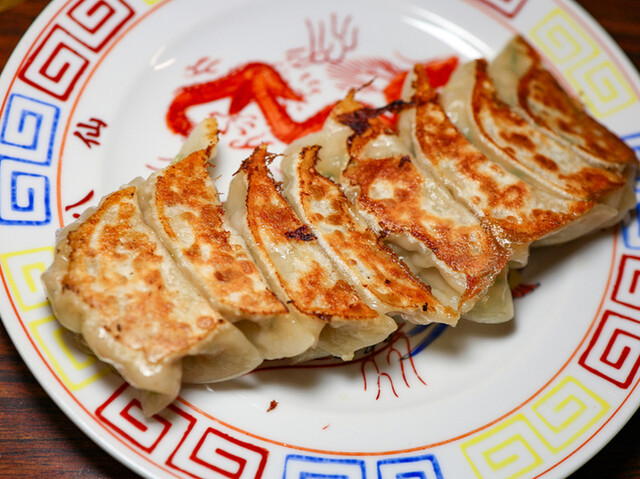
| Hassen | Gyoza-focused Chinese dumpling bar | $20–30 | Tabelog 100 #30 | JPY 1,000 - JPY 1,999 |
| kazunori ikeda individuel Minamimachidoori ten | Modern French Patisserie & Cafe | $10–20 | Tabelog 100 #83 | JPY 1,000 - JPY 1,999 JPY 1,000 - JPY 1,999 |
| DASHIRO Sendai minamimachidoori honten | Traditional Japanese ramen focused on dashi | $10–20 | Tabelog 100 #5 | JPY 999 - JPY 999 |
Recognition history
Dated appearances from independent guides and award organizations, with the underlying list record or original source where available.
Tabelog 100 #54 · No. 54
Tabelog · Tabelog 100 - Yakitori - EAST - 2025


Continue exploring
More in Sendai
Restaurants in Sendai
All restaurants in Sendai →
Hotels in Sendai
Browse all →

Wineries in Sendai
All wineries in Sendai →
Details
- Intimate
- Cozy
- Modern
- Elegant
- Date Night
- Special Occasion
- Business Dinner
- Solo
- After Work
- Chefs Counter
- Open Kitchen
- Standalone
- Design Destination
- Sake Program
- Extensive Wine List
- Local Sourcing
- Tasting Menu
- Omakase
- Counter Dining
- Set Menu
- Sake
- Wine
- Shochu
Current opening hours
- Monday
- 5–11 PM
- Tuesday
- 5–11 PM
- Wednesday
- 5–11 PM
- Thursday
- 5–11 PM
- Friday
- 5–11 PM
- Saturday
- 4–10 PM
- Sunday
- 4–9 PM
Hours can change for holidays and private events. Hours as of .
An intimate 14-seat, non-smoking hideout with a relaxed, quietly elegant counter-focused setting where skewers are grilled over Kishu Binchotan in front of guests, emphasizing calm, attentive dining rather than a loud izakaya vibe.