


Set inside a converted rural elementary school in Komatsu's Satoyama countryside, Auberge eaufeu holds Tabelog Bronze Awards for 2024, 2025, and 2026, with a score of 4.19 and a place on the Tabelog Innovative/Creative Cuisine 100 list. Chef Shota Itoi's French-rooted cooking draws directly from Hokuriku's coastal and agricultural produce, at prices running JPY 20,000 to 29,999 per person.
Pearl is the En Primeur Club membership app — saves, bookings, and concierge access live there. Same editors, same standards.
- Address
- Japan, 〒923-0171 Ishikawa, Komatsu, Kanagasomachi, Ro 48番地
- Phone
- +81 761-41-7080
- Website
- eaufeu.jp
- Directions
- Get directions
 Saves & bookings on Pearl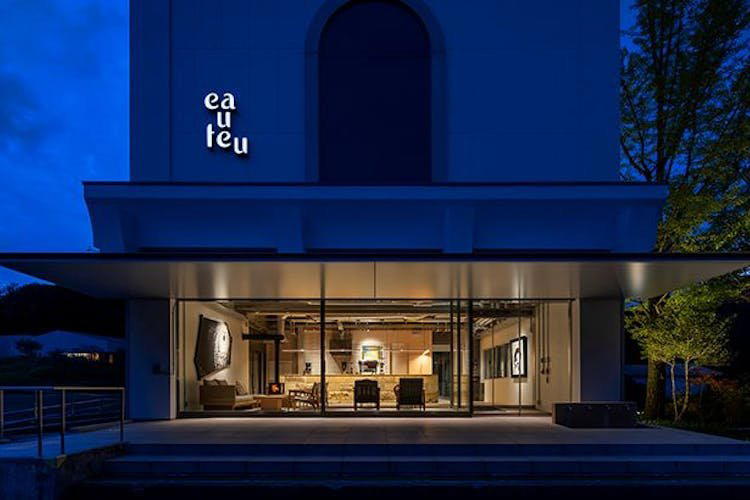
Where Hokuriku's Fields and Coast Meet the French Table
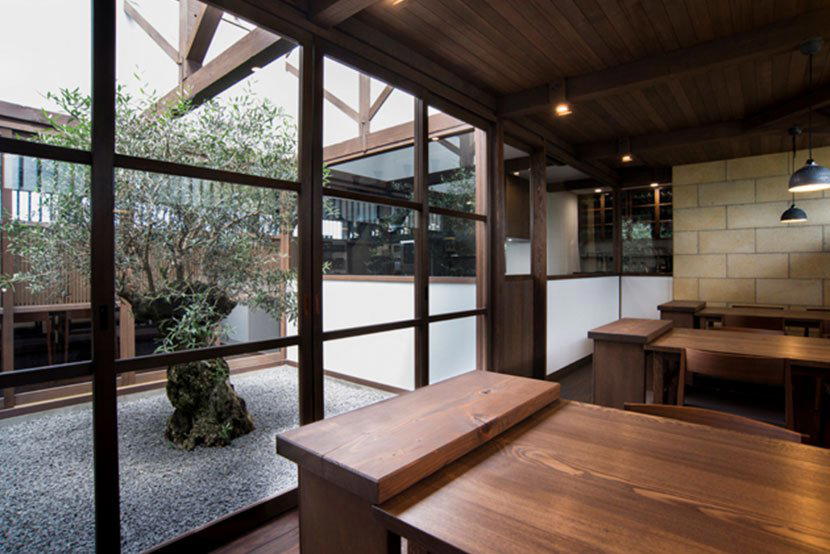
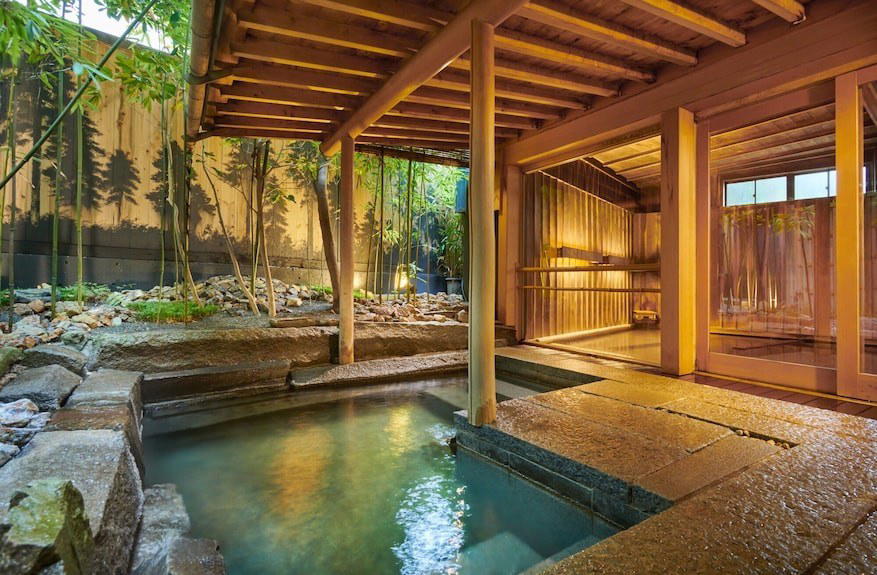
The road into Kanagasomachi, the rural district of Komatsu City where Auberge eaufeu sits, passes through the kind of Satoyama landscape that Japanese planners use as a shorthand for everything the country's agricultural heritage represents: terraced rice paddies, cedar groves, and farmhouses that predate the postwar era by generations. The building that houses the auberge was, until 2022, the old Nishio Elementary School, a structure that had watched the landscape age around it before being converted into a place where that landscape becomes the subject on the plate.
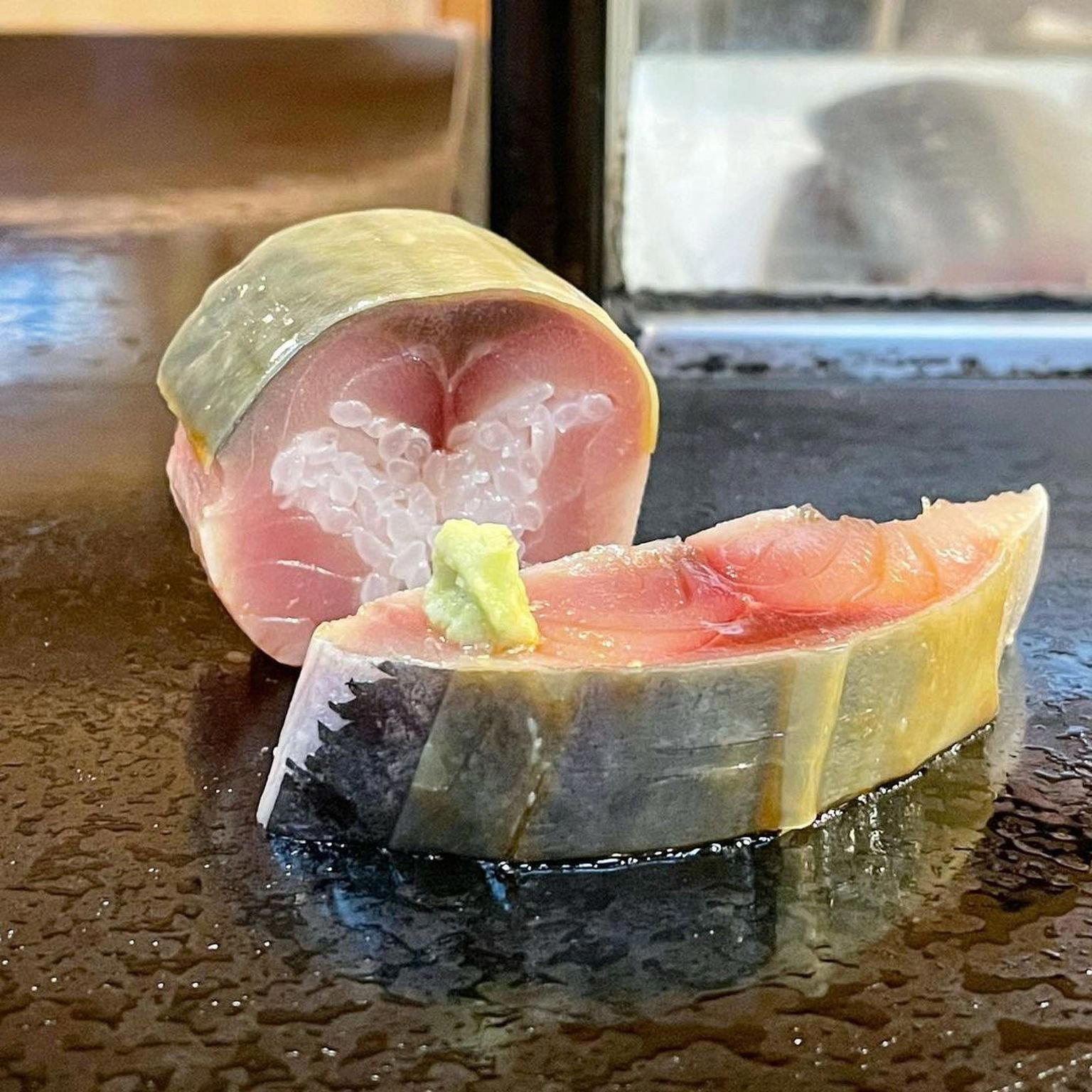
That physical context is not incidental. The Hokuriku region, which covers Ishikawa, Toyama, and Fukui prefectures along the Sea of Japan coast, has accumulated serious culinary credentials in recent years. The coastline delivers some of Japan's most prized seafood, Noto squid, snow crab, yellowtail from the Noto Peninsula, while the inland areas produce rice, mountain vegetables, and fermented condiments that appear nowhere else with the same character. Auberge eaufeu sits at the intersection of both, with a French culinary framework applied to ingredients that are, in large part, gathered or sourced from the surrounding area. This approach places it alongside a growing cohort of Japan-based French restaurants that treat regional ingredient identity as the primary material, rather than an exotic garnish layered onto a European template. For comparison points, look at how L'Effervescence in Tokyo has built its reputation on Japanese producer relationships, or how HAJIME in Osaka uses French technique as a vehicle for a specific environmental argument. Eaufeu operates within a similar intellectual framework but with a distinctly regional, non-urban character.
The Auberge Format and What It Changes
The auberge model, a French country inn where dining and accommodation exist as a single, immersive proposition, remains uncommon in Japan, though the concept has been gaining traction in rural prefectures that have strong culinary identities and limited accommodation alternatives. The format matters for how a meal at eaufeu is experienced: guests who stay are not arriving from a Kanazawa hotel and rushing back after dessert. They are in the countryside, surrounded by the same fields and forests that supply the kitchen, with nowhere to be in the morning except at breakfast in the same building. That temporal unhurriedness changes the pace of a tasting menu considerably.
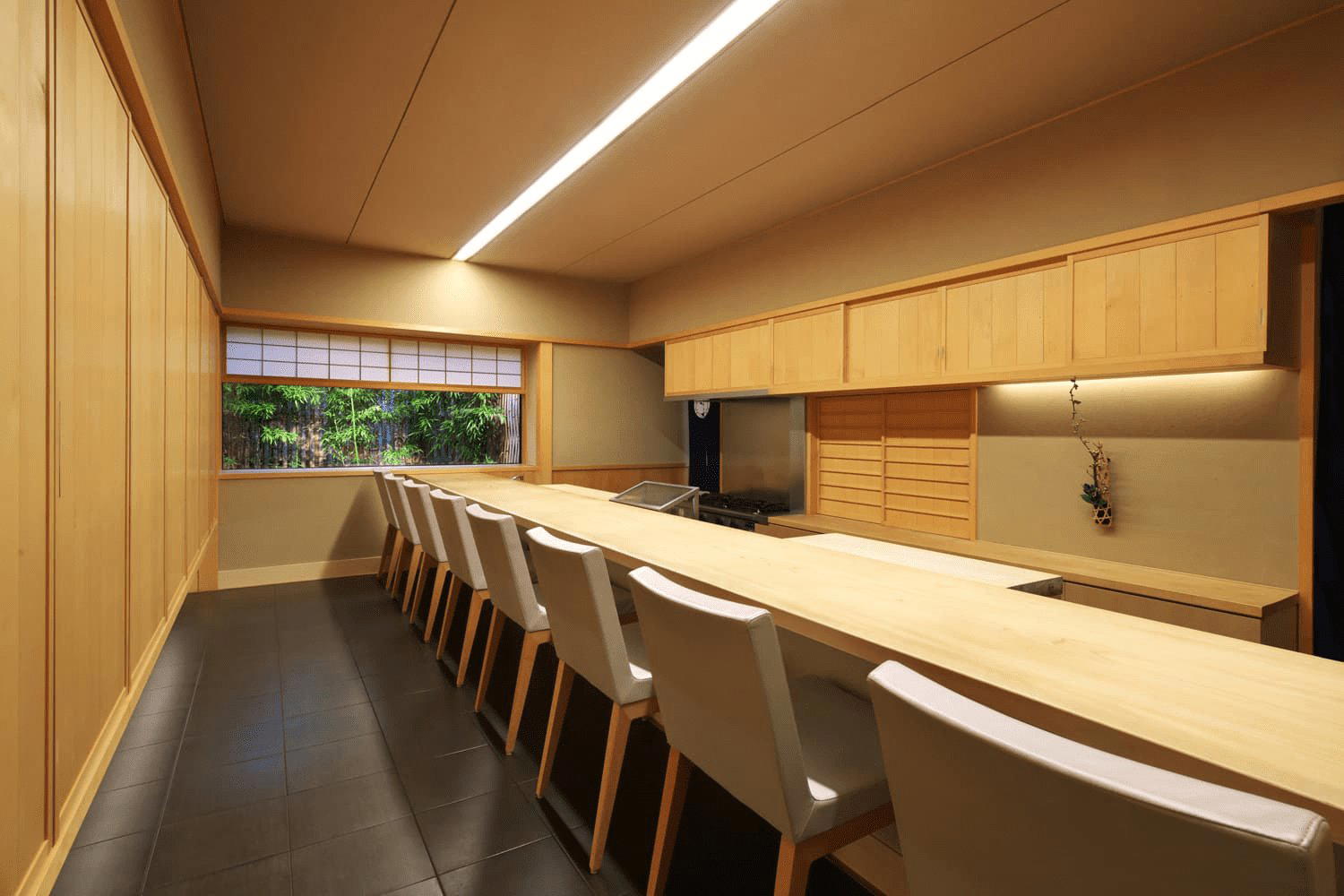
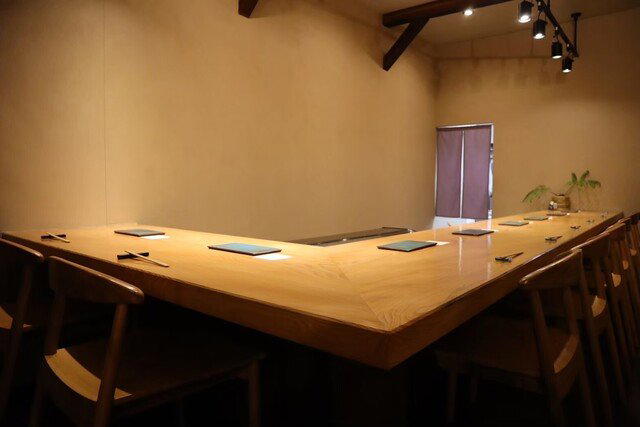
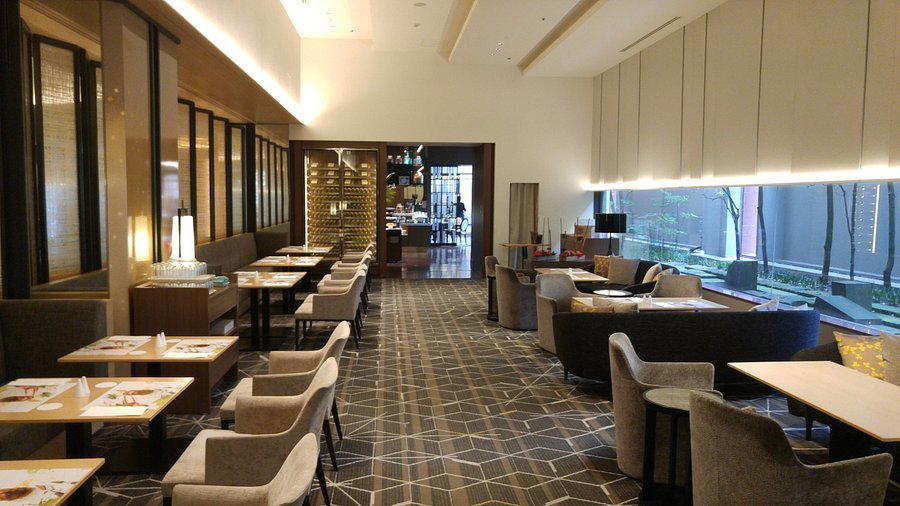
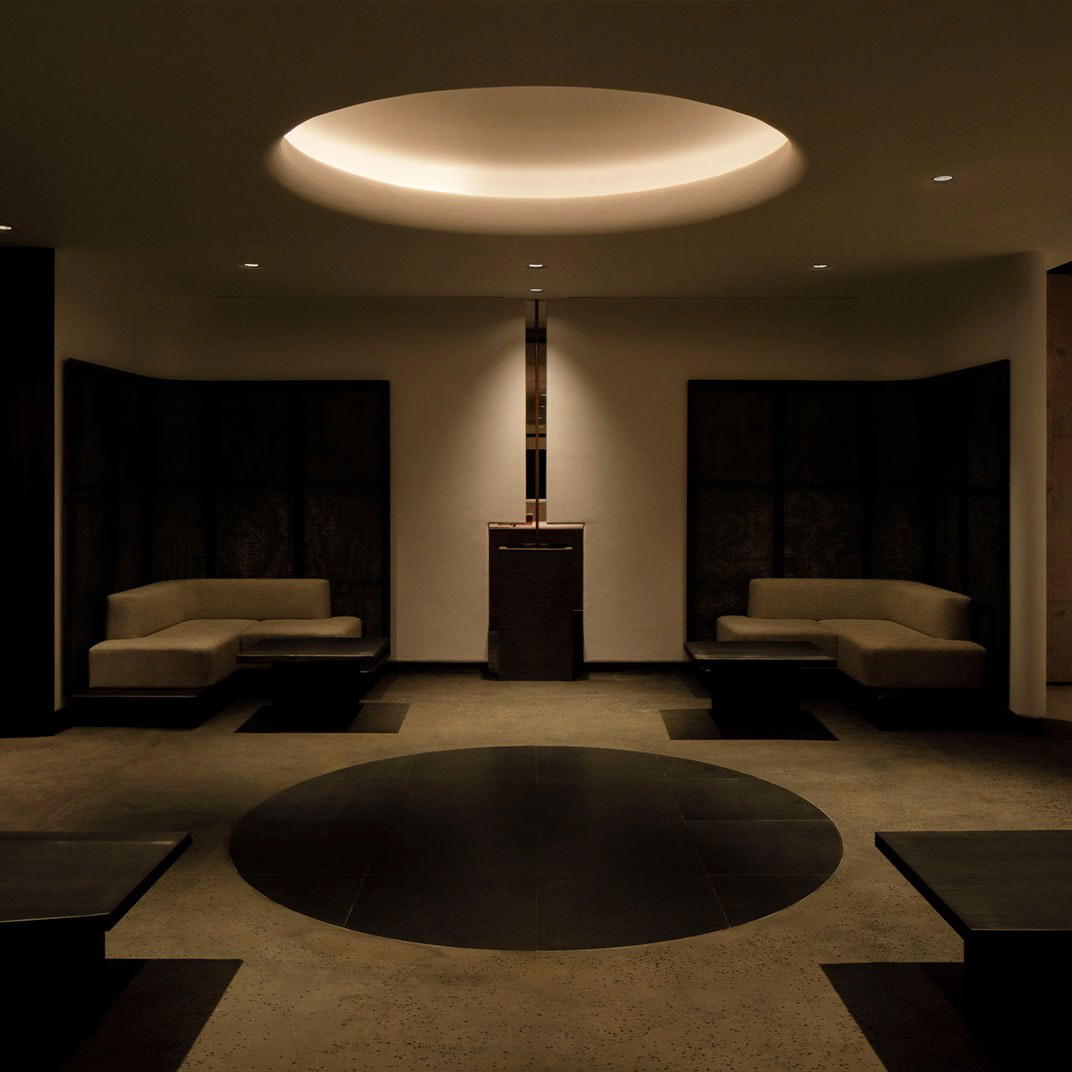
The dining room holds 28 seats across table seating, counter seats, and private rooms accommodating up to ten people. Private rooms are available for groups of two, four, six, eight, and up to twenty, and the space can be reserved for exclusive use, a practical consideration for business dining or family celebrations that want complete separation from other guests. The 10% service charge (excluded from the café offering) is disclosed clearly on booking.
Recognition and Where It Places in Japan's Innovative Dining Tier
Eaufeu has held the Tabelog Bronze Award consecutively for 2024, 2025, and 2026, with a current score of 4.19. It was also selected for the Tabelog Innovative/Creative Cuisine "Tabelog 100" list in 2025, a recognition that covers only one hundred restaurants across Japan in the innovative and creative category. On the Opinionated About Dining Japan ranking, it placed 260th in 2025, up from 459th in 2024, a trajectory that suggests growing critical attention rather than plateau. These are not Michelin credentials, Ishikawa Prefecture's coverage by the Michelin Guide has historically been limited compared to Tokyo, Osaka, or Kyoto, but within the Tabelog ecosystem, which functions as the granular peer-reviewed restaurant database in Japan, a 4.19 score in the innovative category carries real weight.
For context on where this sits nationally: Gion Sasaki in Kyoto, Harutaka in Tokyo, and akordu in Nara all operate in the upper tiers of Japan's non-urban fine dining. Eaufeu belongs to a parallel group: regional restaurants with strong ingredient-driven programs and consistent critical recognition that do not require a major city postcode to attract serious diners. Others in that category include Goh in Fukuoka, affetto akita in Akita, and Aji Arai in Oita.
Chef Shota Itoi, born in 1992, won the Grand Prix at RED U-35, Japan's largest cooking competition for chefs under 35, at the age of 26, becoming the competition's youngest-ever Grand Prix recipient. That credential matters as a signal of technical formation rather than as biographical colour: it places him in the upper tier of his generation nationally before he relocated to Komatsu. The decision to move to a rural Ishikawa district and open an auberge, rather than take a position at an established urban restaurant, is consistent with a broader pattern among younger Japanese chefs who are choosing to build from a regional ingredient base outward rather than from a metropolitan culinary tradition inward. Abon in Ashiya and 1000 in Yokohama represent different versions of the same generational impulse.
Terroir at the Table: What Hokuriku Brings to a French Framework
The Hokuriku coast is, by most measures, among the more ingredient-rich stretches of Japan's Sea of Japan shoreline. Snow crab season runs from November through March. Nodoguro (blackthroat seaperch) appears year-round but is at its most prized in winter. The rice grown in Komatsu's lowland paddies is Koshihikari, the benchmark short-grain variety that defines the standard for the rest of the country. Inland, Ishikawa's mountain areas produce sansai, foraged mountain vegetables, alongside bamboo shoots, mushrooms, and wild herbs that shift with the season. These are not ingredients that need French technique to become interesting; the technique's role here is to give them structure, contrast, and a different kind of legibility for guests who arrive with a Western dining vocabulary.
The wine program is noted as having a particular focus, and sake (nihonshu) is also available, which reflects the dual-axis drink culture of a restaurant that draws both international visitors comfortable with wine pairings and Japanese guests for whom a regional sake alongside Hokuriku seafood is the obvious choice. The restaurant accommodates vegetarian, vegan, and halal requirements.
Komatsu and the Hokuriku Culinary Scene
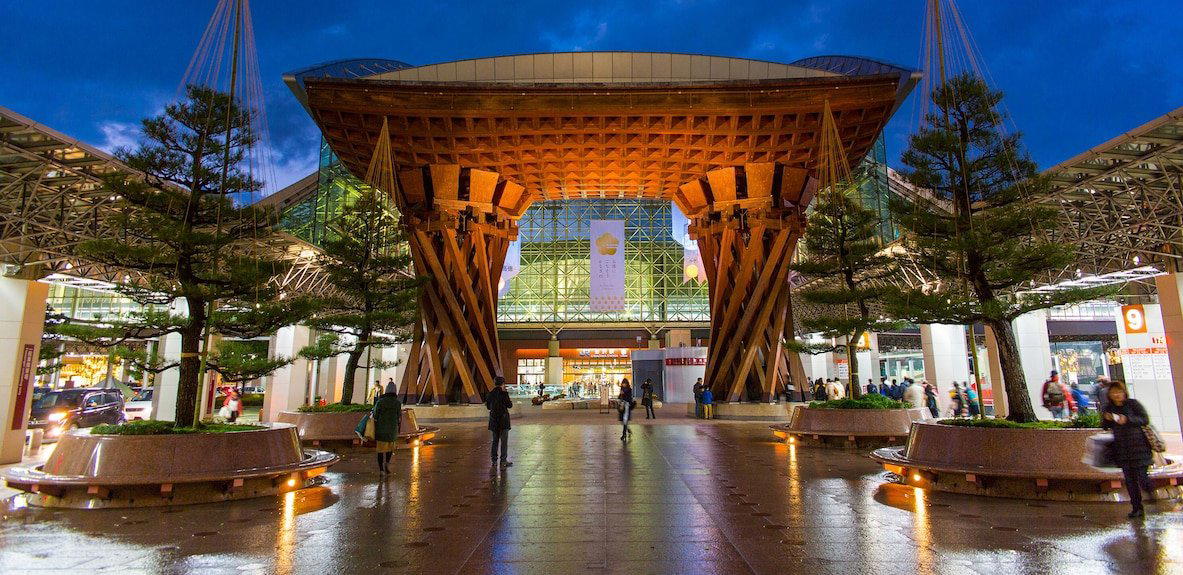
Komatsu sits between Kanazawa, Ishikawa's prefectural capital and the city most internationally associated with Hokuriku's culinary identity, and the Noto Peninsula, which has its own distinct food culture built around preserved foods, salt, and coastal fishing traditions. The city is accessible from Komatsu Airport, approximately 30 minutes by taxi, or around 16 kilometres, and from JR Komatsu Station, approximately 20 minutes by taxi. Guests arriving by car from Komatsu Interchange on the expressway system can reach the restaurant in roughly 25 minutes. Free parking for 15 cars is available on site, which matters in a location not served by local public transport. Eaufeu's own sibling venue, SHÓKUDŌ YArn, represents the innovative dining tier in Komatsu's urban core, and sits within the same local scene Eaufeu is helping to define from the rural fringe.
Planning a Visit
Eaufeu is open Thursday through Sunday for dinner (6:00 to 10:00 pm, last food order 7:00 pm), with Saturday and Sunday lunch service running 12:00 to 3:00 pm (last food order 12:30 pm). Budget per person runs JPY 20,000 to 29,999 for both lunch and dinner, with a 10% service charge applied. All major credit cards are accepted, as are IC cards, electronic money, and QR code payment systems including PayPay. Children aged 10 and older are welcome. The dress code is smart casual. Hotel de Ville Crissier in Switzerland represents what the auberge format can become at its most refined, and 6 in Okinawa shows how Japan's rural fine dining tier operates at the other end of the archipelago.
A Quick Peer Check
Comparable venues nearby, for context on price, style, and recognition.
| Venue | Cuisine | Price | Notes |
|---|---|---|---|
| Auberge eaufeuThis venue — the venue you are viewing | Modern French with Japanese influences | $$$$ | Not listed |
| SHÓKUDŌ YArn | Modern Japanese Fusion Fine Dining | $$$$ | Yoshitakemachi |
| オーベルジュ オーフ | Modern French with Local Japanese Influences | $$$$ | Kanagaso |
| Tsuzura | Traditional Kaga Kaiseki | $$$ | Chikinocho |
| Matsubaya | Traditional Japanese wagashi sweets shop | $ | Not listed |
| Makinonci | Modern French with Local Japanese Influences | $$$$ | Kanazawa |
Recognition history
Dated appearances from independent guides and award organizations, with the underlying list record or original source where available.
Opinionated About Dining Top Restaurants in Japan Ranked #117
Opinionated About Dining
Tabelog Bronze #33
Tabelog
Opinionated About Dining Top Restaurants in Japan Ranked #260
Opinionated About Dining
Tabelog Bronze
Tabelog
Tabelog 100 #34 · No. 34
Tabelog · Tabelog 100 - Innovative / Creative cuisine - 2025
The Japan Times Destination Restaurants Destination Restaurants Selection #5
The Japan Times Destination Restaurants
Opinionated About Dining Top Restaurants in Japan Ranked #459
Opinionated About Dining
At a Glance
- Modern
- Elegant
- Scenic
- Intimate
- Sophisticated
- Special Occasion
- Date Night
- Open Kitchen
- Historic Building
- Sake Program
- Local Sourcing
- Mountain
- Garden
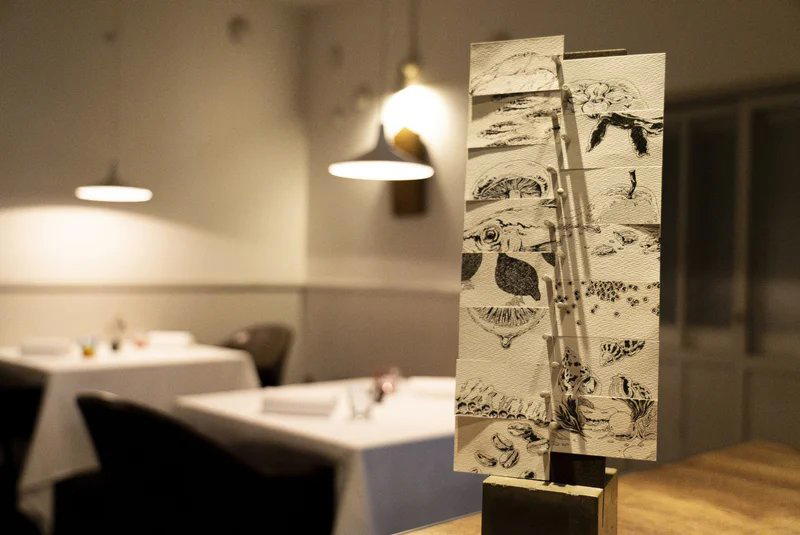
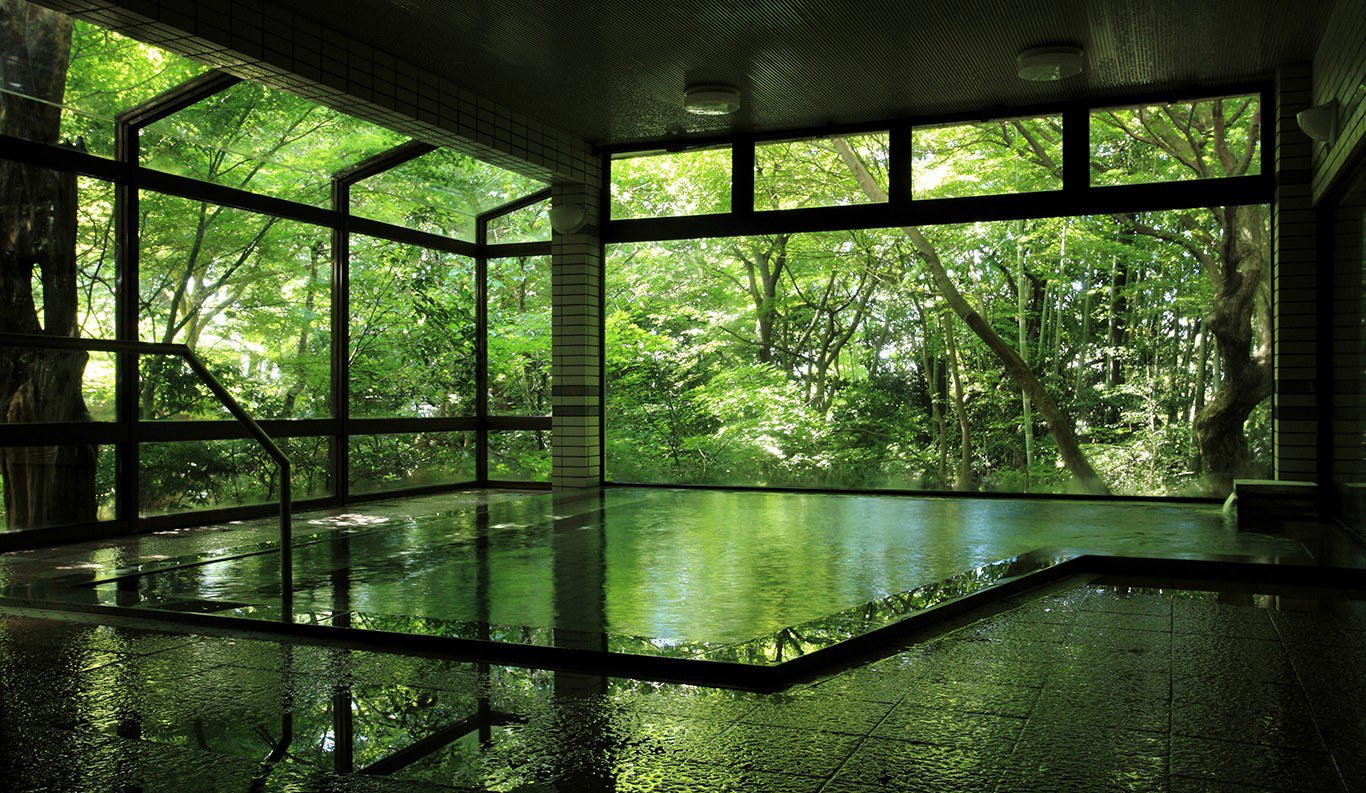
Minimalist and modern dining room with wood counter, open flames, floor-to-ceiling windows framing nature views, and colorful wall paintings.