Our verdict
In Komatsu, a city that sits at the quieter edge of Ishikawa Prefecture's celebrated food corridor, Tsuzura occupies a residential address in Seginomachi that rewards those who seek it out. The restaurant draws on the seasonal and coastal resources that define Noto Peninsula and Kaga region cooking, placing it within a small tier of Komatsu venues serious about ingredient provenance. For context on the wider dining scene, see our full Komatsu restaurants guide.

Pearl is the En Primeur Club membership app, where members save venues, book tables and use the concierge.
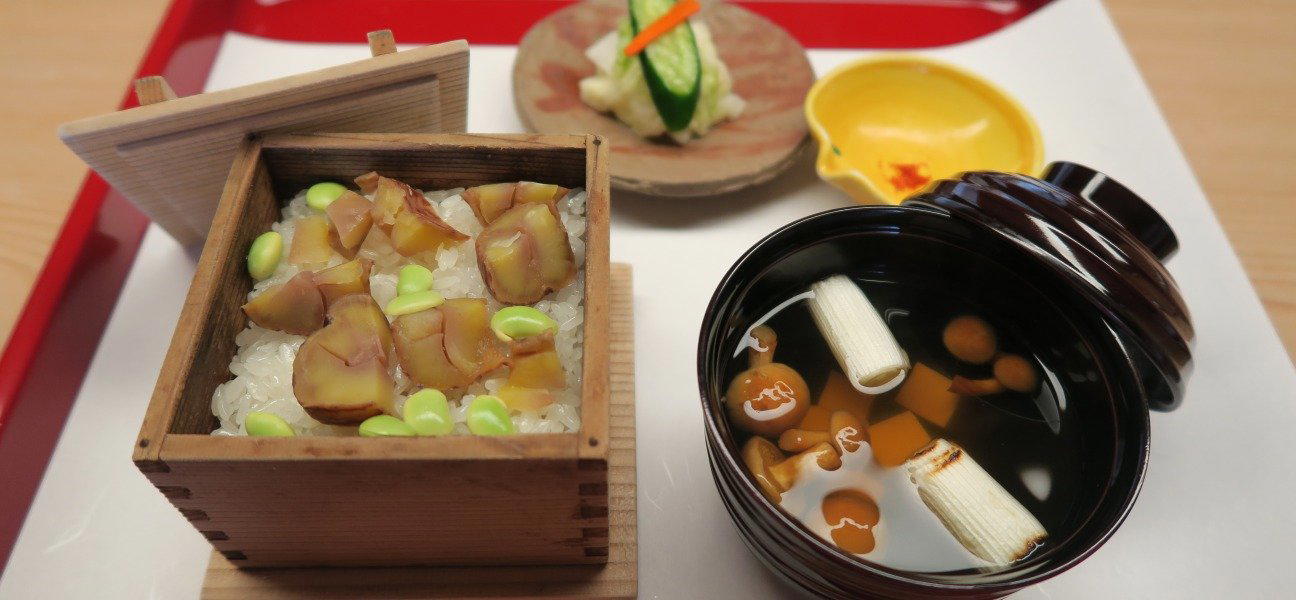
Seginomachi, Komatsu: A Neighbourhood That Earns Its Restaurants
Komatsu sits between Kanazawa and the Sea of Japan coastline in a stretch of Ishikawa Prefecture that produces some of Japan's most closely watched regional ingredients: Kaga vegetables, Noto seafood, and mountain-harvested produce that the country's leading kaiseki kitchens have long treated as benchmark material. The city itself is not a dining destination in the way that Kanazawa draws culinary tourists, which means the restaurants operating quietly here, in residential pockets like Seginomachi, exist primarily for people who know what they are looking for. Tsuzura is one of those addresses. Its location in the 3-chome block of Seginomachi places it away from Komatsu's commercial centre, in a setting that reflects a broader pattern across provincial Japan: serious food, low visibility, intentional audience.
This model, where a dining room in a low-traffic neighbourhood draws committed guests rather than passing trade, has become increasingly common in the Hokuriku region. For visitors moving between the acclaimed counters of Gion Sasaki in Kyoto or the precision cooking at HAJIME in Osaka and the less-documented corners of regional Japan, Komatsu represents exactly this kind of stop: the city where the ingredient story is strong but the restaurant story remains underreported.
The Ingredient Case for Ishikawa
The editorial angle that makes sense when approaching any serious restaurant in this part of Ishikawa is sourcing. The Hokuriku coast delivers yellowtail, snow crab, and sea bream from waters that see dramatically different temperature profiles across the calendar year, and the Noto Peninsula specifically has achieved a level of agricultural credibility that influences kitchens well beyond the prefecture. Kaga vegetables, a designated category of heritage cultivars grown in the Kaga region surrounding Komatsu, include varieties of turnip, burdock root, and lotus that carry protected status and structured growing seasons. Any kitchen in this city worth its rice has access to supply chains that a Tokyo restaurant would pay a premium to replicate.
This is the ingredient context within which Tsuzura operates. The address in Seginomachi places it close to the networks that connect local producers with local kitchens, the kind of proximity that metropolitan restaurants routinely claim but rarely have. Seasonal discipline in Ishikawa cooking is not a marketing decision; it is a practical response to what is available and what the regional palate expects. The same logic shapes venues like a kaiseki-adjacent address in Nanao, further up the Noto coast, where the seasonal rhythm of the sea determines the menu more than any chef's stated philosophy.
For comparison with how regional Japanese kitchens handle similar sourcing disciplines in other contexts, the approach at Harutaka in Tokyo or the technique-led framework at akordu in Nara illustrates how ingredient provenance functions differently when a kitchen sits close to, versus far from, its primary producers. The Komatsu model sits at the close end of that axis.
Komatsu's Dining Tier: Where Tsuzura Sits
The Komatsu dining scene is smaller and more compressed than Kanazawa's, which means individual restaurants carry a different weight. In a city of this scale, a restaurant with a serious sourcing position and a residential address is not competing against dozens of comparable venues; it is part of a short list. Other Komatsu venues with notable ambitions include Auberge eaufeu, which operates through a French framework in the same city, and SHÓKUDŌ YArn, which takes an innovative approach to regional ingredients. The French-leaning オーベルジュ オーフ rounds out a small cohort of restaurants that together suggest Komatsu has a more considered dining culture than its visitor numbers might imply.
Tsuzura operates in a different register from these venues, one that connects more directly to Japanese culinary tradition and the specific produce profile of Kaga and Noto. The reference points are not Parisian technique or fusion experimentation but the quieter discipline of a regional Japanese kitchen that understands what grows, swims, and is harvested within an hour's radius. This positions it alongside the kind of addresses that visitors to Goh in Fukuoka or diners acquainted with seasonal-forward cooking in Sapporo would find immediately legible.
Planning a Visit: What to Know Before You Go
Information about Tsuzura in the standard channels, including hours, pricing, and booking method, is not readily available in centralised databases. This is a consistent pattern among smaller Japanese restaurants operating in provincial cities, where the primary booking channel is often a phone call placed in Japanese, a reservation through a hotel concierge with existing local relationships, or an introduction from someone already known to the kitchen. Guests travelling specifically for this type of regional dining, rather than passing through Komatsu as part of a broader itinerary, are well advised to build in lead time. Komatsu is accessible by shinkansen on the Hokuriku line, with the city's station linking it to both Kanazawa and Fukui, which means a day-trip or overnight stay from Kanazawa is operationally direct. Our full Komatsu restaurants guide covers the wider dining scene for those building an itinerary around the region.
For those calibrating expectations against international reference points, the closest analogs in terms of dining register and intent are not the grand-occasion counters of a city like New York, where Le Bernardin or Atomix operate with fully published tasting menus and multilingual booking systems. They are closer to the regional Japanese model where discretion, prior knowledge, and some degree of local connection are part of the access structure.
Frequently asked questions
Can I bring kids to Tsuzura?
Tsuzura is located in Seginomachi, Komatsu, a neighbourhood where restaurants tend to operate as focused, intimate dining environments rather than family-casual spaces. Serious regional restaurants in this part of Ishikawa typically suit older children comfortable with a structured meal format.
Is Tsuzura formal or casual?
Komatsu's tighter dining scene, compared to nearby Kanazawa, produces restaurants that carry considerable local weight without the theatrical formality of a major city counter. Tsuzura sits in Seginomachi, a neighbourhood associated with considered, ingredient-led cooking in Ishikawa Prefecture. Dress neatly; the setting likely rewards attentiveness rather than demanding a jacket.
How does Tsuzura's location in Komatsu compare to dining in nearby Kanazawa?
Komatsu sits roughly 30 kilometres southwest of Kanazawa along the Hokuriku corridor, close enough to draw on the same coastal ingredient supply but removed from the tourist infrastructure that shapes Kanazawa's restaurant scene. A restaurant operating in Seginomachi, Komatsu addresses a local clientele first, which in Japan's regional cities often signals a more uncompromising approach to seasonal sourcing. Travellers making the detour from Kanazawa specifically for Tsuzura are following the same logic that drives serious diners toward lesser-documented prefectural addresses across Japan.
What dish is Tsuzura famous for?
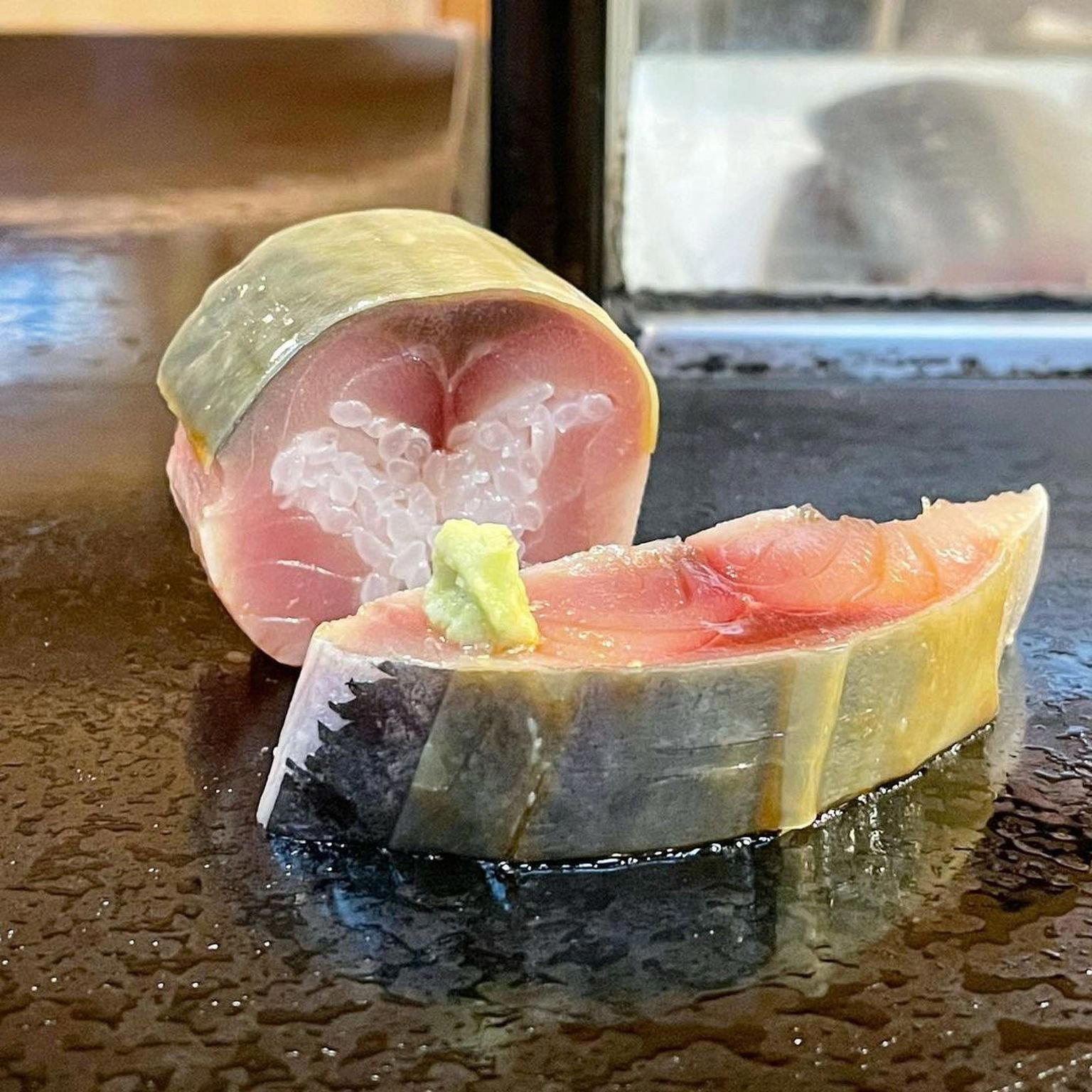
The broader Hokuriku coast context points toward yellowtail, crab, and locally sourced seafood as the ingredients that define cooking in this corridor. Reaching the venue directly will give the clearest picture of the current format.
Where do I go for Tsuzura?
Tsuzura is located at Japan, 〒923-0834 Ishikawa, Komatsu, Seginomachi, 3 Chome−81, Komatsu.
What's the best way to book Tsuzura?
Phone and web booking details for Tsuzura are not listed in centralised databases, which in Japan's regional dining scene often means reservations are handled through direct contact or local referral. Arriving in Komatsu and asking at your hotel concierge is a practical first step; properties with ties to Kanazawa's dining network frequently have working contacts for Seginomachi restaurants. Booking well ahead is advisable for any serious dining in Ishikawa Prefecture.
Fast Comparison
Comparable venues nearby, for context on price, style, and recognition.
| Venue | Cuisine | Price | Awards | Notes |
|---|---|---|---|---|
| TsuzuraThis venue (the venue you are viewing) | Traditional Kaga Kaiseki | $50–100 | Not listed | Not listed |
| Matsubaya | Traditional Japanese wagashi sweets shop | $1–10 | Tabelog 100 #78 | Not listed |
| オーベルジュ オーフ | Modern French with Japanese influences | $150–200 | Tabelog Bronze #33 | Kanagaso |
| SHÓKUDŌ YArn | Modern Japanese Fusion Fine Dining | $100–150 | Tabelog Bronze #407 | Yoshitakemachi |
| Auberge eaufeu | Modern French with Japanese influences | $150–200 | Tabelog Bronze #33 | Kanagaso |
| Inakaan | Traditional Japanese Unagi | $30–50 | Not listed | Kokura |
Continue exploring
More in Komatsu
Restaurants in Komatsu
All restaurants in Komatsu →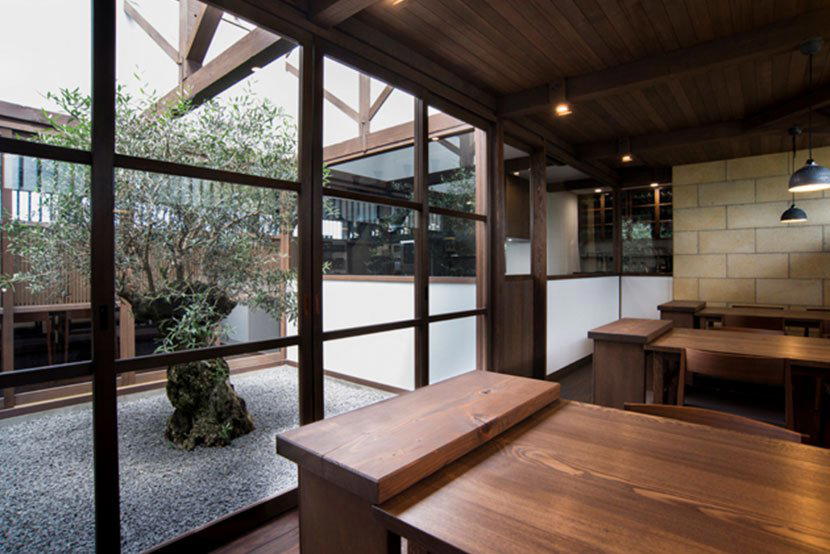

Details
- Elegant
- Intimate
- Sophisticated
- Special Occasion
- Private Dining
- Sake Program
- Local Sourcing
Current opening hours
- Monday
- 11:30 AM–2 PM, 5–10 PM
- Tuesday
- 11:30 AM–2 PM, 5–10 PM
- Wednesday
- 11:30 AM–2 PM, 5–10 PM
- Thursday
- 11:30 AM–2 PM, 5–10 PM
- Friday
- 11:30 AM–2 PM, 5–10 PM
- Saturday
- 11:30 AM–2 PM, 5–10 PM
- Sunday
- 11:30 AM–2 PM, 5–10 PM
Hours can change for holidays and private events. Last verified .
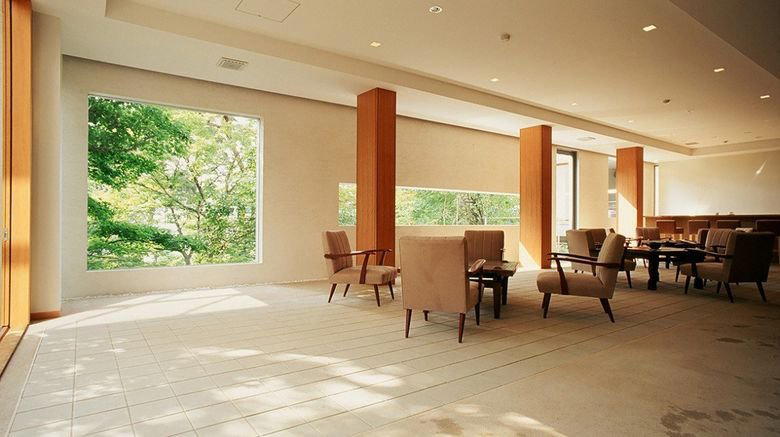
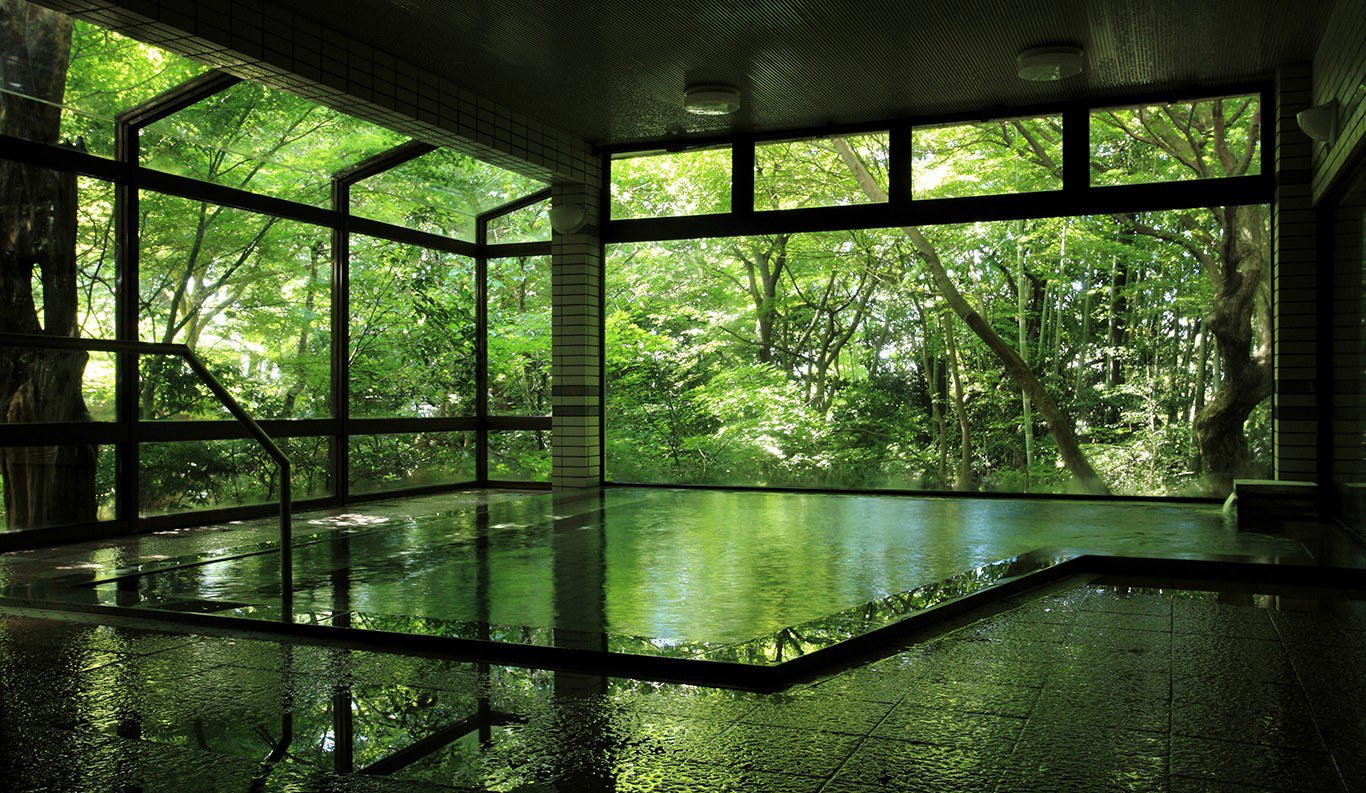
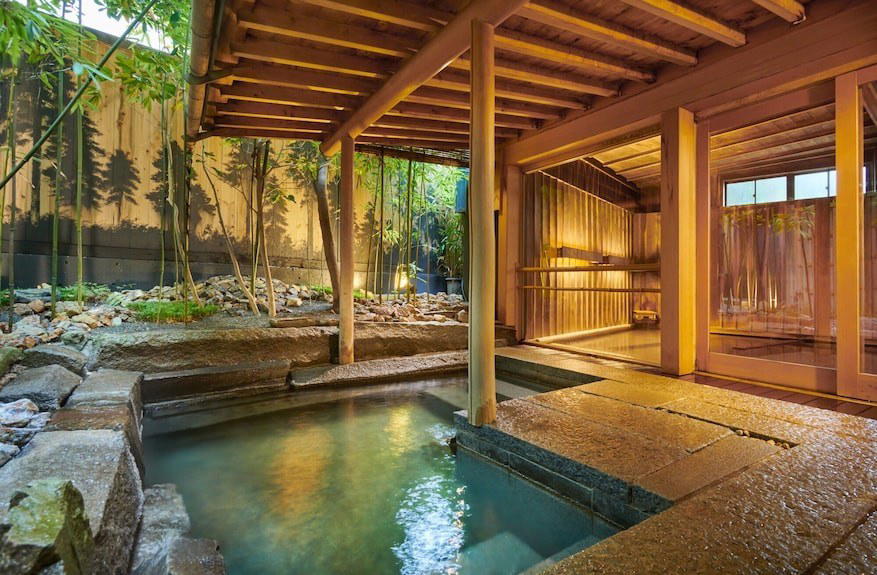
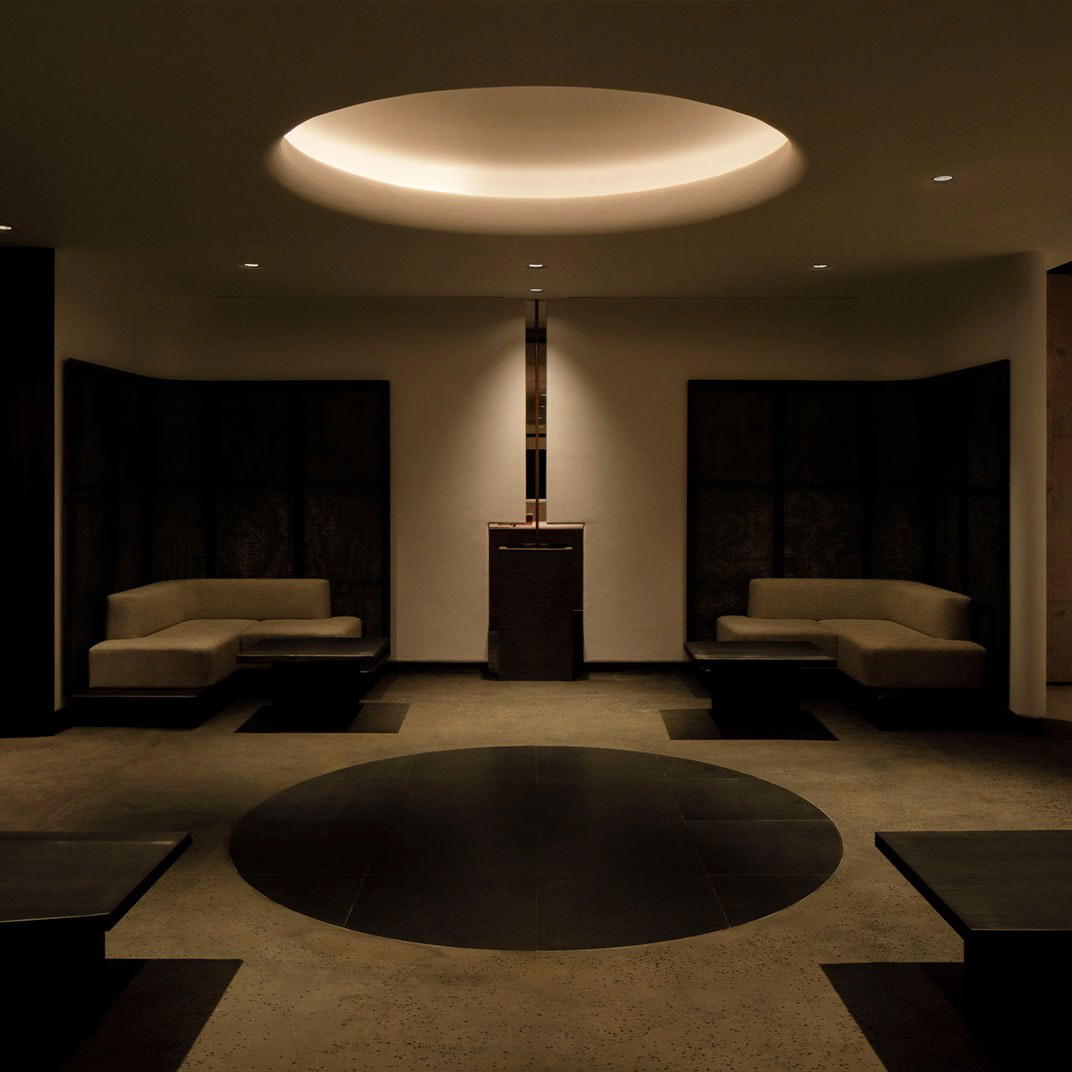
Upscale hideout atmosphere with high-quality traditional Japanese dining experience.