A Xitun District address in Taichung that positions itself within Taiwan's growing conversation around local produce and craft technique. The kitchen draws on the island's agricultural depth, from central Taiwan's hill-grown vegetables to coastal seafood, applying methods that reflect the broader regional push toward ingredient-led cooking. Booking ahead is advisable for this residential-quarter spot.
 Discover on Pearl
Pearl is the En Primeur Club membership app — saves, bookings, and concierge access live there. Same editors, same standards.
- Address
- No. 50號, Lane 293, Section 2, Xitun Rd, Xitun District, Taichung City, Taiwan 40747
- Phone
- +886424525657
- Website
- inline.app

Xitun and the Case for Neighbourhood Dining in Taichung
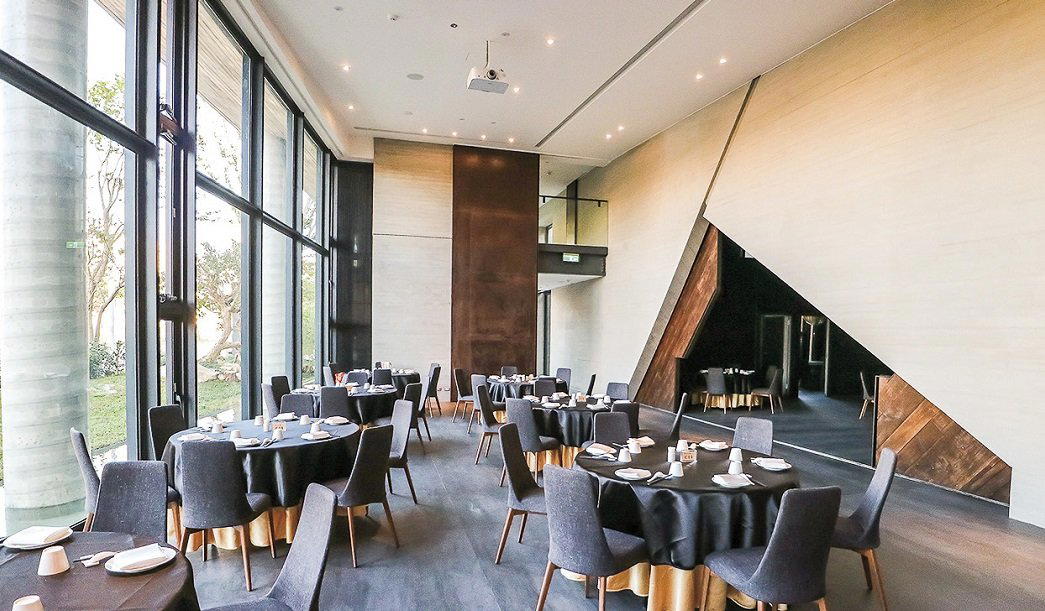
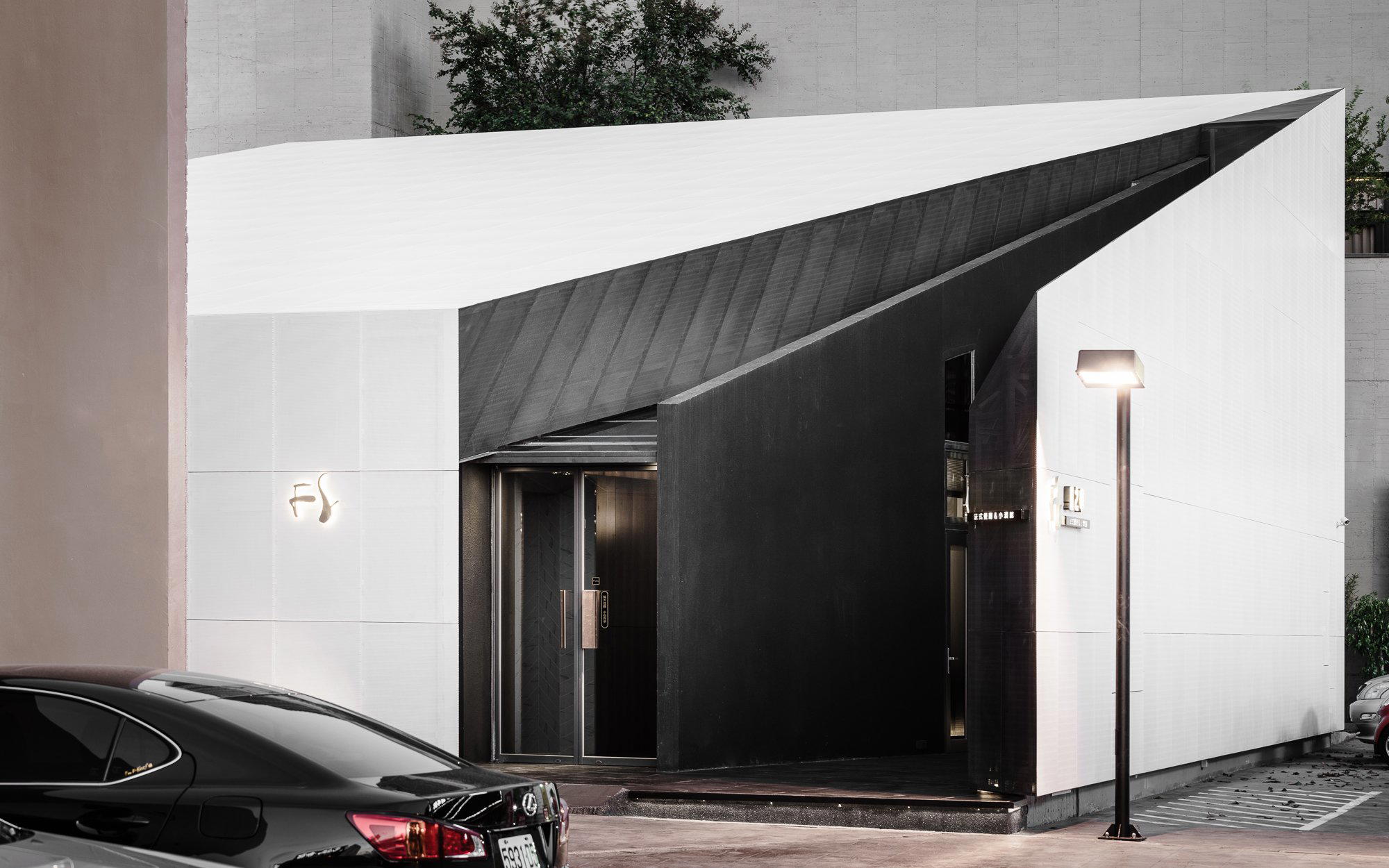
Taichung's dining identity has historically concentrated around Zhongqu and the Fengjia corridor, where visibility and foot traffic reward volume-driven operators. Xitun District sits outside that gravitational pull, and addresses like Lane 293 off Section 2 of Xitun Road represent a different logic: lower rents, longer-term regulars, and kitchens that can afford to slow down and focus. 裡山木山料理 occupies one such address, embedded in a residential quarter where the surrounding streets carry the cadence of a neighbourhood rather than a dining destination. Arriving here, the context does some of the interpretive work before a single dish appears.
This dynamic has precedent across Taiwan. In Tainan, Amei in Tainan has long demonstrated that Taiwanese cooking rooted in place and simplicity can hold its own against technically ambitious peers. In Kaohsiung, GEN in Kaohsiung maps a similar logic onto a mid-city residential format. Taichung's own version of this pattern is expanding, and Xitun is increasingly where it takes shape.
Taiwan's Central Region as a Larder
The editorial angle that defines a restaurant like 裡山木山料理 is not the kitchen itself but the agricultural infrastructure that makes its cooking legible. Central Taiwan, framed by the foothills of the Central Mountain Range and the coastal plains facing the Taiwan Strait, produces a striking diversity of ingredients across short vertical distances. Temperate-zone vegetables, stone fruits, tea from higher elevations, freshwater fish from mountain streams, and pork from small producers in Nantou and Changhua counties all move through Taichung's supply chains. A kitchen positioned in Xitun and oriented toward this larder has access to materials that international urban restaurants spend considerable budget sourcing and shipping.
The broader shift visible in Taiwan's restaurant scene, at JL Studio in Taichung at the fine-dining tier and at accessible neighbourhood spots across the island, is the application of global culinary technique to that indigenous ingredient base. This is not fusion in the blunt cultural sense but a methodological exchange: fermentation science, temperature-controlled protein cookery, reduction-based sauce work, and precise knife technique applied to ingredients that have centuries of Taiwanese culinary tradition attached to them. The result tends to taste more specifically of place, not less, because the technique is in service of the ingredient rather than overwriting it.
Comparable conversations are happening at Bebu in Hsinchu County and at Shen Yen in Yilan, where local sourcing functions as a structural commitment rather than a seasonal talking point. Even Taipei's logy in Taipei builds its international reputation partly on the depth of Taiwan's native ingredient range.
Placing 裡山木山料理 Within Taichung's Current Range
Taichung's restaurant range in 2024 and into 2025 runs from high-volume street-facing operators through to chef-driven rooms with genuine regional and international recognition. Within that spread, the Xitun neighbourhood tier occupies a middle ground that rewards knowledge over serendipity. Visitors who walk into a Fengjia night market stall are operating in a discovery mode; visitors who arrive at Lane 293 have done some reading. That self-selecting quality changes the room's atmosphere and often its kitchen's confidence.
Nearby within the city's broader dining circuit, A Kun Mian handles the noodle tradition with similar neighbourhood-first logic. Abura Yakiniku serves a different appetite for Japanese-influenced grilled meat. DIN YUE RESTAURANT and cafe crotchet å å¤åå¡ å°ä¸æç¾çªæ¯åå¡å»³ represent the cafe and modern Taiwanese registers. Burger Joint covers the fast-casual end with its own distinct format. What 裡山木山料理 contributes to that spread is a focus on ingredient-origin cooking in a format built for sitting rather than transiting.
For context on how this compares at the global level, it is useful to consider that the technique-meets-local-produce approach at an institution like Le Bernardin in New York City or the communal tasting format at Lazy Bear in San Francisco both depend on the same basic premise: that culinary technique becomes most articulate when the ingredient is specific and traceable. Taiwan's mountain-sourced kitchens are operating within that same logic at a fraction of the price and with ingredients that are genuinely endemic.
Planning a Visit: Practical Notes
The address at No. 50號, Lane 293, Section 2, Xitun Road, Xitun District places the restaurant well inside a residential grid that requires navigating with intent. Ride-hailing from central Taichung takes roughly 15 to 20 minutes depending on traffic patterns along the Xitun Road corridor. Parking exists in the surrounding streets but density varies by evening. No website or phone number is listed in current directories, which suggests that contact through local booking platforms or walk-in enquiry may be the practical route for reservation. Taiwanese mountain-produce kitchens at this tier tend to attract weekend demand, so midweek visits carry a better chance of seats without advance planning.
Taiwan's mountain-sourced produce reaches its seasonal depth in autumn and early winter, when highland vegetables, mushrooms from Nantou, and late-harvest fruits move in volume through central Taiwan's distribution networks. A visit timed to that window, roughly October through January, aligns with the ingredient base that kitchens like this one are positioned to use at its most expressive. Spring brings a second wave of interest with fresh bamboo shoots and foraged greens from the Central Range's lower slopes. Summer months see high humidity and lower ingredient variety at altitude, though coastal and lowland sourcing compensates.
For a broader view of how Taiwan's regional restaurant culture is developing beyond Taipei, the full trajectory is visible in spots like Akame in Wutai Township, which uses indigenous Paiwan culinary tradition as its structural framework, and Chi Yuan in New Taipei and Volando Urai Spring Spa and Resort in Wulai District, both of which demonstrate that the island's most interesting food thinking is distributed well beyond its capital. Dongmen Rice Noodle Soup in Hsinchu City rounds out a picture of a food culture where depth of tradition and specificity of place matter more than metropolitan address.
Comparable Options
Comparable venues nearby, for context on price, style, and recognition.
| Venue | Cuisine | Price | Notes |
|---|---|---|---|
| 裡小樓小料理This venue — the venue you are viewing | :null | , | |
| 千味海鮮 | Taiwanese Seafood | , | Fengle |
| Laojing Gokujo Yakiniku Chongde Branch | Japanese Yakiniku | $$ | Songzhu |
| æ¨å ¬éº¥é¢ | Modern Japanese Sushi | $$ | Leying |
| Gubami | Gourmet Taiwanese Beef Noodle | $$$ | West District |
| 佐賀野仁 | Taiwanese | , | Xinsheng |




At a Glance
:null