In Taichung's Nantun District, 阿弟海鮮 anchors itself in the everyday seafood-dining culture that defines much of central Taiwan's restaurant scene. The kitchen draws from the coastal supply lines that feed the island's most dependable neighbourhood seafood houses, offering a format built around shared plates and market-driven ingredients. It sits in a tier of local institutions that rewards regulars and casual walk-ins alike.
Pearl is the En Primeur Club membership app — saves, bookings, and concierge access live there. Same editors, same standards.
- Address
- 408, Taiwan, Taichung City, Nantun District, Fengle Village, 文心南五路一段326之3號
- Phone
- +886 4 2473 2373
- Website
- qian2.tw
- Directions
- Get directions
 Saves & bookings on Pearl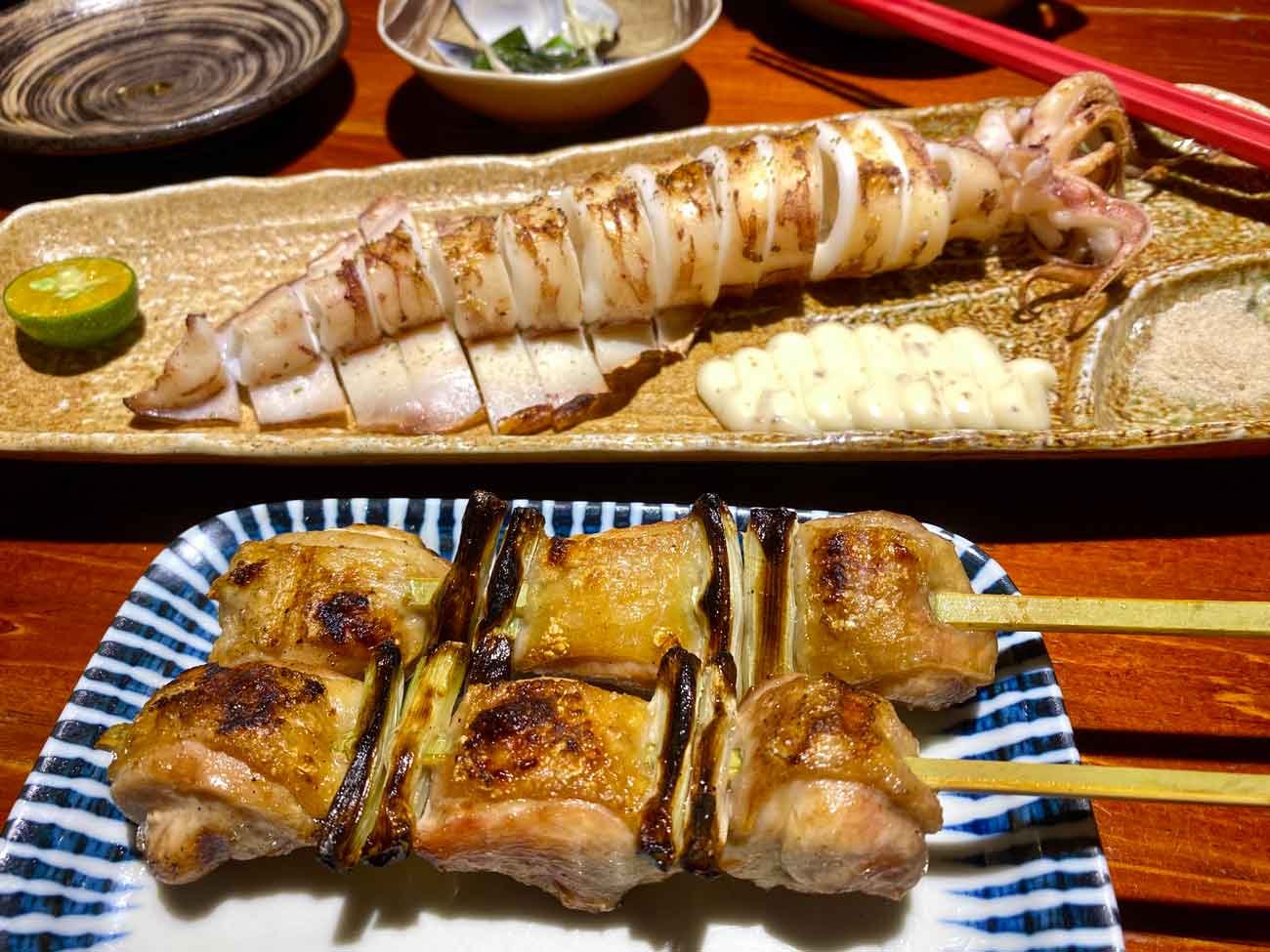
The Rhythm of a Taiwanese Neighbourhood Seafood House
Arrive at 千味海鮮, a Taiwanese Seafood restaurant in Taichung City, and on any given evening and the sequence of events is consistent enough to be a ritual: a glass-fronted display case near the entrance showing the day's catch on ice, a laminated menu dog-eared from use, and the sound of woks firing in an open or semi-open kitchen. 千味海鮮, on Wenxin South Road in the Nantun District, operates inside that format, one that has defined central Taiwan's everyday seafood culture for decades. This is not the theatrical plating and sourcing-narrative style of the island's fine-dining restaurants; it is the mode of dining that most Taiwanese families practise several nights a week.
The Nantun District sits in Taichung's expanding southern corridor, an area characterised by residential density and a dining culture oriented toward value, familiarity, and seasonal abundance. Seafood houses in this part of the city compete on the freshness of their supply and the confidence of their wok technique, not on room design or tasting-menu ambition. That competitive logic places 阿弟海鮮 in a comparable set defined by ingredient quality and kitchen efficiency rather than hospitality theatre.
What the Format Teaches You About Taiwan's Seafood Tradition
The shared-plate seafood meal is among the more practised dining rituals in Taiwan, and it has its own internal grammar. The table is organised around a sequence that moves from lighter preparations, steamed shellfish, cold plates, raw or lightly dressed items, through to heavier wok dishes, whole fish, and soup. Pacing is communal and unhurried; dishes arrive as they are ready, not in a choreographed progression. The diner's role is participatory and informal: reaching across, debating portions, calling for another round of rice.
This format is the default mode of celebration and an ordinary Tuesday in equal measure across Taichung. Venues like 阿弟海鮮 serve both occasions without distinguishing between them. The kitchen is expected to handle the full range, from a quick weeknight dinner for four to a larger table marking a birthday or a family gathering. That versatility, and the expectation that it will be delivered at a price point accessible to regulars, shapes what these kitchens practise and what they optimise for.
For comparison, Taichung also sustains a tier of ambitious contemporary restaurants: JL Studio in Taichung operates at the city's Michelin end of the spectrum, translating Singapore-Peranakan technique into a tasting menu format. That comparison clarifies what neighbourhood seafood houses are not trying to be. The two tiers coexist in Taichung, serving different functions for different occasions.
The Supply Logic Behind the Plate
Taiwan's seafood supply infrastructure is one of the densest in Asia. The island's ports, Keelung in the north, Donggang and Qigu in the south, feed a wholesale network that reaches inland cities including Taichung within hours of landing. The result is that a neighbourhood seafood house in Nantun operates with access to a marine supply chain that many coastal restaurants in other countries cannot match. Clams, oysters, grouper, squid, and a rotating cast of seasonal species move through that network daily.
The market-driven nature of this supply is why menus at venues in this category shift frequently, and why regulars often order by asking what arrived that morning rather than reading the printed card. It is also why direct comparisons between any two visits can be misleading: the kitchen's repertoire is consistent, but the specific proteins on offer depend on what the supply chain delivered. This is a feature of the format, not a limitation, it reflects the same seasonal and availability logic that governs high-end omakase dining, applied at a different price tier and without the ceremony.
Taichung in Context: The City's Breadth of Dining Registers
Taichung has developed one of the more varied dining cultures in Taiwan outside Taipei. The city accommodates noodle specialists like A Kun Mian, the grilled-meat format of Abura Yakiniku, the cafe-bakery culture represented by cafe crotchet, and the more formal Chinese dining of DIN YUE RESTAURANT. Casual options like Burger Joint fill the quick-meal tier. Seafood houses sit across this spectrum, from the stripped-down neighbourhood format to more elaborate versions in central Taichung aimed at business dining.
Beyond Taichung, Taiwan's serious dining community tracks venues like logy in Taipei, GEN in Kaohsiung, and A Xia in Tainan for the island's contemporary fine-dining ambitions. Regional seafood houses belong to a parallel conversation, one about consistency, community, and supply-chain fidelity rather than culinary innovation. Both conversations matter; they just measure different things.
Planning a Visit: What to Know Before You Go
千味海鮮 is located at 文心南五路一段326之3號, in the Nantun District of Taichung City. Seafood houses in this tier typically operate for lunch and dinner, with peak hours running from 6pm to 8:30pm on weekday evenings and earlier on weekends when family groups tend to arrive by 5:30pm.
Pricing at neighbourhood seafood houses in Taichung's residential districts generally falls in a mid-range tier calibrated to local regulars, with whole-fish and shellfish dishes priced by weight or per piece. Expect the bill to be driven by how many seafood dishes the table orders rather than by a fixed menu or cover charge. Groups of four to six tend to get full value from the format, as the shared-plate logic works better with more dishes spread across more people.
What It’s Closest To
Comparable venues nearby, for context on price, style, and recognition.
| Venue | Cuisine | Price | Awards | Notes |
|---|---|---|---|---|
| 千味海鮮This venue — the venue you are viewing | Taiwanese Seafood | Not listed | Not listed | Not listed |
| 功夫上海手工魚丸 | Taiwanese Handmade Fish Ball Restaurant | Not listed | Not listed | Zhongming |
| 裡小樓小料理 | :null | Not listed | Not listed | Xi'an |
| cafe crotchet å å¤åå¡ å°ä¸æç¾çªæ¯åå¡å»³ | French Patisserie Cafe with Fusion | $ | Not listed | He'an |
| Meidz Seafood | Taiwanese Seafood | $$ | Michelin Plate | Shalu District |
| Orient Dragon | Traditional Taiwanese Home-Style Cooking with Sichuanese Influences | $$ | Michelin Plate | Gouqian |

At a Glance
Casual local eatery