On Fugui Street in Taichung's East District, 樸公麥麵 represents a strand of Taiwanese noodle culture where restraint and repetition define the experience. The menu is narrow by design, the pacing unhurried, and the ritual of ordering, waiting, and eating carries more weight than the room itself. For those willing to slow down, it rewards the kind of attention that chain dining rarely demands.
Pearl is the En Primeur Club membership app — saves, bookings, and concierge access live there. Same editors, same standards.
- Address
- No. 37號, Fugui St, East District, Taichung City, Taiwan 40151
- Phone
- +886423607737
- Directions
- Get directions
 Saves & bookings on Pearl
Where Fugui Street Slows Down
Taichung's East District holds a particular kind of dining energy: less tourist-facing than the Fengjia night market belt, less self-consciously modern than the Xitun design corridor. On Fugui Street, the rhythm is local and repetitive in the leading sense, the same faces, the same orders, the same hour of day. æ¨å ¬éº¥é¢ is a restaurant in Taichung City serving Modern Japanese Sushi at a price tier of 2. 樸公麥麵 sits inside that rhythm at No. 37, a address that tells you almost nothing about what to expect until you've already arrived. That opacity is, in part, the point. Noodle shops of this register don't announce themselves through signage or social media campaigns; they persist through habit and word of mouth, which is a more durable form of marketing than any review.
The Ritual Frame: How Taiwan's Noodle Culture Shapes a Visit
To understand what a visit to 樸公麥麵 involves, it helps to understand what Taiwanese wheat noodle shops, the miàn guǎn tradition, ask of their customers. The ritual is specific. You enter, assess the handwritten or laminated menu quickly (lingering is not expected), place your order at the counter or with the nearest staff member, and find a seat before the bowl arrives. Conversation continues across tables in a way that feels communal without being forced. The noodles are the event; the room is the container.
This format differs structurally from the slower, more ceremony-conscious omakase tier found at places like JL Studio in Taichung or the logy in Taipei. There, the pacing is imposed by the kitchen. Here, the diner sets their own pace within a framework that has been running the same way for years. Both are rituals; they just operate at opposite ends of the formality spectrum.
The wheat noodle tradition in Taiwan draws from multiple sources: Shandong-style hand-pulled technique brought across in the mid-twentieth century, Hakka adaptations in the central and southern regions, and a local pragmatism that values texture and broth clarity over elaborate garnish. Shops that have survived more than a decade in Taichung's competitive street-food tier have generally done so by narrowing their focus rather than broadening it. A concise menu signals confidence in execution, not a lack of ambition.
What the East District Tells You About the Venue
Taichung's East District functions differently from the city's newer commercial zones. It carries the density of a neighbourhood that grew before urban planning imposed order on it, small shops compressed onto narrow streets, residential floors stacked above commercial ones, the occasional temple courtyard breaking the grid. Dining here trends toward the functional and the honest: A Kun Mian represents the kind of long-running noodle institution that the district produces, and DIN YUE RESTAURANT occupies a similar position in local consciousness.
That neighbourhood context matters when assessing 樸公麥麵. A wheat noodle shop on Fugui Street is not competing with the prix-fixe dining rooms of the Xitun zone or the grilled-meat specialists like Abura Yakiniku. Its comparable set is other standing or quick-seat noodle operations where the cost of entry is low but the cost of a bad bowl, in terms of reputation, is immediate. Regulars in these neighbourhoods are unforgiving in the way that regulars everywhere are: they know exactly what they want and exactly when they're not getting it.
The name 樸公麥麵 itself signals something. 樸 (pú) carries connotations of plainness, simplicity, and the unadorned, a deliberate positioning against the elaborate. 麥麵 (mài miàn) is simply wheat noodles. The name is a contract with the customer: this is what we do, and we do it without embellishment.
Taichung in the Broader Taiwan Dining Picture
Taiwan's restaurant culture has attracted sustained international attention over the past decade, with Michelin extending its Taiwan guide in 2018 and the island's chefs increasingly appearing in the Asia's 50 Best conversations. That recognition has concentrated on Taipei, but Taichung has developed its own credible tier: JL Studio holds Michelin recognition, and the city's middle market, the category where 樸公麥麵 operates, is substantial and competitive.
Across Taiwan more broadly, the noodle shop format remains among the more democratically distributed dining experiences on the island. From Dongmen Rice Noodle Soup in Hsinchu City to neighbourhood beef noodle counters in Taipei, the format repeats with local variations. What distinguishes individual shops is usually the broth base, whether braised, clear, or sesame-heavy, and the noodle texture itself, which in wheat shops can range from machine-cut to hand-pulled. These variables are what regulars argue about, and what keeps people returning to the same counter rather than rotating between options.
For comparison, the slow-food and indigenous-ingredient movement visible at Akame in Wutai Township or the refined Taiwanese technique at Amei in Tainan represents a different evolutionary branch of the same national food culture, one that has been formalized and codified for a global audience. The noodle shop tradition runs parallel to that, neither above nor below it, simply operating on different terms.
Planning Your Visit
樸公麥麵 is located at No. 37, Fugui Street, East District, Taichung City. Arrival during off-peak hours (mid-morning or mid-afternoon rather than the lunch rush) tends to allow more time at the counter and a better sense of what the room feels like without crowd pressure. Arrival during off-peak hours (mid-morning or mid-afternoon rather than the lunch rush) tends to allow more time at the counter and a better sense of what the room feels like without crowd pressure.
Cuisine and Recognition
Comparable venues nearby, for context on price, style, and recognition.
| Venue | Cuisine | Price | Notes |
|---|---|---|---|
| æ¨å ¬éº¥é¢This venue — the venue you are viewing | Modern Japanese Sushi | $$ | Not listed |
| Laojing Gokujo Yakiniku Chongde Branch | Japanese Yakiniku | $$ | Songzhu |
| Umai Zhonggang Branch | Japanese Yakiniku BBQ | $$ | Shangde |
| Zonzen Yakiniku Taichung Dadun Branch | Japanese Yakiniku | $$$ | Daye |
| 嵐山熟成牛かつ專売-北屯昌平店 | Japanese Aged Beef Cutlet | $$ | Songzhu |
| Abura Yakiniku | Japanese Yakiniku | $$$ | Jilong |
At a Glance
- Modern
- Trendy
- Casual Hangout
- Group Dining
- Open Kitchen
- Sake Program
- Local Sourcing
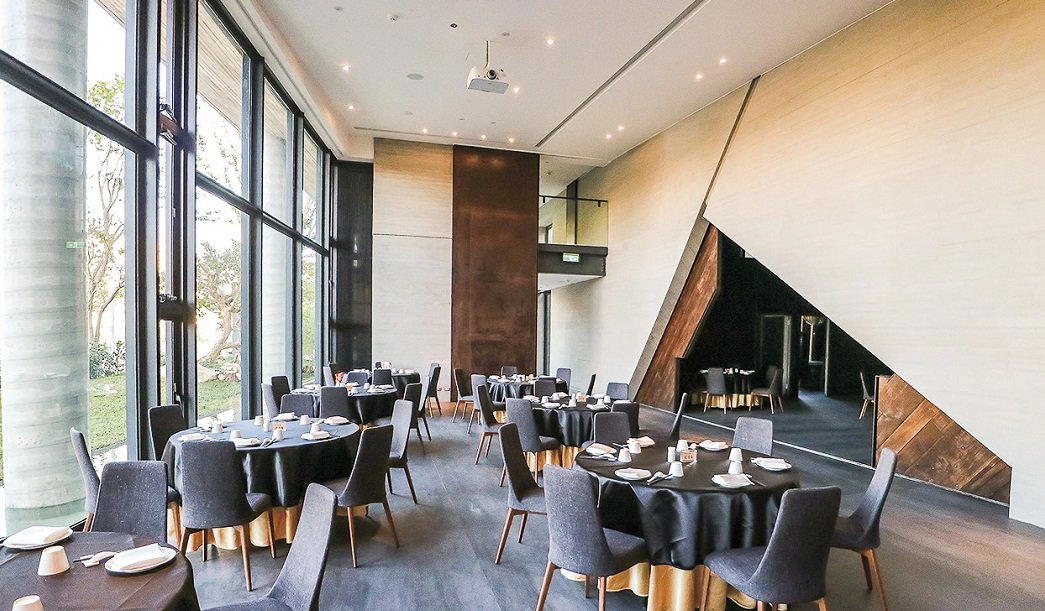
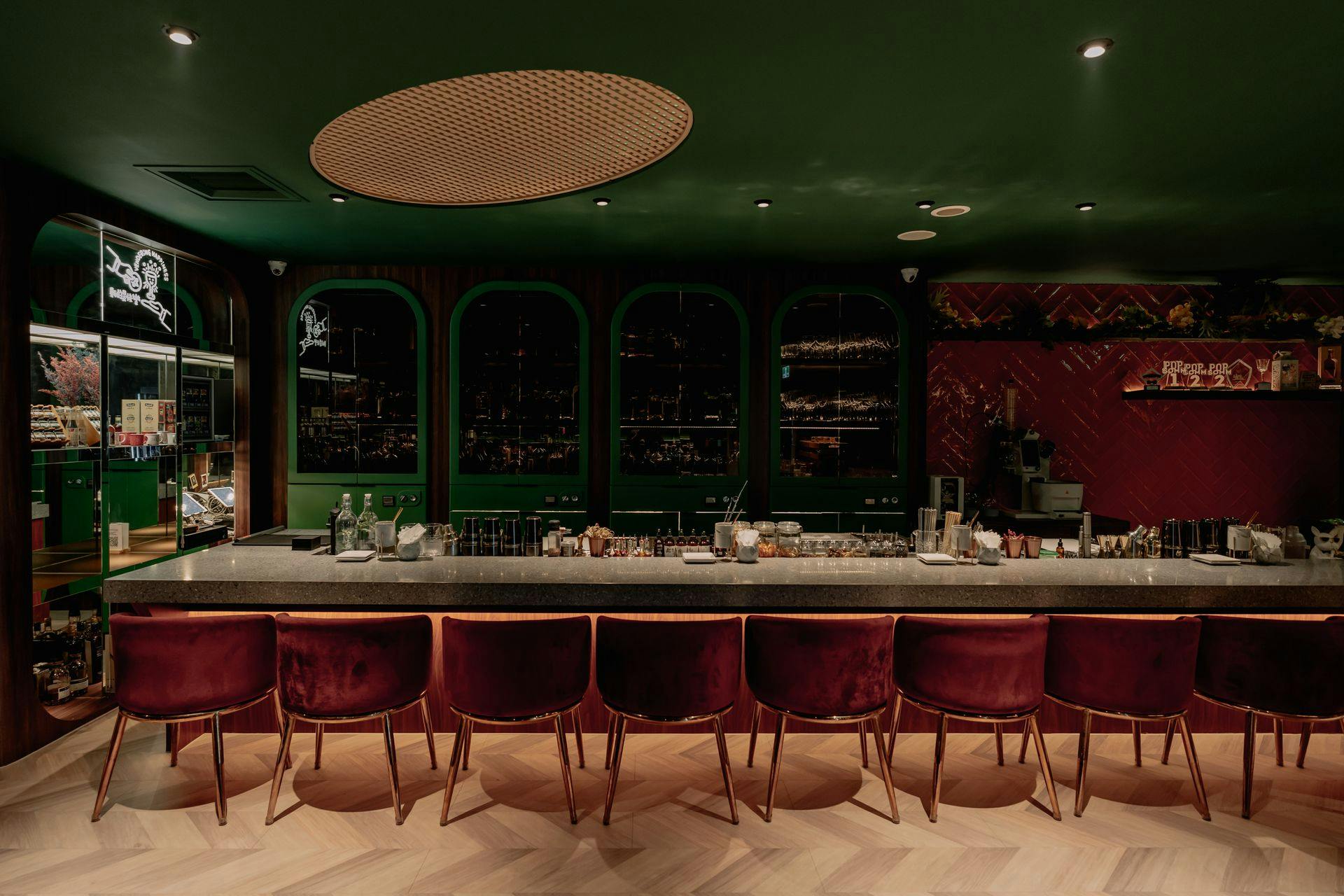
Japanese-style architecture in a vast space.