Laojing Gokujo Yakiniku on Chongde Road sits within Taichung's growing tier of Japanese-style grilled meat restaurants, where the yakiniku format, table grilling with portioned cuts ordered à la carte or by set, has found a committed local audience. The Beitun District address places it at the residential northern edge of the city, drawing regulars rather than tourists passing through the central dining corridor.
Pearl is the En Primeur Club membership app — saves, bookings, and concierge access live there. Same editors, same standards.
- Address
- No. 256號, Section 2, Chongde Rd, Beitun District, Taichung City, Taiwan 406
- Phone
- +886422478590
- Website
- lao-jing.com
- Directions
- Get directions
 Saves & bookings on Pearl
Yakiniku in Taichung's Northern Residential Belt
The yakiniku format arrived in Taiwan through well-documented Japanese cultural influence and has since developed its own local grammar. In Taichung, the category splits between high-volume operations near the city's commercial arteries and smaller neighbourhood-facing restaurants that build repeat clientele from the surrounding residential districts. Laojing Gokujo Yakiniku on Section 2 of Chongde Road operates at the northern edge of that map, in Beitun District, a part of the city where restaurants tend to survive on regulars rather than foot traffic, and where a reliable grilled-meat counter fills a genuinely practical role in the neighbourhood's dining week.
The yakiniku format, at its core, is a structured exercise in proportion and sequencing. The table grill becomes the kitchen, and the order in which cuts arrive, typically moving from lighter preparations toward richer, fattier pieces, defines the rhythm of the meal. Japanese yakiniku tradition, which itself adapted Korean barbecue through mid-twentieth-century culinary exchange, places significant emphasis on cut specificity: the distinction between harami and kalbi, between tongue and short rib, is not incidental but architectural. How a restaurant structures its menu around those distinctions reveals whether it is operating with genuine knowledge of the format or simply offering grilled meat under a Japanese-adjacent label. For comparable yakiniku experiences across Taichung, Abura Yakiniku represents another point on that spectrum worth considering alongside this address.
Reading the Menu as a Document
In the yakiniku category, the menu architecture tells you most of what you need to know before a single piece of meat reaches the grill. Restaurants that organize by cut, separating tongue, offal, short plate, loin, and wagyu tiers into distinct sections, signal a kitchen that sources with intention. Those that list only broad categories (beef, pork, chicken) are typically working from less differentiated supply chains. The name Gokujo, a Japanese term indicating superior or premium grade, suggests the operation positions itself within the quality-graded tier of the yakiniku market rather than the budget-volume end. Whether that grade applies to Japanese wagyu imports, domestically raised Taiwanese beef, or a combination is a detail worth confirming directly when booking, as it shapes both expectations and price point significantly.
Set menus, when offered, function as the restaurant's editorial statement: here is the sequence we think leading represents what we do. À la carte ordering, by contrast, puts the architecture in the diner's hands, which rewards familiarity with the format. Taichung's yakiniku restaurants increasingly offer both structures, appealing to first-time visitors who want guidance and regulars who know exactly which three cuts they return for. This dual-track approach mirrors what the city's broader restaurant scene has developed across categories, from the tasting-menu formalism at JL Studio in Taichung to the more casual, self-directed eating that defines places like A Kun Mian and Burger Joint.
Beitun District and the Logic of the Neighbourhood Restaurant
Beitun sits north of Taichung's central commercial core, a largely residential district without the density of restaurants that characterizes areas like the Yizhong Street corridor or the West District's café-heavy blocks. That context matters when assessing what a restaurant like this is doing and for whom. A yakiniku counter in this location is not competing for tourist attention or positioning itself within a dining-destination cluster. It is serving a local constituency that returns because the grill works consistently, the cuts are reliable, and the format fits the social rhythm of a family dinner or a mid-week meal between colleagues.
That kind of restaurant sustains itself differently than a destination dining room. The metrics are repeat visits, not viral coverage. The comparison set is the neighbourhood, not a city-wide ranking. For travellers staying in central Taichung and exploring beyond the obvious corridor, the Chongde Road address is accessible without being trivially close, worth the journey if yakiniku is the specific goal, but not a detour from central activity in the way a restaurant with documented award recognition might justify. Taichung's broader dining scene, mapped in our full Taichung City restaurants guide, provides the fuller context for planning a visit around multiple stops.
For reference points elsewhere in Taiwan's grilled-meat and casual dining spectrum, Volcanic rock in Zhubei City and GARDENh in Yonghe District each represent different expressions of the grill-centred dining format in other Taiwanese cities. Further afield, the Korean-Japanese culinary crossover that underpins yakiniku has its own articulate expression at Atomix in New York City, where tasting-menu formalism reframes what table-side interaction with food can mean at the summit of the market.
Practical Information
Laojing Gokujo Yakiniku Chongde Branch is a Japanese Yakiniku restaurant in Taichung City,928 reviews. It is located at No. 256, Section 2, Chongde Road, Beitun District, Taichung City. The address places it in the northern residential zone of the city, reachable by taxi or ride-hailing app from central Taichung in under twenty minutes depending on traffic. Given the neighbourhood-facing nature of the restaurant, weekend evenings in particular are likely to draw local families and groups, and making arrangements in advance during peak dining hours is advisable. Dress expectations align with the casual format standard for yakiniku in Taiwan, comfortable, practical clothing suited to an open-grill environment.
For broader context on where this restaurant sits within Taichung's dining options, the city also maintains a wider set of well-regarded addresses worth cross-referencing: DIN YUE RESTAURANT and cafe crotchet each represent distinct points in the city's casual dining range. Beyond Taichung, Taiwan's restaurant scene continues to develop at a pace that warrants tracking across cities: logy in Taipei, GEN in Kaohsiung, and A Xia in Tainan each anchor their respective cities' higher-end dining conversations, while addresses like Chenggong Douhua in Chenggong and æåç²é£ in Hengshan reflect the island's depth of local food culture outside the major urban centres.
Reputation First
Comparable venues nearby, for context on price, style, and recognition.
| Venue | Cuisine | Price | Awards | Notes |
|---|---|---|---|---|
| Laojing Gokujo Yakiniku Chongde BranchThis venue — the venue you are viewing | Japanese Yakiniku | $$ | Not listed | Not listed |
| 響海鮮 | Modern Japanese Seafood Omakase | $$$ | Not listed | Chaoyang |
| 阿禧師懷舊餐館 | Taiwanese Hot Pot | Not listed | Not listed | Ren'ai |
| 森森燒肉 台中中科店 | Chinese Restaurant | $$ | Not listed | Yong'an |
| Isagi | Japanese Omakase with Fukuoka Flavors | $$$ | Michelin Plate | Shengping |
| 功夫上海手工魚丸 | Taiwanese Handmade Fish Ball Restaurant | Not listed | Not listed | Zhongming |
At a Glance
- Minimalist
- Group Dining
- Date Night
- Casual Hangout
- Open Kitchen
- Sake Program
Current opening hours
- Monday
- 11 AM–12 AM
- Tuesday
- 11 AM–12 AM
- Wednesday
- 11 AM–12 AM
- Thursday
- 11 AM–12 AM
- Friday
- 11 AM–12 AM
- Saturday
- 11 AM–12 AM
- Sunday
- 11 AM–12 AM
Hours can change for holidays and private events. Last verified .
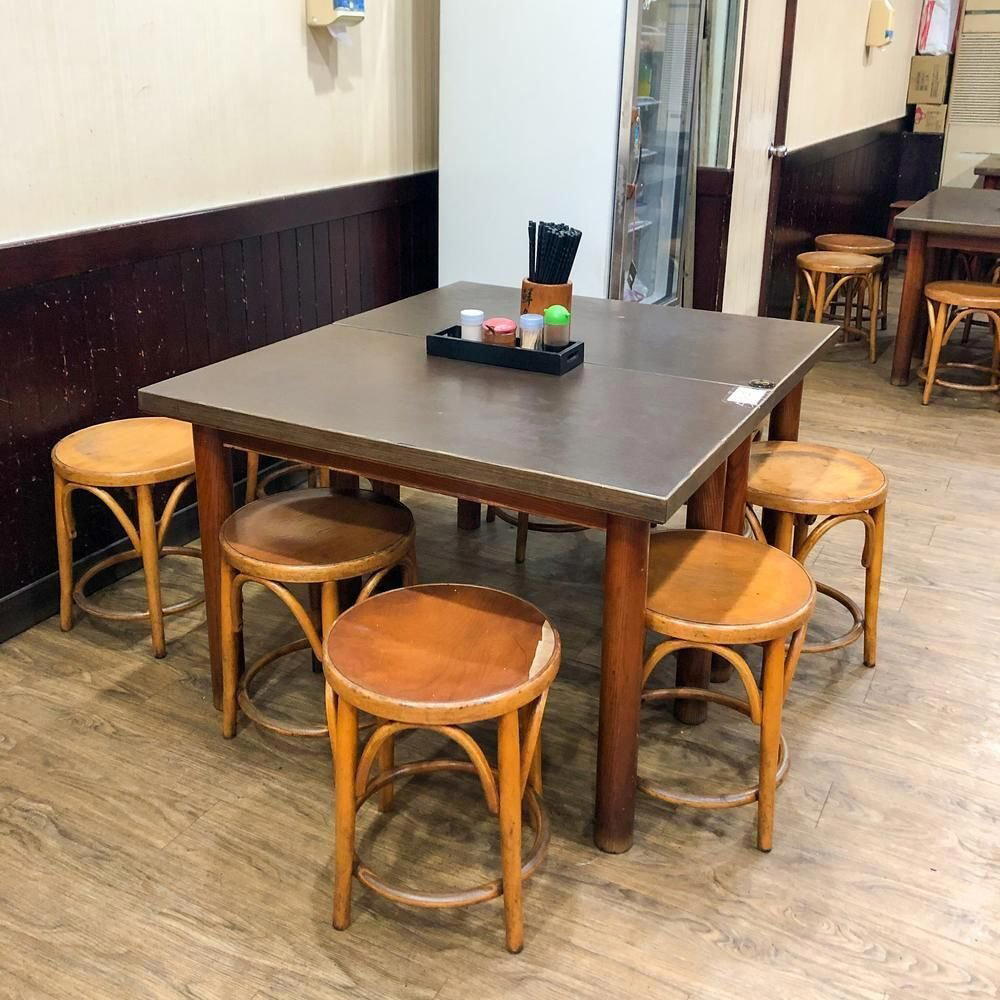
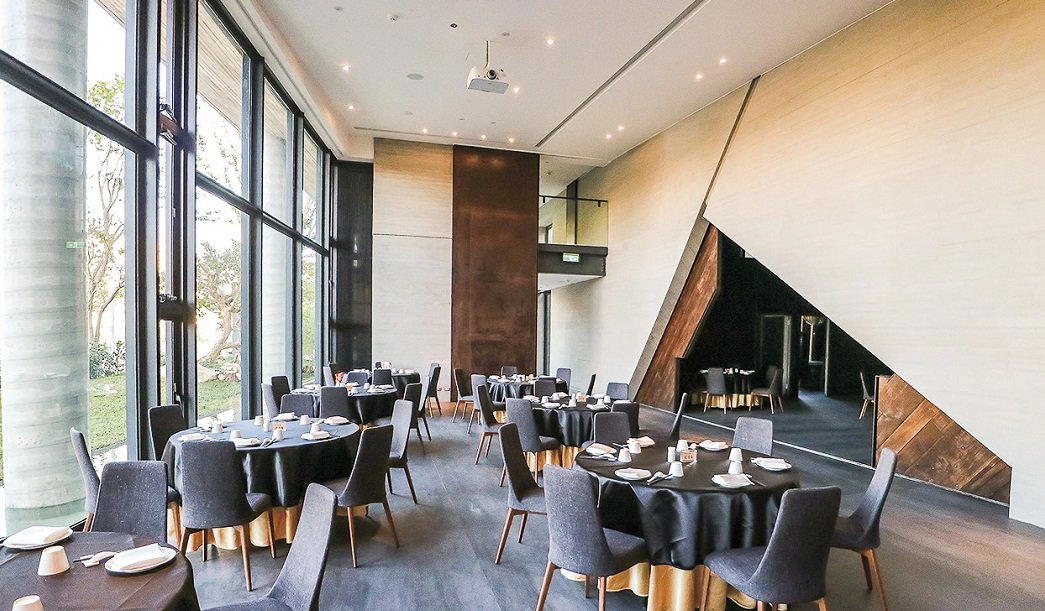
Elegant ambiance with tasteful decor enhancing the minimalist dining vibe.